Compass’s Game-Changing Transparency: Reshaping the Real Estate Landscape and Challenging Zillow
A bold new strategy from Compass introduces unprecedented transparency, allowing consumers direct access to listing agents. Is this a collaborative gesture to empower agents across the industry, or a strategic move to disrupt the dominance of real estate aggregators like Zillow?
A New Era of Transparency: Compass Puts Listing Agents Front and Center
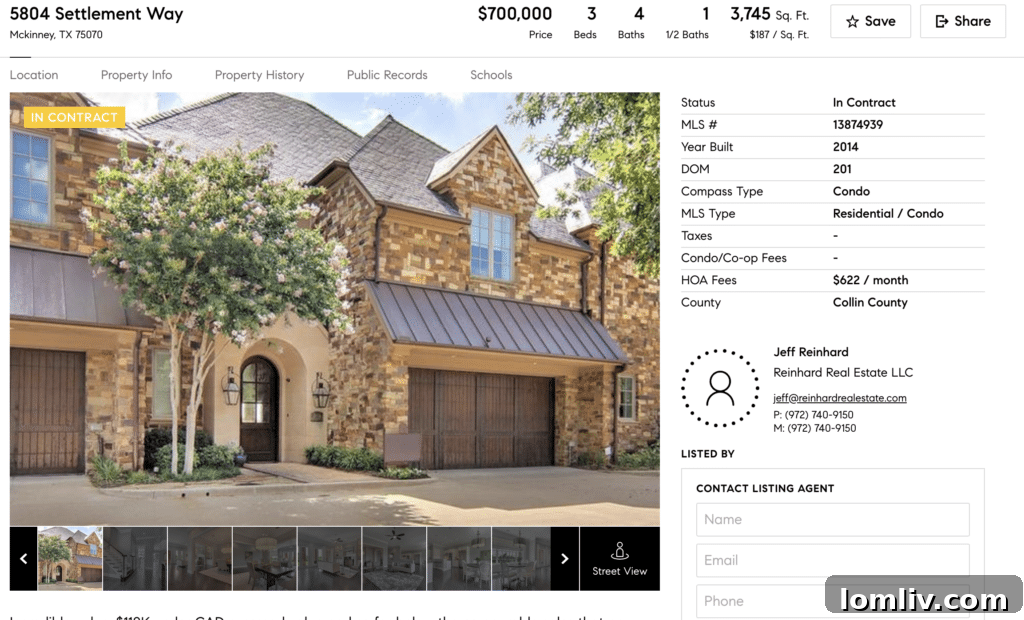
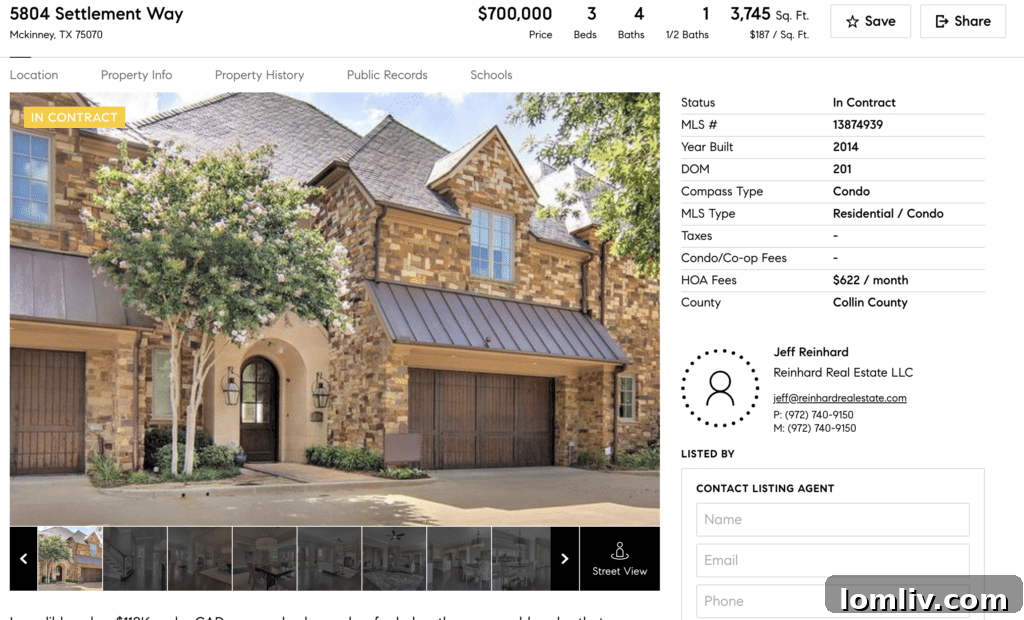
In a significant, yet quietly implemented, shift, the prominent real estate brokerage Compass has begun displaying the listing agent and their contact information on all non-Compass listings featured on its consumer-facing website. This pivotal change, first reported by Inman, marks a departure from traditional brokerage website models and positions Compass’s platform more akin to industry giants like Zillow or Realtor.com, yet with a crucial difference: an unwavering commitment to transparency regarding the true listing agent.
This innovative initiative goes beyond mere display. Compass has thoughtfully integrated a system where prospective buyers can fill out a form to directly contact the listing agent, even if that agent works for a rival brokerage. This move is particularly generous, fostering a spirit of collaboration and fairness within an often competitive industry. While some brokerages, such as Ebby Halliday, have historically acknowledged competing agents and brokers on their popular sites, Compass’s approach is notably more prominent and direct, signifying a strong statement about industry best practices and a potential new standard for online real estate platforms.
“We are now showing the true listing agent on every listing on our website, even when they are not Compass agents,” stated Robert Reffkin, CEO of Compass. He further expressed hope that “other brokerages will appreciate the transparency and trust of always showing their listing agents.”
It’s important to clarify the specifics of this new policy to understand its full scope. If a buyer is already collaborating with a Compass agent, and that agent provides a listing from within the Compass system, the direct contact information for the listing agent will understandably not be displayed, as the buyer already has a dedicated representative. This nuance ensures that existing client relationships are respected while still promoting transparency for new inquiries and providing clear pathways for consumers not yet committed to a specific agent. This balanced approach aims to serve both agents and consumers efficiently.
Addressing Consumer Confusion and Empowering Real Estate Agents
The motivation behind Compass’s strategic decision is deeply rooted in addressing a pervasive issue within the online real estate landscape: consumer confusion. Erik T. Bahr, General Manager of Dallas & Fort Worth Real Estate for Compass, sheds valuable light on this long-standing challenge:
“The aggregators get MLS content very quickly, and they do a good job of getting it to the consumer. The challenge is there is often consumer confusion as to who to contact about the listing.”
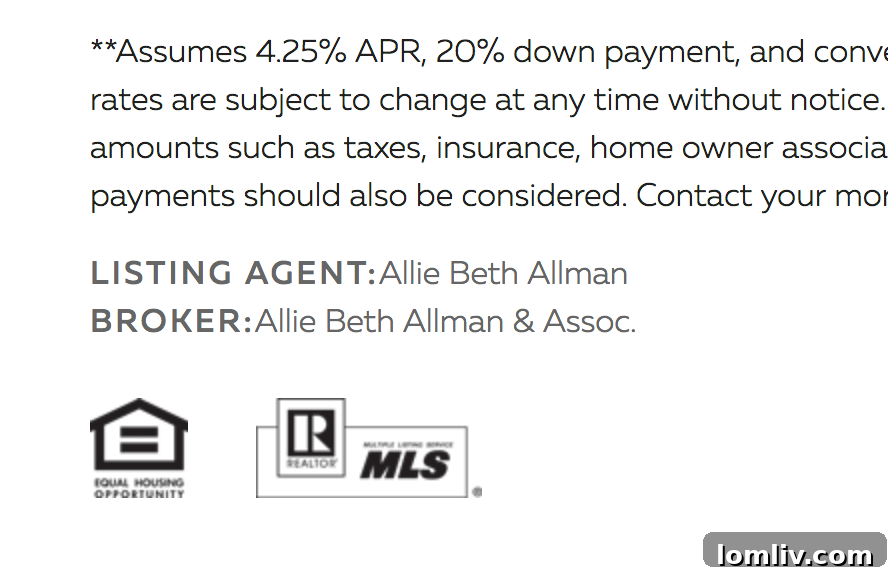
This confusion largely stems from how listings are often presented on popular real estate websites. A diligent listing agent invests considerable time, expertise, and resources into bringing a property to market—this includes extensive consultation with the seller, preparing the home for viewing, coordinating professional photography and virtual tours, crafting compelling descriptions, and managing all aspects of marketing and inquiries. Yet, on many prominent platforms, their hard work is frequently overshadowed. Instead of the listing agent receiving due credit and direct inquiries for the property they represent, an agent who has paid for advertising space often appears prominently, effectively diverting potential leads away from the true source.
This dynamic places listing agents in a difficult and often unfair position. They are the true stewards of a property’s sale, the experts intimately familiar with every detail of the home, its neighborhood, and its history. Denying them direct communication channels not only discredits their efforts but can also significantly hinder the efficiency and accuracy of the buying and selling process for consumers who are seeking precise, first-hand information. Compass’s move is a direct rebuttal to this problematic status quo, ensuring that the rightful agent receives the recognition and opportunity they deserve, thereby fostering a more equitable and transparent marketplace for all participants.
The Zillow Model: A Deep Dive into Premier Agent and Its Costs
To fully appreciate the significance of Compass’s initiative, it’s essential to understand the prevailing model it seeks to counter, particularly Zillow’s highly influential “Premier Agent” program. This program operates on a principle of paid advertising: consumers find a listing on Zillow, and instead of seeing the actual listing agent, they are often presented with a “Buyer’s Agent” – a Realtor who has paid Zillow substantial sums to prominently display their name alongside listings within specific geographic areas. This model essentially transforms property listings into advertising real estate, where visibility is bought rather than earned by the listing agent.
The financial investment required to be a Premier Agent can be staggering, varying dramatically based on market demand and geographic desirability. Zillow sells advertising slots for specific zip codes, and in highly sought-after real estate markets, agents find themselves in intense competition for these lucrative positions. While some less active zip codes might cost a relatively modest $200 per month, prime areas, characterized by high property values and rapid turnover, can demand anywhere from $2,500 to $3,000, or even significantly more. For instance, securing the exclusive “buyer’s agent” slot for every home in a desirable and affluent zip code like 75225 could easily require an investment exceeding $5,000 per month, making it an inaccessible option for many independent agents.
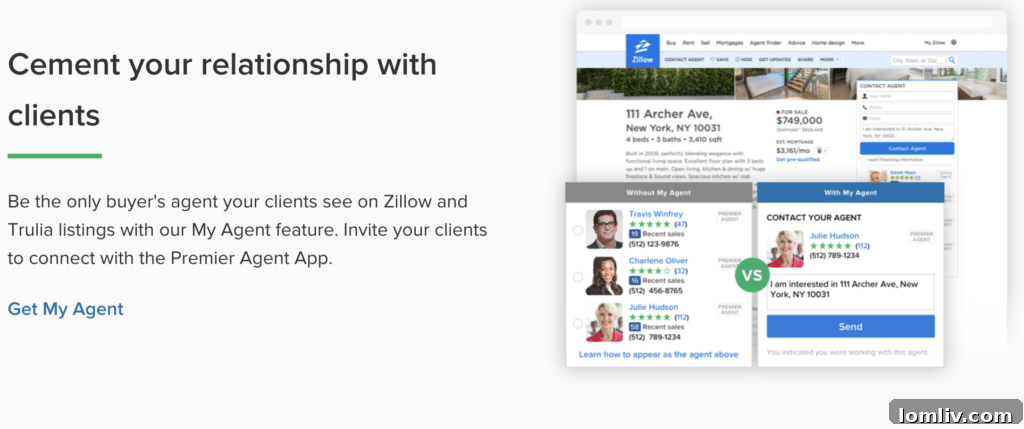
Top-tier Premier Agents are known to invest between $50,000 to $60,000 per month to secure these coveted positions, often striving to be the sole “Buyer’s Agent” listed on properties within their chosen territories. This substantial outlay raises a critical question: why such exorbitant spending? Zillow justifies these costs by highlighting compelling consumer behavior statistics: people tend to search 70 to 80 times on their platform before taking the critical step of contacting an agent. With Zillow boasting approximately 200 million pageviews monthly, the potential for lead generation through the Premier Agent program is undeniably immense, making it a powerful, albeit costly, avenue for agent visibility and a crucial revenue stream for Zillow itself.
Zillow’s Shifting Sands: iBuyer Focus vs. Premier Agent Revenue
Unsurprisingly, the Premier Agent advertising program has historically been Zillow’s primary revenue driver, forming the bedrock of its financial success for many years. However, the real estate landscape is characterized by rapid evolution, and Zillow is increasingly pivoting towards its iBuyer segment, Zillow Offers. This strategic shift suggests a potential, and profound, recalibration of priorities within the company’s overarching business model.
According to reports from Inman, while Zillow’s Homes segment (iBuying) generated $41.3 million in revenue during the fourth quarter of 2018, this figure paled in comparison to the impressive $221 million brought in by Premier Agent during the same period. Despite this current disparity, Zillow executives anticipate a monumental transformation that will redefine the company’s future.
Zillow is anticipating a major shift in its operations and the U.S. real estate industry writ-large.
During their fourth-quarter earnings call, Zillow executives expressed strong expectations that Zillow Offers, their direct-to-consumer online homebuying and reselling program, will emerge as a dominant revenue stream within the next five years. They project it will significantly overshadow their current top revenue generator, Premier Agent, thereby marking a profound change in both Zillow’s internal focus and the broader U.S. real estate industry. This move signals a strategic intent to transition from merely facilitating agent-client connections to becoming a direct participant in property transactions.
This anticipated strategic shift raises crucial questions for the real estate industry and its future trajectory. If Zillow’s internal focus moves progressively away from Premier Agent, how will that impact the program’s effectiveness, its pricing structure, and the value proposition it offers to agents? More importantly, if brokerages like Compass—and potentially other major real estate firms, inspired by Compass’s leadership—begin to adopt and champion a similar level of agent transparency and direct communication, would the fundamental necessity for consumers to rely on aggregator platforms like Zillow for home searches diminish? This could herald a new era where brokerages regain more control over their listings and client relationships, potentially decentralizing the online real estate search experience.
Compass: A Catalyst for Industry Change and Consumer Education
By boldly integrating the competing agent’s information directly onto its consumer-facing site, Compass is indeed breaking new ground and challenging established norms. This unprecedented level of transparency is a pioneering move, surpassing even the innovations seen from other tech-forward real estate companies like Redfin, which have traditionally focused on different aspects of disruption. The ripple effect of such a strategy could be profound, influencing how other brokerages choose to display listings, and ultimately, fundamentally altering how consumers engage with real estate online. It could foster an environment of greater trust and efficiency across the board.
Erik Bahr emphasizes the strong internal support for this strategic direction within Compass: “What’s most assuring for me is that our agents believe this is the right move. The agents see the long play of this in the future as a positive move for the industry.” This internal buy-in is critical, suggesting that the initiative is not merely a short-term marketing ploy but a deeply considered strategic decision aimed at long-term industry betterment, agent empowerment, and enhanced consumer experience.
Bahr, who brought his valuable insights to Compass from his previous tenure at Facebook, draws a compelling parallel to the evolution of search engines and online information consumption. He notes that consumers, over time, learned that often the top-ranking businesses on platforms like Google had paid for their prominent placement. This realization led to more educated searching behaviors, where users became adept at distinguishing organic results from paid advertisements. Similarly, in the real estate sector, once consumers fully grasp the distinction between a paid “Buyer’s Agent” (as seen on aggregators) and the actual listing agent (who possesses intimate knowledge of the property), they become significantly more discerning and informed shoppers.
“There is not 100% clarity right now, and that’s where we are trying to bring some transparency,” Bahr explains further. “Our model is based on the belief that an agent benefits from an educated consumer, not a confused consumer.” This philosophy underpins Compass’s strategy: fostering an environment where clarity and direct communication lead to more efficient, trustworthy, and ultimately more successful real estate transactions. Educated consumers are better equipped to make informed decisions that align with their needs, and agents who are recognized for their direct listings can provide more accurate, timely, and specialized information, ultimately streamlining the entire process for both buyers and sellers.
The Economic Landscape of Agent Advertising: A Glimpse
For agents looking to navigate the complex and often costly world of online advertising, particularly with dominant platforms like Zillow, understanding the varying costs is crucial for strategic planning. While premium zip codes demand significant investment, often pricing out smaller or independent agents, there are still opportunities for more modest expenditures in certain areas. For instance, aspiring agents can still secure advertising slots for around $200 a month in specific, less competitive territories.
Zip codes such as 75210 and 75215, both located in Dallas, were noted as available at this lower price point at the time of the original report. These particular areas offer a stark contrast to the high-cost, high-demand markets.
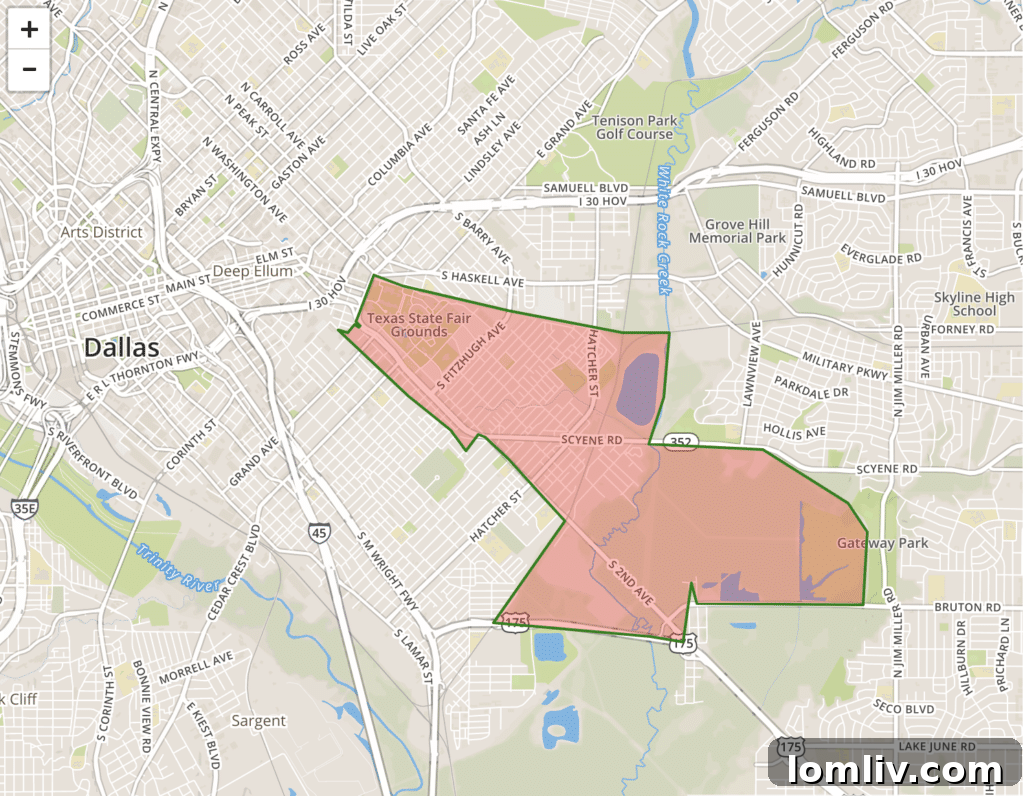
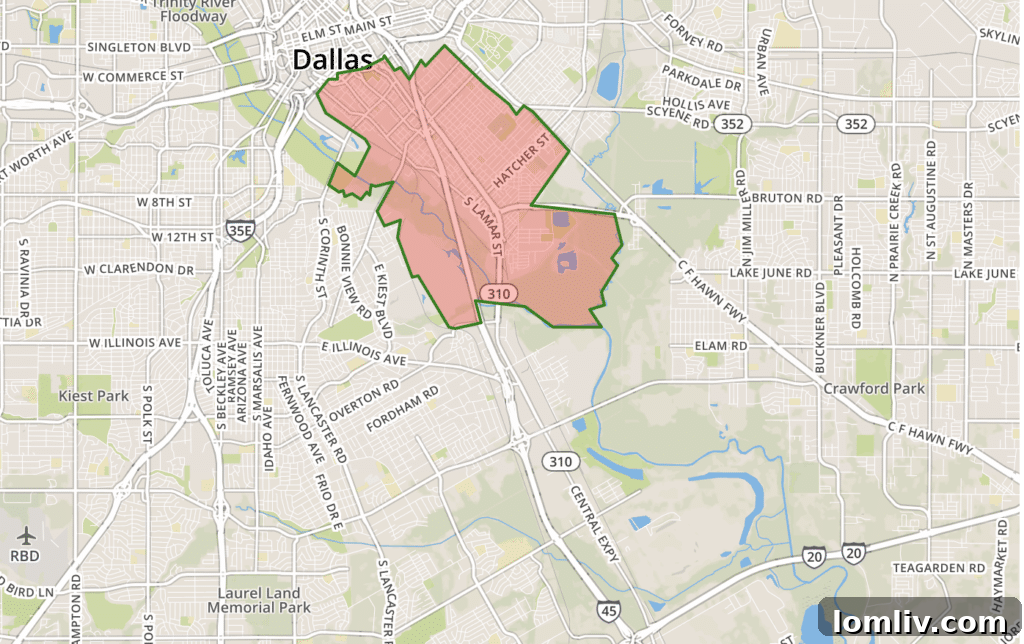
These examples highlight the stark economic disparities reflected in online real estate advertising, where the cost of visibility often correlates directly with the affluence and activity of a given market. It underscores the financial challenges faced by agents operating in less lucrative areas and the intense competition prevalent in more prosperous ones. This context further emphasizes the potential impact of Compass’s transparency model on leveling the playing field, providing a more direct and potentially fairer path to client connections for listing agents regardless of their advertising budget.