In the dynamic world of urban development, few firms possess the unique ability to transform initial community skepticism into enthusiastic support. Developer Matt Segrest, alongside his esteemed firm, Alamo Manhattan, stands as a prime example of this rare talent. Time and again, they’ve demonstrated an extraordinary capacity to engage with potentially hostile groups of residents – such as those in Oak Cliff – and, within a span of just six months, garner a resounding standing ovation. This remarkable transformation isn’t accidental; it’s the product of a deeply ingrained philosophy and a set of core values that guide every aspect of their work.
So, what is the secret behind Alamo Manhattan’s consistent success in navigating complex community landscapes and delivering projects that truly resonate? The answer lies in the bedrock principles that define their team’s ethos. These include an unwavering commitment to being tough, professional, disciplined, and operating with absolute integrity. Crucially, they foster an environment of “no ego,” constantly seeking to learn and adapt. Their approach is never half-hearted; every endeavor is pursued with full dedication and a relentless pursuit of excellence. This robust framework, reminiscent of a highly trained military unit, is no coincidence, as the firm’s leadership has strong ties to such a disciplined background.
The Ethos of Excellence: Humility, Integrity, and Unwavering Dedication
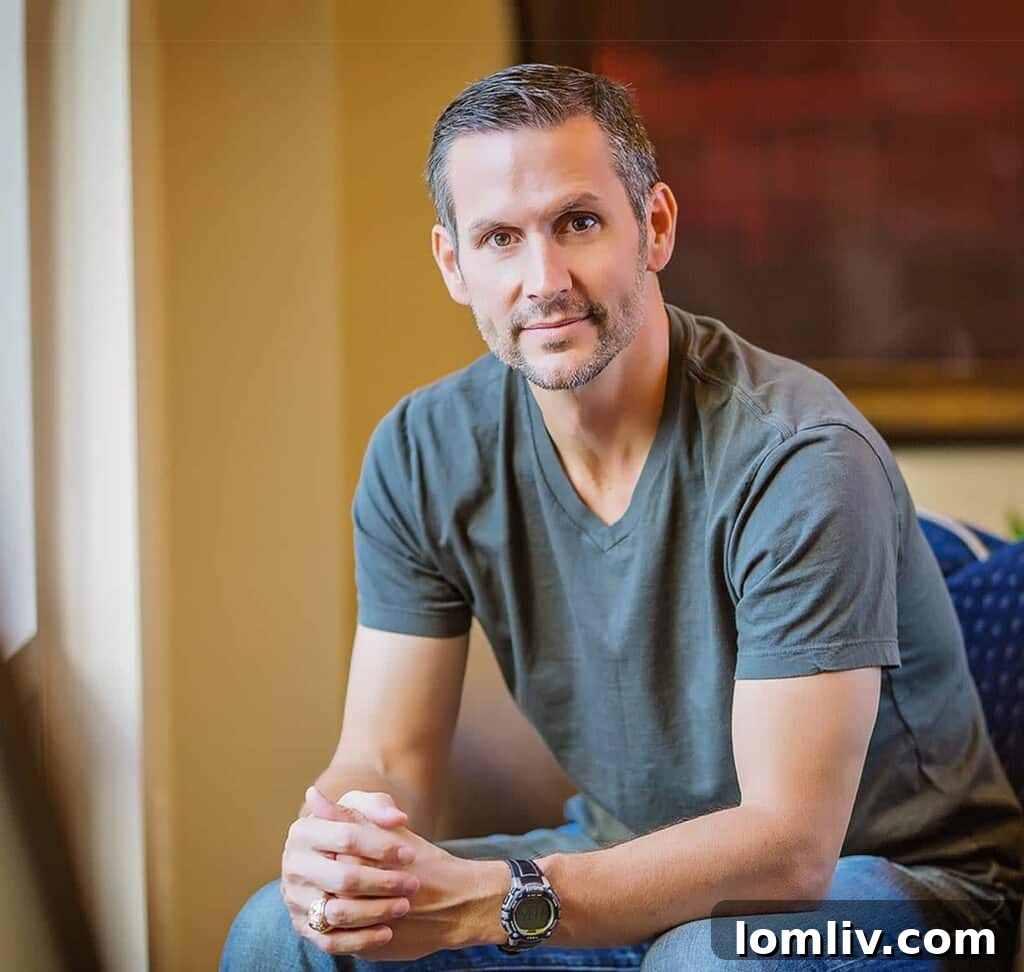
At the helm of Alamo Manhattan is Matt Segrest, a 49-year-old visionary whose leadership is defined by humility and a profound sense of purpose. Segrest co-founded Alamo Manhattan in 2010 with his long-time friend Wade Johns, a comrade from their days in the Texas A&M University Corps of Cadets, where Segrest served with distinction as commander from 1994-95. This background instilled in him the core values of leadership, discipline, and service that continue to shape the firm’s identity today.
Reflecting on the firm’s journey, Segrest often expresses gratitude, acknowledging the fortuitous alignment of his skills and talents with the demands of his profession. “God has blessed this,” Segrest remarked, surveying his bustling office building. “Somehow I wound up in a spot where my skills and talents lined up with the job demands. I really like it; it’s fun. And I work with great people.” This sentiment underscores a key aspect of Alamo Manhattan’s success: a genuine enjoyment of the work and a deep appreciation for the collective talent within the team.
Segrest, a resident of the vibrant Lakewood neighborhood in East Dallas, commutes approximately 17 minutes to his Uptown office. His life is anchored by his unwavering faith in God and his family, which he considers the most important aspects of his existence, in that specific order. This strong personal foundation undoubtedly contributes to his grounded and ethical approach to business, further reinforced by his genuine fondness for his profession. For Segrest, real estate development is more than just building structures; it’s about orchestrating complex visions into tangible realities.
He eloquently describes the land development process as akin to a conductor leading a symphony orchestra. “You don’t play any instruments,” Segrest explained, highlighting his role as a facilitator rather than a singular expert. “You’ve got experts who do your strings and your percussion. The developer provides leadership and vision and we find the money to bring in. We don’t design it or do architecture or engineering. We hire a contractor to build it and we have a company that manages it, but we put it all together. We’re just blessed to have some really brilliant people who work here.” This analogy perfectly encapsulates Alamo Manhattan’s methodology: identifying top-tier talent in various fields and harmonizing their efforts to create cohesive, high-quality developments. The firm’s strength lies not just in its financial acumen but in its ability to bring together and empower a diverse array of specialists, all working towards a shared vision.
The unwavering commitment to quality is a hallmark of every Alamo Manhattan project. “What we do, our efforts, our jobs — this is what we’re giving to the world,” Segrest stated, emphasizing a philosophy that transcends mere commercial gain. “If you give something to the world, it’s got to be good. Everyone on our team buys into that.” This dedication to excellence is fueled by a profound belief in the transformative power of their work. Segrest often speaks of an “element of resurrection” inherent in these projects – the powerful idea of taking something neglected or underutilized and breathing new life into it, ultimately creating something truly beautiful and impactful for the community. This vision extends beyond aesthetics, encompassing functionality, sustainability, and long-term value.

Expanding Horizons: A Portfolio of Transformative Projects
Alamo Manhattan’s impressive track record speaks volumes about their capability and strategic vision. The firm boasts a staggering $805 million in completed projects, with an additional $285 million currently under construction and a robust pipeline of $990 million in future developments. Their influence spans across major urban centers, making them a significant player in the national real estate landscape. Notably, they have established themselves as the largest multi-family developer in Portland, Oregon, a testament to their ability to understand and cater to diverse market needs. Beyond Portland, their footprint extends to bustling cities like Dallas, San Antonio, Austin, Nashville, and Bellevue, Washington, each receiving the same meticulous attention to detail and community-centric approach.
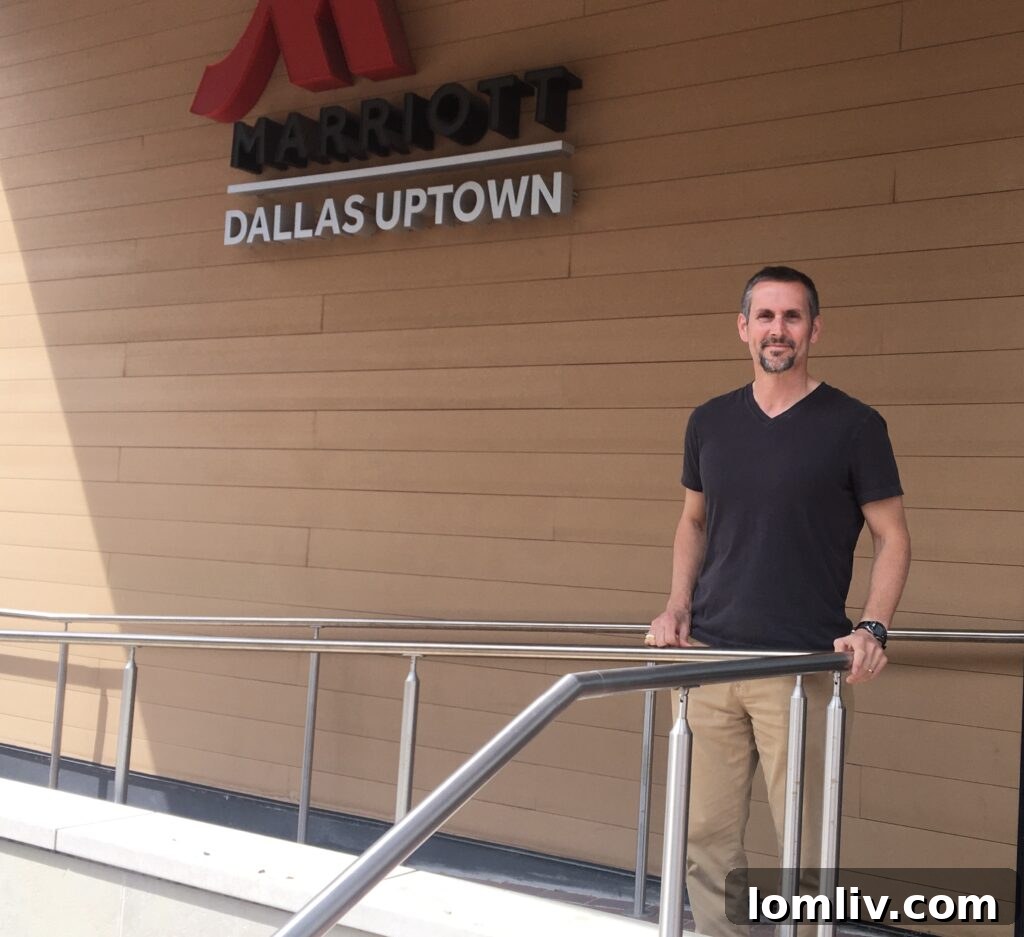
The firm’s expertise isn’t confined to multi-family residences. They recently ventured into the hospitality sector, successfully completing their first hotel, a Marriott, strategically located directly across from Alamo Manhattan’s own Fairmount Street office building. This project, like all others, was undertaken with their characteristic focus on integrating into the local fabric, ensuring it serves not just transient guests but also the surrounding community. In their home city of Dallas, Alamo Manhattan has left an indelible mark with iconic developments such as Monaco, Moda, Routh Street Flats, Victor Prosper, and Stella – each project contributing to the city’s evolving skyline and urban vibrancy.
The Oak Cliff Gateway: A Masterclass in Community-Driven Development
Perhaps the most compelling illustration of Alamo Manhattan’s distinctive approach to development is the Victor Prosper project in North Oak Cliff. This local development, particularly its first phase, cemented the firm’s reputation for genuine community engagement. The path to approval for the $11.25 million in tax-increment financing was anything but smooth, marked by numerous community meetings where initial reactions were far from welcoming.
Dallas is Dallas. People want to live here.
Matt Segrest, President, Alamo Manhattan
“We went in and pitched ideas. We didn’t show any specifics about what we were doing, and there was kind of this neighborhood push-back,” Segrest recounted, recalling the palpable tension. “It was really hostile.” However, rather than retreating or adopting a defensive stance, Alamo Manhattan leaned into its core principle of humility. “Our approach to business is that we want to be humble. One of our ethos is ‘no ego.’ We don’t know everything, we don’t pretend to know everything, and we want to learn. We want to do developments that have a meaningful role.” This philosophy guided their response.
The firm’s commitment to creating developments that truly serve and enhance a community is so profound that if they cannot win over the residents, they simply won’t proceed with a project. “So, on this project, we had a heated meeting, got a lot of feedback,” Segrest explained. “We went back and retooled it, changed the design that really fit the community. We went back and re-presented it again.” This iterative process of listening, adapting, and refining is a testament to their “always learning” ethos. The second presentation, featuring a redesigned plan that directly addressed community concerns and aspirations, was met with an outcome rarely seen in contentious development meetings: a standing ovation from the residents.
“We like to think it’s because we did it the right way,” Segrest stated, reflecting on the powerful moment. “You don’t get angry, you don’t get defensive. You evaluate it and respond to it. Our goal is to do something that everybody is excited about.” This incident perfectly encapsulates Alamo Manhattan’s unique ability to build consensus and deliver projects that genuinely integrate into their surroundings, fostering a sense of shared ownership and pride. Their success at Victor Prosper wasn’t just about constructing a building; it was about building trust and demonstrating respect.

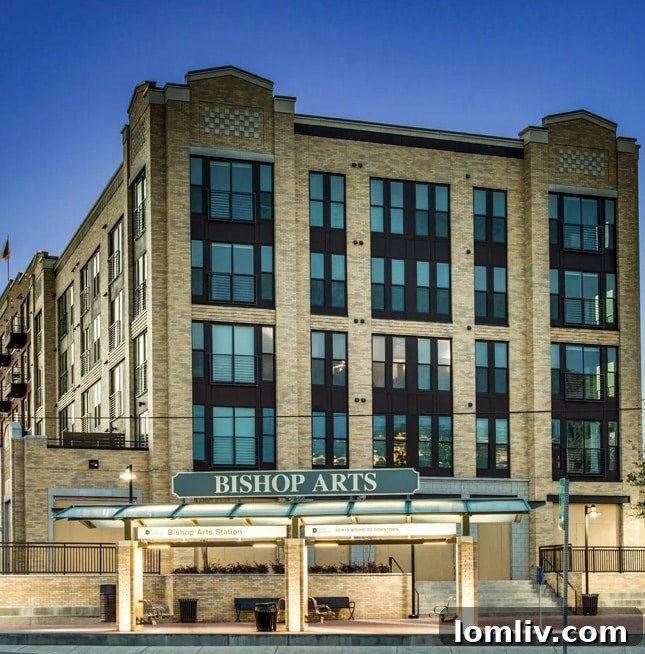
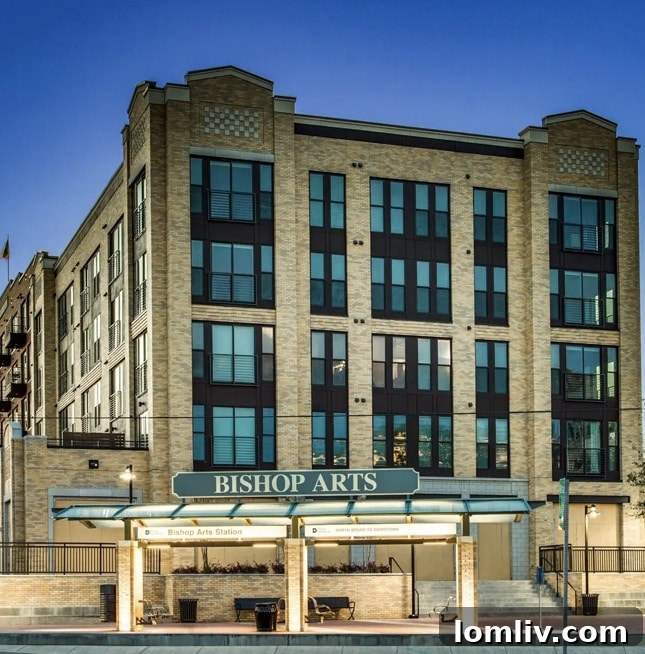
The Victor Prosper project, nestled within Dallas’s vibrant and eclectic Bishop Arts District, showcases Alamo Manhattan’s dedication to architectural authenticity and local character. “This is new construction, but we put a lot of effort into making it feel like the architecture connects to the Bishop Arts District,” Segrest detailed, emphasizing the firm’s commitment to creating structures that look “built like it was built 100 years ago.” This meticulous attention to detail ensures that new developments enhance, rather than detract from, the existing historical fabric of a neighborhood. The positive feedback received on this approach speaks volumes about its success.
Beyond the aesthetic, Victor Prosper also integrates crucial public amenities, including a large public plaza and a streetcar stop, further embedding the development into the community’s daily life. For Phase II, Alamo Manhattan plans to extend this philosophy, maintaining the same architectural aesthetic and collaborating with the city to expand the public plaza across the street. This commitment to “hyperlocal” design is a cornerstone of their strategy. “We want our deals to be hyperlocal. We want it to fit the neighborhood. We don’t do generic stuff,” Segrest asserted. While the typical “podium project” structure of six stories forms a base, Alamo Manhattan rejects a “standard template,” instead opting for bespoke designs that respond intimately to the unique character and needs of each locale.
The unexpected challenges of the COVID-19 pandemic, which reshaped many aspects of urban living and working, surprisingly had little impact on Alamo Manhattan’s ongoing projects or the foundational floor plans of their multi-family developments. Despite a widespread expectation that the shift to remote work would necessitate a surge in demand for one-bedroom dens or dedicated home offices, the market data told a different story. “We thought there would be a transition to people wanting one-bedroom dens because they would want a separate home office,” Segrest noted. “What the data shows is that’s not true. It sounds good in concept, but people don’t want to pay for it.” This agile responsiveness to real market data, rather than assumptions, demonstrates their practical and learning-oriented approach.
Beyond the Horizon: Strategic Growth and Future Endeavors
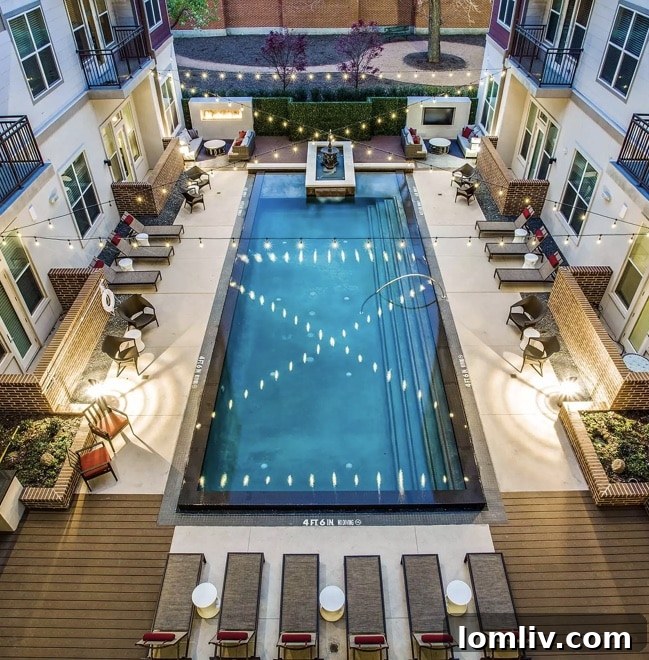
Alamo Manhattan continues its trajectory of strategic growth and thoughtful expansion. The second phase of Victor Prosper, a highly anticipated addition to the Oak Cliff Gateway, is slated to commence construction next month. This ambitious undertaking will feature two new buildings comprising 210 units, rising four levels with wood-framed construction above a concrete podium and a convenient subgrade parking garage. Crucially, Phase II also integrates more than 9,000 square feet of ground-floor commercial space, designed to further enrich the vibrancy and utility of the Bishop Arts District, providing new opportunities for local businesses and services.
Alamo Manhattan’s development strategy is finely tuned to the nuances of each specific market. “We typically build to the top of the sub-market, so North Oak Cliff, the top of the market there is different than the top of the market downtown,” Segrest elaborated. This insight ensures that their projects are not only high-quality but also perfectly aligned with the economic realities and demand profiles of their immediate surroundings, maximizing their value and long-term success. Their ability to gauge and respond to these localized market conditions is a significant competitive advantage.
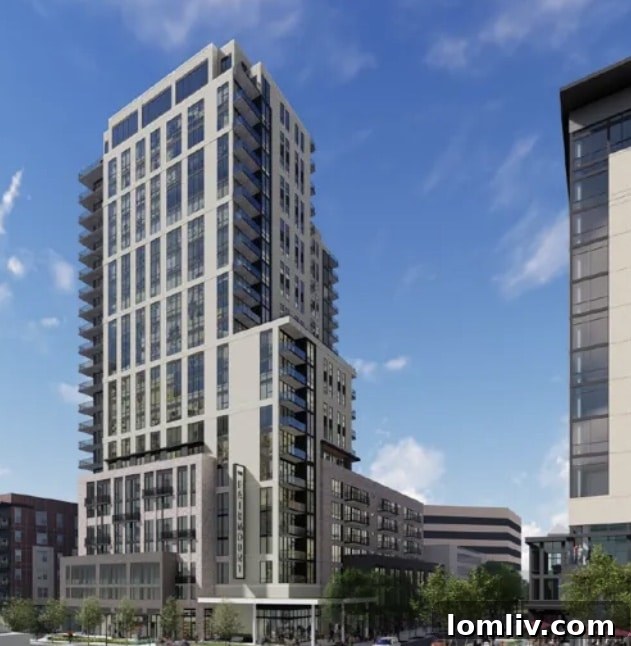
The firm’s future pipeline is robust and geographically diverse. In Dallas, Alamo Manhattan already owns land adjacent to its corporate offices, which has recently been rezoned for an impressive 29-story apartment tower, promising a new landmark on the city’s skyline. Looking south, they have acquired a prime site in Austin, where they plan to break ground on a multi-family development next year, tapping into one of the nation’s fastest-growing markets. Their expansion continues on the West Coast with two new projects in Portland, Oregon, solidifying their position as a leading developer in the Pacific Northwest. Further broadening their portfolio, a new Marriott hotel is planned for Nashville, and another hotel development is in the works for the burgeoning Raleigh-Durham area, underscoring their diversified approach to urban development.
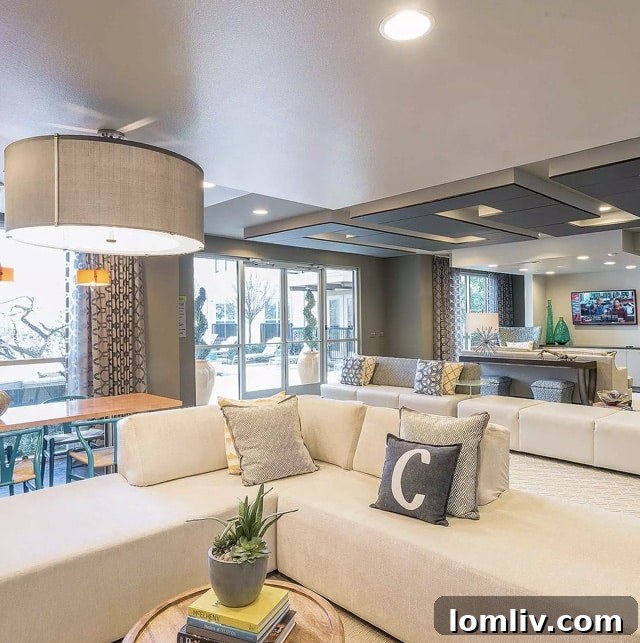
The hospitality sector, as Segrest explains, offers unique and intriguing development opportunities. The dynamic nature of hundreds of rooms being occupied by different individuals every night presents a distinct challenge and reward. When conceptualizing the Marriott on Fairmount, Alamo Manhattan once again prioritized community integration. The design was deliberately crafted to make the hotel lobby function as “a living room for Uptown,” transforming what could be an exclusive space into an inviting communal hub. “We wanted to make it hyperlocal, to feel like Uptown,” Segrest emphasized. “We wanted to engage pedestrians, making it an exciting place to walk by. It’s for the community, not just for guests. Fifty percent of the guests at the bar and restaurant are locals.” This commitment to creating public spaces within private developments exemplifies their community-first approach.
A distinctive feature of Alamo Manhattan’s operational success lies in their ability to consistently secure off-market deals. “Every development deal they’ve done has been an off-market deal,” Segrest revealed. “Our company is good at finding sites.” This proficiency in identifying untapped opportunities before they enter the public market is a testament to their deep industry connections, strategic foresight, and proactive approach to site acquisition, allowing them to secure prime locations often with less competition.
While the market is undeniably “challenging,” grappling with significant spikes in construction costs and fluctuating rental rates, Segrest remains optimistic, particularly about the strategic markets in which Alamo Manhattan operates. “It’s a challenging environment, but also, in the markets where we develop, people are moving here,” he acknowledged. His perspective is grounded in the enduring appeal of key urban centers: “Dallas is Dallas. People want to live here.” This fundamental demand underpins their long-term confidence. Alamo Manhattan’s strategy for navigating these complexities is clear and consistent: “Our plan is to do business a certain way, to treat people a certain way, pursue a certain quality of projects, and execute them efficiently and as well as we can. If we control our process and do that well, good results will come.” This unwavering commitment to process, ethical conduct, and high-quality execution ensures their continued success, solidifying Alamo Manhattan’s reputation as a leader in thoughtful, community-oriented, and impactful urban development.