Unveiling North Texas Home Inspection Secrets: Addressing Common HVAC and Envelope Deficiencies
At Daltxrealestate.com, we are dedicated to empowering our readers with essential knowledge about home ownership and the intricacies of real estate. Our popular series, “Upon Closer Inspection,” provides a unique educational journey, brought to you by the highly detail-oriented team at Green Scene Home Inspections. With an impressive track record of over 7,000 comprehensive home inspections, our experts have identified a consistent set of recurring issues that every homeowner, prospective buyer, and real estate professional in the North Texas region should be keenly aware of.
Through thousands of detailed evaluations, a clear pattern emerges: certain elements of a home are frequently overlooked, and the specific environmental challenges unique to North Texas tend to impact properties in predictable ways. Recognizing these commonalities is not merely about identifying problems; it’s about equipping you with the understanding to make informed decisions. Whether you are diligently maintaining your current residence, planning substantial renovations, or embarking on the exciting venture of purchasing a new property, proactive awareness and preventative measures can translate into significant savings, reduced stress, and enhanced long-term property value.
The Critical Role of Your HVAC System in North Texas Climate
In the often-unpredictable and sometimes extreme climate of North Texas, your Heating, Ventilation, and Air Conditioning (HVAC) system isn’t just a luxury; it’s a necessity that endures immense strain. These units are constantly working overtime, especially during our notorious transitional seasons where temperatures can swing wildly – from requiring heat on a chilly morning, switching to air conditioning in the warm afternoon, and reverting to heating by nightfall. Such demanding conditions put considerable stress on the system, making the HVAC unit a frequent area of concern during home inspections in our region.
Understanding HVAC Age and the Imperative of Maintenance
When assessing the health of an HVAC system, two primary factors demand attention: its age and its comprehensive maintenance history. The typical lifespan of a well-maintained HVAC unit ranges from 15 to 20 years. Systems approaching or exceeding this age often operate with diminished efficiency, are more susceptible to frequent breakdowns, and may be nearing a complete functional failure. Our inspectors meticulously evaluate visible signs of wear, and whenever feasible, confirm the unit’s age using manufacturing date codes found on its data plates. Acquiring this information is crucial for anticipating future financial outlays, such as the potentially substantial cost of a full system replacement, and for budgeting your home’s long-term maintenance effectively.
Beyond its age, the standard of care and maintenance an HVAC system has received is paramount. A system that benefits from regular, professional servicing will invariably perform more reliably and enjoy a longer operational life compared to one that has been neglected. Indicators of inadequate maintenance can include: excessively dirty evaporator or condenser coils, clogged condensate drainage lines, significant rust accumulation, and the presence of unusual operational noises like grinding or banging. These signs often point to underlying issues that, if left unaddressed, can culminate in major system malfunctions, degrade indoor air quality, and result in astronomically high energy bills. Investing in routine professional maintenance is an investment in your home’s comfort, efficiency, and your financial well-being.
The Often-Overlooked Impact of Compromised Ductwork
Even a brand-new, high-efficiency HVAC unit can fall short of its potential if the ductwork responsible for distributing conditioned air throughout your home is deficient. Ductwork, frequently out of sight and out of mind for many homeowners, plays an absolutely critical role in your heating and cooling system’s overall performance and efficiency. A common issue observed during our inspections involves duct runs that incorporate excessively sharp turns. These sharp bends create significant resistance and restrict airflow, much like a kink in a garden hose diminishes water pressure. This not only reduces the volume of air reaching various rooms, leading to uneven temperatures, but also forces your HVAC unit to work harder and longer, consuming more energy and significantly shortening its operational lifespan.
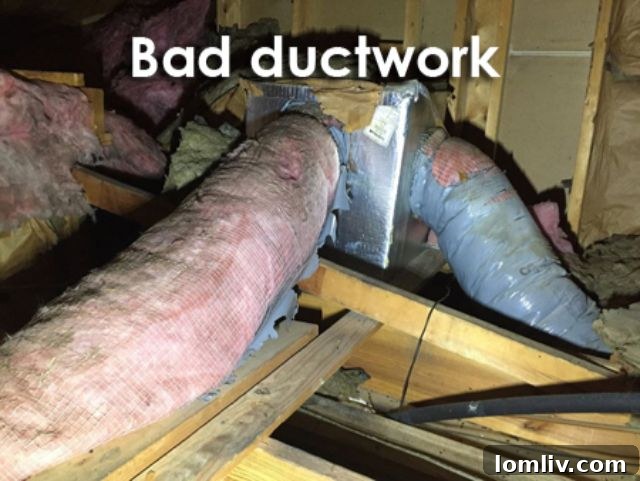
Furthermore, many older properties in North Texas grapple with duct systems that are aged, deteriorating, or have compromised seals and insulation. This silent energy thief allows precious conditioned air to escape into unconditioned spaces such as attics, crawl spaces, or wall cavities. Conversely, unconditioned air, along with dust, allergens, and other contaminants, can be drawn into your living environment from these same areas. This leads to a multitude of problems: persistent hot or cold spots within the home, dramatically increased energy consumption, and a potential decline in indoor air quality. Our experienced inspectors are adept at identifying these often-hidden deficiencies. The image below, for instance, clearly illustrates old, leaking, and disintegrating ductwork—a stark visual of significant energy and air quality compromise. Proactively addressing these ductwork issues can lead to profound improvements in your home’s energy efficiency, comfort levels, and the healthiness of your indoor air.
Ensuring a Sealed Building Envelope: Windows and Doors
Beyond the internal mechanics of your HVAC system, the integrity of your home’s “building envelope” is paramount for maintaining consistent indoor temperatures and achieving optimal energy efficiency. The building envelope essentially acts as the protective barrier separating your conditioned interior living space from the unconditioned exterior environment. Windows and doors are absolutely vital components of this barrier, and if they are not properly sealed, the tremendous effort and energy your HVAC system expends to heat or cool your home can literally escape. Simultaneously, unwanted outside air can infiltrate your living spaces, negating your climate control efforts.
Identifying and Addressing Failed Window Seals
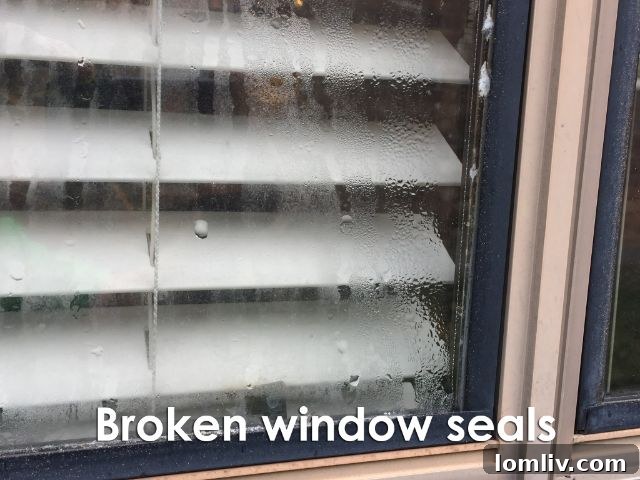
One of the most common and easily recognizable signs of a compromised building envelope relates specifically to window seals. Over time, the hermetic seal in multi-pane (double or triple-pane) windows can degrade and fail, allowing moisture-laden air to penetrate the space between the glass panes. The unmistakable visual cue for this issue is condensation or persistent fogging that appears *between* the layers of glass, as vividly depicted in the image below. It’s crucial to differentiate this from condensation on the interior or exterior surface of the glass, which is often normal and indicates humidity levels. Condensation trapped *inside* the panes definitively signals a broken seal. This compromise severely degrades the window’s insulating properties, leading to substantial energy loss, uncomfortable drafts, and ultimately, higher heating and cooling costs.
A broken window seal not only negatively impacts energy efficiency but also significantly diminishes the clarity of your view and the overall aesthetic appeal of your home. While the glass itself remains intact, the window’s thermal performance is severely compromised. Addressing failed window seals can range from replacing just the insulated glass unit (IGU) to, in more widespread or severe cases, the complete replacement of the window unit. Professional home inspectors meticulously check for these specific signs, providing homeowners with clear, actionable evidence of areas requiring attention to prevent further energy waste, enhance thermal comfort, and preserve the structural integrity of the window itself.
The Essential Role of Properly Sealed Doors and Frames
In a similar vein to windows, doors and their surrounding frames can be significant culprits for energy loss if they are not adequately sealed. Gaps around door frames, worn-out or deteriorated weatherstripping, or even doors that are improperly aligned in their frames can allow substantial drafts and facilitate unwanted heat transfer. During a home inspection, professionals employ various techniques to identify these deficiencies, including visual inspections, thermal imaging to detect temperature differentials, and simple yet effective methods like the “dollar bill test” to pinpoint air leaks. Ensuring your doors are properly sealed with effective, intact weatherstripping and tight-fitting thresholds is a relatively inexpensive and highly impactful way to significantly enhance your home’s energy efficiency and overall comfort. This attention to detail should extend beyond just your main entry doors to include patio doors, sliding glass doors, garage entry doors, and any other external access points.
Comprehensive HVAC External Unit Inspection: A Deeper Dive
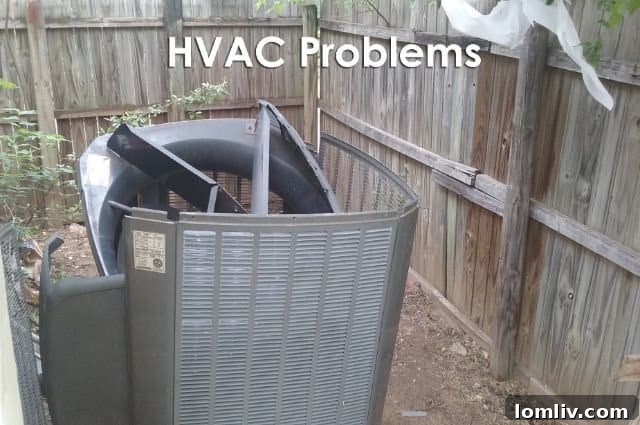
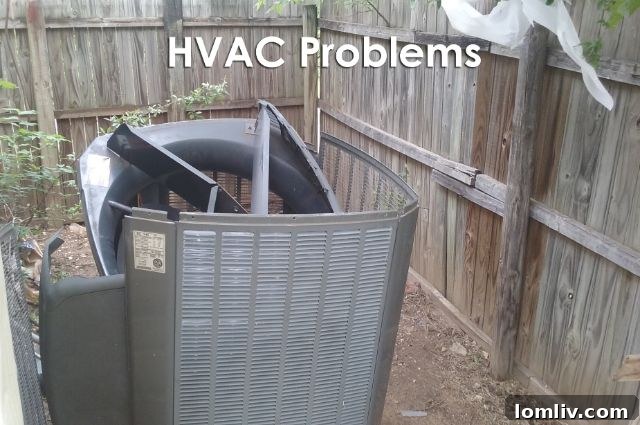
While discussions often center on internal home components, the outdoor unit of your HVAC system—the condenser for air conditioning and potentially a heat pump—is equally vital and directly exposed to the relentless elements. Regular, thorough inspections of this external unit are absolutely critical for ensuring its optimal performance, prolonging its lifespan, and maintaining the efficiency of your entire system. Our experienced Green Scene Home Inspectors meticulously examine a variety of critical aspects of the external unit to confirm it is operating efficiently, safely, and without undue wear.
Key areas of focus during a comprehensive external HVAC unit inspection include:
- Condenser Coil Cleanliness: The delicate condenser coils must be kept clear of dirt, dust, leaves, grass clippings, and other debris. Clogged coils severely restrict airflow and impede the unit’s ability to dissipate heat effectively, forcing the system to work harder, consume more electricity, and potentially overheat.
- Fan Operation and Condition: The fan motor and blades should operate smoothly and quietly, without excessive vibration, grinding noises, or visible damage. A malfunctioning or inefficient fan can lead to poor heat exchange, system overheating, and eventual failure.
- Refrigerant Lines: Inspectors carefully check for any visible signs of refrigerant leaks, damage to the copper lines, or inadequate insulation on the larger suction line, all of which can compromise system efficiency and performance.
- Electrical Connections and Wiring: All exposed wiring, conduits, and electrical components are inspected for proper connections, signs of fraying, corrosion, or potential fire hazards, ensuring safe operation.
- Unit Levelness: The outdoor unit should rest securely and level on a sturdy, dedicated pad. A tilted unit can place undue stress on internal components, leading to premature wear and failure.
- Adequate Clearance: Maintaining sufficient clearance around the external unit is crucial for proper airflow and heat dissipation. Obstructions from dense bushes, fences, storage units, or other structures can severely impede performance and lead to inefficient operation.
- Condensate Drainage (Indirectly): While the primary condensate drain is typically indoors, inspectors assess for any signs of water pooling near the outdoor unit that could indicate related issues with the system’s ability to manage moisture.
Understanding these detailed inspection points helps homeowners appreciate the professional expertise and meticulous attention that Green Scene Home Inspections brings to every property evaluation. For a dynamic visual demonstration and a deeper exploration into what our certified inspectors diligently look for when assessing the external HVAC unit and other common home deficiencies, we invite you to watch the insightful video below. It offers practical, expert-driven insights directly from one of our seasoned inspectors, highlighting precisely what we examine to ensure your home’s vital systems are in optimal condition and safeguarding your investment.
Embracing Proactive Home Maintenance: Your Ultimate Defense
Equipped with the comprehensive knowledge of these commonly observed deficiencies, homeowners throughout North Texas are empowered to adopt a more proactive and strategic approach to their home maintenance. Implementing regular professional HVAC servicing, routinely checking your windows and doors for signs of failed seals or deteriorated weatherstripping, and remaining vigilant for any indicators of discomfort or unusual spikes in your utility bills are all indispensable steps. An annual, thorough inspection conducted by a qualified professional can effectively identify minor issues early on, preventing them from escalating into far more extensive and costly repairs down the line. For those navigating the complexities of buying or selling a property, a meticulous home inspection performed by trusted experts like Green Scene Home Inspections offers invaluable peace of mind, strengthens negotiation positions, and ultimately protects your investment.
Ultimately, investing in the robust health of your home’s critical systems is a direct investment in its enduring value, your daily comfort, and your long-term financial stability. Stay connected for more unparalleled expert insights in our “Upon Closer Inspection” series, where we are committed to demystifying the entire home inspection process and arming you with the crucial knowledge required to safeguard your most valuable asset.