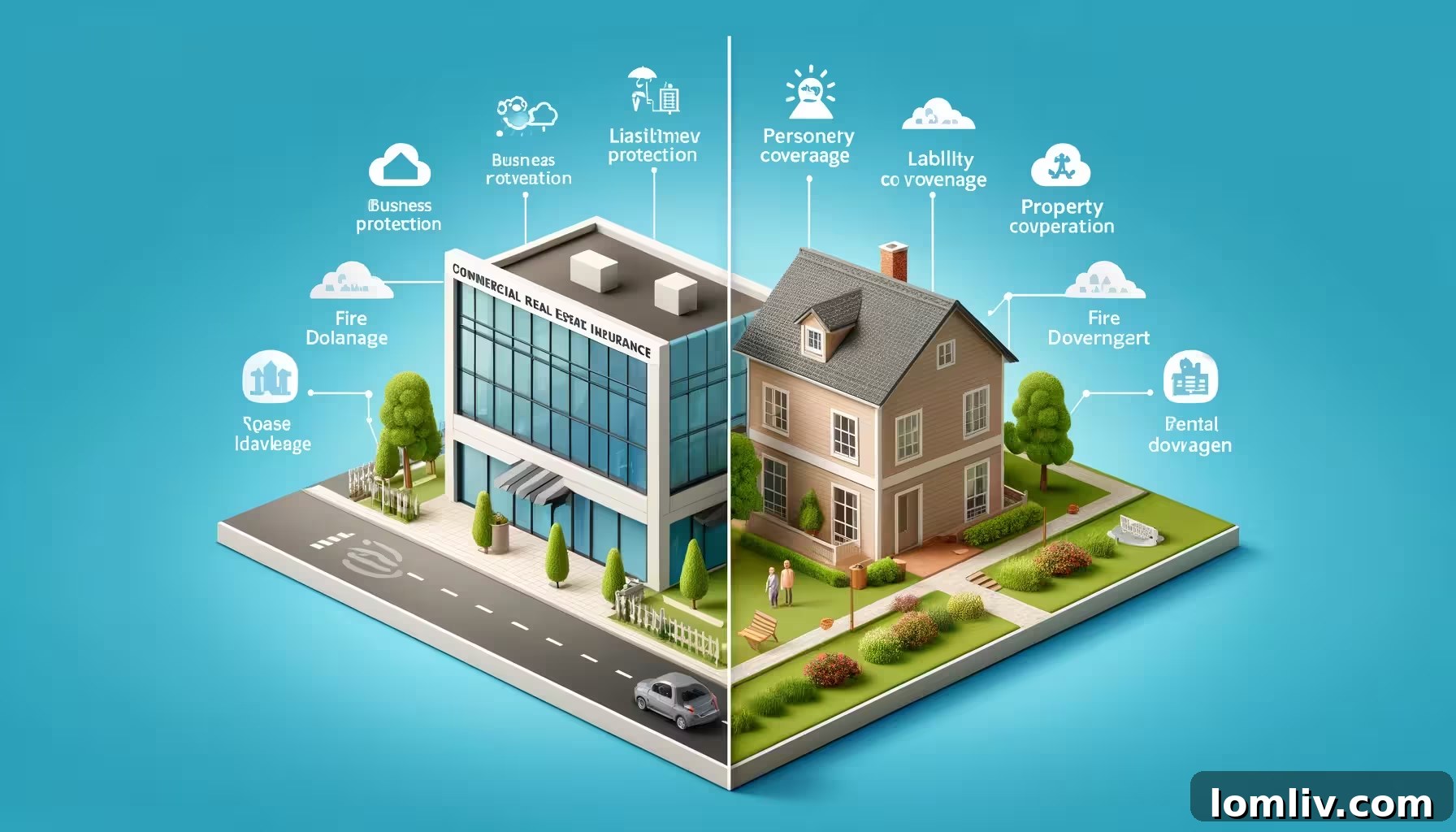
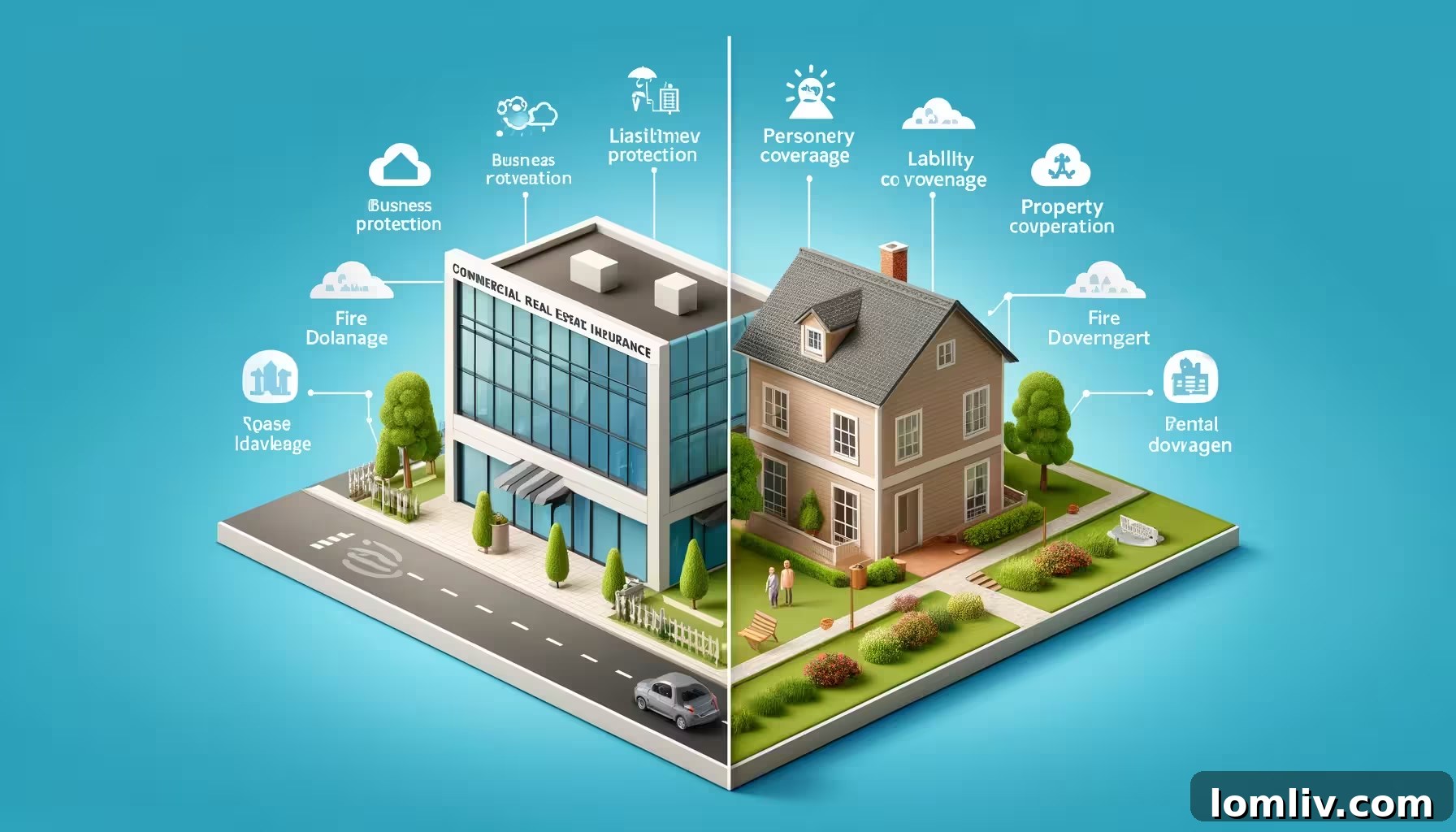
Navigating the complex world of insurance can be daunting, especially when distinguishing between policies designed for personal use and those tailored for business. A common area of confusion lies between commercial real estate insurance and homeowners insurance. While both offer crucial protection for valuable property investments, their scopes, coverages, and underlying principles differ significantly. Understanding these distinctions is not just a matter of semantics; it’s essential for ensuring adequate protection for your assets and mitigating potential financial risks.
This comprehensive guide will demystify these two critical types of property insurance, breaking down their unique features, typical coverages, and the specific needs they address. By the end, you’ll have a clear understanding of which policy aligns with your property ownership circumstances, whether you’re safeguarding your family home or protecting a multi-million dollar business venture.
Understanding Commercial Real Estate Insurance
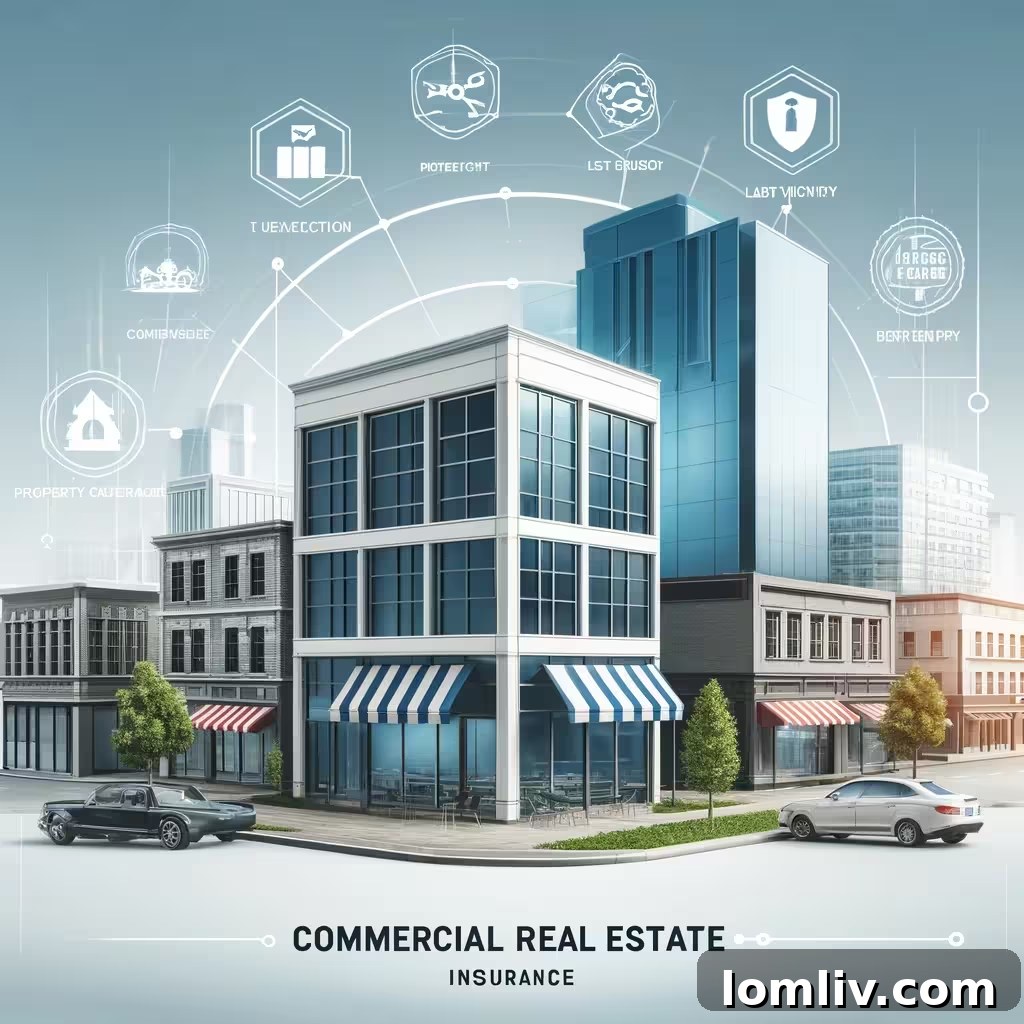
Commercial real estate insurance is a specialized form of coverage designed to protect properties used for business purposes, along with the assets and operations within them, from a wide array of unforeseen disasters and liabilities. This type of insurance is vital for anyone owning, managing, or investing in commercial properties, from small retail shops to sprawling office complexes and industrial warehouses.
Imagine an office building in a bustling downtown area, filled with employees, clients, and valuable equipment. A sudden fire erupts, causing extensive structural damage and forcing a temporary closure. Or, a customer slips on a wet floor in the lobby, sustaining an injury and filing a substantial lawsuit. In such scenarios, commercial real estate insurance steps in as a financial shield, preventing significant out-of-pocket expenses and potential business collapse.
Key Coverages of Commercial Real Estate Insurance:
While policies can be highly customized, commercial real estate insurance generally includes several core components:
- Property Damage Coverage: This is the cornerstone of commercial real estate insurance, protecting the physical structure of your commercial building and its contents. This includes everything from the foundation, walls, and roof to interior fixtures, furniture, equipment, machinery, inventory, and even landscaping. Coverage typically extends to perils like fire, windstorms, hail, vandalism, and theft. The limits for property damage are often much higher than in homeowners policies, reflecting the greater value of commercial assets.
- Commercial General Liability (CGL) Claims: Liability protection is paramount for any business. CGL insurance safeguards your business from financial losses arising from third-party claims of bodily injury or property damage that occur on your premises or as a result of your business operations. This could cover a customer tripping and falling, a delivery person being injured, or accidental damage to a client’s property. It also typically covers legal defense costs, settlements, and judgments.
- Business Interruption (or Business Income) Coverage: A crucial component for any operating business, this coverage helps recover lost profits and income if your business has to temporarily cease operations or scale back due to a covered event (e.g., fire, storm damage). It can also cover ongoing operating expenses like rent, payroll, and utilities during the restoration period, helping to ensure your business can recover and reopen without suffering insurmountable financial losses.
Additional Coverages and Considerations:
The specific nature, location, and operations of a commercial enterprise often necessitate additional, specialized coverages. These can include:
- Flood and Earthquake Insurance: Standard commercial policies typically exclude damage from floods and earthquakes. If your property is in an area prone to these natural disasters, purchasing separate flood or earthquake insurance is essential.
- Equipment Breakdown Coverage: If your business relies on specialized machinery, HVAC systems, or other critical equipment, this coverage protects against financial losses due to unexpected mechanical or electrical breakdowns.
- Cyber Liability Insurance: With the increasing threat of data breaches, this protects businesses from expenses related to cyberattacks, including data recovery, legal fees, notification costs, and reputational damage.
- Loss of Rent/Rental Income: For commercial landlords, this covers lost rental income if a tenant’s space becomes uninhabitable due to a covered peril.
- Workers’ Compensation: While not part of traditional property insurance, this is a mandatory coverage for most businesses with employees, providing benefits for work-related injuries or illnesses.
- Ordinance or Law Coverage: Covers the additional costs of repairing or rebuilding a property to meet current building codes after a covered loss, which can be significantly more expensive than simply rebuilding to the old standards.
The complexity and scope of commercial real estate insurance make working with a knowledgeable commercial insurance agent indispensable to tailor a policy that precisely fits your business’s unique risk profile.
What is Homeowners Insurance?

Homeowners insurance acts as a vital safety net for your personal residence, providing financial protection against unforeseen events that could damage or destroy your home and belongings, as well as liability for incidents occurring on your property. It’s designed to protect your most significant personal asset and provide peace of mind for you and your family.
Consider a vibrant community like Kingwood, Texas, where homeowners face unique risks, such as windstorms and other natural disasters common to the Houston area. A robust Kingwood home insurance policy becomes indispensable for protecting against these specific regional challenges, ensuring that residents can rebuild and recover quickly after an unfortunate event.
Core Coverages of Homeowners Insurance:
Standard homeowners insurance policies typically encompass four main types of coverage:
- Dwelling Coverage: This is the portion of your policy that covers the physical structure of your house, including its foundation, walls, roof, attached garages, and permanent fixtures (like built-in appliances and cabinetry). It protects against “covered perils,” which are the specific events listed in your policy, such as fire, lightning, windstorms, hail, vandalism, and theft. The goal is to provide sufficient funds to repair or rebuild your home to its original condition.
- Personal Property Coverage: This insures the value of your personal belongings, both inside your home and sometimes even when they are temporarily away from your property. This includes furniture, clothing, electronics, jewelry, and other household items. Coverage is typically provided for loss due to covered perils like fire, theft, or vandalism. It’s important to periodically inventory your possessions to ensure adequate coverage limits.
- Liability Protection: Homeowners liability coverage protects you financially if you are legally responsible for injuring another person or damaging their property, whether the incident occurs on your property or elsewhere. For example, if a guest slips and falls on your icy porch, or your child accidentally breaks a neighbor’s window, this coverage can help pay for medical expenses, property repairs, and legal defense costs.
- Additional Living Expenses (ALE) / Loss of Use: Also known as “loss of use” coverage, ALE provides for necessary living expenses above your normal costs if your house becomes uninhabitable due to a covered loss. This can include temporary housing (hotel stays), meals, and other essential services while your home is being repaired or rebuilt, ensuring you and your family have a place to stay without incurring significant financial strain.
Types of Homeowners Policies and Exclusions:
There are various types of homeowners policies (HO-1, HO-2, HO-3, HO-5, HO-6 for condos, HO-8 for older homes), with HO-3 and HO-5 being the most common. HO-3 policies offer “open peril” coverage for the dwelling (meaning it covers all risks except those specifically excluded) and “named peril” coverage for personal property. HO-5 offers “open peril” coverage for both the dwelling and personal property, providing broader protection.
It’s crucial to understand common exclusions from standard homeowners policies. These typically include damage from:
- Floods (requires separate flood insurance, often through the NFIP).
- Earthquakes (requires separate earthquake insurance).
- Poor maintenance or neglect (e.g., mold from unrepaired leaks).
- Pest infestations (termites, rodents).
- War or nuclear hazards.
Homeowners can often enhance their coverage with endorsements or riders for specific needs, such as scheduled personal property for high-value items (jewelry, art), water backup coverage, or identity theft protection.
Difference Between Commercial Real Estate Insurance and Homeowners Insurance
While both commercial real estate insurance and homeowners insurance aim to protect property, their fundamental differences stem from the nature of the assets they cover, the risks involved, and the financial implications of a loss. Here’s a detailed comparison:
| Aspect | Commercial Real Estate Insurance | Homeowners Insurance |
|---|---|---|
| Scope of Coverage | Designed for business operations, often requiring higher coverage limits due to greater property values, business assets, and operational risks. | Tailored to cover personal residences, personal belongings, and personal liability. Limits reflect residential property values. |
| Types of Properties Insured | Covers a wide range of properties, including office buildings, retail spaces, industrial warehouses, multi-family investment properties, and vacant commercial land. | Primarily covers owner-occupied single-family homes, condominiums (HO-6), townhouses, and manufactured homes. |
| Coverage Parts | Includes specialized coverages such as Business Income (lost profits), Equipment Breakdown, Cyber Liability, Loss of Rent, and Ordinance or Law coverage. | Focuses on Dwelling, Personal Property, Personal Liability, and Additional Living Expenses (loss of use). |
| Risk Factors | Involves generally greater and more complex risks due to increased foot traffic, employee presence, specialized equipment, inventory, public access, and industry-specific hazards. Potential for larger liability claims. | Primarily addresses risks like theft, fire, personal liability, and natural disasters common to residential living. Risks are generally less complex than commercial settings. |
| Premium Costs | Generally significantly higher due to larger property values, more extensive and complex risks, higher liability exposures, and the potential for substantial business interruption losses. | Typically lower, as the policy is designed for personal residences and the associated, generally lower, risks and liability exposures. |
| Underwriting Process | More complex and extensive, requiring detailed risk assessments, property inspections, and analysis of business operations, financials, and industry-specific hazards. | Relatively simpler, based on property characteristics, location, construction type, claim history, and sometimes credit scores. |
| Target Audience | Property investors, business owners, landlords, property managers, and entities with commercial interests. | Individual homeowners and residents. |
The distinction between these two insurance types is crucial because misinsuring a property can lead to devastating financial consequences. For instance, attempting to cover a commercial property with a homeowners policy would leave significant gaps in liability, business income, and property protection, almost certainly resulting in uncovered losses in the event of a claim. Conversely, a homeowners policy is sufficient for a personal residence and offers specific protections not needed for a commercial entity, like personal effects coverage.
Commercial policies are designed to accommodate the dynamic and often higher-stakes environment of business. They factor in the presence of employees, customers, inventory, specialized equipment, and the potential for lost revenue when operations are disrupted. Homeowners policies, on the other hand, focus on the more static and personal aspects of a dwelling, ensuring the homeowner’s living situation and personal assets are protected.
Furthermore, the regulatory and legal frameworks governing commercial insurance can be more intricate, often requiring compliance with specific industry standards and liability limits that differ from personal lines of insurance.
Making the Right Choice: Your Property, Your Protection
Understanding the fundamental differences between commercial real estate insurance and homeowners insurance is paramount for any property owner. A good number of properties warrant the need for having the right insurance that will help in cushioning one from different liabilities and risks. The needs and risks associated with the property—be it a multi-tenant office building or a cherished family house—are unique and demand tailored insurance solutions.
My advice? Take some time to thoroughly assess your insurance needs. Consider the primary use of your property, the types of assets you need to protect, potential liability exposures, and any specific risks associated with its location or operation. Once you have a clear picture, work with a knowledgeable insurance agent who can help you understand the in-depth facts of each kind of insurance. An experienced professional can guide you through the intricacies of policy options, help you evaluate appropriate coverage limits, and identify any necessary endorsements or specialized policies.
Make sure what you are covered by actually lines up with your individual circumstances and risks. Review your policies regularly to ensure they stay current and provide appertaining coverage as your property’s value, usage, or surrounding environment changes. Asset protection is not just about having insurance; it’s about having the right kind that fits your specific needs and provides comprehensive peace of mind.
Clinton D. Richey is an independent insurance agent and the owner of Richey Insurance Agency in Kingwood, Texas. He dedicates himself to making sure he is rewarded multiple times over by serving the great state of Texas with holistic insurance solutions that are tailor-made to fit individual needs, for both residential and commercial clients. LinkedIn: Clinton D. Richey