The Enduring Saga of Plano’s Collinwood House: A Historic Treasure Finds Its New Home
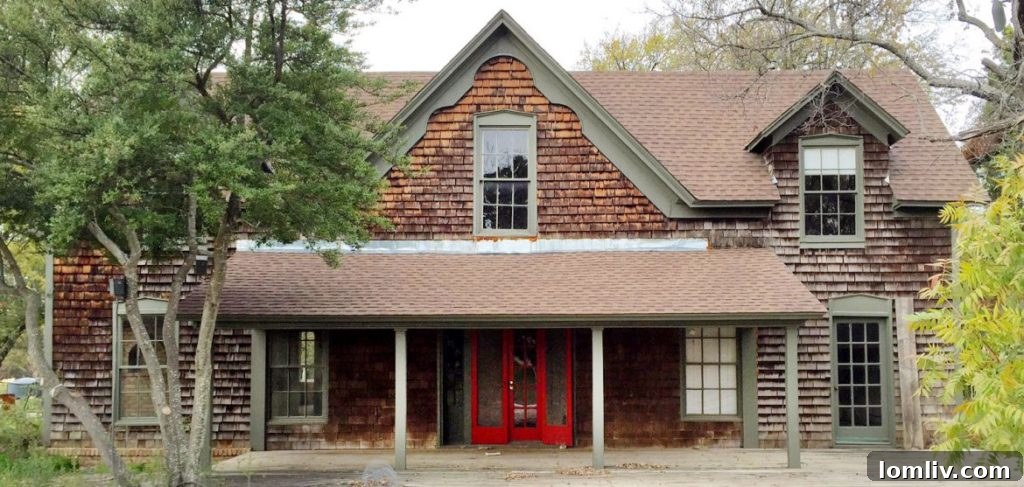
In a story that has captivated preservationists and residents alike, the Collinwood House, an architectural marvel from 1861, has long been at the center of a dramatic quest for survival. This sprawling 3,200-square-foot Gothic Revival home, nestled in far west Plano at 5400 Windhaven Parkway near the Dallas North Tollway, was once on the brink of demolition. Its future was uncertain, facing the formidable challenge of relocation to make way for a sprawling city park. What seemed like an insurmountable hurdle has finally found a resolution, culminating in a triumphant return to its roots and a new chapter in its storied history.
A Unique Proposition: When a City Pays You to Preserve a House
For years, the Collinwood House stood as a poignant symbol of a city’s struggle to balance urban development with historic preservation. The city of Plano, planning for the expansive Windhaven Meadows Park, found itself with a significant historic structure directly on its future parkland. The predicament was clear: save the house or dismantle it. Recognizing its undeniable historical value, Plano embarked on an extraordinary endeavor, offering a quarter of a million dollars ($250,000) to any willing party prepared to relocate this rustic beauty onto their own land, ideally within Plano itself. This wasn’t merely an incentive; it was a desperate plea to ensure the house’s survival, offering a lifeline far preferable to the painful alternatives of deconstruction or meticulously documenting its materials as it was demolished – options that had lingered on the table for years.
The concept of a city paying a prospective owner to move a house rather than demolish it is as rare as it is compelling. It underscores the profound challenges and significant costs associated with relocating a structure of this age and size. Unlike a typical real estate transaction, the Collinwood House’s “sale” came with a substantial financial incentive, reflecting the complexity and expense involved in transporting a 157-year-old dwelling while preserving its structural integrity. This unique proposition highlighted the depth of the city’s commitment, albeit a costly one, to save a tangible piece of its past and ensure its architectural heritage was not lost to progress.
The Oldest Home in Plano: A Chronicle of Perseverance
The Collinwood House isn’t just an old building; it holds the distinction of being the oldest-known home in Plano, predating the city’s formal incorporation in 1873. Its very existence is a testament to the region’s early settlement and architectural heritage, offering a tangible link to the past. The house’s journey has been anything but smooth, marked by numerous reprieves and a tumultuous public debate that has played out over the better part of a decade. From facing the bulldozer’s blade to becoming the subject of bond elections, this home has endured more dramatic twists than a daytime soap opera, earning it the ironic moniker, “the house that no one wants.” Yet, beneath this headline, lies a rich tapestry of history waiting to be uncovered, a story of community efforts and the enduring spirit of preservation.
From Public Ownership to Dedicated Advocacy: The Battle to Save Collinwood
The Collinwood House’s story is inextricably linked to the Haggard family, one of Plano’s pioneering settler families. The house originally came into the city’s possession in 2009 when Plano acquired land for the 124-acre Windhaven Meadows Park. As plans for the park advanced, the historic home became an obstacle, leading to serious considerations for its removal.
It was at this critical juncture that a fervent movement for preservation began. Preservationists, including the highly dedicated advocate Candace Fountoulakis, spearheaded the Collinwood Consortium, a passionate group of active residents who rallied to save the building from immediate deconstruction. Fountoulakis extensively researched and wrote about the property in publications like Plano Magazine, illuminating its profound historical significance and the urgent need for its protection. “This house has a lot of secrets that have not been uncovered,” Fountoulakis noted, hinting at the hidden depths of its past and the potential discoveries awaiting future research.
Over the years, the city made multiple attempts to find a willing custodian for the property. As early as 2014 and 2015, Plano offered to give away the Collinwood House to any qualified owner who would bear the substantial costs of its relocation and restoration. However, the daunting logistical and financial burden of moving a 157-year-old structure proved to be a significant deterrent. Many feared that such a complex move could compromise the structural integrity of even a less fragile home, let alone one of this age and architectural complexity. The prospect of undertaking such a project without significant external aid left many potential benefactors hesitant.
In early 2016, a critical window of opportunity emerged when conservationists were given a few months to raise substantial funds and present a viable business plan for the home. Despite assembling a comprehensive plan and successfully raising a half-million dollars through dedicated fundraising efforts, their valiant attempts fell short of the city’s “magic number” of $1.5 million. The dream of saving the house through private funding seemed to slip away, leaving its future once again in jeopardy.
The fate of the Collinwood House then landed directly in the hands of Plano taxpayers. In a pivotal May 2017 bond election, voters were asked to decide on a measure that included funds specifically for the house’s restoration, along with other unnamed preservation projects. By a narrow margin of fewer than 600 votes, taxpayers rejected the bond measure. The city’s estimated cost for the project had by then escalated to $3.5 million, and public sentiment, weary of the standalone referendum and escalating costs, resulted in another significant setback for the venerable home. Once again, the Collinwood House found itself without a willing taker, teetering precariously on the edge of permanent loss and prompting concerns about its ultimate demise.
Gothic Revival Grandeur: Architectural Details of a Civil War-Era Home
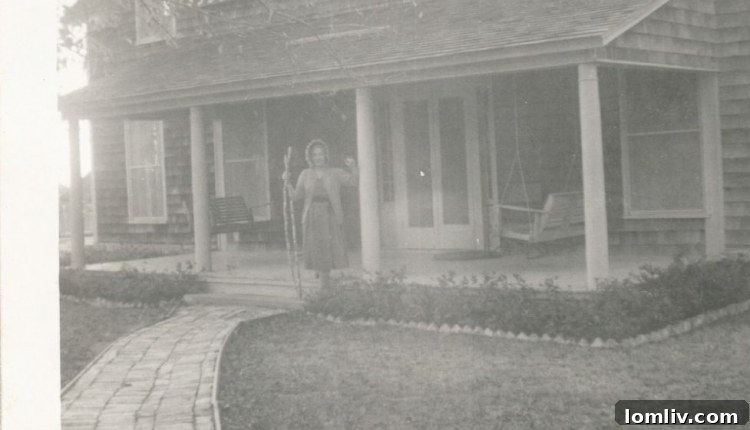
Constructed in 1861 by the Fox Brothers, the Collinwood House is a quintessential example of the “I-house” style, a popular form of residential architecture in the 19th-century American South, infused with striking Gothic Revival elements. Strategically built on the highest elevation of the surrounding land, it commands a presence that speaks to its original grandeur and the meticulous planning of its builders. A year after its initial construction, it was sold to the Haggard family, who moved their farmstead to this new residence and occupied it for two generations until they sold it in the late 1930s. This rich lineage and the architectural significance were meticulously documented by Quimby McCoy Preservation Architecture, a firm hired by the city to research the property’s detailed history.
The facade of the Collinwood House is a remarkable showcase of the Gothic Revival style. Key features include distinctive pointed arch windows, which are characteristic of the period, as well as exposed framing timbers and steep, vaulted roofs adorned with cross-gables. This one-and-a-half-story carpenter house was built from robust, hand-hewn timbers, felled directly from the local area, illustrating the self-sufficiency, resourcefulness, and exceptional craftsmanship of its original builders. Remarkably, its original clapboard siding remains largely intact beneath the wood shingle siding that was added in the mid-1900s, hinting at the historical layers that comprise the home.
Further architectural scrutiny reveals a wealth of original details that speak to its unique design. The north face of the home, for example, proudly displays two classic arched Gothic Revival windows on the second floor. Aside from the later shingle siding, this side of the house remains virtually unchanged from its construction nearly 160 years ago, offering a true glimpse into the past. The strategic absence of windows on the first floor at this end was a practical consideration, given that the room received ample light from windows along its east and west walls, reflecting the pragmatic design principles of the era when glass was a costly commodity and efficiently utilized.
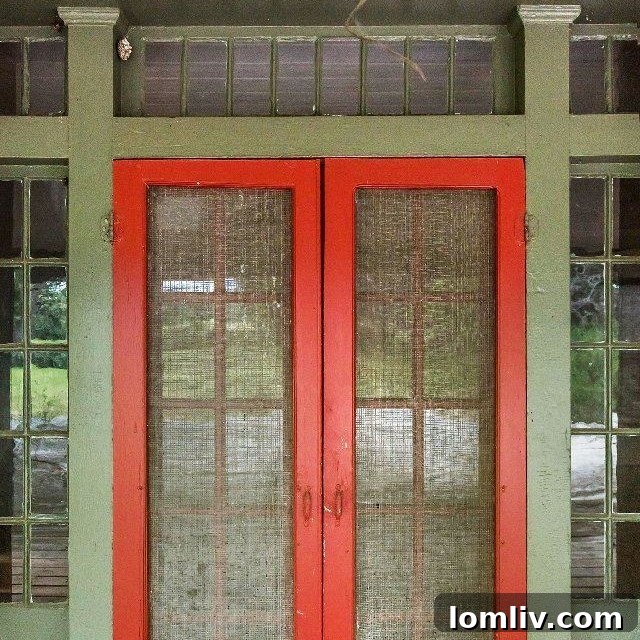
The entry itself is a study in contrasting elegance, featuring a prominent Greek Revival entryway complete with an ornate transom and delicate sidelights that collectively contain an impressive 32 panes of glass. This detail subtly blends two distinct architectural styles, creating a unique visual appeal and highlighting the period’s evolving design preferences. Additionally, the home boasts a rare half cellar, which some experts believe may even predate the house itself, adding another layer of historical intrigue and suggesting a deeper connection to the land. The Greek Revival style is typically characterized by full-building width porches, entryway columns scaled to the porch type, and a front door framed by narrow rectangular windows – elements that are thoughtfully integrated into Collinwood’s design, making it a compelling study in regional architectural history.
The Challenge of Preservation: Unveiling Layers of Time and Modern Interventions
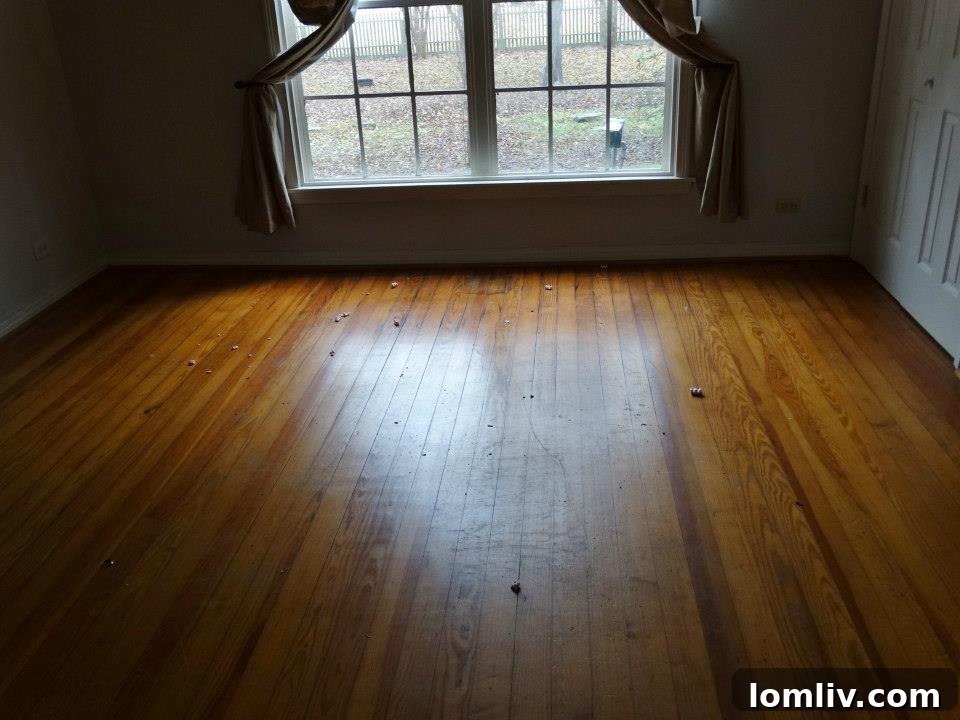
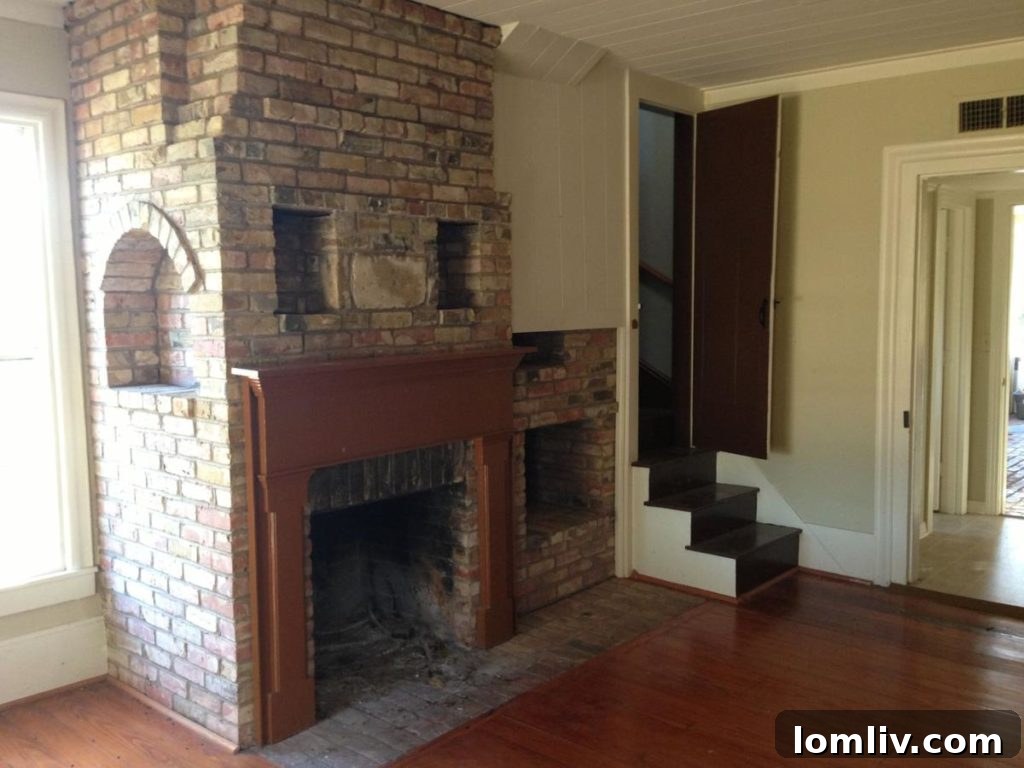
Despite its profound historical significance, the Collinwood House faced substantial hurdles in achieving formal landmark protection status. Later additions, particularly a sun porch built in the 1970s, have significantly altered its original appearance. As detailed in Quimby McCoy’s comprehensive 2014 report, many of the original, historic floor, ceiling, and wall finishes have been unfortunately obscured by these more modern interventions. Andrea Hamilton, an architect with Quimby McCoy, succinctly noted, “In its current condition, it is not eligible for the National Register because it has been altered from its historical appearance.” This assessment highlighted the complex task facing anyone hoping to restore the home’s historic integrity.
However, preservationists argue vehemently that these alterations do not diminish the home’s intrinsic value or its potential. Candace Fountoulakis passionately articulated this perspective: “But strip away the shingles and the other later additions, and you’ll see the home as it stood in the 1870’s. What you see on the surface is not the whole story. You’re not seeing the earlier chapters of this home and those still have to be peeled away to restore it.” This viewpoint underscores the belief that meticulous restoration, involving the careful removal of non-historic additions, can reveal the home’s authentic character and reinstate its eligibility for significant historic recognition, allowing its true story to emerge once more.
A Happy Ending: The Haggard Family Returns to Save Their Ancestral Home
For a house that once seemed destined for deconstruction, the Collinwood House’s story has taken a truly remarkable and heartwarming turn. In a deeply poetic twist of fate, the Plano City Council, on a pivotal Monday, approved the relocation of the historic Collinwood House from the future site of Windhaven Park and, crucially, transferred its ownership back to the descendants of its original owners: the venerable Haggard family. This momentous decision brings the saga full circle, ensuring that the legacy of one of Plano’s founding families remains intrinsically linked to this irreplaceable piece of local history, fulfilling a long-held dream for many in the community.
Under the terms of the city agreement, Plano will indeed subsidize the home’s relocation, providing the new owners with the previously offered $250,000 to facilitate its complex and delicate move off city property. This outcome is a resounding victory for historic preservation in Plano, a testament to the persistent efforts of community advocates like the Collinwood Consortium, and, ultimately, the enduring connection of a family to its ancestral roots. The bulldozers that once seemed to be lining up for its destruction have been definitively averted, replaced by the promise of careful relocation and meticulous restoration. The Collinwood House, no longer the “house that no one wants,” is finally on its way to a new, secure future, safeguarded by the very family that helped shape its early history, ensuring its invaluable heritage continues for generations to come.