The Bluffs Colleyville: A Battle for the Future of Colleyville’s Urban Forest
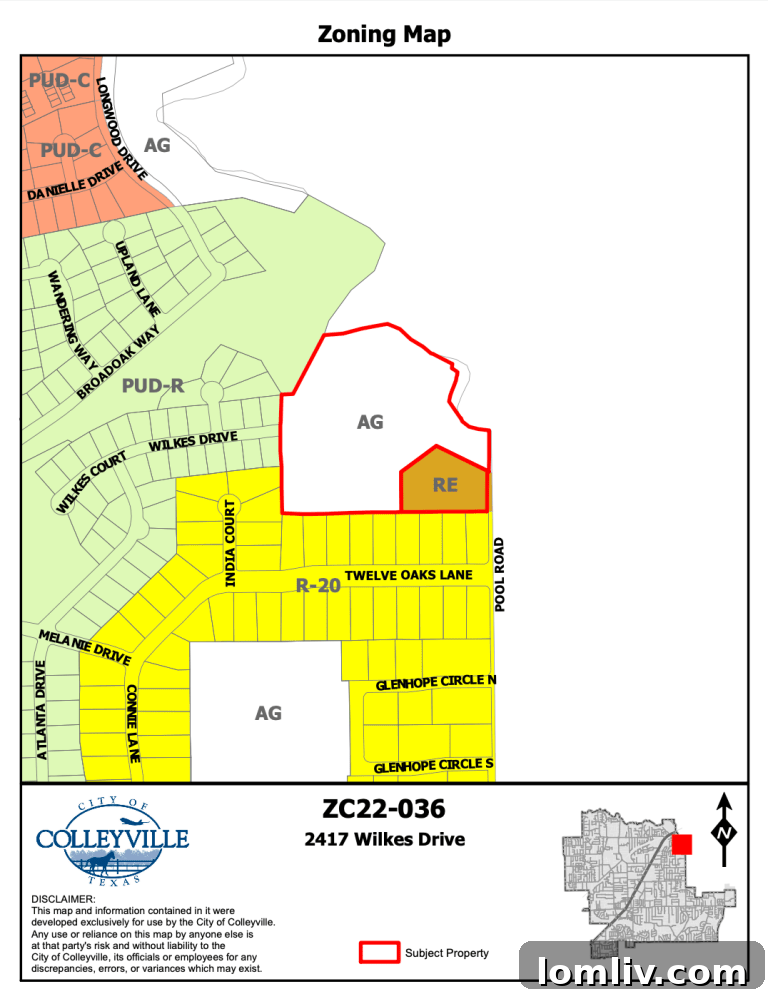
The picturesque landscape of Colleyville, Texas, is once again at the heart of a passionate debate, pitting the allure of luxury housing against the preservation of its cherished natural heritage. This ongoing saga revolves around “The Bluffs Colleyville,” a proposed high-end residential development by WillowTree Custom Homes that seeks to transform a 14-acre tract of land nestled between Pool Road and Wilkes Drive. The project, envisioning a gated community of opulent residences, has ignited fervent discussion among residents, city officials, and environmental advocates, highlighting the delicate balance between urban expansion and ecological stewardship.
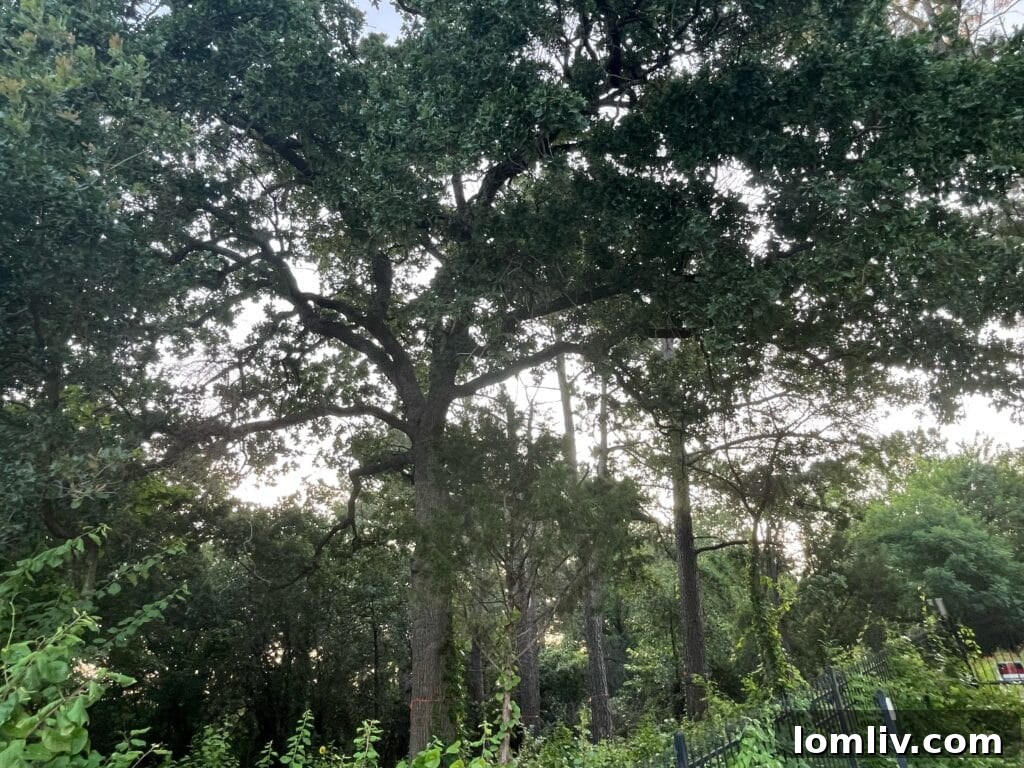
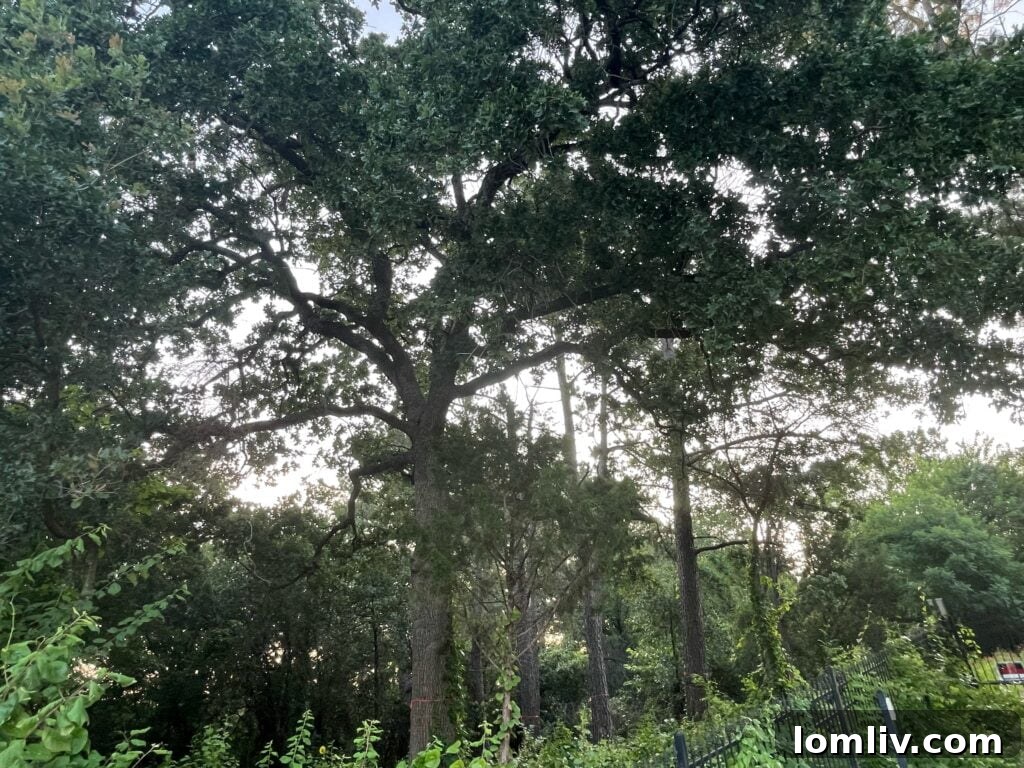
In a previous chapter of this unfolding story, Colleyville’s Planning and Zoning Commission initially denied WillowTree Custom Homes’ request to rezone the parcel from its current agricultural designation to single-family residential. This denial underscored the deep-seated concerns within the community regarding the potential impact of such a development. While proponents argue for the economic benefits, including increased property values and a boost to the local tax base, a significant segment of the population views the project as a threat to “heritage trees” – ancient, majestic oaks that form a vital part of Colleyville’s urban forest, a natural sanctuary many believe should remain protected.
The contentious issue is now set to return to the forefront of public discourse. New proposals for The Bluffs Colleyville will be meticulously examined at the upcoming Colleyville City Council meeting, scheduled for 7 p.m. Tuesday in the City Council chambers. This highly anticipated session will serve as the “first reading” of the revised plan, meaning no decisive vote will be cast. The community, however, will remain on tenterhooks, as the pivotal “second reading” and a potential final vote are slated for June 20. For this ambitious development to proceed, a fundamental shift in the land’s zoning designation from agricultural to residential is imperative, a designation that has been in place since the developer acquired the property. The stakes are undeniably high, and the upcoming deliberations promise to be nothing short of captivating.
A Verdant Conflict: Development vs. Conservation During Garden Week
The timing of these critical discussions adds an ironic layer of symbolism. The City Council meeting coincides with National Garden Week, a nationwide celebration dedicated to promoting gardening, horticulture, and the preservation of natural beauty. Further underscoring this irony, the esteemed Colleyville Garden Club is poised to receive a city proclamation recognizing its prestigious achievement as the Texas Garden Club of the Year. Against this backdrop of horticultural honor, Colleyville faces a stark choice: embrace new residents and the growth they bring, or safeguard some of its most ancient and ecologically significant trees, potentially altering the city’s long-range plans and environmental ethos.
The official website for The Bluffs Colleyville details a vision of exclusivity and natural integration. The development is designed to feature 14 expansive single-family residences, each boasting an average lot size of 28,000 square feet. According to the developer’s descriptions, every lot promises “its own beautiful view of nature,” fostering a serene and private living experience. Additionally, the plans include two carefully designed common areas within the gated community, intended to enhance the residents’ quality of life and provide communal green spaces. This emphasis on natural views and common areas is an attempt to bridge the gap between development and environmental appreciation, though whether it satisfies critics remains to be seen.
Curtis Young, owner of The Sage Group and the lead architect behind this proposed high-end development, expressed confidence in the revised plans. “We think we’ve addressed what the council has asked us to do,” Young stated, highlighting the developer’s efforts to accommodate previous feedback. He detailed the evolution of the project, noting that initial plans for The Bluffs Colleyville envisioned 23 lots, which were subsequently reduced to 19, and now stand at the current proposal of 14 lots. This reduction in density is a key concession made by the developer in response to community and council concerns.
Owner Mark Goodwin’s investment in the project totals 12 acres, with an additional 1.9 acres currently under contract. This strategic acquisition is designed to provide future residents of The Bluffs with direct access from Colleyville’s Pool Road, a crucial aspect of the revised plan. This access point aims to alleviate traffic concerns by bypassing Ross Downs, a neighboring residential area established approximately 30 years ago. “Most of the neighbors wanted this because it wouldn’t be taking traffic through their neighborhood,” Young explained, emphasizing a proactive approach to mitigate potential neighborhood impacts.
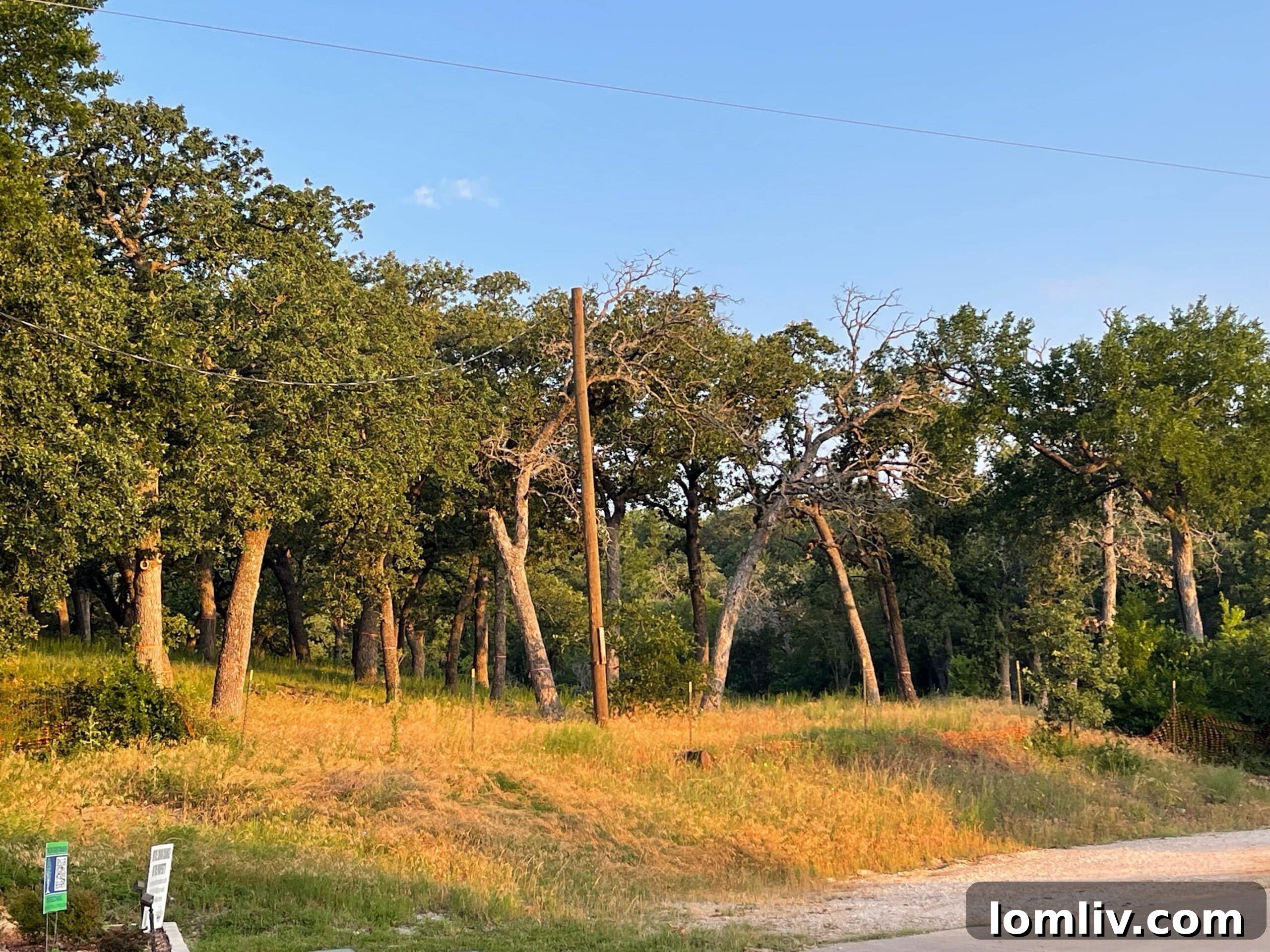
Young characterized the property as “unique,” noting its abundant tree cover and significant topographical slopes. The Bluffs’ development team now envisions constructing luxurious homes on lots averaging approximately 30,000 square feet, leveraging the natural landscape to create distinctive residences. Young also acknowledged Goodwin’s unconventional approach: purchasing the property while it was still zoned agricultural, with the explicit hope that the city would approve a zoning change for development. This strategy, Young admitted, is “admittedly not the normal order for such a project,” as most developers secure rezoning *before* final acquisition. However, the city’s Planning and Zoning Commission recently approved the refined 14-home plan, signaling a potential shift in the project’s trajectory.
“Most developers put a property under contract after the zoning has been changed to residential,” Young reiterated, underscoring the considerable “huge risk” Goodwin undertook. “But it’s a show of confidence. He’s fully invested in this property. This is going to be the best of the best,” Young asserted, painting a picture of a developer committed to creating an exemplary luxury community. Despite numerous attempts, Goodwin himself did not respond to requests for an interview, allowing Young to speak on behalf of the project.
The proposed development, however, has not been met with universal acclaim. A significant contingent of Colleyville residents remains staunchly opposed, including Mary Ann Nicholson, a long-standing member of the Colleyville Garden Club. While the Garden Club itself has refrained from taking an official stance on the development, it did permit an informational table at its May meeting, providing a platform for those who oppose the project to articulate their views. Nicholson, holding the distinguished titles of national lifetime honorary member of the National Garden Club and trustee of Texas Garden Club, Inc., possesses a deeply personal perspective on the future of this agriculturally zoned land.
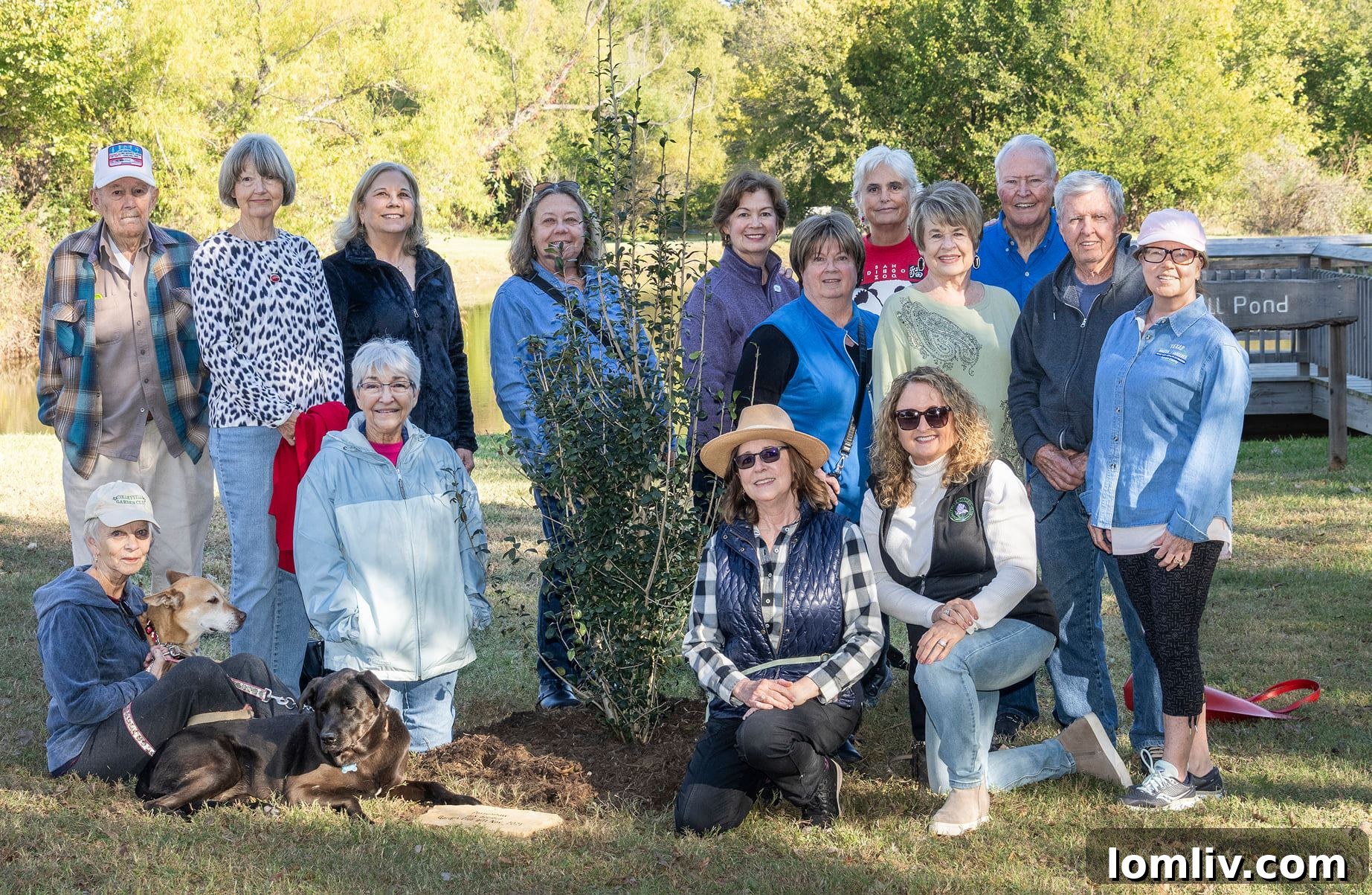
“I would love to have the city get involved and keep it as a wild space,” Nicholson passionately advocated. “I don’t think we have enough wild space in Colleyville and the country. It’s just a beautiful place to visit. We spend thousands of dollars visiting national parks to see pristine land, and we have a little of it here. And really, unless citizens get involved, we can lose this.” Her heartfelt appeal underscores a broader desire within the community to preserve Colleyville’s diminishing natural areas for future generations, highlighting the invaluable ecological and recreational benefits they provide.
Shifting Perspectives: Resident Concerns on The Bluffs Colleyville Development
Another vocal opponent of The Bluffs Colleyville subdivision is Bob Egan, a resident who has called the neighboring Ross Downs home for 32 years, holding the distinction of being its longest-standing inhabitant. Initially, Egan held a pragmatic view, assuming that the proposed parcel of land would eventually be developed. However, as he delved deeper into the specifics of WillowTree Custom Homes’ plan, his perspective dramatically shifted, leading him to strongly disagree with the current proposal. His diligent research and observations have convinced him that the development, as currently conceived, is fundamentally flawed for multiple critical reasons.
“When we saw the plans for it, we began to see the topography of the land, and it slopes so dramatically,” Egan explained, pinpointing a primary concern. The significant natural gradient of the terrain presents unique challenges that, in his view, have not been adequately addressed. “Knowing the number of trees that would be taken out just to cut the road, too, there was a great amount of concern.” The necessity of extensive tree removal not only for the individual lots but also for the creation of new infrastructure, such as access roads, has raised alarms among residents who value Colleyville’s green canopy.
According to Egan, the natural contours of the land would necessitate the construction of substantial retaining walls throughout The Bluffs, a requirement that introduces considerable engineering and environmental risks. He argues that shifting soil, a common challenge in areas with dramatic slopes, could lead to long-term stability problems for the proposed homes and infrastructure. “It is the city’s responsibility that they do this properly and that they make sure the soil changes they’re going to make are adequate to support the homes that are going to be erected on that development,” Egan asserted, emphasizing the city’s duty of due diligence. He further pointed out a critical oversight: “The developer has done no soil testing, as of the last city council,” a revelation that amplifies concerns about the structural integrity and environmental impact of the development.
Beyond the topographical challenges, the issue of tree removal remains a central point of contention. The current plan, as understood by residents, permits the developer to remove up to 50 percent of the existing trees, with an additional 50 percent allowed to be removed by each individual homebuilder. This seemingly liberal approach to tree clearing appears to be at odds with the spirit, if not the letter, of Colleyville’s tree policy, a document designed to protect and preserve the city’s natural arboreal assets.
Colleyville is uniquely situated within the Eastern Cross Timbers ecological region, an area renowned for its abundant post oaks and blackjack oaks, as proudly highlighted on the city’s official website. Recognizing the ecological importance of these trees, the suburb adopted its first ordinance concerning tree removal as early as 1993, demonstrating a long-standing commitment to environmental preservation. Residents like Egan fear that this commitment is now being compromised. “I care about the trees,” Egan declared. “So far they have the right to take out up to 50 percent of the trees. These are old-growth trees that have been there for up to 200 years. Because these trees are back behind where no one can see them, the city doesn’t care.” His statement reflects a common sentiment that remote or less visible natural areas are often more vulnerable to development.
Curtis Young, the architect for The Bluffs, offered a contrasting perspective, framing the opposition as potentially unreasonable. “They want this to be a private park, at the city’s expense,” he countered, suggesting that some residents’ desires for preservation extend beyond practical and legal boundaries. “That’s not the way the world works. It’s a bit ridiculous what they’re asking for. It’s nothing that hasn’t been done before where they live.” Young’s argument underscores the economic realities of land ownership and development, implying that the expectations of some residents might be financially unfeasible or inconsistent with broader development patterns in the region. He believes that the proposed luxury development, while requiring some tree removal, offers a responsible and aesthetically pleasing integration of residences within the natural landscape, bringing significant value to Colleyville without undermining its core character.
As Colleyville City Council prepares for its crucial deliberations, the fate of The Bluffs Colleyville hangs in the balance. This decision will not only determine the future of a 14-acre tract of land but will also send a profound message about Colleyville’s commitment to its urban forest, its residents’ quality of life, and its vision for sustainable growth. The upcoming votes are more than just procedural; they are a defining moment for a community grappling with the challenges and opportunities of modern urban development.