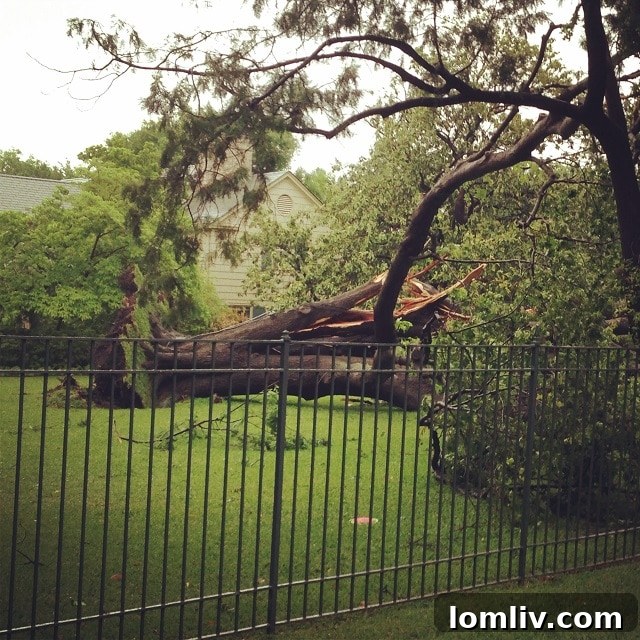
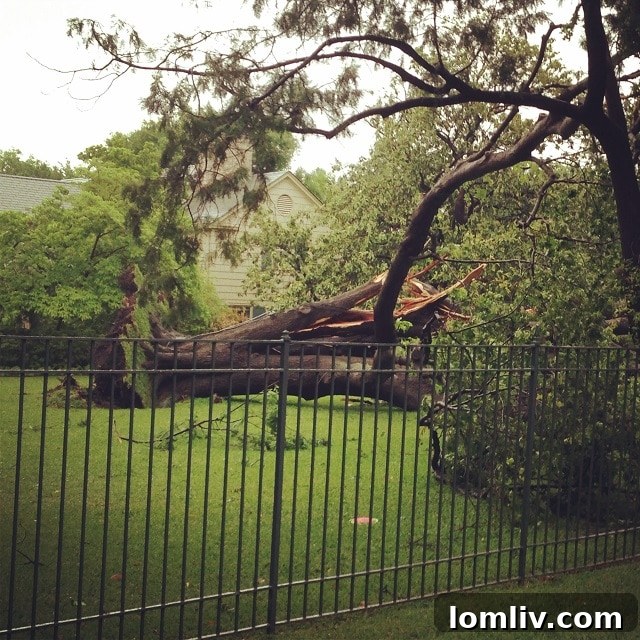
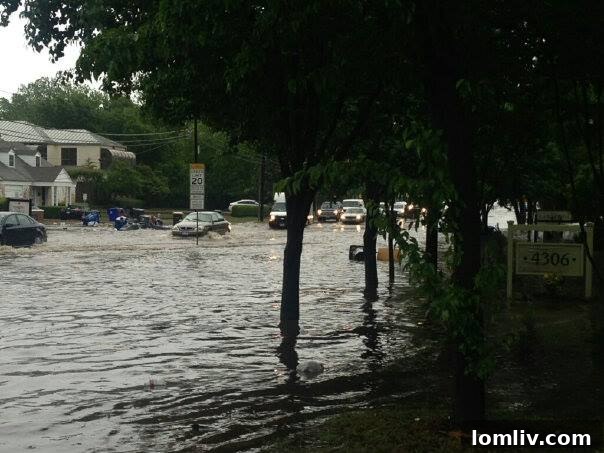
Dallas, Texas, recently experienced a bout of exceptionally severe weather, almost as if nature itself was responding to the stark warnings issued in this week’s sobering reports on climate change. Across the globe, communities are being urged to brace for increased occurrences of extreme weather events—from devastating floods and raging wildfires to prolonged droughts—each impacting regions differently based on their unique geographical and climatic conditions. For residents of Dallas, this often translates into the immediate threats of powerful tornadoes, sudden flash flooding, and the widespread destruction marked by countless downed trees and tangled power lines. The sheer force of these storms was palpable, with visible damage like the scene captured at the bustling intersection of Lovers Lane and Inwood Road, where a once-mighty tree now lay defeated, a stark reminder of nature’s unpredictable power.
The frequency and intensity of such weather phenomena are not just isolated incidents; they are increasingly becoming part of our new normal. Scientific consensus points towards a future where these events escalate, demanding greater resilience from our cities and homes. Dallas, a vibrant metropolis known for its rapid growth and unique blend of urban landscapes and green spaces, finds itself at the forefront of this challenge. Homeowners and city planners alike are grappling with how to adapt, protect assets, and ensure public safety in the face of these evolving climatic patterns. The sight of massive trees toppled, power grids disrupted, and roads submerged is a powerful visual testament to the urgent need for comprehensive climate adaptation strategies and enhanced storm preparedness.
The image of this colossal tree, unfortunately, succumbing to the storm’s wrath, is incredibly poignant. Fortunately, it missed any structures, a stroke of luck that highlights the precarious nature of these events. This scene instantly brings back a vivid memory from my own experience, a tree that once graced our property on Park Lane, now resting in peace. One seemingly ordinary day, a sudden, jarring “crack” echoed through the air. Despite my efforts, I couldn’t pinpoint the source of the unsettling sound. It wasn’t until many hours later, when a neighbor alerted us, that I discovered the extent of what had transpired: a magnificent branch, split from its trunk, had crashed onto our roof. Miraculously, the roof escaped any significant damage, but the aftermath was an ordeal. The sheer size of that fallen branch meant its removal was a complex and strenuous task, eventually transforming a once-living sentinel into a comforting stack of firewood. Such incidents underscore the hidden dangers and unexpected costs associated with severe weather, even when direct structural damage is avoided.
These experiences serve as powerful reminders of the profound impact trees have on our lives and properties, both in their majestic presence and their potential for unforeseen risks. In Dallas, the value placed on mature trees, especially those grand centenarians, is exceptionally high. Prospective buyers often pay a significant premium for lots adorned with such established arboreal giants, recognizing their immense contribution to aesthetics, shade, and the overall character of a property. These ancient trees are more than just part of the landscape; they are living legacies, offering a unique blend of natural beauty and environmental benefits. They provide crucial shade during sweltering Texas summers, significantly reducing energy costs by cooling homes. Beyond that, they enhance air quality, support local ecosystems, and imbue neighborhoods with a sense of history and serenity. The presence of well-maintained, mature trees can elevate property values by as much as 15%, making them a highly desirable asset in the competitive Dallas real estate market. However, with this immense value comes an inherent vulnerability, especially in a climate increasingly prone to extreme weather events. This leads to a pertinent and often-asked question among property owners: Is there any reliable way to insure these irreplaceable natural treasures?
Navigating the complexities of homeowner’s insurance when it comes to trees can be challenging. Standard homeowner policies typically cover damage *caused by* a tree (e.g., a fallen branch damaging your roof or car) or the cost of removing a tree that has fallen and is blocking a driveway or damaging a covered structure. However, coverage for the tree itself—its intrinsic value, its aesthetic contribution, or the cost of its replacement if it dies or is severely damaged by a non-covered peril—is often limited or entirely absent. Some specialized policies or endorsements may offer coverage for specific types of trees or for significant ornamental value, but these are not universally available and often come with distinct limitations. This gap in coverage highlights the need for a proactive approach to tree management and risk mitigation. Homeowners in Dallas, eager to protect their significant investment in these natural assets, should thoroughly review their insurance policies, consult with their agents about potential add-ons or specialized tree coverage, and understand the precise conditions under which tree-related damages are covered.
Beyond insurance, the most effective strategy for preserving the value and health of mature trees, and concurrently mitigating risks, lies in diligent and proactive tree care. Regular professional arboricultural assessments are indispensable, especially for older or particularly large trees. Certified arborists can identify potential weaknesses, diseases, or structural instabilities that might not be obvious to an untrained eye. Through judicious pruning, cabling, or bracing, arborists can enhance a tree’s structural integrity, improve its health, and significantly reduce the likelihood of branches failing during a storm. Root care, soil health management, and appropriate watering regimens are equally crucial for ensuring the longevity and resilience of these venerable giants. Investing in professional tree maintenance is not merely an expense; it is an investment in the long-term health, safety, and aesthetic appeal of your property. It’s about safeguarding a living asset that takes decades, sometimes centuries, to cultivate, an asset that provides tangible benefits far beyond its monetary value.
As Dallas continues to navigate the challenges posed by a changing climate, storm preparedness becomes paramount for every homeowner. Beyond taking care of your trees, a comprehensive preparedness plan involves several key steps. Before a storm hits, secure outdoor items like patio furniture, trampolines, and trash cans to prevent them from becoming dangerous projectiles. Ensure that gutters and drainage systems are clear to handle heavy rainfall and reduce the risk of localized flooding. Have an emergency kit readily accessible, including water, non-perishable food, flashlights, batteries, and a first-aid kit. Charge all electronic devices, and consider investing in a portable power bank. Post-storm safety is equally critical; always assume downed power lines are live and avoid contact. Stay clear of fallen trees or damaged structures until they are deemed safe by professionals. By taking these proactive measures, individuals can significantly reduce potential property damage and enhance their personal safety during severe weather events. The collective resilience of the Dallas community hinges on the preparedness of its individual residents, transforming every home into a fortress against the unpredictable whims of nature.
In conclusion, the recent severe weather in Dallas serves as a potent reminder of our shared vulnerability to the forces of nature and the undeniable implications of a changing global climate. From the iconic fallen tree at Lovers Lane to the valuable century-old giants gracing Dallas properties, our environment is speaking to us. It underscores the intrinsic and economic value of our urban forest and the critical importance of protecting these natural assets. While buyers continue to covet properties with mature trees, it’s incumbent upon all of us—homeowners, communities, and policymakers—to embrace a holistic approach that combines advanced tree care, comprehensive insurance planning, and robust storm preparedness. By understanding the risks, investing in preventative measures, and adapting our strategies, we can not only safeguard our properties but also foster more resilient communities, ensuring that the majestic beauty and environmental benefits of our trees endure for generations to come, even in the face of an increasingly unpredictable future. This proactive stance is not just about protection; it’s about valuing and sustaining the natural heritage that defines so much of Dallas’s charm and character.