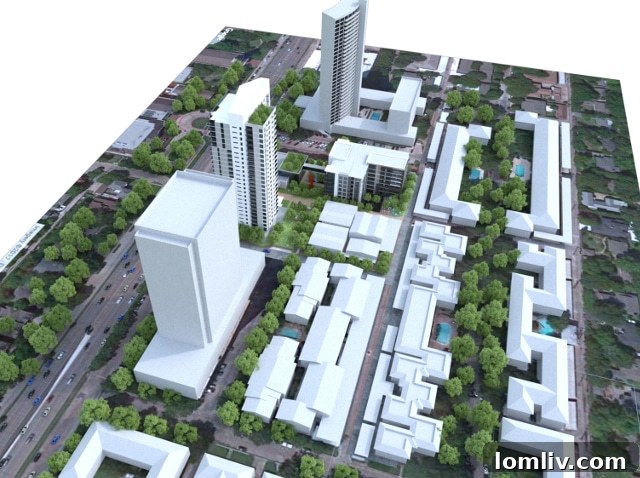
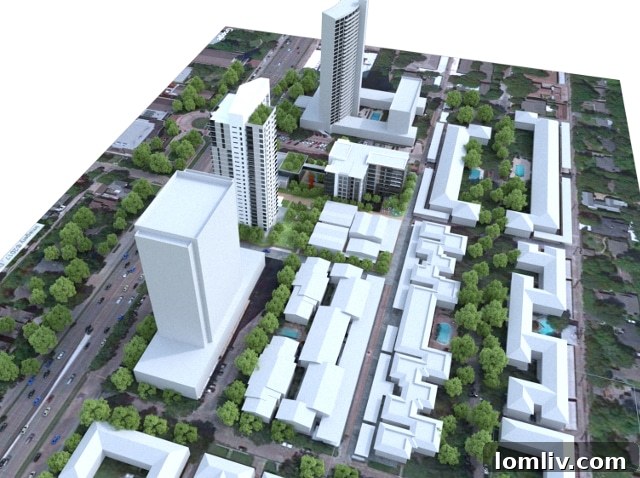
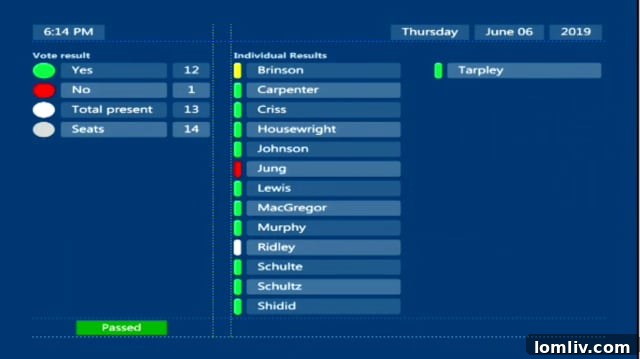
In a pivotal decision poised to reshape a significant Dallas landscape, the City Plan Commission delivered a surprising outcome, overturning previous limitations and paving the way for a transformative development in the coveted PD-15 zoning district. This week’s meeting concluded with a landmark approval that has ignited conversations across the city, particularly among urban planners, real estate developers, and local residents.
At the heart of this groundbreaking approval lies a remarkable display of community engagement. Neighbors, initially united by concerns over unchecked development, successfully collaborated to advocate for a comprehensive plan prioritizing green space and sustainable urban design. Their collective efforts bore fruit when developers stepped forward with an ambitious proposal that not only met but exceeded the city’s recommended PD-15 changes, offering an impressive 35 to 45 percent open space within the combined Royal Orleans and Preston Place properties. This commitment to expansive green areas marks a significant victory for those championing a more livable and pedestrian-friendly urban environment.
The “catch,” as some might view it, involves the proposed height of a new residential tower along Northwest Highway. This signature structure is planned to reach 310 feet, positioning it just below the iconic Preston Tower. However, this increased verticality is not without substantial benefits for the community. In exchange for the tower’s height, the neighborhood stands to gain not only the aforementioned generous green spaces but also the promise of 100 percent underground parking for both residents and guests, significantly reducing surface-level clutter and enhancing the aesthetic appeal of the area. Limited above-ground parking will be reserved strictly for deliveries and prospective tenants, ensuring minimal visual impact.
Further sweetening the deal for the community, the developers’ proposal calls for fewer residential units compared to the city’s initial plan, which had included various affordable housing and green space incentives. While the city’s preliminary framework suggested 125 units per acre, the approved plan for the 310-foot tower will deliver a more exclusive 120 units per acre. This strategic reduction in density is a key component, allowing for larger, more luxurious units and further reinforcing the project’s premium appeal while still integrating community benefits.
The approved proposal, depicted in the architectural renderings, envisions a development comprising 360 units. Given the expansive cubic footage allocated to the project, these units are expected to be exceptionally large, signaling a strong move towards upscale residential offerings. This development will form part of a semi-connected series of structures, intricately linked by a cohesive network of green spaces, fostering a sense of community and providing residents with unparalleled access to nature within an urban setting. The building’s commanding views, stretching from the vibrant downtown Dallas skyline to the sprawling North Dallas expanse, are anticipated to justify premium rents and selling prices. Indeed, the sheer scale and limited number of units within this luxury development strongly suggest a future, if not immediate, conversion to condominiums, a long-cherished aspiration for many in the neighborhood seeking ownership opportunities in such a prime location.
Revitalizing the Pink Wall and Beyond
This ambitious development is poised to bring about a renaissance for the historic “Pink Wall” area, offering a scale of revitalization that smaller, more constrained projects would struggle to achieve. Contrary to the skepticism of some who fear heightened development, proponents argue that a signature project of this magnitude will act as a catalyst for economic growth. It is widely anticipated that once the initial construction dust settles, property values and the overall desirability of the area will experience a rapid ascent, attracting new investment and resources that can further support the restoration and revival of existing walk-up buildings. This is the transformative power of well-executed, impactful urban development.
Of course, this significant milestone still requires final approval from the Dallas City Council, a process that will undoubtedly involve further discussion and scrutiny. Yet, the Plan Commission’s endorsement marks a critical step forward for a project that promises to elevate the architectural and lifestyle standards of the district.
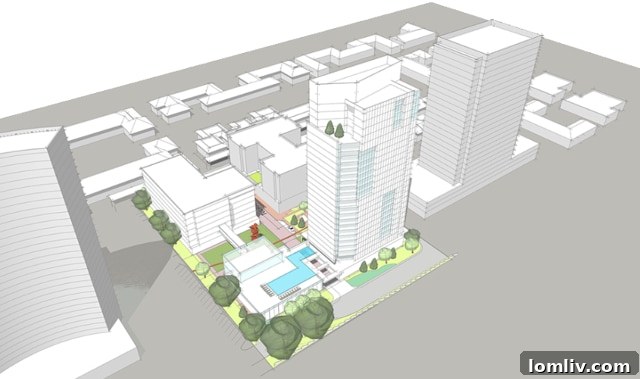
The trend towards high-rise living is not merely a local phenomenon but a global architectural and social shift. This week, an insightful report from The New York Times highlighted the dramatic transformation of urban skylines, noting that in 1908, only 26 percent of New York City’s high-rises were residential. Fast forward to the present decade, and that figure has soared to an impressive 64 percent, a number that includes buildings currently under construction. This illustrates a clear and undeniable preference for vertical urban living in major metropolitan areas, and New York, known for its iconic skyscrapers, serves as a powerful testament to this enduring trend. Dallas, as a rapidly growing city, is naturally aligning with this evolution, embracing developments that offer density without sacrificing quality of life.
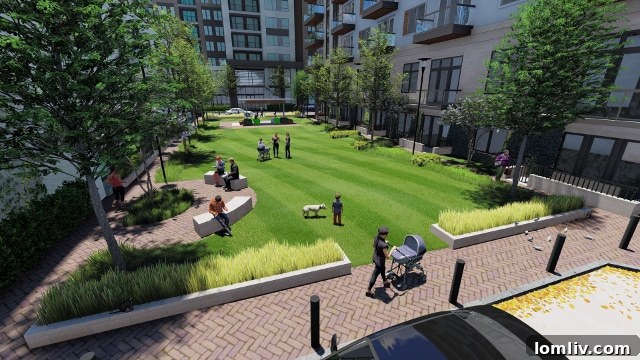
Central to the appeal of this new development is the creation of a stunning central green space. As visually represented in the renderings, Diamond Head Circle will be transformed, with the section extending from the Athena to the old Preston Place re-envisioned as an inviting urban park. This strategic closure and conversion will not only enhance the aesthetic appeal but also provide a vibrant, accessible recreational area for residents. Ground-floor units, which previously faced hard concrete, will now feature private patios seamlessly blending into this verdant landscape, offering an immediate connection to nature. Crucially, traffic from these new developments will be strategically re-routed, preventing any negative impact on the existing buildings along Diamond Head Circle – a thoughtful solution that aligns with long-standing community aspirations for reduced vehicular intrusion.
Traffic management has been a paramount consideration throughout the planning process. The city has explicitly stipulated in its revised development guidelines that the redeveloped Preston Place, Royal Orleans, and Diplomat sites must shunt vehicular traffic primarily to Northwest Parkway and, preferably, to Northwest Highway. This will be facilitated through a newly designated opening, likely via Tulane. This carefully planned infrastructure aims to significantly minimize traffic overflow into existing residential side streets and the broader Preston Hollow area, marking another substantial victory for local residents who have consistently voiced concerns about increased congestion.
Despite the overwhelming positives, the path to approval was not without its familiar challenges. The Dallas City Plan Commission meeting, regrettably, featured a re-run of what many observers characterized as tired, slanted tropes from a vocal minority of naysayers. Such monologues, often delivered by individuals outside the immediate impact zone, serve as a reminder of the inherent tensions in urban development, where progress often contends with established viewpoints and resistance to change. However, the commission’s ultimate decision underscored a commitment to a vision that balances growth with significant community benefits.
Addressing the Nuances: It’s Not Perfect, But It’s Progress
While the approved plan represents a significant leap forward, it’s important to acknowledge that no large-scale urban development is entirely without its complexities. The city’s original draft proposal for PD-15 had robust provisions for affordable housing, a critical component of equitable urban growth. The new proposal, with its 310-foot tower along Northwest Highway, required careful fine-tuning to comply with existing zoning regulations, particularly the 240-foot residential proximity slope. The original draft, even with its “points system” designed to incentivize density in exchange for increased green space and more visually appealing, smaller building facades (preventing a monolithic wall along Northwest Highway), did not provide a clear pathway to break this proximity slope without specific modifications.
To enable the necessary breakage of the Residential Proximity Slope (RPS) and allow the building to exceed the 240-foot limit, the Plan Commission strategically integrated an affordable housing component. This revised framework mandates that 5 percent of the housing units must be set aside for families earning between 50 and 60 percent of the Average Median Family Income (AMFI), with an additional 5 percent allocated for those earning between 61 and 80 percent of AMFI. This careful balancing act ensures that the development, while upscale, also contributes to the city’s broader housing goals. The meticulous process of drafting and refining the precise legal wording for these provisions, ensuring clarity and enforceability, was indeed a tedious but crucial undertaking for the commission.
Another area for potential negotiation involves the “points system,” which allows developers to earn credits by implementing various community benefits. One such option is the extinguishment of tower separation requirements. In the specific context of Northwest Highway, this provision primarily impacts the western edge of the existing Athena building. While developers might opt for this to maximize buildable area, it would be mutually beneficial for existing residents and the developer to engage in dialogue and work towards a compromise. Maintaining a reasonable separation can enhance views, light, and privacy for both new and existing structures, contributing to a more harmonious urban fabric.
Furthermore, the proposed Northwest Highway setback retains the city’s recommendation of 70 feet, a reduction from the current 100-foot setback. This specific detail may present a point of contention for some residents who value the additional distance from the thoroughfare. Ample documentation and precedent exist for a potential robust discussion on this matter, and it may require further advocacy to find a resolution that satisfies all stakeholders.
Finally, it is paramount to clarify and dispel any political misinformation regarding the scale of this development. Contrary to exaggerated claims of “six 20-story high-rises” or even “two,” the approved plan focuses on the construction of a singular, well-integrated tower. This fact is crucial for accurate public understanding and to counter any attempts to misrepresent the project’s true scope and impact.
In The End: A Greener, More Prosperous Future for Dallas
Should this carefully negotiated and thoroughly vetted proposal successfully navigate the final stage of City Council approval, the long-term aesthetic and economic benefits for the neighborhood are expected to be profoundly positive. For years, the discourse around urban development has often overly focused on height, when in reality, the true measure of a project’s success often lies in its ground-level impact. In this particular instance, the outcomes on the ground are demonstrably greener, more accessible, and significantly more efficient in terms of traffic management than initially anticipated.
This development serves as a powerful example of how thoughtful urban planning, combined with proactive community engagement and innovative development strategies, can transform a district. By prioritizing substantial green spaces, sustainable parking solutions, and strategic traffic flow, Dallas is setting a new benchmark for integrated urban living. The hope now is that other critical areas, such as the perennially challenging Preston Center garage, might also one day witness such a positive, park-like, and community-centric transformation, inspired by the success of this forward-thinking project.

Expert Insight: My journalistic focus encompasses high-rise developments, homeowners’ associations (HOAs), and real estate renovations. Beyond these core areas, I possess a deep appreciation for both modern and historical architecture, always viewing them through the lens of urban growth movements such as YIMBY (Yes In My Backyard). My commitment to insightful real estate commentary has been recognized by the National Association of Real Estate Editors, who honored my writing with three Bronze awards in 2016 (for an analysis of housing styles), 2017 (on property taxes), and 2018 (covering the Pink Wall fire), alongside two Silver awards in 2016 (for an international property piece) and 2017 (exploring second homeownership). If you have a compelling story to share, a perspective on Dallas real estate to contribute, or even a unique proposal to make, please don’t hesitate to reach out via email at [email protected]. You can also connect with me on Facebook and Twitter for further discussions and insights into the dynamic world of real estate. While my online presence may be elusive, your efforts to find me are always welcome and appreciated.