Every homeowner cherishes the feeling of coming home. You unlock the door after a demanding day, shed your shoes, and collapse onto the sofa, completely at ease, without a second thought for the unseen systems diligently working above your head or hidden behind your walls. This sense of security and comfort, however, is not accidental. Your home is a complex ecosystem, constantly battling the elements and providing sanctuary, and like any intricate system, it demands consistent care and attention to truly thrive.
The true value of a home extends far beyond its aesthetic appeal or the number of square feet it encompasses. While a pristine kitchen backsplash or manicured garden certainly adds charm, the foundational worth of your property lies in its structural integrity and the robust performance of its essential systems. Neglecting critical maintenance, particularly those elements designed to protect your home from water, pests, and the ravages of time, can lead to a catastrophic erosion of equity. What begins as a minor oversight can quickly escalate into substantial repair bills, jeopardizing your investment and your peace of mind. Whether you’re contemplating listing your Christchurch home on the market in the near future or simply committed to being a responsible homeowner, understanding which upkeep tasks are truly paramount is the cornerstone of preserving and enhancing your property’s long-term value.
In this comprehensive guide, we’ll delve into the vital areas where your maintenance efforts will yield the greatest returns, safeguarding your home against common threats and ensuring its resilience for years to come.
Your Roof: The Unsung Guardian Above Your Head
For most homeowners, the roof remains an “out of sight, out of mind” component, quietly performing its crucial role until a glaring issue forces it into the spotlight. It’s often easy to overlook the roof’s condition right up until the tell-tale drip signals water intrusion into your living space. Yet, by the time a leak becomes visible indoors, significant damage has likely already occurred, compromising insulation, promoting timber rot in the framing, and creating fertile ground for insidious mold growth. What might have been a relatively simple and inexpensive patch job can rapidly transform into a monumental repair bill, demanding costly remediation efforts that could have been entirely averted with proactive maintenance.
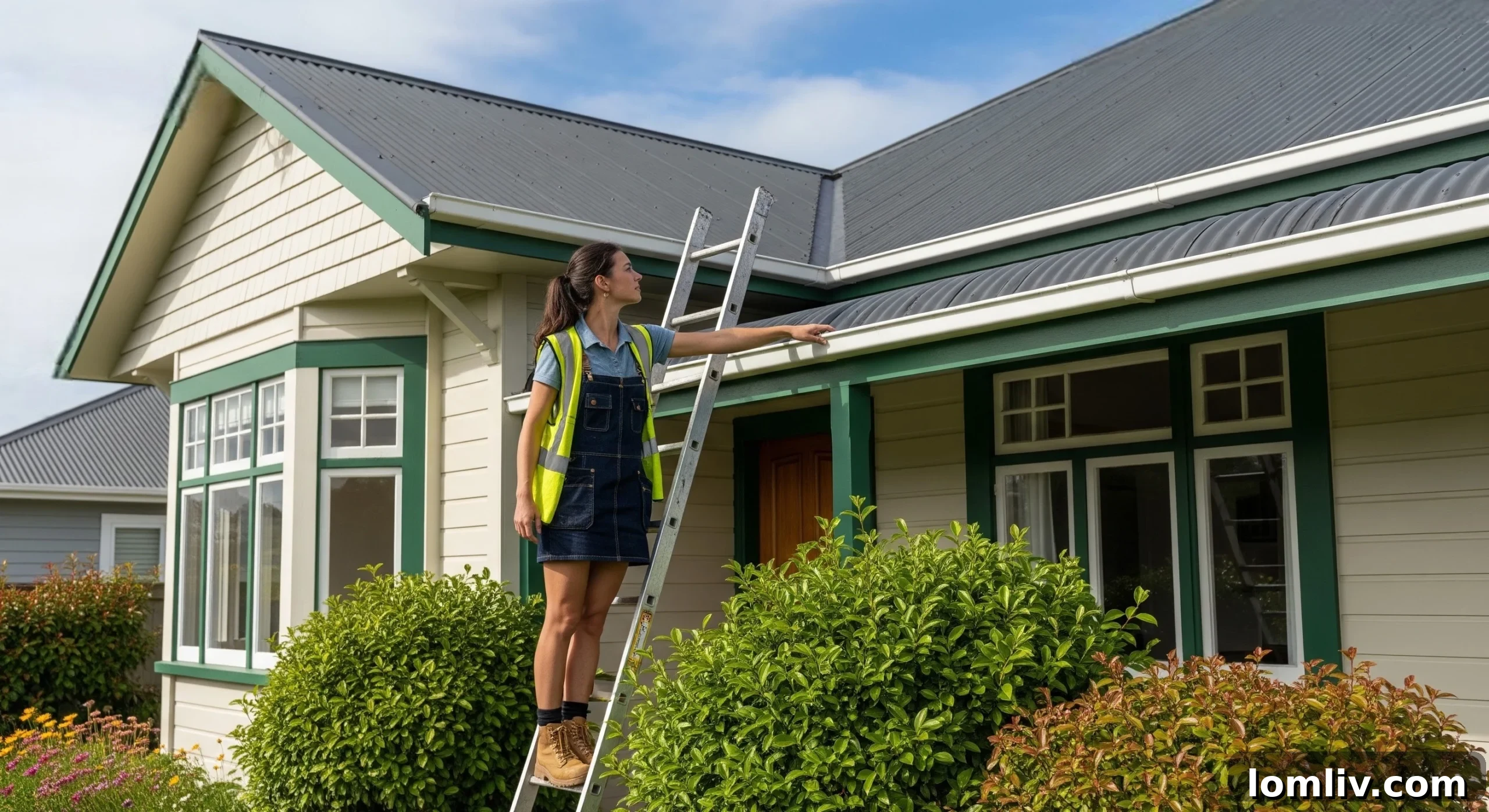
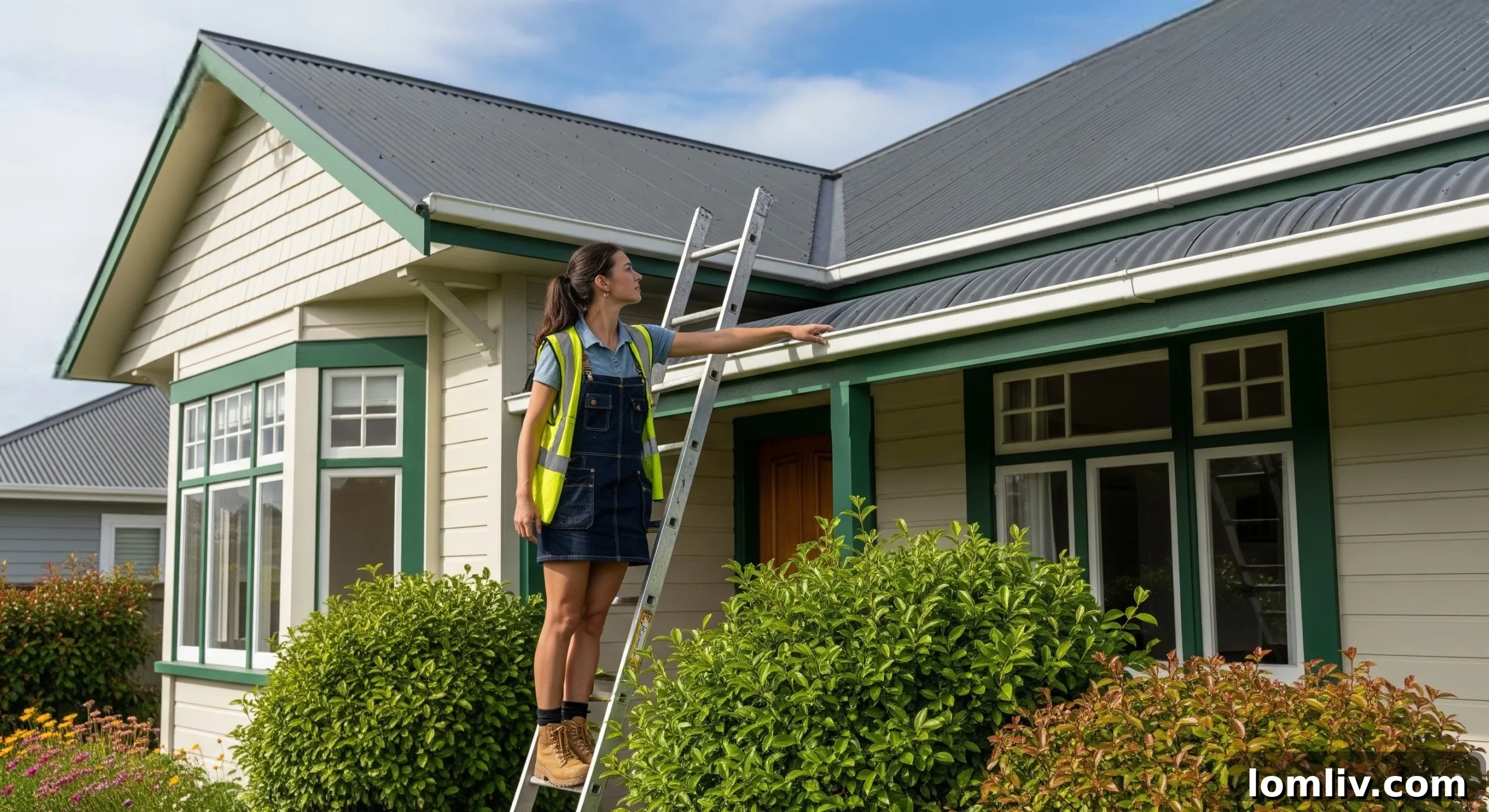
To circumvent such hefty expenses, vigilance is key. Develop a habit of inspecting your roof regularly, paying particular attention after severe weather events common to the Christchurch region. Keep an eye out for tell-tale signs of wear and tear, such as cracked, curled, or missing shingles. Observe any noticeable dips or sagging in the roofline, which could indicate structural issues. Also, check the integrity of metal flashing around chimneys, skylights, and vent pipes, as these are common entry points for water. Detecting these minor imperfections early is not just about preventing leaks; it’s about preserving the entire structural integrity of your home.
A common dilemma for many homeowners revolves around deciding when a simple repair will suffice versus when a complete roof replacement becomes necessary. It’s crucial to remember that roofing materials have a finite lifespan. Asphalt shingles, widely used in Christchurch, typically last between 20 to 30 years, depending on their quality, installation, and the local climate’s exposure to sun, wind, and rain. More durable options like metal roofing can offer a lifespan of 50 years or even more, but even the most robust materials eventually succumb to age and environmental stressors. When your roof approaches the end of its projected life, or if extensive damage suggests widespread failure, a full replacement is often the most cost-effective long-term solution.
When the moment arrives for a comprehensive re-roofing project, partnering with a reputable and qualified re-roofing specialist in Christchurch makes an immense difference. A professional assessment can accurately determine whether your existing roof structure can accommodate a layover installation (adding new shingles over existing ones) or if a complete tear-off is essential due to structural concerns or excessive layers. Making the correct decision at this stage saves money, mitigates future problems, and guarantees your home remains robustly protected for decades. Beyond the immediate practical benefits of enhanced protection, a new roof consistently ranks among the top home improvements for return on investment (ROI). Property appraisers and potential buyers alike immediately recognize and value the condition of a home’s roof, viewing it as a clear indicator of overall property health and future maintenance liabilities.
In today’s competitive real estate market, buyers are more discerning and meticulous than ever. They routinely engage professional inspectors, meticulously analyze comparable sales data, and actively seek leverage for negotiation. A new, well-installed roof effectively removes one of their most significant concerns, streamlining the sales process and helping you secure a premium price for your property. It’s an investment that pays dividends, both in the present through superior protection and in the future through enhanced marketability.
The Hidden Threat: Unmasking Pests Lurking in Your Walls
Shifting our focus from what’s above to what might be insidiously lurking within your walls, we confront the pervasive challenge of pest infestations. This is a problem many homeowners tend to underestimate until they are faced with tangible, often costly, damage. Among the myriad of potential invaders, rodents – specifically mice and rats – pose a particularly severe and multifaceted threat. They are far more than a mere nuisance; their destructive capabilities can lead to hazardous conditions and significant structural damage.
Rodents notoriously chew through almost anything, including crucial electrical wiring. This habit presents a grave fire hazard, as exposed or short-circuited wires can ignite insulation or timber. Beyond property damage, they contaminate food sources and kitchen surfaces with their urine and droppings, posing serious health risks including salmonella and hantavirus. Compounding the problem is their astonishing reproductive rate; a small rodent problem can rapidly spiral into a full-blown infestation within a mere few weeks under favorable conditions, making early detection and swift action absolutely critical.
The initial signs of a rodent problem are often subtle and easily missed. You rarely see the culprits themselves during daylight hours. Instead, the first indicators typically include faint scratching or scurrying noises emanating from inside walls or ceilings at night. You might discover small, dark droppings in the back of cabinets, pantries, or under sinks. Chewed-up food packaging or gnaw marks on baseboards and wires are also tell-tale signs. Occasionally, an infestation is only discovered by chance when an electrician uncovers chewed wires during a separate repair, highlighting the extent of the hidden damage.
The most effective long-term strategy for preventing rodent infestations is to meticulously seal off all potential entry points into your home. It’s a common misconception that rodents need large openings. In reality, mice can squeeze through a gap as small as a dime, and rats require only slightly more room, approximately the size of a quarter. Conduct a thorough exterior inspection of your home, paying close attention to areas around utility pipes, vents, and the foundation. Seal smaller cracks and holes with steel wool (which rodents cannot chew through) and a strong caulk. For larger openings, use hardware cloth or metal mesh, securely fastened. Beyond physical barriers, strict sanitation practices are paramount. Store all pantry items, including grains and cereals, in robust, airtight containers. Avoid leaving pet food bowls out overnight, as these are easy food sources. Ensure outdoor garbage bins have tight-fitting lids to prevent attracting pests to your property.
Eliminating the allure of food and shelter is indeed half the battle. However, if you suspect or have confirmed a full-blown infestation, it’s advisable to bypass generic DIY traps and immediately consult a professional pest control service. While store-bought traps might catch an occasional stray mouse, they are rarely effective against an established colony. Bringing in seasoned professionals specializing in rat control and general pest management is the smartest and most efficient course of action. A professional technician will not only strategically place targeted traps and bait stations but will also conduct a thorough inspection to identify nests, locate primary entry points, and implement comprehensive eradication and exclusion measures to prevent future re-entry.
Should you decide to sell your home, evidence of pest damage is a significant red flag for potential buyers and their inspectors. Chewed electrical wires, contaminated insulation, or structural damage caused by rodents or other pests will be quickly identified by a home inspector, potentially derailing a sale or forcing you into substantial seller concessions. Addressing pest issues proactively saves your equity, maintains your home’s value, and prevents buyers from walking away due to unaddressed structural or health concerns.
Good Water Management: The Unsung Hero of Home Longevity
If there’s one singular factor that underlies and connects almost every major home maintenance challenge, it is water. Water, when it infiltrates areas it shouldn’t, inflicts more widespread and costly damage to homes than arguably any other element. Consequently, the systems specifically engineered to manage and divert water flow around your property warrant significantly more attention than they typically receive. Among these, gutters and downspouts stand as your home’s paramount first line of defense against the destructive forces of uncontrolled rainwater.
Their function is deceptively simple: collect rainwater efficiently from the roof and direct it safely away from the home’s foundation and exterior walls. When these systems are meticulously maintained and operating correctly, they perform their duties so seamlessly that they often go unnoticed. However, when they fail, the repercussions can be severe and far-reaching. Clogged gutters, often packed with leaves, debris, or even nests, prevent proper water drainage. This causes water to overflow, cascading down your home’s siding and pooling directly against the foundation. Over time, this constant saturation leads to a litany of serious problems: basement flooding, compromised foundations leading to cracks, significant soil erosion around the perimeter, and extensive damage to siding, fascia, and soffits.
Furthermore, in colder climates or during winter months in Christchurch, backed-up water in clogged gutters can freeze. This expansion creates ice dams, which are massive ridges of ice that form at the edge of the roof. These dams prevent melting snow from draining properly, forcing water underneath shingles and into the attic space, causing leaks, damaging insulation, and fostering mold growth. This presents a devastating double-hit that many homeowners fail to anticipate.
Regular cleaning is the absolute minimum requirement for effective gutter maintenance. Most experts recommend clearing your gutters at least twice a year—once in late spring after tree pollen and seeds fall, and again in late autumn after all leaves have dropped. If your property is surrounded by numerous overhanging trees, more frequent cleaning may be necessary. While gutter guards can significantly reduce the buildup of debris, it’s crucial to understand they are not a “set-it-and-forget-it” solution. They still require periodic inspection and occasional cleaning to ensure they aren’t merely masking underlying blockages or developing issues.
Beyond cleaning, the physical condition of the gutters themselves demands attention. It’s easy to overlook them as long as they remain attached to the house. However, if your gutters are visibly sagging, show signs of rust at the seams, or are improperly pitched, you have a critical problem. In fact, poorly functioning gutters can often be worse than no gutters at all. Instead of evenly shedding water, damaged or incorrectly sloped gutters can concentrate large volumes of rainwater, dumping it directly onto your foundation, splashing against your siding, or even channeling it behind your exterior cladding, leading to accelerated deterioration and rot.
This is precisely where the expertise of professional gutter spouting specialists becomes invaluable. Accurately determining the optimal size, precise slope, and the most suitable materials for your home’s unique roof pitch and local rainfall patterns is far from a simple DIY weekend task. A professionally installed and properly aligned gutter system ensures that water is efficiently collected and channeled perfectly away from your home’s vulnerable foundation, thereby securing its structural integrity for the foreseeable future.
Finally, never underestimate the importance of the downspout discharge point. The water exiting your downspouts should be directed a minimum of four to six feet away from the foundation. This can be achieved through various methods: extending the downspouts with flexible pipes, utilizing splash blocks to diffuse and direct water, or installing underground drain lines that carry water even further away. The overarching goal is to ensure that concentrated runoff never pools directly at the base of your house, protecting your investment from preventable and costly water damage.
Cultivating a Strong Home Maintenance Mindset
The overarching principle woven through effective roof care, diligent pest prevention, and intelligent water management is remarkably straightforward: small, consistent investments of time and resources now will unequivocally prevent monumental, unforeseen expenses later. This isn’t the most glamorous aspect of homeownership. You won’t find widespread social media posts celebrating the latest gutter cleaning routine. Yet, these seemingly mundane actions are the defining factors that distinguish homeowners who successfully build enduring wealth through real estate from those who passively observe their hard-earned equity slowly erode. Adopting a proactive maintenance mindset transforms homeownership from a series of reactive crises into a strategic, value-building endeavor.
One of the most powerful tools at your disposal is the creation of a seasonal home maintenance checklist. Break down tasks into manageable categories—such as exterior, interior, plumbing, HVAC—and strategically schedule them throughout the calendar year. This systematic approach ensures that nothing critical gets overlooked, providing a structured framework for ongoing care. Spring and fall naturally serve as ideal checkpoints for most exterior maintenance tasks, preparing your home for the extremes of summer and winter. Interior systems and tasks, such as inspecting smoke detectors, checking appliance filters, or cleaning drains, can be conveniently scheduled during winter months when outdoor work is often less feasible.
A highly effective strategy for your seasonal walkthrough involves starting at the highest point of your home and systematically working your way down, mimicking the natural path water takes:
- Check the Roof Surface: Look for damaged shingles, flashing issues, or excessive debris.
- Clear and Inspect Gutters & Downspouts: Ensure they are free of clogs, securely attached, and correctly sloped.
- Examine Siding and Exterior Walls: Look for cracks, peeling paint, loose boards, or signs of moisture intrusion.
- Inspect the Foundation Perimeter: Check for cracks, signs of moisture, or evidence of pest entry points.
This top-down methodology ensures you identify potential problems at every stage of their development, allowing for timely intervention. Documentation is equally crucial. Maintain meticulous records of your inspections, any repairs undertaken, and professional services rendered. When the time eventually comes to sell your property, a well-documented maintenance history serves as a powerful testament to prospective buyers that the home has been consistently well-cared for. This transparency instills confidence, reduces buyer apprehension, and can significantly justify a stronger asking price. For individuals actively engaged in buying or selling property, a deep understanding of these fundamental maintenance principles provides an undeniable competitive edge.
Buyers equipped with this knowledge can conduct smarter inspections and negotiate from a position of strength. Sellers who conscientiously stay on top of their maintenance can confidently command premium prices and expedite the sales process. In the dynamic world of real estate, knowledge, particularly when it pertains to preserving your most valuable asset, truly translates into leverage.
The Bottom Line: Protecting Your Greatest Investment
Your home represents arguably the single largest financial investment you will ever make. Safeguarding this significant asset doesn’t necessitate extraordinary effort, specialized skills, or an unlimited budget. Rather, it hinges on a combination of consistency, heightened awareness, and a proactive willingness to address minor issues swiftly, long before they metastasize into prohibitively expensive and complex problems. This approach transforms homeownership from a burden into a rewarding journey of wealth protection and growth.
The integrity of the roof over your head, the efficacy of the systems designed to exclude pests and rodents, and the sophisticated setup that meticulously manages water around your property are the fundamental pillars that underpin the overall health and functionality of your entire home. These are not merely components; they are critical protectors of your investment. By providing them with the consistent attention and care they unequivocally deserve, your home will continue to reward you abundantly—offering unparalleled comfort, enduring security, and a steadily appreciating value for many years to come. Make it a priority: dedicate an hour this coming weekend to undertake a deliberate walk around your property with a fresh, discerning eye. Look upwards at your roof. Meticulously check the condition and cleanliness of your gutters. Carefully inspect the edges of your foundation. You might be genuinely surprised by what you discover, and catching an issue now could effortlessly save you thousands of dollars and countless headaches down the line.