
High Stakes in North Texas Real Estate: Unpacking the United Development Funding Controversy

The North Texas real estate market, known for its dynamic growth and significant investment opportunities, found itself at the center of a financial maelstrom when prominent hedge fund manager Kyle Bass leveled serious accusations against United Development Funding (UDF). Bass, founder and CEO of Hayman Capital Management, ignited a firestorm by publicly accusing the Grapevine-based institution of operating a sophisticated Ponzi scheme. This explosive claim quickly escalated, drawing in Mehrdad Moayedi, the respected founder and CEO of Centurion Development, a major client of UDF. The controversy sent ripples through the development community, leaving many industry veterans scratching their heads and debating the implications of such high-profile allegations.
Kyle Bass’s Allegations: A “Billion Dollar House of Cards”
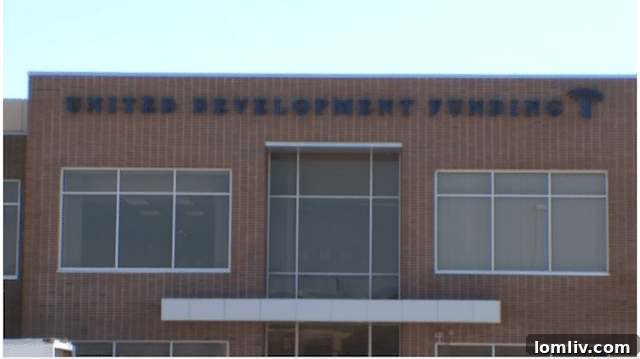
The saga intensified dramatically when the FBI raided United Development Funding’s offices, signaling a full-scale federal investigation into Bass’s claims. For days, agents were seen meticulously carrying boxes of documents out of the company’s premises, indicating the gravity of the probe. UDF, a significant player in the Texas real estate landscape, boasts a portfolio of over $1 billion in residential development financing across the state. This substantial footprint means any allegations of impropriety have far-reaching consequences for investors, developers, and the broader market.
Starting months prior to the raid, Kyle Bass began disseminating detailed reports and letters to the media, outlining his belief that UDF was engaged in widespread financial misconduct. His core assertions included the mishandling of investor Real Estate Investment Trust (REIT) funds, the systematic overstatement of asset values, and the issuance of improper loans to various developers. Bass did not mince words, famously branding UDF’s operations as a “billion dollar house of cards” and a “Ponzi-like real estate scheme.” His firm, Hayman Capital Management, even launched a dedicated website, UDFexposed.com, to consolidate and publicize their evidence against the company.
At the heart of Bass’s indictment is the claim that UDF allegedly functions as a classic Ponzi scheme. This type of fraudulent investment operation pays returns to earlier investors with money taken from later investors, rather than from actual profits. Bass alleges that UDF used new investor capital to meet obligations to existing investors, creating an unsustainable financial structure. If true, such a scheme would inevitably lead to bankruptcy, as predicted by Bass and his team.
The Concentration Issue: Centurion Development Under Scrutiny
A significant point of contention raised by Bass revolves around UDF’s alleged over-concentration of lending to a limited number of clients, with Centurion America being prominently cited. Bass’s concern is understandable: “The concentration issue becomes that much more problematic if the borrowers cannot repay the loans,” he stated. This kind of financial exposure can amplify risk, especially if a key borrower faces distress or if the underlying assets are not as robust as represented.
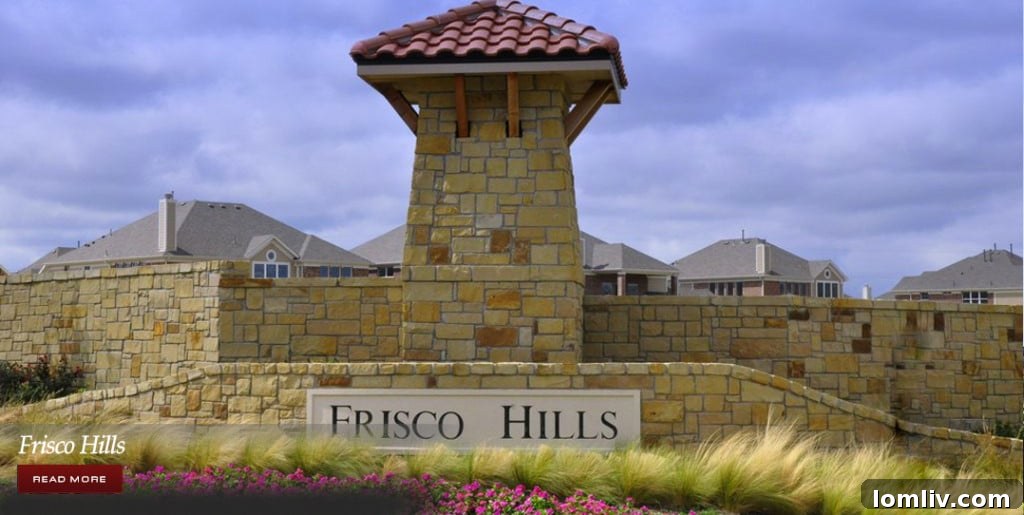
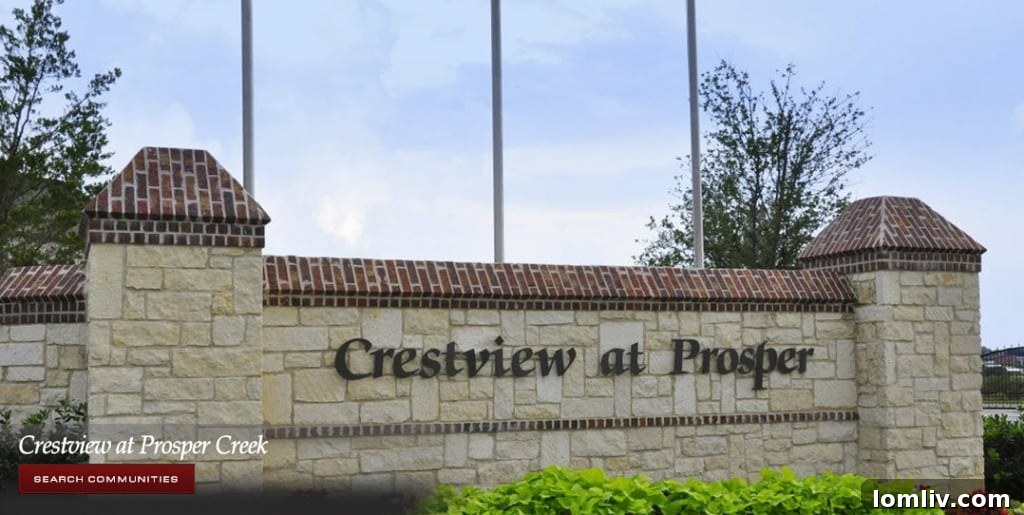
However, the inclusion of Centurion Development and its CEO, Mehrdad Moayedi, in this narrative immediately struck many in the local real estate community as perplexing. Centurion American is recognized as a titan in North Texas land development, with vast acreage of tangible assets secured by highly desirable lots. These developments are strategically located in some of the most sought-after areas of North Texas, including prestigious communities like The Normandy in Plano, Prosper, and Flower Mound. Unlike speculative ventures in declining markets, these are areas experiencing robust growth and strong demand. Furthermore, the North Texas real estate market itself has shown remarkable resilience and strength, a stark contrast to more volatile regions where practices like “house flipping” might signal speculative bubbles.
Many familiar with Centurion’s business model point out that the company has a reputation for shrewd acquisitions, often securing prime assets during market downturns and holding them until optimal conditions prevail – a “bottom-feeder” strategy that has proven highly successful. A notable example is Moayedi’s acquisition of the Stoneleigh Hotel out of bankruptcy, transforming it into a luxury landmark. Such a track record suggests a foundation of solid, appreciating assets, which seemingly contradicts the notion of a fragile “house of cards.”
Understanding REITs and Development Finance
To fully grasp the accusations, it’s essential to understand the distinction between traditional REITs and UDF’s alleged practices. A financial broker explained that REIT funds typically invest in tangible, income-producing real estate assets such as shopping malls, office complexes, hotels, or large residential neighborhoods. Investors in REITs usually derive income from the rental or lease payments generated by these “bricks and mortar” properties. This model relies on stable, predictable cash flows from physical assets.
Bass, however, claims that United Development Funding deviated significantly from this model, operating more like a bank for speculative builders rather than investing in established, income-generating properties. This distinction is crucial. If funds intended for stable, tangible real estate investments were instead funneled into riskier, speculative construction loans, it could expose investors to unforeseen levels of risk. Furthermore, the accusation that loans in one fund were improperly paid off using money from another fund points to potential financial commingling and mismanagement, which would certainly attract the attention of regulatory bodies like the FBI and SEC. If proven, such actions would indeed validate Kyle Bass’s position, potentially elevating him to a hero for protecting unsuspecting investors.





Perspectives from the Industry: Speculation and Skepticism
The real estate community’s reaction to Bass’s actions has been multifaceted, reflecting a mix of concern, skepticism, and even outright indignation. One developer, speaking anonymously, suggested that Bass’s true motivation might be financial gain through short selling UDF stock. When an investor “shorts” a stock, they profit if its value declines. Given that UDF’s stock plummeted following Bass’s reports and the FBI raid, this theory gained traction. This developer also lauded Mehrdad Moayedi as one of the most respected figures in Dallas real estate, emphasizing his integrity and the reliability of his word.
Another common observation among developers was the notion that Bass strategically brought Centurion Development into the spotlight to garner more media attention. Centurion, as North Texas’s largest landholder and with high-profile projects like the $175 million Statler Hotel renovation in downtown Dallas (partially funded by taxpayer incentives), is a far more compelling narrative than simply reporting on a group of investors losing money in a Grapevine REIT. The involvement of such a prominent entity ensures that “heads will turn” and the story will capture broader public interest.
A third perspective voiced concerns about what some perceive as an increasingly heavy-handed approach by regulatory bodies like the SEC and FBI. These critics suggest that recent years have seen a rise in “financial witch-hunts,” often staged as public relations spectacles of consumer protectionism, particularly in the aftermath of the 2008 credit default swap fiasco. The case of hedge fund magnate Steve Cohen was cited as an example. Cohen’s firm, SAC Capital, faced insider-trading charges in 2013, leading to a massive $1.8 billion penalty, though Cohen himself was never criminally charged. Interestingly, a civil case against Cohen by the SEC for alleged failures to supervise employees was later settled quietly, without an admission of guilt or a financial penalty, after a judicial panel repudiated the insider-trading cases. This precedent fuels the argument that financial investigations can be complex, often politically charged, and sometimes lack conclusive outcomes, leading to skepticism about the ultimate justice served.
UDF and Centurion Defend Their Position
In response to the accusations, UDF CEO Hollis M. Greenlaw vehemently denied Bass’s claims. He asserted that Bass’s allegations “clearly demonstrate a lack of understanding of the residential development project life cycle, which typically involves multi-phase master planned communities and the related financing structures.” Greenlaw’s statement suggests that Bass may be misinterpreting the complexities and extended timelines inherent in large-scale residential development financing, which often involve intricate, multi-stage funding mechanisms that might appear unusual to an outsider but are standard practice within the industry.
Centurion Development, through its CEO Mehrdad Moayedi, also issued a robust defense. Moayedi confirmed that “all of its debt with United Development is current and that UDF is one of more than two-dozen lenders the company does business with.” This statement directly addresses Bass’s “concentration issue,” by highlighting Centurion’s diversified funding sources. To manage the unfolding media narrative, Centurion wisely brought in a media expert, Harold Green of Green Public Affairs, who released an official statement:
“Centurion American’s primary business is land development, and like most developers, Centurion utilizes a variety of lenders to finance projects. UDF is just one of more than 30 lenders that Centurion American has utilized. Centurion American and its executives had a business relationship with UDF. Centurion American plans to move forward with its ongoing development plans in North Texas.”
This coordinated response from both UDF and Centurion underscores their determination to counter Bass’s narrative and reassure stakeholders. The investigation by the FBI and SEC remains ongoing, and its findings will ultimately determine the veracity of Kyle Bass’s accusations. The outcome will have significant repercussions, not just for United Development Funding and Centurion American, but for investor confidence and the broader landscape of real estate finance in Texas and beyond. Whether Kyle Bass will be hailed as a market savior or deemed a speculator who made a grave miscalculation remains to be seen. The stakes are undoubtedly high for all parties involved in this unfolding financial drama.