Reimagining Cedar Springs: A Critical Look at the Proposed Oak Lawn Development
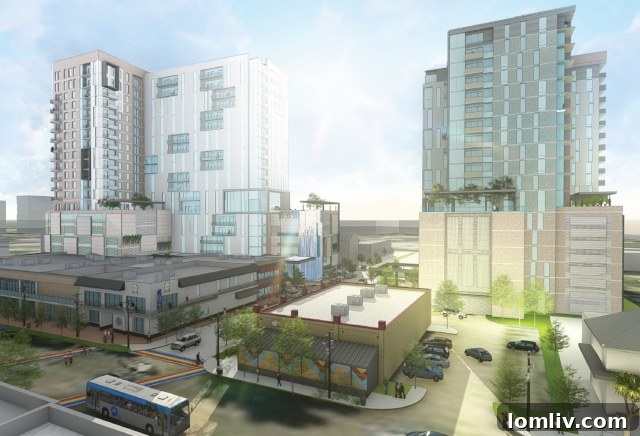
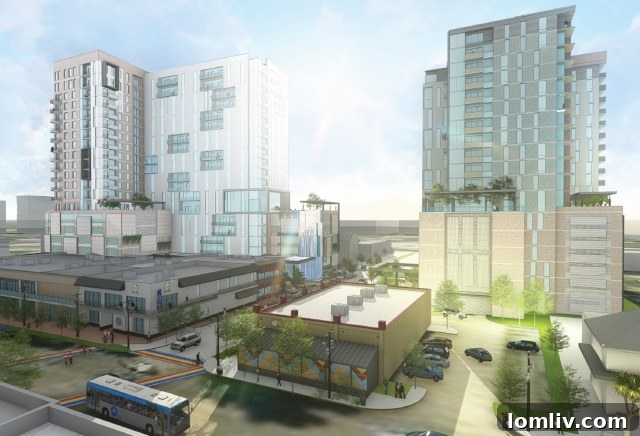
The vibrant pulse of Cedar Springs Road, the undeniable heart of Dallas’s historic Oak Lawn neighborhood, finds itself at a pivotal crossroads. A significant proposal from Mike Ablon and Caven Enterprises seeks to dramatically alter its landscape, specifically aiming to upzone parcels stretching from Reagan Street north to Throckmorton. This ambitious vision, which promises a modern transformation of a cherished district, recently faced scrutiny during a pivotal Tuesday night meeting of the venerable Oak Lawn Committee.
The Oak Lawn Committee, a cornerstone in safeguarding the unique character and interests of this iconic Dallas community, convened to deliberate on this sole, high-stakes agenda item. The proposed upzoning represents more than just a change in building codes; it signifies a potential shift in the very essence of Cedar Springs, a place celebrated for its cultural significance, dynamic nightlife, and deeply rooted community spirit. As the discussions unfolded, it became clear that the path forward for Cedar Springs would require a delicate balance between progress and preservation, a challenge that resonated throughout the committee’s intense questioning.
High Stakes & Opening Salvos: The Developer’s Urgent Plea
The presentation by Caven Enterprises, led by representative and former Dallas City Councilman Ed Oakley, commenced with a statement that immediately set a contentious tone for the evening. Oakley’s address to the Oak Lawn Committee was stark: approve the proposed development to ensure the preservation and survival of the neighborhood, or risk its very future. This bold assertion, framed as a dire warning, understandably ruffled feathers among committee members.
The sentiment from one committee member, voiced after the session – “I don’t respond well to threats” – encapsulated the prevailing feeling. Such an opening gambit, while perhaps intended to underscore the perceived urgency and necessity of the project, instead created an atmosphere of defensiveness and skepticism. Community representatives, particularly those tasked with protecting their neighborhood’s integrity, typically seek collaborative dialogue, not ultimatums. This initial exchange highlighted the inherent tension between a developer’s vision for growth and a community’s steadfast desire for thoughtful, respectful evolution.
The unusual brevity of the developer’s presentation, comprising only a few slides, further heightened the committee’s unease. In typical public hearings, developers provide comprehensive overviews, anticipating a thorough Q&A session. This concise approach left many questions unanswered, catching the committee off-guard and setting the stage for a more rigorous cross-examination than might have otherwise occurred. Despite the contentious start, several committee members took a moment to acknowledge Caven Enterprises’ long-standing and respected service to the gay community over many decades, a recognition of past goodwill that nonetheless did not soften the subsequent critical inquiry into the project’s specifics.
Unpacking the Details: Key Concerns and Unanswered Questions
The heart of the committee meeting lay in the detailed questions posed to Mike Ablon and Caven Enterprises. These inquiries delved into crucial aspects of urban living and community impact, reflecting the committee’s commitment to protecting the quality of life in Oak Lawn.
1. Noise Management and Community Assurance
One of the foremost concerns raised centered on potential noise pollution. The Cedar Springs district is renowned for its vibrant nightlife, and the introduction of new construction, coupled with an anticipated increase in density and activity from new bars or establishments, raises valid questions about amplified noise levels. The committee specifically inquired whether Ablon would consider implementing various covenants or deed restrictions to mitigate sound impacts on the surrounding residential areas.
Ablon’s response suggested that the language drafted for their proposed sub-district would inherently be more restrictive than traditional covenants or deed restrictions. While this assertion offered a theoretical safeguard, its effectiveness remains ambiguous. Critically, this sub-district wording has not been made publicly available, leaving the community without the means to verify its protective measures. Transparency in such critical urban planning documents is paramount for fostering trust and ensuring accountability, especially when addressing issues as sensitive as neighborhood tranquility. Without public access, the community must rely solely on the developer’s word, a situation that often fuels skepticism rather than reassurance.
2. The Persistent Parking Predicament
Parking in Oak Lawn, particularly on weekends, is already a notorious challenge. As a bustling entertainment district, Cedar Springs frequently grapples with an oversaturation of vehicles vying for limited spaces. The committee’s natural query revolved around how the proposed development would address, or exacerbate, this existing problem. Specifically, they asked how much additional parking would be provided for the neighborhood.
The answer was unequivocal: zero. The developer indicated that between the two phases of the project, the same number of spaces currently available on existing surface lots (a total of 268 spaces) would merely be replicated within the new parking garages. This means no net increase in parking capacity for a development designed to significantly increase density and attract more visitors and residents. This decision sparked considerable apprehension, as it suggests that the project, while offering structured parking for its own tenants, fails to alleviate the broader community’s parking woes. The inevitable consequence could be increased overflow into residential streets, heightening congestion and frustration for both residents and visitors.
Furthermore, Ablon highlighted the inclusion of a new, dedicated ride-sharing space located off Cedar Springs. While the concept of designated drop-off/pick-up zones aims to streamline traffic, its practical effectiveness is often debatable. The question lingers: will patrons truly utilize a dedicated space “around the corner” from their desired destination, or will ride-share and delivery vehicles continue to scatter wherever convenience dictates, exacerbating existing traffic flow issues? Experience in other urban centers suggests that user adherence to such dedicated zones can be inconsistent, potentially rendering the solution less impactful than intended.
3. The Controversial Height of the Parking Garage
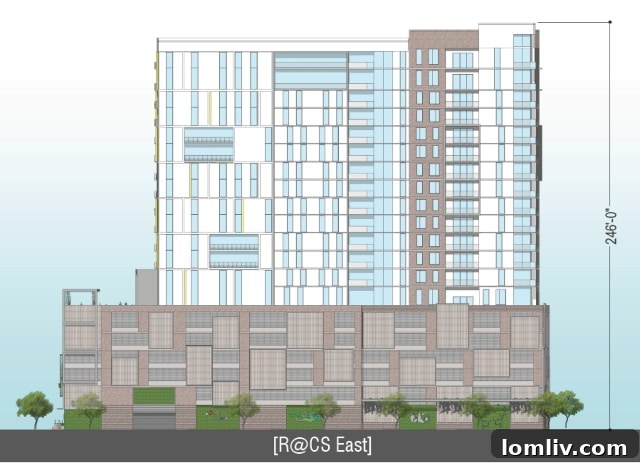
The design and height of the proposed parking facilities also drew significant attention and concern. There appeared to be a discrepancy in information, with Ablon stating one level of underground parking complemented by six levels above ground. This detail directly conflicted with earlier community impressions, which suggested a different configuration. If the developer’s current description holds true, the existence of a 75-foot above-ground parking garage becomes a major point of contention. The committee pressed for clarification on the height of the garage’s ceilings, a detail crucial for understanding its overall visual and physical impact.
The height of the garage, particularly its proximity to an existing residential neighborhood, sparked numerous comments. The prospect of a towering structure directly abutting homes raises valid concerns about shadows casting over residences, loss of privacy for neighbors, and a significant disruption to the established residential scale and aesthetic. Underground parking is almost universally preferred in urban residential contexts precisely because it minimizes these impacts, preserving viewsheds and maintaining a more harmonious neighborhood character. The strong emphasis on “not being underground” underscored the committee’s preference for solutions that blend more seamlessly into the community, even if they present a higher cost for the developer.
The Developer’s Dilemma: Cost, Profit, and Preservation
A recurring theme throughout the meeting was the developer’s rationale for various design choices. When challenged on aspects like building height, setbacks from property lines, or the overall streetscape design, the consistent response from the design team was that “the math (cost and profit) didn’t work” for alternative proposals. This justification, while understandable from a business perspective, often places economic viability in direct opposition to community desires and urban planning best practices.
The developer’s insistence that “preserving the existing bars was paramount over all” served as another key justification. While the commitment to maintaining the vibrant character of Cedar Springs through its iconic establishments is laudable, the committee questioned whether this commitment truly necessitated the proposed scale and design choices, especially those that compromise other aspects of neighborhood quality of life. True preservation might involve thoughtful integration and sensitive development that supports existing businesses without overwhelming the residential fabric or creating unmanageable infrastructure burdens.
This dynamic highlights a fundamental challenge in urban development: how to balance the imperative for profitability with the deeply held values and needs of a community. Developers, driven by market forces, seek efficient and cost-effective solutions. Residents, on the other hand, prioritize quality of life, aesthetic harmony, and the long-term sustainability of their neighborhood. When these two perspectives clash, as they did in this meeting, the negotiation process becomes intricate and often fraught with tension. The “math” justification, while financially sound for the developer, frequently leaves community members feeling that their input is secondary to economic considerations.
What Lies Ahead for Oak Lawn?
As the meeting concluded, the Oak Lawn Committee was left with a weighty decision. The path forward for this significant Cedar Springs proposal could unfold in one of three ways: the committee might accept the proposal as-is, signaling an approval of the developer’s vision; they might choose to negotiate, pushing for revisions and compromises on key contentious points like height, parking, and noise mitigation; or they could deny their support, effectively halting the project in its current form and sending the developers back to the drawing board.
Each outcome carries profound implications. An as-is approval could lead to rapid development but risks alienating residents and potentially degrading the very community character the committee seeks to protect. Negotiation, while more arduous, offers the opportunity for a more balanced outcome that integrates community feedback into the final design. A denial of support, though potentially delaying progress, would underscore the committee’s unwavering commitment to upholding high standards for development in Oak Lawn.
The overarching sentiment remains: there is still a better way. A better way that embraces progress without sacrificing the soul of a neighborhood. A better way that prioritizes thoughtful urban planning, genuine community engagement, and design solutions that truly enhance, rather than merely expand, the beloved Cedar Springs district. The decision of the Oak Lawn Committee will not just shape a few parcels of land; it will help define the future trajectory of one of Dallas’s most iconic and cherished neighborhoods.