Community Power Prevails: East Dallas Residents Halt Controversial Batch Plant Proposal
A recent proposal to establish a large-scale concrete and asphalt batch plant in East Dallas ignited a fierce community backlash, demonstrating the potent force of organized local opposition. When Dallas City Council member Paula Blackmon, representing District 9, initially announced a public information session about the controversial development, she unknowingly triggered a powerful wave of digital activism that would ultimately sway the project’s fate.
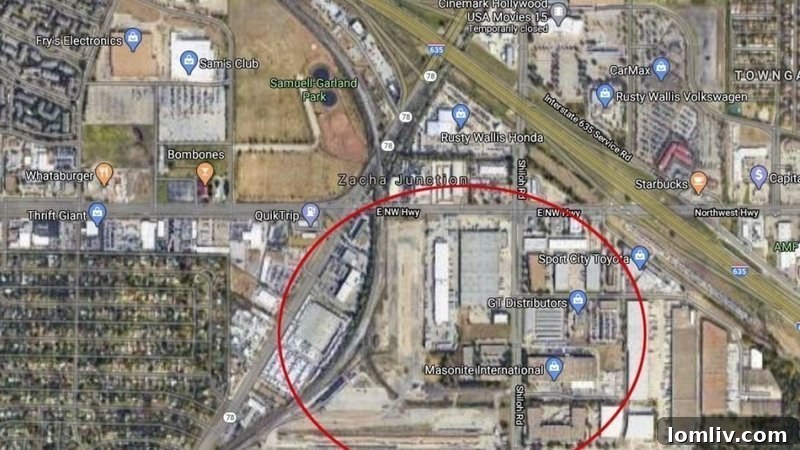
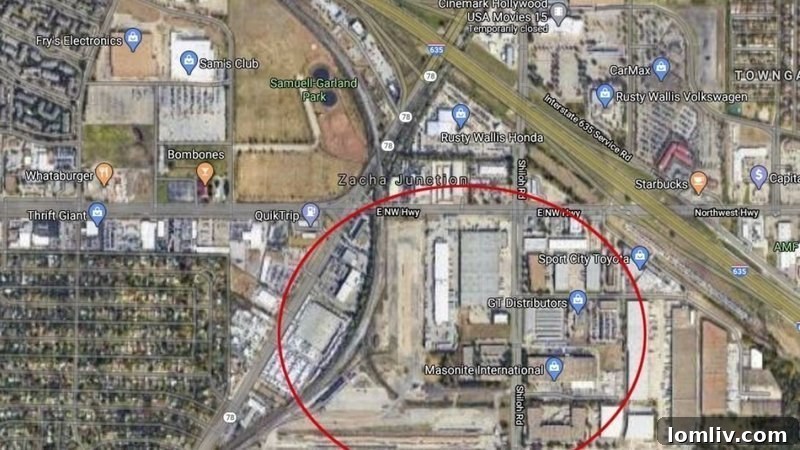
Residents of the Greater Casa View area, along with surrounding neighborhoods, quickly mobilized against the planned industrial facility. The proposed site, a substantial plot near the busy intersection of Northwest Highway and Garland Road, was immediately deemed unsuitable by community members who cited a myriad of pressing concerns. Blackmon’s announcement of a June 16 public information session to be held via Zoom served as the pivotal catalyst, transforming neighborhood communication channels into vibrant hubs of strategic planning and information dissemination.
A Resounding Call to Action: Former Councilman Mark Clayton Speaks Out
The gravity of the situation was underscored when Mark Clayton, Blackmon’s predecessor and former council representative for District 9, broke his post-retirement silence to vocally oppose the project. Clayton, known for his reserved public presence since leaving office, took to social media—a rare move for him—to express his profound concerns. His powerful statement on Facebook quickly gained traction, lending significant weight and credibility to the burgeoning opposition movement in East Dallas.
“It has started to circulate that Martin Marietta wants to put a concrete batch plant by the Hobby soccer fields in the Greater Casa View area at NW Hwy and Garland Road,” Clayton detailed in his widely shared post. He immediately highlighted the striking similarities between this new proposal and a previous one that had been decisively rejected by the Dallas City Council just a year and a half prior in the Joppe area of Southern Dallas. “This is almost an identical proposal,” Clayton asserted with conviction. “The reasons it was denied then are the same reasons it should be denied now, perhaps even more so given the current context of urban development.”
Past Precedent and Enduring Environmental Concerns in Dallas
Clayton eloquently articulated the primary issues that led to the earlier denial, concerns that remained equally pertinent, if not more pressing, to the Casa View proposal. He emphasized the profound apprehension surrounding potential air pollution, which includes hazardous particulate matter, silica dust, and other industrial emissions. These airborne pollutants could significantly impact respiratory health for thousands of residents, especially children attending nearby schools and individuals utilizing recreational facilities like the Hobby soccer fields. The long-term health implications of such continuous exposure were a major point of contention for local families.
Furthermore, Clayton warned of the devastating impact on property values, a common and well-documented consequence of industrial facilities being placed in close proximity to residential or mixed-use areas. Such a development would undoubtedly undermine the financial stability and investment of countless homeowners in the Casa View and Garland Road corridor, directly conflicting with the city’s efforts to revitalize these neighborhoods. He also highlighted the potential for increased noise pollution from heavy machinery and operations, further degrading the quality of life for those living nearby.
Finally, Clayton pointed to the inevitable surge in heavy truck traffic. These massive vehicles, transporting raw materials like sand, gravel, and cement, as well as finished concrete and asphalt products, would clog local residential streets. This would not only increase noise pollution significantly but also pose severe safety risks to pedestrians, cyclists, and other drivers, particularly near schools and parks. Moreover, the constant heavy vehicle movement would accelerate the wear and tear on existing road infrastructure, leading to increased maintenance costs for the city and further inconvenience for residents.
Clayton also exposed what he perceived as a misleading tactic by the applicant. “The only difference between that case and now is the spin on how they’re trying to sell it,” he explained. “It is the same applicant and the same zoning consultant, except the way they’re positioning it is that it’s for the 635 project. It isn’t. It never was.” He cautioned against falling for the narrative that this would be a temporary plant solely serving the Interstate 635 expansion. “It’s a sleight of hand that allows you to assume it’s a temporary plant for a temporary project. That plant will be there and will be the primary batch plant servicing the entirety of DFW for the life of its plant.” This crucial insight into the long-term, permanent nature of the industrial proposal further fueled community resolve, confirming widespread fears that the plant would become a permanent fixture, bringing with it permanent adverse effects on the community and environment.
The Digital Front Line: Neighbors Organize Virtually Against Dallas Batch Plant
In an era increasingly defined by digital connectivity, the community’s response was remarkably swift, organized, and highly effective. A whirlwind social media campaign rapidly coalesced, drawing together various neighborhood associations, deeply concerned residents, and local business owners throughout the Garland Avenue corridor. Their unified front vigorously opposed the proposed concrete and asphalt batch plant, which was being represented by the prominent land-use consulting firm Masterplan.

While the area near Northwest Highway and its intersection with Interstate 635 does exhibit some existing industrial characteristics, the City of Dallas has recently poured significant investments into revitalizing the region. These proactive efforts include designating new opportunity zones to attract diverse businesses, fostering sustainable growth, and undertaking crucial aesthetic enhancements to aging infrastructure. Residents passionately argued that introducing an intensive industrial operation like a concrete and asphalt batch plant would directly contradict and undermine all the diligent economic development work the city had initiated. Such a facility, they contended, would not only detract severely from the area’s aesthetic appeal but also deter future desirable investments, hindering the vision of a thriving, community-friendly district that the city was striving to create.
A Powerful Petition, Persistent Advocacy, and a Pivotal Decision in East Dallas
The community’s collective voice grew increasingly louder and more organized as the deadline for the council meeting approached. A powerful online petition rapidly amassed nearly 2,500 signatures, a clear and undeniable indicator of widespread opposition to the batch plant. This digital petition was further supplemented by an onslaught of direct emails, phone calls, and social media tags specifically targeting Council Member Blackmon’s office. The sheer volume, consistency, and compelling nature of these messages made it unequivocally clear that the East Dallas community was united and resolute in its stand against the proposed development.
The sustained public pressure ultimately proved decisive. On a Tuesday, days before the scheduled June 24th Council meeting where the zoning case would be deliberated, Blackmon publicly announced her decision, signaling a significant victory for the residents of District 9. “After listening intently to each of you that emailed, called, or tagged me on social media, I will NOT be supporting this project and will be moving to deny it at the June 24th Council meeting,” Blackmon declared. Her statement explicitly acknowledged the direct impact of robust citizen engagement, reaffirming the fundamental importance of community voices in local governance and land-use decisions. This outcome was a powerful testament to the efficacy of grassroots activism and robust public discourse in shaping urban development.
Understanding the Broader Implications: Environmental and Urban Planning Perspectives in Dallas
The proposed concrete and asphalt batch plant in East Dallas, and its subsequent rejection, highlights critical urban planning and environmental considerations that resonate far beyond the immediate neighborhood. Such industrial facilities are known to generate substantial environmental impacts, including significant air pollution in the form of fine particulate matter, silica dust, and volatile organic compounds (VOCs). These emissions pose serious health risks, ranging from respiratory illnesses like asthma and bronchitis to more severe long-term conditions. The proximity of the proposed plant to residential areas, numerous schools, and vital recreational spaces like the Hobby soccer fields amplified these health concerns for hundreds of families, demanding urgent attention from local authorities.
Beyond air quality degradation, batch plants contribute significantly to noise pollution, which can severely disrupt the peace and quiet of residential life, leading to chronic stress, sleep disturbances, and a reduced quality of life for nearby inhabitants. The constant hum of heavy machinery, coupled with the incessant movement of large industrial trucks, creates an undesirable and often unbearable living environment. Furthermore, water runoff from these industrial sites can carry various contaminants, posing substantial risks to local waterways, soil quality, and delicate ecosystems if not properly managed and treated. These cumulative environmental factors directly contradict the city’s broader goals of fostering sustainable, healthy, and livable communities for all its residents.
Balancing Industrial Development with Community Well-being in Dallas’s Urban Fabric
This case also powerfully underscores the delicate balance urban planners and city councils must continuously strike between facilitating economic development and rigorously safeguarding the well-being and property interests of existing residents. While industrial growth is often championed as a vital driver of economic prosperity and job creation, its placement and integration into the urban fabric must be meticulously considered, especially in rapidly urbanizing and densifying areas like Dallas. The city’s investment in opportunity zones and aesthetic improvements in the Casa View corridor explicitly aimed to enhance livability, attract diverse businesses, and foster a vibrant, community-oriented environment, not detract from it with heavy industry.
The strong and organized community opposition demonstrated that Dallas residents are increasingly aware of their environmental rights and are prepared to advocate vigorously for the protection of their neighborhoods and quality of life. The precedent set by the Joppe area denial, as effectively highlighted by Mark Clayton, indicates a growing recognition within the Dallas City Council that certain intensive industrial uses are simply incompatible with residential and mixed-use areas, regardless of short-term economic arguments. This decisive victory for East Dallas residents serves as a powerful reminder that sustained, informed, and organized community activism can effectively influence policy decisions and robustly protect local quality of life.
The resolution in District 9 provides valuable lessons for other communities within Dallas and beyond that may be facing similar development challenges: the importance of early engagement, effectively leveraging digital platforms for broad mobilization, and presenting a unified front rooted in legitimate concerns about public health, environmental integrity, and property values. It reinforces the fundamental idea that true sustainable development must proactively integrate comprehensive community input and prioritize the long-term health, safety, and prosperity of its citizens over potentially detrimental industrial expansion in inappropriate locations within established neighborhoods.
For more detailed information on the proposed batch plant and the deliberation process, the documents originally provided by Council Member Blackmon offer further insight into the specifics of the proposal and its municipal review: