Navigating North Texas Real Estate in 2020: Key Trends and Expert Insights
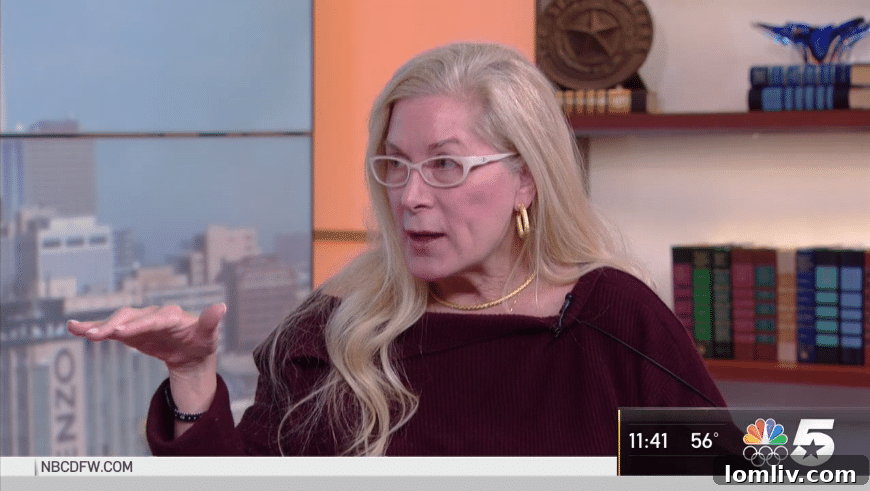
The year 2020 marked a pivotal moment for the Dallas real estate landscape, ushering in a period of significant adjustment. As shared by the esteemed Candy Evans, founder and publisher of Daltxrealestate.com, during her appearance on KXAS (Channel 5), the North Texas market began to experience evolving tastes, strategic market corrections, and a stabilization of property prices. This forecast provided invaluable guidance for buyers, sellers, and investors alike, highlighting the dynamic nature of one of the nation’s most robust housing markets.
North Texas, particularly the Dallas-Fort Worth Metroplex, has long been a magnet for growth, fueled by corporate relocations, a thriving job market, and a desirable quality of life. However, even in such a vibrant environment, market shifts are inevitable. Evans’ insights underscored the importance of understanding these nuances to make informed decisions in a competitive yet maturing market.
The Shifting Aesthetics: From Minimalist to Masterpiece
One of the most compelling trends observed in 2020, especially within the luxury property segment, was a distinct departure from the once-ubiquitous “sterile white box” aesthetic. For years, minimalist, all-white interiors dominated design preferences, emphasizing clean lines and uncluttered spaces. While contemporary design undoubtedly maintains its appeal, the market began to show a strong inclination towards a richer, more traditional elegance, particularly in high-end homes.
Buyers, especially those seeking luxury, started to yearn for properties that exuded warmth, character, and enduring craftsmanship. This shift marked a return to:
- Rich Wood Tones: From deep walnut cabinetry to classic oak flooring, the allure of natural wood tones brought a sense of timeless sophistication and comfort back into homes. These elements ground a space, providing a feeling of permanence and luxury that monochrome palettes often lack.
- Expert Craftsmanship: In an era of mass production, discerning buyers increasingly valued bespoke features and meticulous attention to detail. This included custom millwork, hand-finished carpentry, intricate tile work, and built-in elements that speak to a property’s unique heritage and quality construction.
- Textural Variety: Beyond just color, the incorporation of varied textures – think natural stone, luxurious fabrics, and artisan finishes – added depth and interest, creating inviting and visually engaging environments.
- Architectural Character: While modern architecture continued to evolve, there was renewed appreciation for homes that incorporated traditional architectural elements, whether through classical proportions, distinctive rooflines, or thoughtfully designed facades.
This evolving design preference wasn’t merely a fleeting fad; it reflected a desire for homes that offer a sense of sanctuary, history, and personal expression. Luxury properties, often acting as trendsetters, were at the forefront of this movement, showcasing how modern comforts could harmoniously blend with classic design principles.
Understanding Market Adjustments and Price Plateaus
Another crucial insight from Candy Evans concerned the general market adjustment and the plateauing of home prices across North Texas. After years of rapid appreciation, 2020 brought a period of more stable growth. This didn’t signify a market downturn but rather a healthy recalibration, allowing the market to catch its breath after a prolonged period of intense activity.
Several factors contributed to this plateau:
- Increased Inventory: A growing number of homes coming onto the market provided buyers with more choices, easing some of the competitive pressures that had driven bidding wars in previous years.
- Interest Rate Fluctuations: While generally low, changes in interest rates could impact affordability and buyer confidence, subtly influencing market momentum.
- Buyer Fatigue: Some buyers who had been priced out or consistently outbid in previous years adopted a more cautious approach, waiting for more favorable conditions.
- Economic Outlook: Broader economic trends, even in a strong market like North Texas, can prompt a more conservative approach from both buyers and sellers.
For buyers, a plateauing market often translates to more negotiation power, a longer decision-making period, and a greater opportunity to secure a home without overpaying. For sellers, it meant adjusting expectations from immediate multiple offers to a more strategic pricing and marketing approach, emphasizing value and unique property features.
It’s important to note that “plateauing” doesn’t mean prices were falling uniformly. Rather, the exponential year-over-year gains began to moderate, leading to a more sustainable growth trajectory. This adjustment was crucial for maintaining the long-term health and stability of the North Texas real estate market.
The Enduring Appeal of Contemporary Design
While traditional aesthetics gained traction, Candy Evans also affirmed that contemporary design remained a significant force in the market. The evolution of contemporary style, however, began to incorporate elements of warmth and personality, moving beyond purely stark and minimalist interpretations.
Modern homes in 2020 and beyond were increasingly featuring:
- Warmer Neutral Palettes: Instead of stark white, contemporary spaces embraced greys, beiges, and muted tones that still offered a clean backdrop but with added warmth.
- Natural Materials: Concrete, exposed brick, large-format tiles, and reclaimed wood integrated seamlessly into modern designs, adding texture and organic appeal.
- Smart Home Integration: Technology continued to be a cornerstone of contemporary living, with smart systems for lighting, climate, security, and entertainment becoming standard expectations.
- Open-Concept Living with Defined Zones: While open floor plans remained popular, there was a growing desire for subtle design elements—like strategically placed furniture, area rugs, or changes in ceiling height—to delineate functional zones within large, open spaces.
The key takeaway was versatility. Whether a buyer preferred traditional charm or modern sleekness, the market was increasingly offering designs that blended comfort with sophistication, quality with style.
Beyond the Home: Why North Texas Continues to Thrive
The health of the Dallas real estate market extends beyond individual property trends and pricing adjustments. North Texas consistently ranks among the top regions for economic growth and population migration, factors that fundamentally underpin its real estate strength.
- Economic Powerhouse: Dallas-Fort Worth boasts a diversified economy with leading sectors in technology, finance, healthcare, transportation, and energy. This robust job market attracts talent and investment, creating a continuous demand for housing.
- Corporate Relocations: Major corporations continue to choose North Texas for their headquarters and regional operations, bringing with them thousands of jobs and fueling housing demand across various price points.
- Infrastructure Development: Ongoing investments in transportation networks, public amenities, and urban revitalization projects enhance the quality of life and property values throughout the region.
- Diverse Housing Options: From bustling urban lofts to sprawling suburban estates and charming exurban communities, North Texas offers a vast array of housing styles and environments to suit diverse lifestyles and budgets.
These foundational strengths ensure that while market dynamics may shift from year to year, the long-term outlook for North Texas real estate remains exceptionally positive. The adjustments observed in 2020 were not a sign of weakness but rather a testament to a maturing market adapting to evolving consumer preferences and broader economic rhythms.
Navigating the Market: Advice for Buyers and Sellers in an Evolving Landscape
In a market characterized by adjustment and changing tastes, strategic planning becomes paramount for both buyers and sellers.
For Buyers:
- Define Your Style: Understand if your preference leans towards the new wave of traditional elegance, a refined contemporary look, or a blend of both. This clarity will streamline your search.
- Focus on Value and Quality: With plateauing prices, this is an opportune time to prioritize well-built homes with quality finishes and desirable features, rather than just chasing the lowest price.
- Work with a Local Expert: An experienced North Texas real estate agent will have an intimate understanding of neighborhood-specific trends, pricing strategies, and available inventory, providing a crucial advantage.
- Be Patient but Prepared: While some urgency may have lessened, prime properties in desirable locations still move quickly. Have your financing in order and be ready to act when the right home appears.
For Sellers:
- Stage for Modern Tastes: If your home features the “sterile white box” aesthetic, consider warming it up with strategic decor, textiles, and perhaps even some richer paint tones or wood accents to appeal to current preferences.
- Highlight Craftsmanship and Unique Features: Emphasize any custom elements, high-quality materials, or unique architectural details that differentiate your property from the competition.
- Price Strategically: In a plateauing market, competitive and realistic pricing is key to attracting buyers. Overpricing can lead to extended market time and eventual price reductions.
- Professional Presentation: Invest in high-quality photography and virtual tours to showcase your home’s best attributes, capturing the attention of online buyers.
Candy Evans’ insights from 2020 served as a critical reminder that real estate is a continually evolving industry. Success lies in understanding these shifts and adapting strategies accordingly. Her platform, Daltxrealestate.com, continues to be an essential resource for staying abreast of the latest developments and expert analyses in the vibrant North Texas market.
The 2020 market, while requiring adjustments, ultimately fostered a healthier, more balanced environment. It encouraged a return to valuing quality, craftsmanship, and personalized design, ensuring that North Texas homes would continue to be not just investments, but true havens for their owners for years to come.