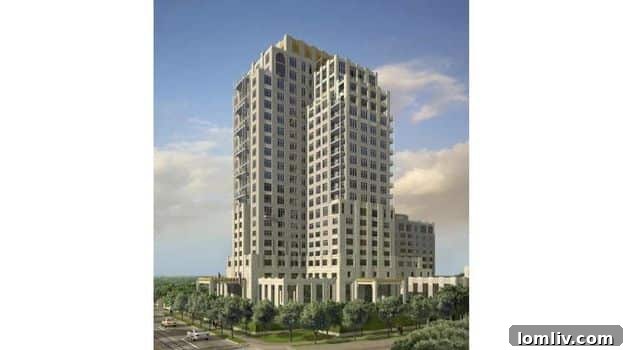
Navigating the Dallas Luxury Condo Market: Finding Your Niche in an Exclusive Small Building
The allure of downtown Dallas is undeniable, particularly for those seeking the sophistication and convenience of urban living. Among the gleaming skyscrapers and vibrant cultural scene, a unique segment of the market caters to discerning buyers: luxury condos in exclusive, smaller buildings. These properties often promise a blend of privacy, bespoke amenities, and a sense of community distinct from the towering high-rises. However, as one reader recently highlighted, valuing such a unique property, especially without professional representation, presents a significant challenge. This article delves into the complexities of finding accurate comparables in the Dallas luxury condo market, offering strategies for buyers navigating this intricate landscape.
I am very interested in buying a condo near downtown Dallas in an exclusive, small building. The price is over $600 per square foot. I am doing this without a Realtor for personal reasons.
My question is this: I know that condo sales at the Ritz, Museum Tower and One Arts are also in that same price per square foot range, but I wonder if those are fair comparables? They are very different buildings. How would I go about finding comparables in an area saturated with big high rises? Thanks!
The Unique Challenge of Valuing an Exclusive Small Building Condo
Dear Reader, your question perfectly encapsulates a common dilemma for astute buyers in the high-end real estate market. The desire for an exclusive, intimate living space near downtown Dallas is understandable, and it speaks to a specific lifestyle choice. The price point of over $600 per square foot firmly places you within the luxury segment, where nuances in property features, building characteristics, and market perception play a magnified role in valuation.
Your intuition is spot on: comparing a condo in a small, exclusive building to units in large, amenity-loaded high-rises like The Ritz, Museum Tower, or One Arts Plaza is indeed problematic. While the price per square foot might appear similar on the surface, these properties offer fundamentally different value propositions. Large high-rises typically boast extensive amenities such as multiple pools, spas, fitness centers, concierge services, valet parking, and on-site dining. Their sheer scale often means a larger resident base, different HOA structures, and varying levels of privacy. A smaller, exclusive building, by contrast, might offer more personalized service, greater privacy, unique architectural design, and potentially lower HOA fees due to fewer shared amenities. These distinctions make direct “apple-to-apple” comparisons incredibly difficult.
The Dallas real estate market, particularly downtown, is indeed saturated with grand, amenity-rich towers. This dominance further complicates the search for truly relevant comparables for a boutique property. To accurately assess value, one must look beyond headline numbers and delve into a more granular analysis of what makes each property distinct and how those differences translate into market price.
Navigating the Market Without a Realtor: A Strategic Approach
While the decision to purchase without a Realtor is a personal one, it’s crucial to acknowledge the additional responsibilities and potential pitfalls. Research consistently shows that buyers who forgo agent representation may inadvertently overpay or overlook critical details. A seasoned Dallas luxury real estate agent brings invaluable market knowledge, access to proprietary sales data, negotiation expertise, and a network of trusted professionals (appraisers, attorneys, inspectors).
However, if you’re committed to proceeding independently, you must effectively step into the role of your own agent, taking on the burden of due diligence and market analysis. This requires a systematic and diligent approach, focusing on gathering comprehensive data and understanding market dynamics that a professional agent would typically provide. Your success will hinge on your ability to replicate, as much as possible, the intricate process of professional real estate valuation and transaction management.
Strategies for Finding Accurate Condo Comparables in Dallas
Given the complexity, finding appropriate comparables for your desired luxury condo in a small Dallas building requires a multi-faceted approach. Here’s how to proceed:
1. Define Your Micro-Market and Property Profile
- Hyper-Local Focus: Downtown Dallas is diverse. Narrow down your search to specific blocks or sub-neighborhoods that share the character of the building you’re considering. Are there other exclusive, smaller buildings in the immediate vicinity?
- Building Attributes: What makes this “exclusive, small building” unique? Is it a historic conversion, a newly constructed boutique tower, or a property with a specific architectural style? What is its age, construction quality, and reputation?
- Unit Specifics: Beyond square footage, consider the number of bedrooms/bathrooms, floor level, view (cityscape, park, water), finishes (high-end custom vs. standard luxury), outdoor spaces (balconies, terraces), and parking arrangements.
2. Accessing Sales Data and Public Records
- Appraisal District Websites: The Dallas Central Appraisal District (DCAD) website is an invaluable public resource. You can search for properties by address and often find detailed property characteristics, recent sales prices (though sometimes delayed), and ownership information. Look for properties with similar square footage and attributes.
- Online Real Estate Portals (with caution): Websites like Zillow, Redfin, and Realtor.com display active listings and sometimes historical sales data. While useful for general trends, their “Zestimates” or automated valuations for unique luxury properties can be highly inaccurate. Use them to identify *potential* comparables, then cross-reference with public records.
- Subscription Services (Limited Access): Real estate professionals have access to the Multiple Listing Service (MLS), which provides the most comprehensive and up-to-date sales data. You might consider purchasing a one-time appraisal or consulting with an appraiser who can provide a list of recent comparable sales from the MLS.
3. Identifying and Adjusting for Comparables (Comps)
Once you have a list of potential comparables, the real work begins. No two properties are identical, so you’ll need to make adjustments:
- Genuine Small Building Comps: Prioritize sales in other small, exclusive buildings within your defined micro-market. These are your strongest comparables. Search for keywords like “boutique,” “exclusive,” “loft conversion,” “historic luxury,” or specific building names known for their unique character.
- Location Adjustments: Even within downtown, proximity to parks, specific cultural institutions, or transportation hubs can impact value.
- Age and Condition Adjustments: Newer construction typically commands a premium. Well-maintained historic buildings with modern upgrades can also compete, but deferred maintenance will negatively impact value.
- Amenity Adjustments: This is critical. If your target building has limited amenities compared to a Ritz, Museum Tower, or One Arts, you’d need to adjust the price of the larger high-rise downward to account for the difference in amenity value. Conversely, if your target property offers unique, high-value amenities (e.g., private elevator access, exclusive rooftop garden, bespoke services) not found elsewhere, you might adjust comparables upward.
- View and Floor Level: Higher floors and unobstructed, desirable views consistently command higher prices.
- Finishes and Upgrades: Custom cabinetry, high-end appliances, smart home technology, and designer finishes all add value.
- HOA Dues and Financial Health: Consider not just the monthly fee, but what it covers. Also, research the financial health of the HOA – significant reserves indicate a well-managed building, while deficits can lead to special assessments.
4. Consulting Independent Experts
- Professional Appraiser: This is perhaps your most crucial step. Hire a licensed appraiser experienced in luxury urban properties in Dallas. An appraiser will provide an unbiased valuation, access the MLS, conduct a thorough property inspection, and apply recognized valuation methodologies to deliver a comprehensive report. This is an investment that can save you tens of thousands of dollars.
- Real Estate Attorney: Engage a real estate attorney early in the process, especially if you’re not using an agent. They can review contracts, advise on contingencies, ensure proper disclosures, and protect your legal interests.
- Local Market Analysts: Some real estate consulting firms offer market analysis reports that can provide deeper insights into specific segments of the Dallas luxury market.
Beyond Comparables: Understanding Market Dynamics
While comparables are the backbone of valuation, a holistic understanding of the Dallas luxury condo market is also vital:
- Supply and Demand: Is there a limited supply of “exclusive, small building” condos in your desired area? Scarcity can drive up prices.
- Absorption Rate: How quickly are similar luxury condos selling? A low absorption rate (many months of inventory) suggests a buyer’s market, while a high rate suggests a seller’s market.
- Economic Indicators: Consider broader economic health, interest rates, and employment trends in Dallas, as these can influence the luxury housing market.
Mitigating Risks When Buying Unrepresented
Since you’re proceeding without an agent, here are critical steps to protect your investment:
- Thorough Due Diligence: Beyond comps, meticulously review all HOA documents (bylaws, CC&Rs, financial statements, meeting minutes), disclosure forms, and previous inspection reports.
- Property Inspection: Hire a reputable home inspector to identify any structural, mechanical, or cosmetic issues. Consider specialists for HVAC, electrical, or plumbing if needed.
- Contingencies: Ensure your purchase contract includes contingencies for financing, inspection, and a review period for HOA documents and disclosures.
- Negotiation Strategy: Research recent selling price vs. listing price ratios for similar properties to inform your offer. Be prepared to walk away if the price doesn’t align with your valuation.
Conclusion: Empowering Your Luxury Condo Purchase
Your interest in an exclusive, small building condo near downtown Dallas represents a sophisticated real estate pursuit. While the challenge of finding appropriate comparables is real, it is surmountable with diligence and the right strategic approach. Do not underestimate the value of professional counsel from an independent appraiser and a real estate attorney, even if you opt out of full agent representation. By meticulously defining your target property, leveraging public and expert data, making intelligent adjustments for differing features, and understanding broader market dynamics, you can confidently navigate the Dallas luxury condo market and make an informed decision that aligns with the true value of your desired property. Happy hunting!