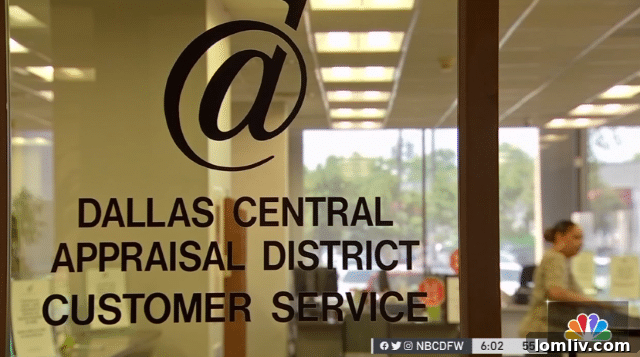
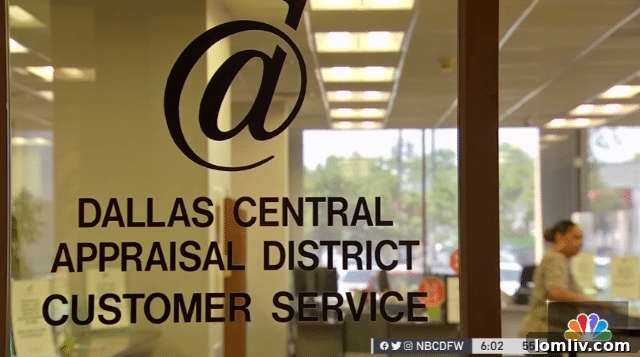
The digital backbone of North Texas real estate has been severely tested by a prolonged online outage affecting the Dallas Central Appraisal District (DCAD). This critical disruption, stemming from a sophisticated ransomware attack, has cast a long shadow over property transactions, appraisal processes, and crucial homeowner services across the region. As days turn into weeks, the real estate community and property owners alike are grappling with unprecedented challenges, underscoring the vital importance of digital infrastructure in modern governance and commerce.
For North Texas real estate agents, the impact has been immediate and profound. Candy Evans, a seasoned real estate expert from Daltxrealestate.com, articulated the frustrations to NBC5, stating, “It’s giving everyone more headaches, more work, and slowing the whole process down. They’re down to working on paper.” This reversion to manual processes in an increasingly digital world highlights the vulnerability of systems we often take for granted. Agents rely on DCAD’s online portal for essential property information, including appraisal values, ownership details, tax histories, and homestead exemption statuses. Without this readily accessible data, due diligence becomes a cumbersome, time-consuming task, potentially delaying closings and impacting buyer confidence and transaction timelines. The ripple effect extends to mortgage lenders, title companies, and even developers, all of whom depend on accurate and timely property data.
The Anatomy of a Cyberattack: DCAD Under Siege
The cyberattack on DCAD first became publicly known on November 8th, plunging the district’s online services into disarray. While the main website remains offline, visitors are redirected to a state-mandated landing page, a temporary measure that barely scratches the surface of the functionality lost. This incident serves as a stark reminder of the ever-present threat of cyber warfare targeting even local government entities that manage sensitive public data. The nature of the attack, identified as ransomware, points to a deliberate and malicious effort to disrupt operations and extort payment.
Ransomware attacks represent a particularly insidious form of cybercrime. They typically involve malicious software that infiltrates an organization’s network, encrypts its data, rendering it inaccessible until a ransom, usually in cryptocurrency, is paid. The perpetrators often exploit vulnerabilities in software systems or, more commonly, leverage human error through phishing schemes. As Patrick Costello, co-founder and principal of evolvemga.com, explained to Daltxrealestate.com on November 17th, “Most likely someone clicked on a link and it invaded the DCAD system.” This common vector underscores the critical need for robust cybersecurity training and awareness across all levels of an organization, from front-line staff to top executives. The decision to pay a ransom is complex, often debated, as it doesn’t guarantee data recovery and can embolden future attacks, while refusing to pay can mean prolonged disruption and potential data loss.
The Ripple Effect on Real Estate and Property Owners
DCAD plays an indispensable role in the North Texas property ecosystem. Its core functions include appraising property values, processing property tax protests, and managing homestead exemptions. These services are not merely administrative; they are foundational to fair taxation, property transactions, and homeowner financial planning. The ongoing outage has paralyzed these vital operations, creating a significant backlog and uncertainty for thousands of Dallas County residents and businesses, impacting their financial well-being and legal obligations.
- Property Appraisals: The inability to access current appraisal data or process new appraisals significantly complicates property listings, lending decisions, and property tax assessments for the upcoming year. Lenders need accurate appraisals to approve mortgages, while buyers and sellers rely on this data for fair market valuations.
- Tax Protests: Homeowners and businesses typically have a window each year to protest their property valuations if they believe them to be inaccurate. With the system offline, the mechanism for submitting and processing these protests is severely compromised. This delay could lead to unresolved disputes, potentially resulting in unfair or inflated tax burdens for property owners who miss critical deadlines or cannot present their case effectively.
- Homestead Exemptions: Perhaps one of the most critical impacts on individual homeowners is the inability to process homestead exemptions. These exemptions reduce the taxable value of a primary residence, offering significant savings on property taxes. Cheryl Jordan with DCAD confirmed to The Dallas Morning News that “the office is unable to process those exemptions.” This delay could mean higher tax bills for eligible homeowners, straining household budgets during an already challenging economic period.
The collective anxiety within the real estate market is palpable. Agents face difficulty advising clients on accurate property values, buyers hesitate due to incomplete information, and sellers grapple with potential delays in transactions, sometimes leading to deals falling through. The entire process, from listing to closing, relies on the timely and accurate flow of information that DCAD usually provides, making its current state a significant bottleneck for economic activity in Dallas County.
DCAD’s Resilient Response and the Road to Recovery
In the face of this unprecedented challenge, DCAD’s IT employees are working tirelessly, around the clock, to restore services. Cheryl Jordan emphasized their dedication, stating they are “working around the clock to rebuild databases and get the website functional again.” The task of rebuilding compromised databases is monumental, requiring meticulous effort to ensure data integrity and security before bringing systems back online. This often involves isolating affected systems, cleaning corrupted data, restoring from secure, uncompromised backups, and rigorously testing all functionalities. Such a process demands highly specialized skills, significant resources, and can unfortunately take extensive time, causing ongoing frustration for the public.
The distinction between DCAD and the Dallas County tax office provides a small silver lining for property owners. Jordan confirmed that “the Dallas County tax office is not affected.” This means homeowners can still fulfill their property tax obligations before the January 31st deadline, preventing penalties for late payments. While DCAD is crucial for appraisals and exemptions, the actual collection of taxes falls under a separate, unaffected entity, which maintains its own systems and records. “We can collect information,” Jordan noted regarding DCAD’s current limited capacity, “We just can’t do anything with them right now.” This statement underscores the immense backlog of unprocessed requests and data that awaits resolution once the systems are fully operational, creating a potential flood of work for staff upon restoration.
Broader Implications: Cybersecurity in Public Services
The DCAD incident is a potent reminder that critical public services, which are often the custodians of vast amounts of sensitive personal and financial data, are increasingly lucrative targets for cyberattacks. The involvement of the FBI in investigating this attack, as reported, highlights its severity and the broader implications for national security, critical infrastructure, and the integrity of governmental operations. Federal agencies often assist local entities in forensic analysis, threat mitigation, and the development of more robust security protocols to prevent future incidents, sharing intelligence and resources to combat sophisticated cyber adversaries.
This event compels a deeper conversation about the cybersecurity posture of all public sector organizations. Investing in advanced threat detection systems, comprehensive employee training on cyber awareness, and developing detailed incident response and disaster recovery plans is no longer optional but an imperative. The upfront cost of prevention, while significant, pales in comparison to the economic disruption, reputational damage, potential legal liabilities, and loss of public trust that can result from a successful cyberattack. It underscores the need for continuous vigilance and adaptation to evolving cyber threats.
Protecting Yourself: Essential Cybersecurity Best Practices
While organizations like DCAD work diligently to fortify their defenses, individuals and smaller businesses also play a crucial role in the broader cybersecurity landscape. Patrick Costello’s advice rings particularly true for everyone in the digital age: “Do not click on unknown emails ever, and be especially careful transferring money.” This fundamental principle is the first and often most effective line of defense against many types of cyber threats, including ransomware and phishing scams that aim to steal credentials or financial information.
Here are actionable steps individuals and businesses can take to enhance their cybersecurity, contributing to a safer digital environment for all:
- Be Vigilant with Emails and Links: Always verify the sender of an email, especially if it contains unexpected links, attachments, or requests for sensitive information. Hover over links to check their true destination before clicking. Phishing attempts remain a primary vector for ransomware and other data breaches.
- Utilize Strong, Unique Passwords: Create complex passwords for all online accounts, ideally using a combination of uppercase and lowercase letters, numbers, and symbols. Consider using a reputable password manager to store and generate these unique passwords. Enable multi-factor authentication (MFA) wherever possible for an added, crucial layer of security, as it requires a second form of verification beyond just a password.
- Perform Regular Software Updates: Keep operating systems, web browsers, antivirus software, and all other applications up to date. Software updates frequently include critical security patches that address newly discovered vulnerabilities that cybercriminals might exploit.
- Implement Data Backups: Regularly back up important data to external hard drives or secure, off-site cloud services. This can significantly mitigate the impact of data loss from ransomware attacks, hardware failures, or other unforeseen incidents, allowing for quicker recovery.
- Educate Yourself and Your Team: Stay informed about common cyber threats, new scams, and best practices in cybersecurity. For businesses, regular cybersecurity training for employees is essential to create a human firewall against common attacks.
The DCAD outage serves as a powerful case study in the modern digital age, illustrating the profound interconnectedness of technology, public service, and economic stability. As North Texas navigates this challenging period, the focus remains on resilient recovery, enhanced security measures, and fostering a heightened sense of cybersecurity awareness across the community. This incident is a wake-up call, emphasizing that investing in digital defense is as critical as investing in physical infrastructure.
The path to full recovery for DCAD will undoubtedly be arduous, demanding patience and cooperation from all stakeholders. However, it presents a critical opportunity for strengthening digital defenses, upgrading systems, and ensuring the continuity and security of essential services for the future. The real estate market, homeowners, and businesses eagerly await the full restoration of DCAD’s online capabilities, hopeful for a swifter, more secure digital future where such disruptions can be effectively prevented or quickly mitigated.