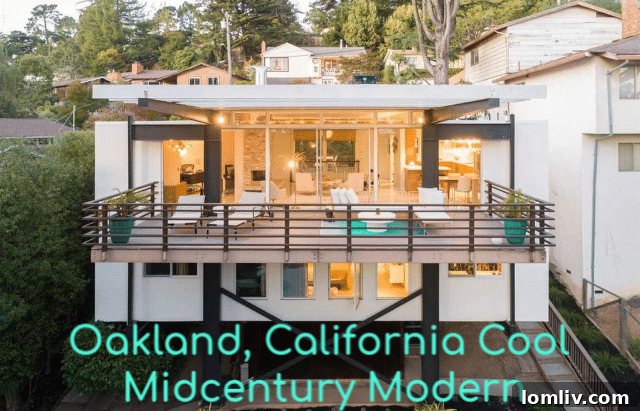
Montclair’s Midcentury Modern Masterpiece: A Home with a Rich and Complex History
Nestled within the verdant hills of Montclair, a neighborhood renowned for its architectural diversity and stunning natural beauty, lies a particular Midcentury Modern home that stands as a testament to an iconic era of design. Far more than just a structure of glass and wood, this residence embodies the spirit of its time, presenting a compelling narrative woven with innovative design, breathtaking views, and a history as intricate and layered as its sophisticated architecture. Often referred to simply as “Oakland’s MidMod,” this property captures the imagination of design enthusiasts and history buffs alike, offering a rare glimpse into a past that is both glorious and, at times, unexpectedly “thorny.”
The Enduring Allure of Midcentury Modern Architecture
Midcentury Modern (MCM) architecture emerged in the post-World War II era, spanning roughly from the mid-1940s to the late 1960s. It was a period defined by optimism, innovation, and a desire to merge art with everyday living. This distinctive style, characterized by its clean lines, open floor plans, large expanses of glass, and a seamless integration with nature, offered a refreshing departure from traditional design norms. Architects like Richard Neutra, Charles and Ray Eames, and Joseph Eichler spearheaded this movement, creating homes that prioritized functionality, simplicity, and a deep connection to the surrounding environment. In Montclair, a community blessed with dramatic topography and sweeping views of the San Francisco Bay, MCM found a particularly fertile ground. The landscape itself seemed to invite designs that maximized light, view, and the indoor-outdoor living experience that became the hallmark of California modernism.
What makes MCM homes so enduringly popular is their timeless aesthetic and their ability to adapt to contemporary lifestyles while retaining their historical integrity. They often feature natural materials such as redwood, stone, and concrete, alongside industrial elements like steel and glass, creating a unique warmth and sophistication. The deliberate choice of materials and the meticulous attention to detail in their construction speak volumes about the craftsmanship of the era. These homes were designed not just as shelters, but as living spaces that fostered creativity, comfort, and a sense of harmony with the natural world, concepts that remain highly relevant today.
Discovering Montclair’s Architectural Gem
Our featured Montclair Midcentury Modern home stands as a quintessential example of this architectural philosophy. Perched elegantly on a hillside, it commands panoramic views that stretch across the bay, often bathed in the golden light of sunset. Its design likely incorporates many classic MCM features: a low-slung profile, perhaps a flat or gently sloping roof, and walls of glass that dissolve the boundaries between interior and exterior spaces. Imagine walking through its entrance, greeted by an open-concept living area where natural light floods every corner, highlighting exposed wooden beams and carefully selected finishes. The interior spaces flow effortlessly into expansive outdoor living areas, such as cantilevered decks or serene courtyards, perfect for entertaining or quiet contemplation.
The selection of this particular home for discussion isn’t merely due to its aesthetic appeal; it’s because it encapsulates a certain spirit that makes Montclair’s MCM properties so desirable. Each element, from the placement of windows to the choice of landscaping, would have been thoughtfully considered to enhance the resident’s connection to the environment. Such homes were often designed to be innovative, incorporating nascent technologies and materials of their time, while also striving for sustainability long before the term became mainstream. This balance of innovation, beauty, and practicality makes these homes not just places to live, but living works of art.
Unraveling a “Thorny History”: Challenges and Charms
The mention of a “thorny history” adds an intriguing layer to this architectural masterpiece, suggesting a past that is anything but straightforward. While the specific details are often guarded or lost to time, such a history can encompass a range of compelling narratives. Perhaps the property has seen multiple owners, each leaving their indelible mark – some preserving, others inadvertently altering its original character. It might involve complex legal battles over land rights, architectural disputes, or even a period of neglect where the home faced the threat of demolition or insensitive renovation.
Alternatively, the “thorny” aspect could refer to the very challenges of maintaining a midcentury home in a modern era. These houses, while robust, often require specialized knowledge and a commitment to period-appropriate restoration. Original systems may need updating, and sourcing authentic materials can be a painstaking process. The history might include tales of passionate preservationists battling against modern developers, or homeowners embarking on ambitious, decades-long restoration projects to bring the house back to its former glory. Such struggles, though arduous, ultimately contribute to the home’s unique story and elevate its status as a piece of living history. This particular Montclair Midcentury Modern home likely holds secrets within its walls, stories of joy, struggle, and resilience that make it even more captivating than its striking facade suggests.
Moreover, the term “thorny history” could hint at the lives of its inhabitants. Perhaps it was once home to a prominent, yet controversial, figure whose legacy intertwines with the very fabric of the house. Or it could have been the site of significant cultural or social events that shaped the local community, leaving behind echoes of its vibrant past. These human stories, often intertwined with the architectural narrative, transform a beautiful structure into a profound historical artifact. Understanding these complexities allows us to appreciate not just the aesthetic beauty of the home, but also its deeper cultural and historical significance.
Architectural Significance and Legacy in Montclair
The existence of homes like this Montclair Midcentury Modern residence is crucial for understanding the broader architectural landscape of the Bay Area. These properties are not isolated incidents but represent a larger movement that shaped residential design across California and beyond. They embody a philosophy of progress, optimism, and a belief in the power of good design to improve lives. For Montclair, these homes contribute significantly to its unique character, setting it apart as a desirable location for those who appreciate design, history, and a connection to nature.
The legacy of these homes extends beyond their physical presence. They inspire new generations of architects and designers, influencing contemporary approaches to sustainable living, open-plan layouts, and the thoughtful integration of built and natural environments. Preserving these architectural treasures is not just about maintaining old buildings; it’s about safeguarding a tangible link to our design heritage and the innovative spirit of a pivotal era. This particular home, with its striking design and enigmatic past, serves as a powerful symbol of that enduring legacy, continuing to fascinate and inspire all who encounter it.
The Future of Midcentury Modern Preservation in Montclair
The future of Montclair’s Midcentury Modern homes, including this notable example, largely depends on a delicate balance between preservation and adaptation. As real estate values soar and modern living demands evolve, there’s increasing pressure to either demolish older structures for new builds or to renovate them in ways that compromise their original integrity. However, a growing appreciation for MCM design among buyers and architects offers a hopeful outlook. Many homeowners are now committed to respectful restorations that honor the original vision while integrating necessary modern amenities.
Community initiatives, historical societies, and dedicated individual homeowners play a vital role in this preservation effort. They advocate for historical designations, educate the public about the value of MCM architecture, and share resources for authentic renovation. The “thorny history” of a home can actually become an asset in this context, drawing attention and fostering a deeper sense of stewardship. It highlights the resilience of the structure and the stories it holds, encouraging new owners to become custodians of its past while shaping its future. This Montclair gem, therefore, is not just a dwelling but a focal point for discussions about architectural identity and the importance of preserving the aesthetic and historical fabric of our neighborhoods.
Investing in a Piece of History: Why Montclair MCM Homes Endure
For those considering a home in Montclair, a Midcentury Modern property offers a unique investment beyond mere financial value. It’s an investment in a lifestyle, a piece of art, and a slice of history. These homes are highly sought after in the competitive Bay Area market, not just for their aesthetic appeal but also for their proven architectural integrity and their ability to provide a distinctive living experience. The demand for authentic MCM residences continues to grow, ensuring their enduring value and desirability.
Owning such a home means becoming part of a continuous narrative, adding your chapter to its “thorny history” and contributing to its legacy. It’s an opportunity to live in a space that challenges conventional notions of home, offering a harmonious blend of indoor comfort and natural beauty. The Montclair Midcentury Modern house with its compelling past serves as a powerful reminder of why these homes are cherished: they are more than just buildings; they are cultural artifacts that continue to tell compelling stories, inviting us to look closer, appreciate deeper, and live more thoughtfully within their beautifully designed spaces.