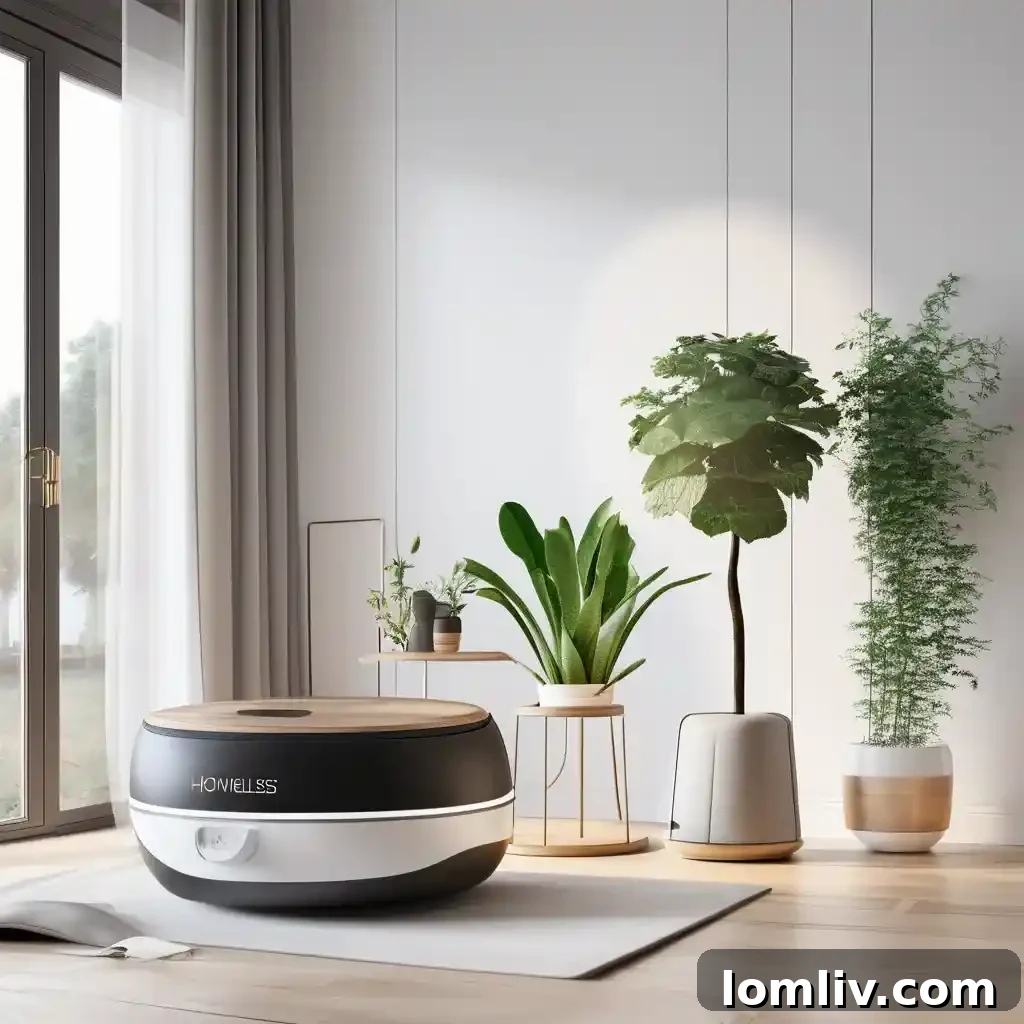
In an increasingly fast-paced world, the pursuit of holistic well-being has become a cornerstone of modern life. Americans, on average, dedicate a substantial $5,300 annually to wellness pursuits, encompassing everything from eco-conscious travel to biohacking and spiritual retreats. This significant investment underscores a deep-seated desire to cultivate physical vitality, mental clarity, and spiritual peace. Out of this burgeoning wellness movement has emerged a captivating and transformative interior design trend: the at-home wellness space. These dedicated areas within one’s residence are meticulously crafted sanctuaries, specifically engineered to foster self-care routines and support a comprehensive approach to mental and physical health. Whether your vision involves a tranquil nook for deep meditation, an invigorating studio for yoga practice, a private pampering zone, or an inspiring corner for artistic expression, designing your own home wellness sanctuary offers an unparalleled opportunity to discover your inner zen and integrate self-care seamlessly into your daily existence. More than just a room, it’s an investment in your personal happiness and resilience.
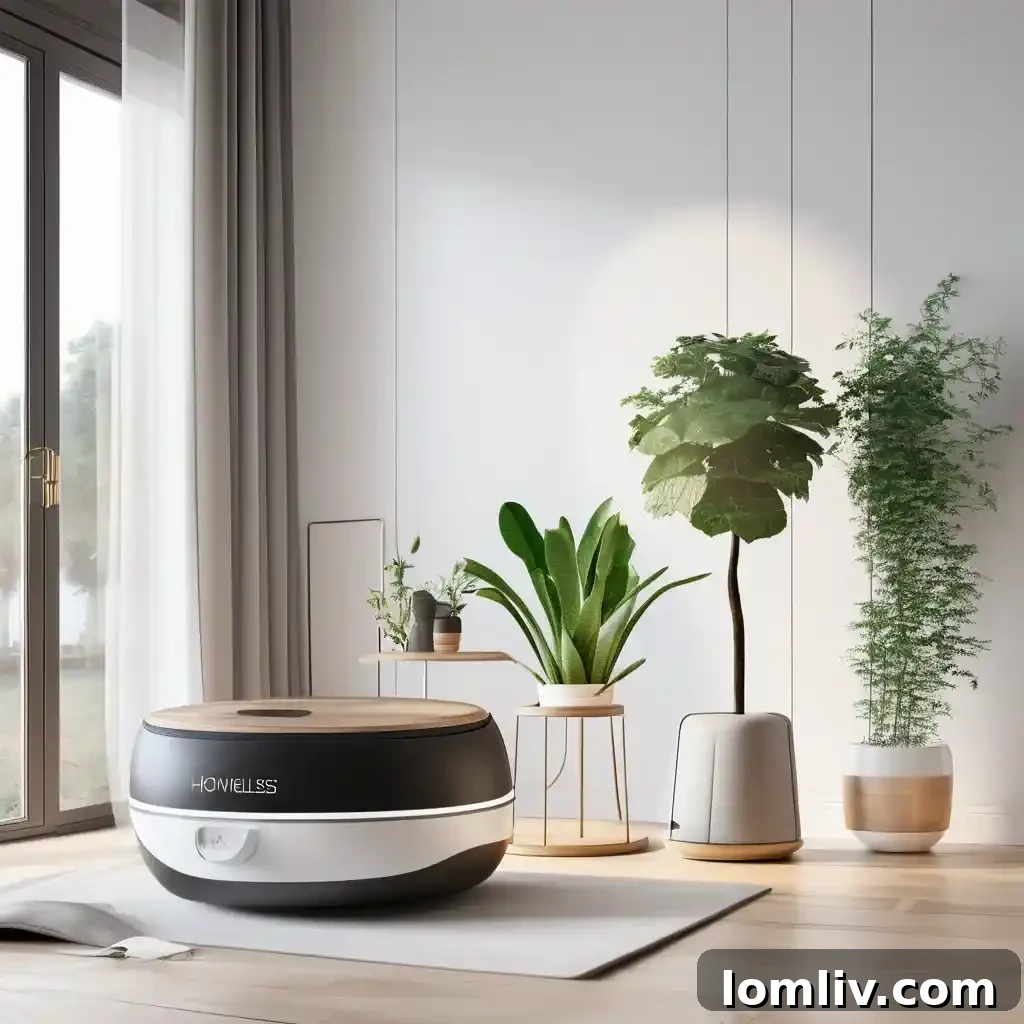
Crafting Your Personal Wellness Oasis: Understanding Your Needs
The foundation of an truly effective and fulfilling wellness space lies in its personalization. While the allure of a versatile room capable of accommodating every imaginable wellness practice might be strong, a more purposeful and impactful space emerges when it is meticulously tailored to your specific needs and aspirations. Begin by honestly assessing your primary wellness goals. Do you envision a dynamic environment primarily functioning as a home gym? If so, the layout and storage solutions for equipment become paramount. Strong, well-mounted shelving can elegantly house free weights and resistance bands, while tall, aesthetically pleasing baskets are ideal for stowing yoga mats, foam rollers, and resistance bands, keeping them tidy yet accessible. To amplify functionality for strength training and bodyweight exercises, consider integrating a robust pull-up bar for home workouts, potentially disguised or integrated into a doorway frame. Conversely, if your sanctuary is intended as a peaceful haven for meditation, deep reading, reflective drawing, or contemplative journaling, the focus shifts to creating supreme comfort and quietude. Adequate seating is crucial here; think about a plush, oversized armchair that invites you to sink in, a graceful chaise longue for extended relaxation, or a collection of large, supportive floor cushions that promote mindful posture. Perhaps you even dream of a dedicated space for therapeutic massage sessions, complete with a professional-grade massage table. While a multi-functional space can certainly be designed to support various wellness practices, it’s essential to exercise restraint. The cardinal rule of any truly relaxing environment is to avoid clutter at all costs, as an overcrowded space can quickly transform a peaceful retreat into a source of stress.
Embracing Nature’s Tranquility: Biophilic Design Elements
The profound connection between humans and nature, known as biophilia, plays a critical role in promoting well-being. Incorporating elements of the natural world into your wellness space can significantly reduce stress and enhance feelings of calm. A compelling study conducted by Vrije University Medical Centre in the Netherlands demonstrated that individuals who adorned their desks with images of nature experienced discernibly lower stress levels. This phenomenon occurs because natural imagery actively engages your parasympathetic nervous system, the body’s primary system for “rest and digest” functions, leading to physiological relaxation. Therefore, these elements are perfectly suited for decorating the walls of your personal wellness sanctuary. If you harbor a deep affection for a specific natural landmark – be it the majestic Grand Canyon, the serene Yosemite Valley, or the vibrant Great Barrier Reef – seek out exquisite photographic wall art that captures its essence. Beyond their aesthetic appeal, remember the importance of framing your pictures. A quality frame not only elevates the visual impact of the artwork, making it stand out more prominently, but also provides essential protection against dust, dirt, and potential damage, ensuring your chosen scenes remain pristine. For instance, a minimalist Scandinavian-style frame crafted from solid oak would not only beautifully complement almost any nature scene but also introduce a subtle yet inviting warmth and organic texture to the room, enhancing the overall biophilic experience.
Harmonizing Your Senses: Sound, Scent, and Light
The creation of a truly immersive wellness space transcends visual aesthetics; it requires a harmonious engagement of all your senses. Sound, in particular, holds immense power to influence mood and mental state. To cultivate an environment of profound peace and quiet, consider installing acoustic panels. These specialized panels are engineered to absorb and block unwanted ambient noise, effectively creating a serene sound bubble within your room. This means you can indulge in your self-care routines undisturbed by the everyday sounds of a busy household, boisterous neighbors, or the hustle and bustle of street noise. Acoustic panels can be discreetly glued onto walls, blending seamlessly into your décor while providing superior sound insulation. For an additional layer of auditory relaxation, integrate the timeless and soothing sounds of Tibetan singing bowls. These ancient instruments produce rich, resonant tones that have been utilized for millennia in meditation and stress relief practices. Playing them generates exquisite, deep vibrations that gently relax both body and mind, guiding you into a state of profound tranquility. Experiment with different types of sound: gentle nature soundscapes, classical music, or guided meditations, to discover what resonates most with you. Furthermore, the strategic use of scent through aromatherapy can profoundly impact your emotional state. Essential oil diffusers can disperse calming lavender, uplifting citrus, or focusing peppermint into the air, creating an olfactory signature for your sanctuary. Finally, thoughtful lighting design is paramount. Maximize natural light where possible, and supplement it with layered artificial lighting: soft ambient lighting, focused task lighting for reading or crafting, and accent lighting to highlight features. Dimmers are invaluable for adjusting the intensity, allowing you to transition effortlessly from an energetic morning yoga session to a dim, introspective evening meditation. Warm white light creates a cozy atmosphere, while cooler tones can enhance focus, giving you complete control over the mood of your sacred space.
Comfort and Functionality: Thoughtful Furniture and Layout
Beyond the sensory elements, the furniture and overall layout of your home wellness sanctuary play a critical role in its functionality and comfort. Every piece should serve a purpose in fostering relaxation and promoting your self-care rituals. When it comes to seating, prioritize plush comfort and ergonomic support. A generously sized armchair with ample cushioning can become your go-to spot for reading, journaling, or simply unwinding. A stylish chaise longue offers an elongated surface perfect for stretching, light yoga, or simply lounging in ultimate comfort. For those who prefer floor-based practices like meditation or restorative yoga, investing in a variety of large, supportive floor cushions, bolsters, and zafus is essential. These not only provide comfort but also encourage proper alignment during your practice. Storage solutions should be both practical and aesthetically pleasing to maintain that crucial clutter-free environment. Integrated shelving units can display cherished items or provide easy access to books and journals, while concealed cabinets or stylish, woven baskets can neatly tuck away equipment, blankets, and other essentials. Consider multi-functional furniture, such as a sturdy ottoman that can serve as extra seating, a footrest, or even hidden storage. For flooring, opt for materials that feel soft underfoot and contribute to a serene atmosphere. Plush, natural fiber rugs add warmth and cushion, especially for floor exercises. Hardwood floors, cork, or bamboo can also work well, particularly if paired with strategically placed area rugs. The arrangement of your furniture should promote a sense of openness and flow, ensuring there’s ample space to move freely and engage in your chosen activities without feeling cramped. A well-designed layout anticipates your movements and enhances the overall user experience, making your wellness space a joy to inhabit.
Personal Touches and Advanced Integration
The true magic of a home wellness sanctuary often lies in the unique personal touches that reflect your individuality and preferences. Integrate technology thoughtfully to enhance, not detract from, your sense of peace. Smart home systems can seamlessly control lighting, soundscapes, and temperature with voice commands or a tap on your phone, allowing you to instantly create the perfect ambiance. Consider installing a discreet, high-quality sound system for playing guided meditations, calming music, or nature sounds. Many wellness apps offer guided meditations, yoga flows, and mindfulness exercises that can be streamed directly into your space. For those with a creative bent, designating a specific area for artistic expression – be it painting, pottery, or crafting – can be profoundly therapeutic. Ensure this corner has adequate task lighting and storage for your supplies. Mindfulness and meditation aids, such as specific cushions, weighted blankets for comfort, and even small altars or personal shrines, can deepen your practice. To promote consistent hydration, a small, quiet mini-fridge stocked with fresh fruit, healthy beverages, or filtered water can be a luxurious yet practical addition, ensuring you have easy access to refreshment during or after your wellness routines. Remember, this space is an extension of your commitment to self-care, so let your personality shine through in the choice of decor, colors, and textures. Every detail, no matter how small, contributes to the overall feeling of sanctuary and calm, making it a truly unique and inviting retreat tailored precisely to your journey of well-being.
Designing Your Sanctuary: A Step-by-Step Approach
Creating your ideal home wellness space can be an enjoyable and rewarding journey. By following a structured approach, you can ensure that your vision comes to life effectively and harmoniously. Step 1: Define Your Vision. Before making any purchases or moving furniture, take time to reflect on what “wellness” truly means to you. What activities do you most enjoy? What feelings do you want to evoke in this space? Will it be primarily for physical activity, mental relaxation, creative pursuits, or a blend of all? Clearly outlining your core purpose will guide all subsequent decisions. Step 2: Assess Your Space. Evaluate the room or area you’ve chosen. Consider its size, natural light availability, proximity to other noisy areas of the house, and existing architectural features. Measure carefully and sketch out potential layouts to maximize functionality and flow. Step 3: Curate Your Elements. Based on your defined needs, begin to select the key components. This includes furniture (seating, storage), equipment (yoga mats, weights), sensory elements (diffusers, sound system), and decorative items (art, plants). Focus on quality over quantity and choose items that resonate with your desired aesthetic and comfort level. Step 4: Focus on Flow and Function. Arrange your chosen elements in a way that feels intuitive and promotes effortless movement. Ensure there’s enough clear space for your activities. Think about how you will transition from one activity to another, and how storage solutions can keep the space organized and clutter-free. Step 5: Add Personal Touches. This is where your sanctuary truly comes alive. Incorporate elements that bring you joy and comfort, such as cherished photographs, meaningful objects, a favorite throw blanket, or a specific scent. These personal touches will transform a well-designed room into a deeply personal and soul-nourishing retreat. Taking the time to thoughtfully design a room that suits your own wellness goals is a powerful act of self-love, resulting in the perfect sanctuary to relax and unwind in at home.
Ultimately, a home wellness space is far more than just another room in your house; it is a profound commitment to your overall well-being. In an age where external pressures are constant, creating an internal refuge becomes indispensable for maintaining balance, reducing stress, and fostering a deep sense of peace. By thoughtfully considering your unique needs, embracing the restorative power of nature, harmonizing your senses with sound, scent, and light, and furnishing your space with comfort and functionality in mind, you can transform any corner of your home into a personal haven. This sanctuary will serve as a constant reminder to prioritize self-care, offering a dedicated retreat where you can recharge, reflect, and reconnect with your inner self. Investing in such a space is not merely about decorating; it’s about cultivating a lifestyle that promotes holistic health, mental clarity, and enduring serenity. Your home, truly, becomes your ultimate haven for well-being.