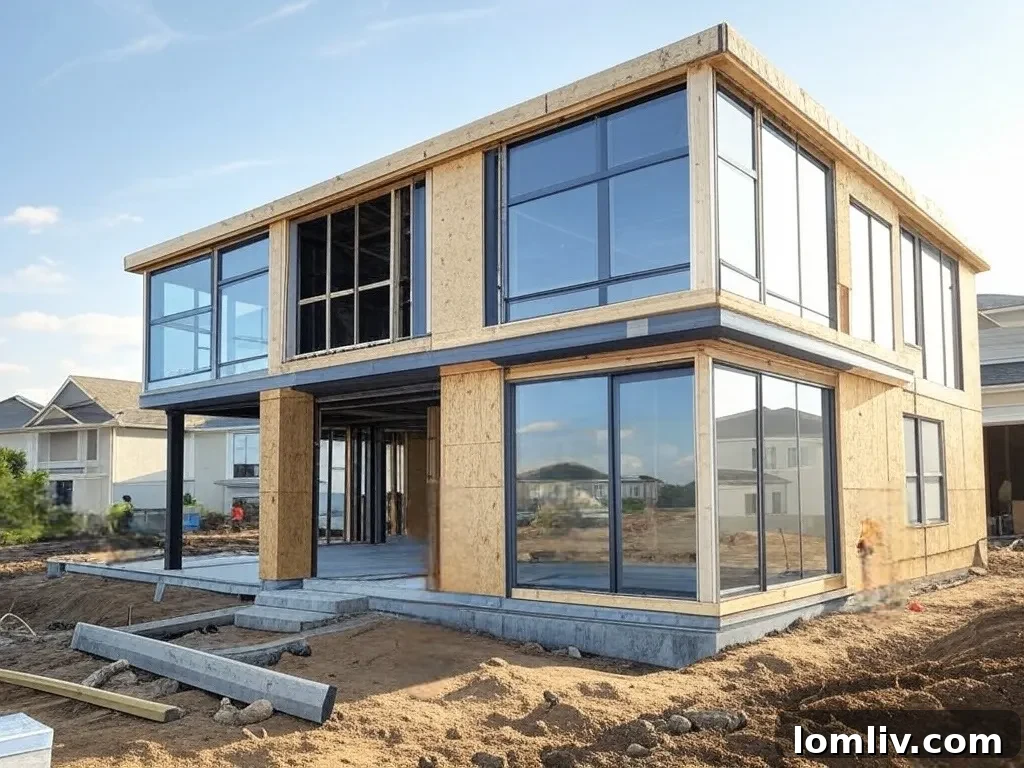
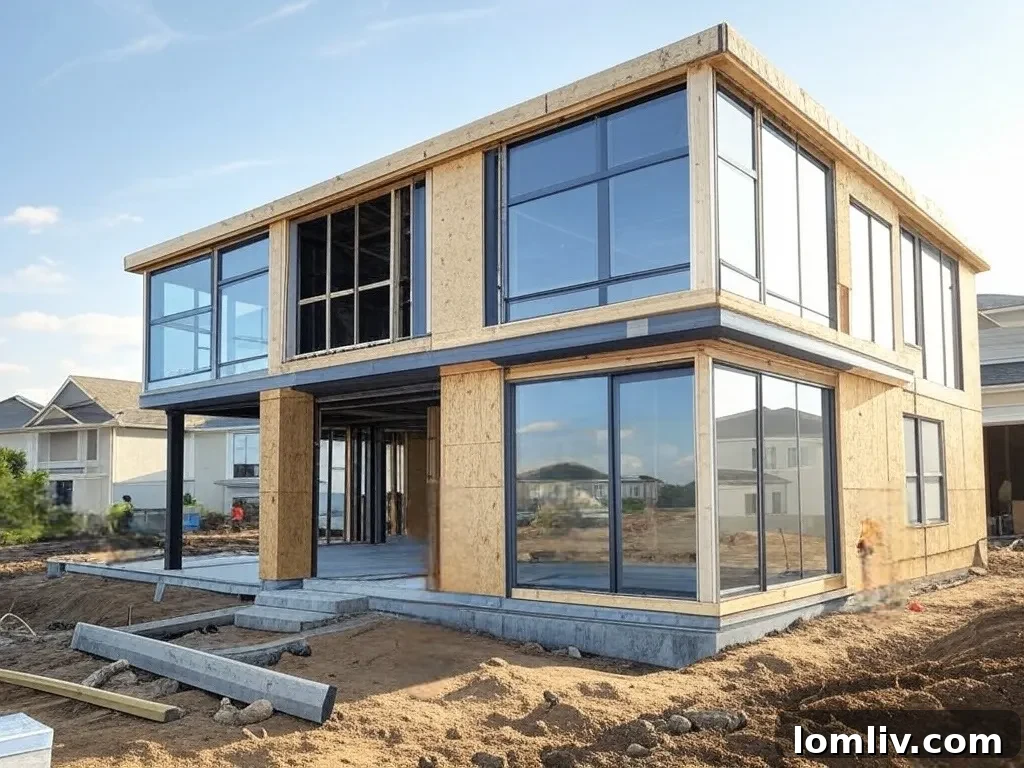
Embarking on the journey of building your first home is an incredibly exciting yet undeniably complex endeavor. It’s far more intricate than simply selecting a paint color or admiring a house model from a catalog. Every decision, from the foundational elements to the finishing touches, carries significant long-term implications, affecting your lifestyle, finances, and overall satisfaction for years to come. Therefore, exercising extreme diligence in choosing who to entrust with this monumental project is paramount. This comprehensive guide offers realistic, actionable tips designed to empower first-time home builders, ensuring a smooth construction process and a deeply satisfying outcome that culminates in the creation of your dream home.
Laying the Groundwork: Land, Location, and Legalities
Before any thoughts turn to interior design or architectural aesthetics, the absolute first step in your home-building journey must focus on the foundation itself: the land and its location. This isn’t just about finding an empty plot; it’s about selecting a parcel that aligns seamlessly with your current lifestyle and future aspirations. Consider more than just the immediate appeal; evaluate the proximity to essential services such as schools, your workplace, convenient grocery store trips, medical facilities, and recreational opportunities. The accessibility of these amenities will profoundly influence your daily comfort and overall quality of life. Furthermore, a strategically chosen location can significantly enhance the property’s future resale value, making it a sound long-term investment.
Beyond convenience, the legal and environmental aspects of your chosen land are critical. It is imperative to ensure the land you intend to purchase does not carry any title issues, encumbrances, or unresolved ownership disputes that could halt your project or lead to costly legal battles down the line. A thorough title search conducted by a reputable professional is non-negotiable. Equally important is verifying that the land is correctly zoned under local municipal and county codes. Zoning regulations dictate various aspects of construction, including permissible building height, specific roof designs, and mandatory setbacks – the minimum distance structures must be from property lines or streets. Ignoring these codes can result in fines, demolition orders, or protracted permit delays. Moreover, investigate whether the land falls under the jurisdiction of an HOA (Homeowners Association). HOAs frequently enforce guidelines that govern exterior appearance, approved paint choices, landscaping standards, and even the type of fencing allowed, all of which can impact your design freedom and budget.
Securing the necessary permits is another vital, often complex, component of the initial phase. While a general building permit from the city or county is standard, you might require additional, specialized approvals depending on your specific plans. For instance, if your property will rely on a private well for water supply, a septic system for wastewater management, or you plan to install solar panels for energy efficiency, each of these elements will necessitate separate permits, inspections, and adherence to specific environmental and health regulations. Navigating this bureaucratic landscape can be challenging, so engaging with local planning departments early in the process is highly recommended to understand all requirements.
Mastering the Financials: Budget, Timeline, and Funding Strategies
One of the most common pitfalls for first-time home builders is underestimating the total cost of their project. Many focus solely on the direct construction costs, overlooking a multitude of additional, yet critical, expenses that can significantly inflate the overall budget. These often-forgotten costs include:
- Site Preparation and Foundation Work: This encompasses land clearing, excavation, grading, soil testing, and the pouring of the foundation itself. These tasks are fundamental and can vary wildly in cost depending on the land’s initial condition and geological makeup.
- Utility Hookups: Connecting your new home to essential services like electricity, water, natural gas, and potentially sewer lines can be surprisingly expensive, involving trenching, meter installation, and connection fees from various utility providers.
- Municipal Fees, Permits, and Required Inspections: Beyond the initial land permits, there are numerous fees associated with building permits, impact fees, plan review fees, and a series of mandatory inspections at different stages of construction, each incurring its own charge.
- Temporary Housing: If you’re relocating during the build, the cost of temporary accommodation, whether it’s rent, mortgage on an existing home, or storage fees, must be factored in until your new home is move-in ready.
- Landscaping and Exterior Finishes: Beyond the structure, the cost of driveways, walkways, fencing, and landscaping (trees, shrubs, sod) can add substantially to the final bill.
- Insurance: You’ll need builder’s risk insurance during construction and homeowner’s insurance once the home is complete.
To safeguard against unforeseen expenses and potential budget overruns, it is highly advisable to allocate a contingency fund, typically around 10–15% of your total estimated budget. This financial cushion acts as a crucial safety net for unexpected issues, such as changes in material costs, unforeseen site conditions, or minor design modifications. For those not planning to pay cash, a specialized financial product known as a construction loan is usually required. This unique loan option is specifically tailored for the homebuilding process. Unlike a traditional mortgage, a construction loan is generally disbursed in stages, or “draws,” based on the completion of specific construction milestones and verified by independent inspections. Once construction is complete and the home receives its certificate of occupancy, this temporary construction loan is typically converted into a permanent, traditional mortgage.
Equally important as financial planning is meticulous project timeline management. While an average house-building project can take anywhere between 8 and 12 months from groundbreaking to completion, this is merely an estimate. Actual timelines can extend significantly due to a myriad of factors, including severe weather delays, unpredictable supply chain issues for building materials, unexpected labor shortages, or even changes initiated by the homeowner. It is a common mistake to schedule your move-in date too optimistically close to the projected start of the actual construction process. Always build in buffer time and maintain open communication with your builder to stay informed of potential delays and adjust your personal timeline accordingly.
Designing for Life: Present Needs and Future Adaptability
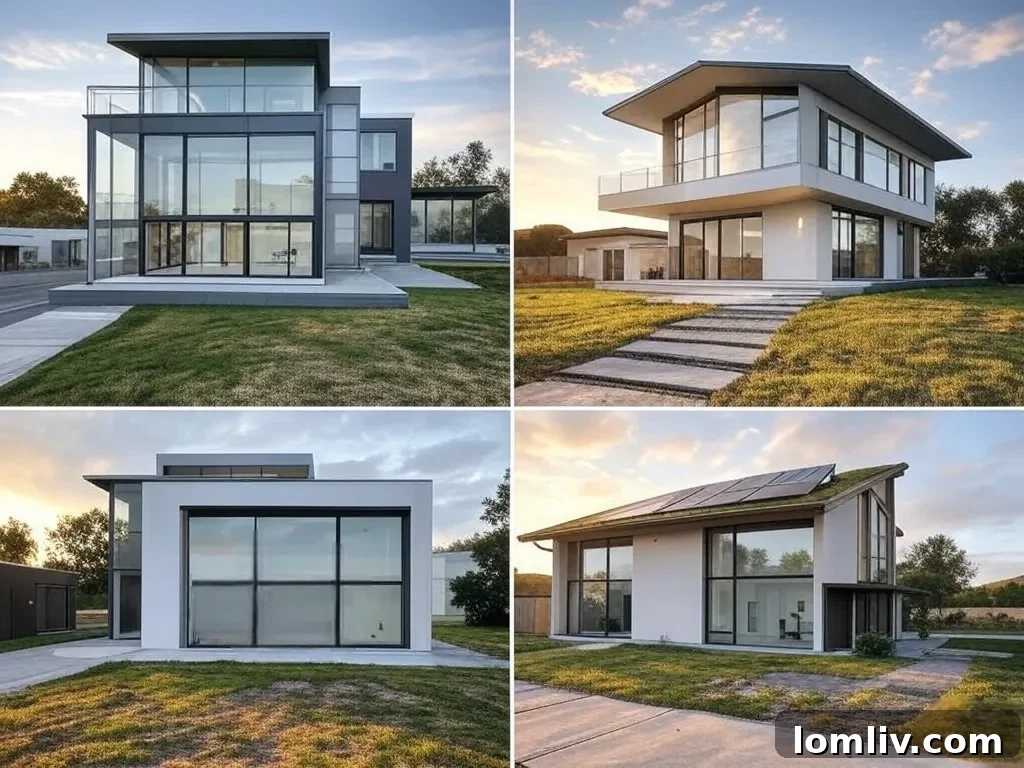
When envisioning your new home, good design extends far beyond mere aesthetics; it’s fundamentally about functionality and how the space will serve your daily life. Consider your current needs and how they might evolve. For instance, if you frequently work from home, designing a dedicated office space with ample natural light, soundproofing for privacy, and integrated technology solutions is crucial for productivity and well-being. If you are a culinary enthusiast, prioritize a kitchen layout that is practical, efficient, and easy to use, with sufficient counter space, smart storage solutions, and high-quality appliances. Families with young children often benefit from open layouts that promote natural light, provide clear sightlines for supervision, and offer a seamless indoor-outdoor flow for play and entertainment.
Avoid being overly rigid or trend-driven when choosing a house design. Instead, opt for a flexible layout that can adapt to changing life stages and needs. Think about rooms that can serve multiple purposes: a living room designed with the versatility to function as an occasional home office, a spare guest room that can easily transform into a nursery, a playroom, or even a personal gym. Multifunctional rooms offer greater longevity and value, ensuring that your home feels relevant and settled for many years to come, without requiring costly renovations as your family grows or your lifestyle shifts.
Furthermore, integrate “standout” and forward-thinking features into your design that enhance convenience, accessibility, and long-term comfort. Examples include situating a primary bedroom suite on the ground floor, ensuring convenient access to a full bathroom (perhaps even one designed with universal access in mind), and incorporating wider doorways and hallways throughout the home. These considerations are particularly valuable if you anticipate having elderly members of the family living with you or visiting frequently, allowing them to navigate the space with ease and dignity. Such design choices contribute to an inclusive environment and can significantly increase your home’s appeal to a broader market should you decide to sell in the future.
Ultimately, the success of your home-building project hinges significantly on selecting an experienced, transparent, and highly communicative builder. This decision is arguably the most critical. Don’t hesitate to conduct thorough due diligence: request a portfolio of their previous projects, and more importantly, ask for references from past clients whom you can contact directly. Whenever possible, visit homes they have constructed to assess the quality of their workmanship and speak with homeowners about their experience. Transparency means clear, itemized quotes with no hidden fees and an open-book policy regarding material costs and labor. Communication means regular updates, responsiveness to your questions, and a clear process for addressing concerns or making mid-project design changes. What did the materials truly cost? What is the protocol if unforeseen issues arise or if you decide on a design modification halfway through the project? These are crucial questions to ask and clarify in writing before signing any contract. Even in diverse markets outside of specific regions like Texas—for instance, in areas offering Houses For Cash Baltimore—the caliber, integrity, and clear communication of your chosen builder remain the most pivotal factors determining the overall success, quality, and stress-free nature of your custom home construction.
Building your first home, while potentially daunting, can be an incredibly rewarding experience. By approaching it with meticulous planning, a clear understanding of the financial and legal landscape, thoughtful design considerations, and, most importantly, the right team of professionals by your side, you can confidently navigate the challenges and sidestep common pitfalls. Building a house transcends the mere assembly of shingles and bricks; it is about creating a personalized sanctuary, a place that not only perfectly fits your life right now but also possesses the inherent potential to adapt and grow with you and your family into the future.