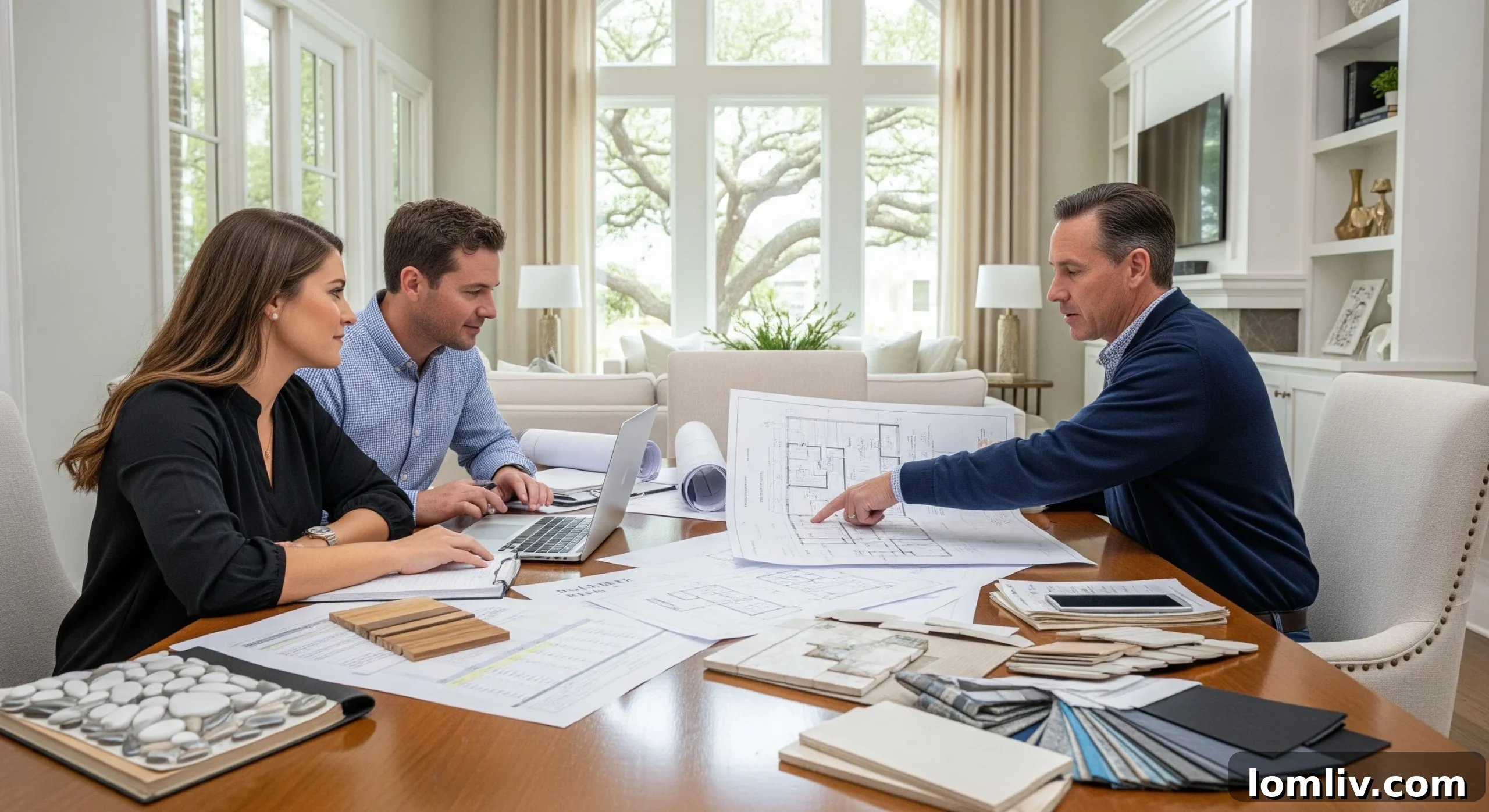
Embarking on the journey of building a custom home or undertaking a significant renovation is an exhilarating prospect. The initial excitement often centers around envisioning dream floor plans, selecting exquisite finishes, and picturing the grand reveal of a personalized living space. However, the true success and satisfaction of such a monumental project, especially when working with a custom home builder, extends far beyond aesthetic choices. It deeply hinges on the strength of the partnership forged, the meticulously managed processes unfolding behind the scenes, and a crystal-clear understanding of every phase of the project’s evolution.
Savvy homeowners understand that comprehensive preparation is paramount. This foresight is why even considering firms known for robust organizational systems, such as Top Storage Co., can serve as a potent reminder of the critical role that infrastructure and systematic planning play in any major undertaking. Whether you are carefully storing cherished belongings or meticulously constructing new rooms from the ground up, the fundamental principles remain consistent: strategic planning, assessing a reputation for excellence, and maintaining unwavering clarity throughout the entire journey are indispensable for a successful outcome.
Hiring a custom builder is not merely a transactional choice; it signifies the commencement of a deeply collaborative partnership for what is often the most significant and financially complex project of your homeownership experience. It’s the profound distinction between simply ticking off design preferences and orchestrating a dynamic construction sequence where precise timing, stringent budget adherence, uncompromised quality, and seamless communication are all absolutely essential. By approaching this selection process with thoughtful diligence and a proactive mindset, homeowners are significantly more likely to maintain a sense of control and confidence, rather than feeling overwhelmed or scrambling to address unforeseen challenges.
Defining Your Vision: Clarity of Scope and Expectations in Custom Home Building
One of the most common pitfalls homeowners encounter is underestimating the inherent imprecision of initial discussions. A custom home builder might use enticing terms like “unlimited customization,” “premium finishes,” or “high-end materials.” While these phrases evoke desirable imagery, without explicit, written definitions, they remain subjective and open to various interpretations. Countless homeowner regrets stem from the assumption that certain features or items are automatically included, only to discover the builder had an entirely different understanding. This ambiguity can lead to significant disappointments and unexpected costs down the line.
Before any physical work commences on your custom home, it is absolutely essential to establish a comprehensive, written scope of work. This document should meticulously detail precisely what will be constructed, specify which finishes and materials are included in the base price, clearly delineate what constitutes an upgrade, and outline the exact protocols for managing design changes or material alterations mid-project. A reputable builder will proactively guide you through the components covered by the base price and transparently itemize any additional costs for upgrades. This level of thoroughness not only demonstrates their commitment to clarity but also establishes the foundation for a transparent and trustworthy working relationship throughout the entire build process.
Extensive literature on home remodeling and custom building consistently highlights that miscommunication regarding the project scope stands as one of the primary drivers of budget overruns and timeline delays. When your builder takes the time to explain intricate dependencies, such as how relocating a load-bearing wall might necessitate complex adjustments to HVAC systems, plumbing lines, or electrical wiring, you gain invaluable foresight. This proactive clarification prevents unwelcome surprises, allowing you to make informed decisions and maintain control over your custom home building project. A detailed scope acts as a blueprint for expectations, ensuring both parties are perfectly aligned.
Beyond the broad strokes, a truly robust scope will include detailed specifications for every aspect: appliance models, specific paint colors, flooring types and installation methods, cabinetry details, and even the precise location of electrical outlets. It should also clearly define the quality standards to be met. Furthermore, a well-structured change order process is crucial. This mechanism ensures that any modification requested by the homeowner or necessitated by site conditions is formally documented, priced, and approved in writing before execution, preventing disputes and keeping the project on track financially.
Selecting Your Partner: Builder Credibility, Referrals, and Past Projects
While it may seem self-evident, many homeowners, fueled by excitement or constrained by tight deadlines, unfortunately bypass a rigorous vetting process of a potential custom builder’s track record. However, experience and a proven performance history are critical indicators of future success. You need to understand how the builder operates when unforeseen challenges inevitably arise. What is the caliber of the subcontractors they consistently employ? Do they consistently meet established project schedules? How have they effectively navigated common construction hurdles such as severe weather delays, complex permit issues, or unexpected site discoveries in their previous custom home builds? These questions delve into the true operational resilience of a builder.
An exceptionally insightful approach is to personally visit and critically evaluate past custom home projects that are similar in size, style, and complexity to your envisioned build. Beyond simply admiring the aesthetic finishes, take the time to meticulously inspect the craftsmanship: examine the quality of joinery, the seamlessness of transitions between different materials, and the precision of fine detailing. Engage with previous clients to inquire about their experience: how often did the budget shift, by what margin did timelines change, and most importantly, how effectively did the builder address and resolve complications? Industry experts frequently emphasize that a builder’s “performance under pressure” is often as, if not more, significant than merely delivering a beautiful showroom-ready result. A builder who only excels when every variable is perfectly aligned may prove to be an inadequate partner when the inevitable curveballs of custom construction occur.
Thorough due diligence for a custom home builder extends beyond admiring finished work. It involves verifying their licenses, insurance (liability and workers’ compensation), and professional affiliations with reputable industry organizations. Requesting a list of trade references, such as suppliers and subcontractors, and contacting them directly can offer invaluable insights into the builder’s payment habits and organizational efficiency. Furthermore, checking online reviews on multiple platforms and inquiring about any past disputes or litigation history provides a comprehensive picture of their professionalism and reliability. A truly credible builder will welcome this scrutiny, understanding that it builds a foundation of trust.
The quality of a custom home is inherently linked to the quality of its individual components and the skilled hands that assemble them. This means deeply understanding the builder’s network of subcontractors. A builder with long-standing relationships with high-quality, reliable subcontractors is a significant asset. During site visits to active projects, observe the organization and safety protocols in place. A clean, organized construction site often reflects a well-managed project and a commitment to quality control. Ask about the builder’s quality assurance processes and how they ensure every phase of the build meets their high standards and your specific requirements.
Navigating the Build: Communication Style and Decision-Making Processes
Once the custom home building contract is officially signed, the real partnership test commences. The manner in which your builder communicates—whether through structured weekly check-ins, consistent progress photos, detailed scheduling updates, or a dedicated client portal—will often be the primary determinant of whether you feel deeply confident and engaged, or frustratingly sidelined and uncertain. A homeowner might assume that construction is proceeding smoothly, but if the builder’s communication style is consistently reactive rather than proactively informative, even minor issues or questions can rapidly escalate into overwhelming concerns, eroding trust and causing undue stress.
Establishing clear decision-making protocols from the very outset of the custom home project is absolutely critical. This framework should explicitly define who holds the authority to approve design changes, how any cost adjustments resulting from these changes will be calculated and processed, and the exact procedure to follow if a specified material becomes unexpectedly unavailable or delayed. Furthermore, a robust process for addressing and rectifying defects discovered after the initial handover of the property must be clearly outlined. Custom builders who provide secure online owner portals, comprehensive project-management software, or at the very least, consistent and thorough documentation of progress, costs, and decisions, signal a significantly higher level of professionalism and commitment to transparency. Contemporary home-improvement platforms increasingly underscore that having direct access to and ownership of project information is just as vital as the physical construction of the walls themselves.
Proactive communication involves more than just reporting status; it means anticipating homeowner questions, providing timely updates on upcoming selections, and offering clear explanations for any deviations from the original plan. Regular, scheduled meetings, whether in person or virtual, with a clear agenda and documented minutes, ensure that all critical information is shared and understood by both parties. This consistent flow of information helps prevent misunderstandings and keeps the project moving forward efficiently.
Effective communication also includes a clear system for formalizing decisions and changes. Every agreement, especially those impacting scope or budget, should be documented in writing and acknowledged by both the homeowner and the builder. This might involve formal change order documents, signed approval forms, or entries in a shared project management system. Understanding the builder’s preferred communication channels and response times is also important. A builder who values open, honest, and frequent communication fosters a collaborative environment where problems can be addressed swiftly and effectively, minimizing potential conflicts and ensuring a smoother custom home building experience.
Financial Prudence: Budget Framework and Contingency Planning for Your Custom Home
Even the most meticulously planned custom home construction projects will inevitably encounter unforeseen variables. Soil conditions can differ from initial assessments, inclement weather can cause significant delays, and material prices are subject to market fluctuations. Homeowners frequently underestimate the degree of financial flexibility and adaptability required throughout the building process. A truly proficient custom builder will present a comprehensive budget framework that clearly delineates the base construction cost, allocated allowances for specific items (like fixtures or flooring), and a crucial contingency fund. This framework should transparently address hypothetical scenarios: what if you decide to upgrade major appliances mid-project? What if construction is temporarily paused due to unexpected permit delays or regulatory changes?
Many homeowners erroneously assume that once the custom home budget is signed, it becomes a fixed, immutable figure. In reality, budgets for complex projects often experience shifts. What truly matters is being thoroughly prepared for these potential changes, possessing a clear understanding of which decisions directly impact project costs, and being able to strategically prioritize expenditures. Many experienced homeowners wisely allocate a dedicated financial reserve, typically ranging from 5% to 10% of the total project cost, specifically for unforeseen issues or desired upgrades that emerge during the build. A custom builder who actively engages you in this proactive financial planning process demonstrates shared responsibility and commitment, significantly reducing the likelihood of unwelcome financial surprises and fostering a sense of partnership in managing the investment.
Understanding “allowances” is critical for budget management. Allowances are predetermined amounts set aside in the budget for items where the exact selection hasn’t been made yet, such as light fixtures, tiles, or landscaping. While they offer flexibility, homeowners must be aware that if their final selections exceed the allowance, they will be responsible for the difference. A good builder will help you understand typical costs for these items to make realistic allowance estimates upfront, thereby minimizing potential budget overruns.
Beyond allowances, other common budget pitfalls include site-specific challenges (e.g., unexpected rock formations requiring specialized excavation), fluctuating labor costs, or design changes requested by the homeowner after construction has started. A professional builder will help you identify potential areas of risk in advance and discuss how to mitigate them. They should also provide regular budget updates, detailing expenditures against allowances and explaining any variances, ensuring you are always informed about the financial status of your custom home build.
Ensuring Peace of Mind: Quality of Contract and Post-Completion Service
While the eventual beauty and functionality of your finished custom home are paramount, equally important is how the builder stands behind their craftsmanship and work long after the keys are handed over. Many homeowners meticulously review contracts that detail what will be constructed, yet often overlook crucial clauses pertaining to how potential defects will be addressed, the specifics of the warranty provided, and the process for completing final “punch-list” items. These often-overlooked details are vital for long-term satisfaction and peace of mind.
You will want absolute clarity regarding inspection periods post-completion, the precise procedure for managing and executing necessary corrections, and what recourse you have if issues or defects arise weeks or months after you’ve moved into your new custom home. Some exemplary custom builders include structured post-completion walk-throughs at regular intervals—for example, at two weeks, six months, and one year—to proactively identify and address any settling or minor issues. In stark contrast, other builders may simply hand over the keys and then effectively disappear. The critical difference between these approaches becomes glaringly apparent when a minor issue, such as a leaky faucet or a hairline crack, emerges, and you find yourself unsure of who to contact or what steps to take. A meticulously crafted and comprehensive contract is your safeguard, ensuring you are not left to navigate unforeseen challenges alone once the construction dust has settled.
A robust contract for a custom home build should detail the payment schedule, including lien waivers from subcontractors and suppliers to protect you from future claims. It should also clearly define the scope of the builder’s warranty, specifying what is covered, for how long, and the process for submitting a warranty claim. Dispute resolution mechanisms, such as mediation or arbitration, should also be outlined, providing a clear path for resolving disagreements without costly litigation.
The punch list process—a final list of minor deficiencies or incomplete items that need rectification before final payment—must be explicit. This includes clear timelines for completion of these items and a formal sign-off process. Without these contractual details, homeowners can find themselves in a vulnerable position, struggling to get minor but important finishing touches completed. A transparent and detailed contract is not just a legal document; it’s a testament to the builder’s commitment to quality and ongoing client satisfaction.
Designing for Life: Planning for Lifestyle, Not Just Structure
A house, at its core, is far more than an assembly of rooms, walls, and decorative finishes—it is the very stage upon which your daily life unfolds. Increasingly, discerning custom home builders recognize this profound truth, and homeowners should wholeheartedly embrace this perspective too. When designing your custom home, delve deeper than mere aesthetics: Will the kitchen island genuinely support your specific entertaining style and family dynamics? Is the closet system intelligently designed to keep pace with your evolving routines and storage needs? Does your exterior storage solution perfectly complement your daily habits and hobbies? For many homeowners, especially those navigating the complexities of downsizing or optimizing space, strategically relocating seasonal or rarely used items to a dedicated off-site storage unit, perhaps even with providers like Top Storage Co., can dramatically enhance the functionality and liveability of their primary residence. The true value of a home isn’t always about cramming every possession within its walls; often, it lies in the intelligent management of what you bring in and, crucially, what you choose to store elsewhere.
By thoughtfully considering your current lifestyle and proactively anticipating how your needs and habits may evolve over time, you significantly increase the likelihood of creating a custom home that profoundly “feels right,” rather than one that merely “looks magazine-featured.” This introspective approach moves beyond superficial trends to create truly bespoke spaces. Many homeowners reflect later, wishing their builder had initiated the design conversation with the crucial question, “How do you *live*?” instead of exclusively focusing on, “What do you *want*?” The most exceptional custom homes are invariably born from a deep understanding and thoughtful integration of the former.
True lifestyle planning involves anticipating future needs, such as aging in place features, adaptable spaces for a growing family, or integrated smart home technologies that enhance comfort and convenience. It considers how natural light will impact different rooms throughout the day, the flow between indoor and outdoor living areas, and the acoustics within open-concept designs. Every design decision, from the placement of electrical outlets to the type of insulation, should serve to support and enhance your desired way of living.
A builder who truly understands lifestyle planning acts as a design partner, asking probing questions that uncover your priorities. They’ll consider your hobbies, your work-from-home needs, your entertaining style, and even your pets’ needs. This collaborative approach ensures that the finished custom home is not just a structure, but a finely tuned environment that reflects and elevates your unique lifestyle, providing comfort, efficiency, and joy for years to come.
Mastering the Schedule: Timeline Realities and Flexibility in Custom Home Construction
Custom home builds inherently tend to take longer than initially anticipated, and the precise timing of critical decisions, necessary inspections, and material deliveries can significantly alter the overall project schedule. Homeowners rarely dedicate sufficient time to review how much buffer is intelligently built into the construction timeline or, more importantly, what specific protocols are in place should unavoidable delays occur. A highly experienced custom builder will proactively guide you through the full spectrum of potential schedule risks—including peak holiday seasons, periods of extreme weather, potential subcontractor delays, and common inspection bottlenecks—ensuring you are fully aware of factors that could impact your project’s completion date.
Grasping the logical flow of the entire build process—understanding precisely when you’ll need to finalize material selections, when key decisions must be locked in, and when you might realistically need to adjust the project scope—empowers you to remain proactively ahead of the curve rather than reacting to deadlines. This comprehensive understanding is also invaluable for managing your personal life: it helps with securing interim rental accommodation, meticulously aligning your move-in date, and generally orchestrating a smooth life transition during the construction period. The custom builder who integrates this essential calendar logic into their project management significantly reduces friction and stress for the homeowner, ensuring a more predictable and pleasant journey to your new custom home.
Common causes of delays include supply chain disruptions impacting material availability, unexpected labor shortages for specialized trades, or the need for re-inspections due to minor deficiencies. A skilled builder will have contingency plans for these scenarios, such as relationships with alternative suppliers or a flexible pool of skilled labor. They should communicate any potential delays as soon as they are identified, along with a revised schedule and proposed solutions.
Homeowner responsiveness also plays a crucial role in maintaining the timeline. Delays in making selections, approving change orders, or providing necessary information can ripple through the schedule. A builder who provides a clear calendar of homeowner responsibilities and deadlines helps you stay organized and prevents your decisions from becoming bottlenecks. Ultimately, a realistic timeline, open communication about potential delays, and a collaborative effort from both builder and homeowner are key to successfully navigating the complexities of custom home construction.
For more insights into custom home construction and working with experienced builders, visit BuildGuardian.com.