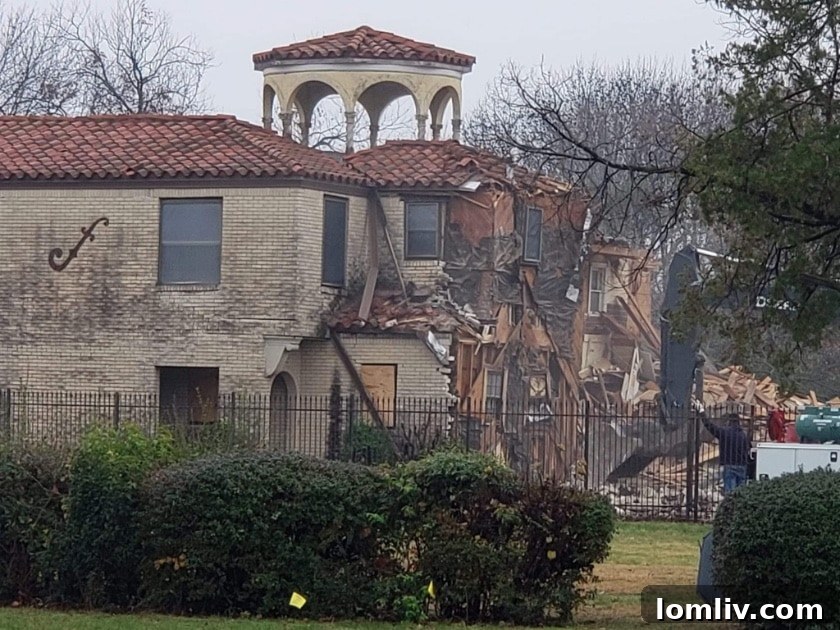
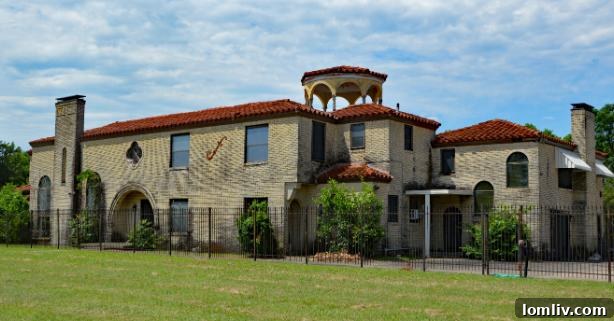
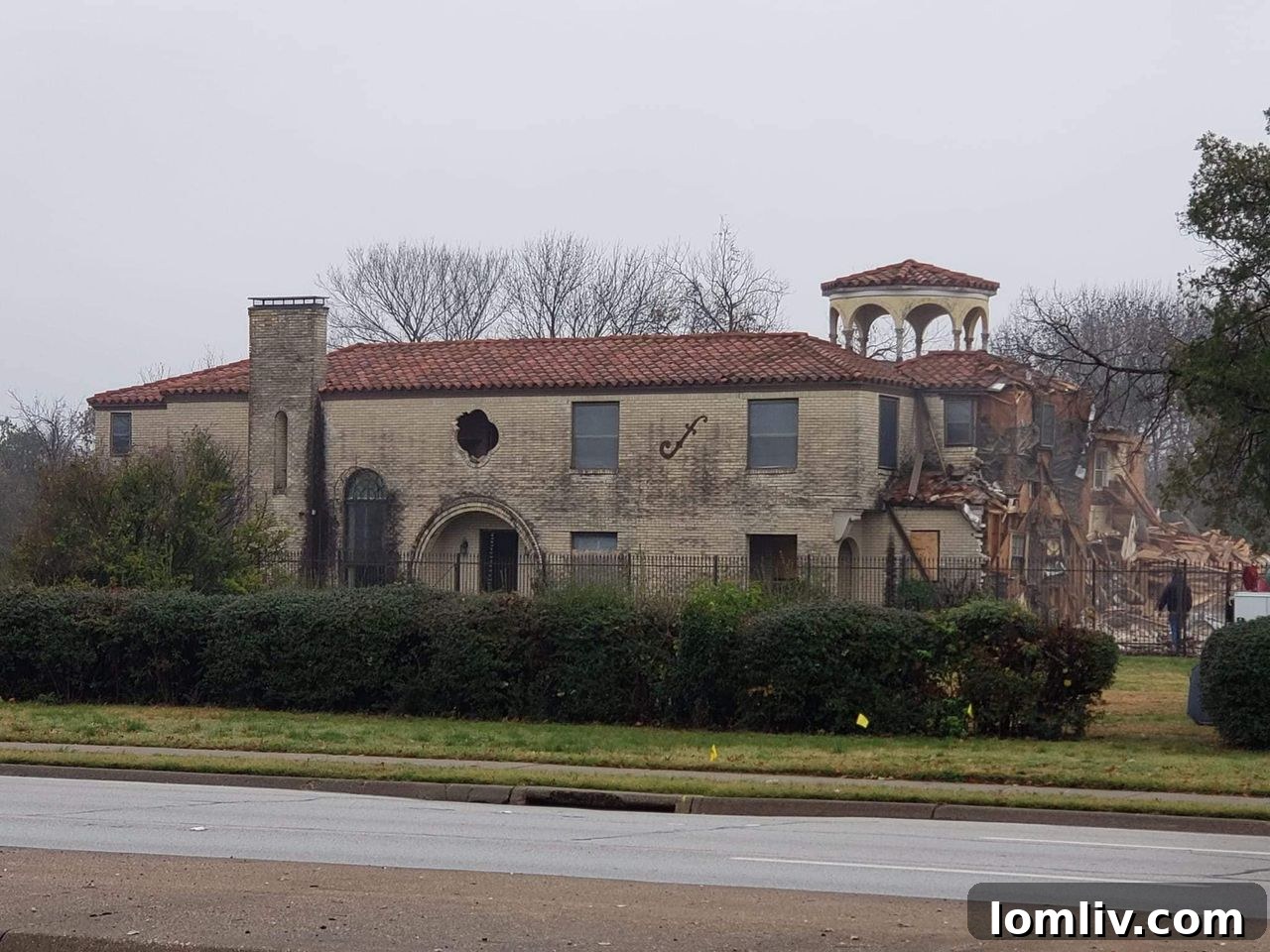
The recent demolition of the iconic Buckner House, a cherished Mediterranean mansion in Casa Linda, has sent shockwaves through East Dallas. What was once a symbol of architectural grandeur and a cornerstone of local history at 1425 N. Buckner Blvd. now lies in rubble, prompting an urgent inquiry into the events that led to its tragic end. We had previously celebrated this Casa Linda Mediterranean’s rich history and voiced concerns that a new owner might not preserve its integrity. The community’s fears materialized when bulldozers arrived on a Friday, signaling the irreversible loss of a landmark many believed could and should have been saved. This article delves into the complex narrative of what went wrong, exploring the missed opportunities, legal ambiguities, and market dynamics that ultimately sealed the Buckner House’s fate.
The moment the heavy machinery began its work, our Executive Editor, Joanna England, raced to the site, capturing the heartbreaking images and footage that would document the home’s final moments. The swift and unexpected demolition left us, and many others, in disbelief. We knew there were dedicated individuals actively pursuing the restoration of this historic property, fostering a genuine hope that it would be spared. While it’s true the house had suffered from extensive water damage and years of neglect, it was far from an unsalvageable structure. Experts believed its foundational integrity remained, and its unique architectural elements were prime candidates for a meticulous restoration. The question that echoes through East Dallas is not if it was a teardown, but rather, why was it allowed to become one?
So, What Went Wrong? Unraveling the Buckner House Tragedy
The story of the Buckner House’s demise is a multi-faceted tragedy, marked by several critical missteps and unfortunate circumstances. Understanding these factors is crucial for future preservation efforts in Dallas’s historic neighborhoods.
Firstly, the home endured a debilitating period of vacancy, stretching over 15 years. This prolonged neglect meant that only a buyer deeply committed to historical preservation would possess the vision and resources to appreciate and restore its intrinsic value. A vacant property rapidly succumbs to the elements, making restoration increasingly complex and costly over time. The longer a historic home sits empty, the greater the challenge becomes to find a buyer willing to undertake the extensive work required, especially when faced with structural degradation and systemic issues like water damage.
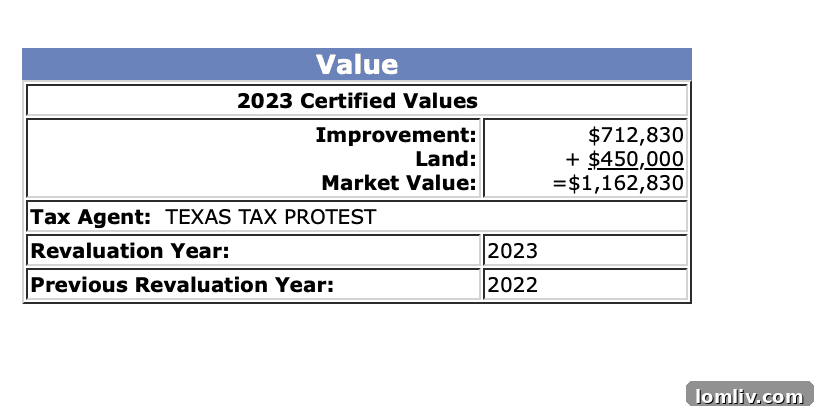
Secondly, the property was, by many accounts, wildly overpriced. The original list price of $3.45 million seemed disconnected from market realities, particularly for a property requiring substantial investment. The Dallas Central Appraisal District (DCAD) valued the land at $450,000 and “improvements” at $712,830, totaling $1.16 million. While DCAD valuations frequently differ from actual market prices, and we recognize DCAD’s assessments often fall short of true market worth, the $2.89 million selling price also appeared to be significantly inflated. This inflated price point narrowed the pool of potential buyers, pushing out those who might have otherwise invested in its restoration, and leaving it vulnerable to demolition-minded purchasers primarily interested in the land.
Thirdly, despite multiple offers over the years, a deal could never be finalized. Some offers failed to meet the seller’s price expectations, while others were contingent on zoning changes that proved impossible to secure. At one point, Generation Homes proposed an offer for the land, envisioning a large multi-family project. However, the Buckner House property is zoned single-family (R10), meaning each lot must be a minimum of 10,000 square feet, mirroring the character of the surrounding Casa Linda Estates neighborhood. Recognizing that their project would fundamentally alter the established residential fabric, Generation Homes commendably withdrew their offer. This highlights a critical safeguard for neighborhoods but also demonstrates how conflicting interests between development potential and preservation can lead to impasses.

We Can Now Reveal: A Missed Opportunity for Preservation
Perhaps the most gut-wrenching aspect of this entire saga is the revelation of what could have been. We can now disclose that a dedicated buyer, renowned for her expertise in renovating and restoring historic homes, was poised to save the Buckner House. This individual represented a beacon of hope for preservationists, a testament to the belief that the mansion could indeed have a vibrant future.
Tam Pham, the visionary behind Steel Toe Stiletto, has established an stellar reputation for meticulously preserving the integrity of historic properties. Her commitment extends beyond mere renovation; she is celebrated for breathing new life into dilapidated structures while honoring their original character and historical significance. Her exceptional work has been recognized with four historic preservation awards from Preservation Dallas, underscoring her heroic contributions to the city’s architectural heritage. Pham is not merely a builder; she is a custodian of history, a master craftswoman who transforms forgotten gems into cherished landmarks.
Tam is a true custom builder. What makes her unique is that she goes into these dilapidated properties and makes them gorgeous.
Gia Marshello – Allie Beth Allman & Associates
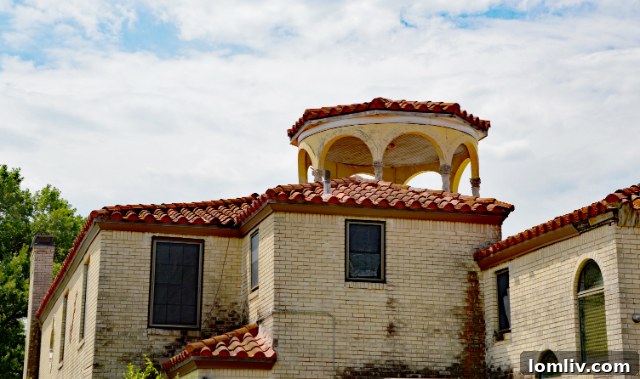
Pham, alongside her partner Shawn Thomas, an award-winning preservation-minded developer from South Carolina, meticulously conducted their due diligence on the Buckner House. Their first step involved pulling the property’s title, a standard procedure that unexpectedly unveiled a critical hurdle. “Part of the issue was the owner wanted a price that was not reasonable,” Pham stated, echoing the concerns about overpricing. “Then there was a deed restriction written in 1983 that was not completely clear. We talked to six different attorneys and two title companies about it. No one could offer a definitive answer.” This ambiguous deed restriction became a significant roadblock, injecting legal uncertainty into an already complex transaction. Despite their persistent efforts, even reaching out to SMU’s Law School for expert advice, a definitive interpretation remained elusive. The frustrating reality was that while they were diligently working through these legal complexities, racing against time, the bulldozers arrived. The demolition permit was pulled on December 18th, and the house was tragically razed on December 22nd.
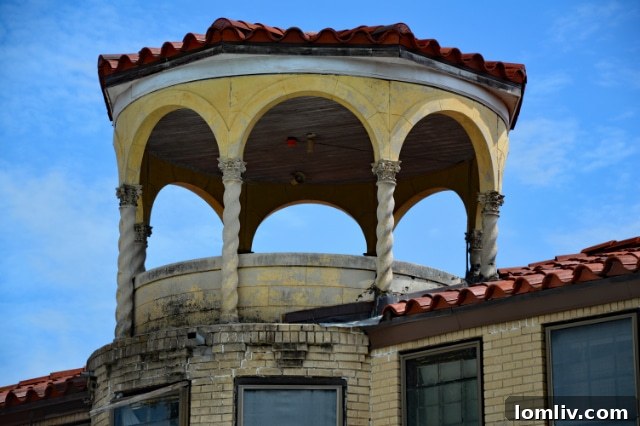
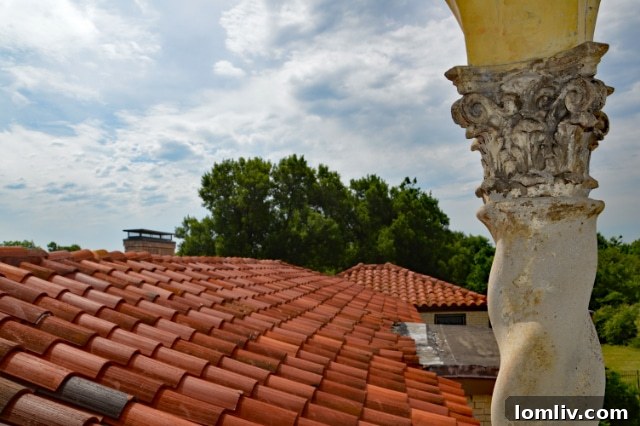
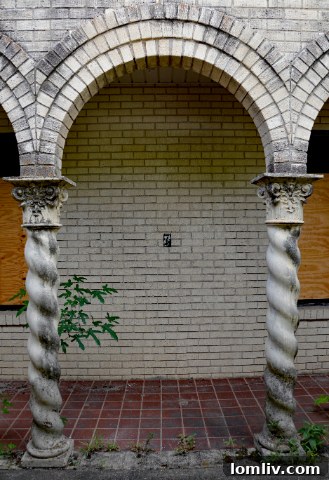
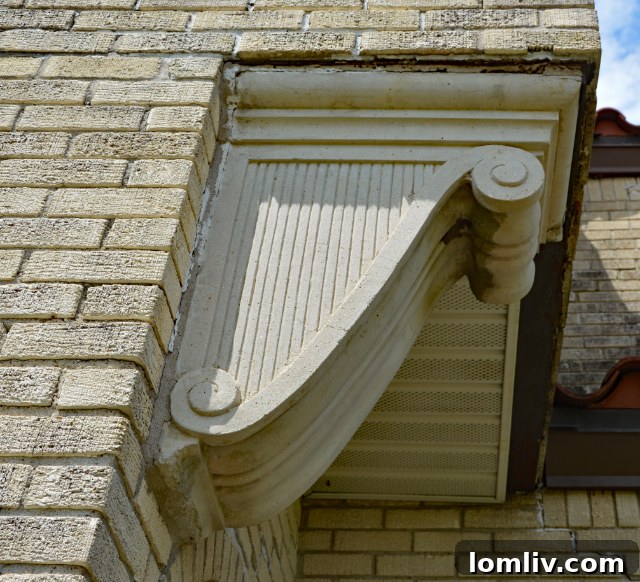
The speed of the demolition meant there was no opportunity for architectural salvage. The exquisite clay tile roof, a hallmark of Mediterranean design; the intricately carved faces that adorned its façade, each a unique work of art; and the stunning, one-of-a-kind interior tiles—all were reduced to a pile of rubble. These irreplaceable elements, testaments to the craftsmanship of an earlier era, are now lost forever, leaving a void that cannot be filled. The loss represents not just a building, but a piece of Dallas’s artistic and historical narrative, meticulously crafted details that told a story of its past.
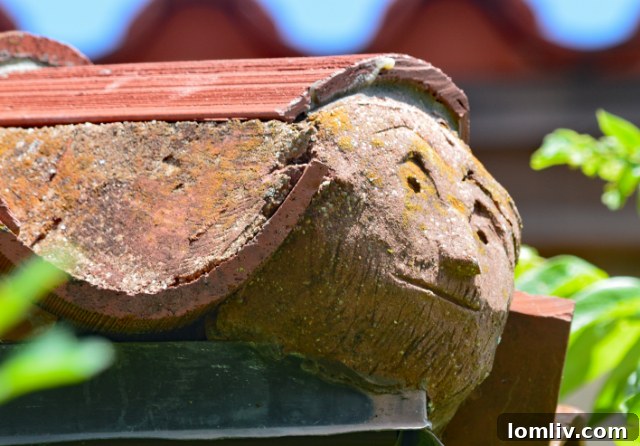
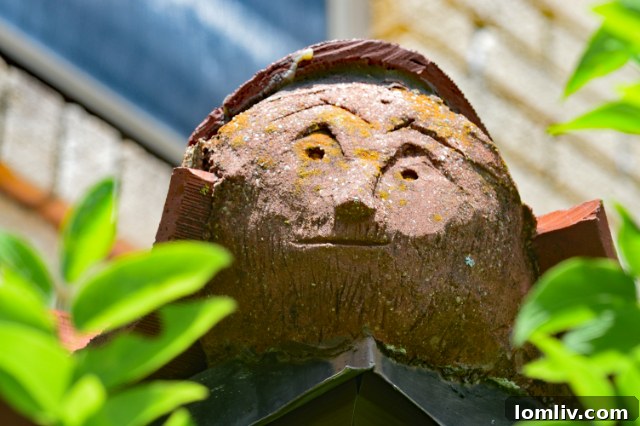
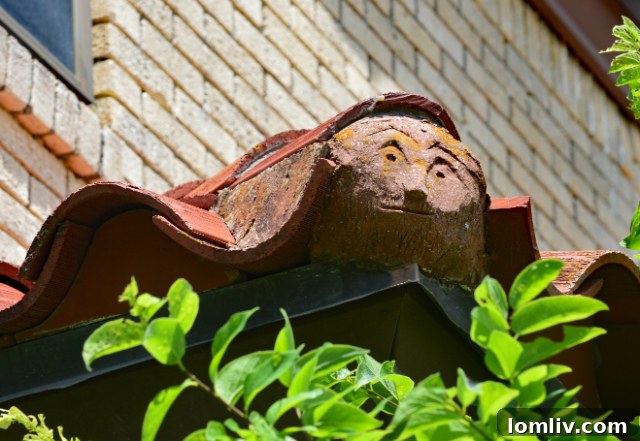
But Who Tore It Down? And What’s Next for the Buckner Land?
The question of who authorized and executed the demolition of the Buckner House remains central to this unfolding narrative, especially given that the property was still showing under contract, not yet closed. It is crucial to dispel rumors before they take hold on social media: typically, a buyer cannot secure a demolition permit until the transaction is fully complete. While holiday seasons often delay updates to official databases, the prevailing indication is that the seller must have been the party responsible for the demolition. This act significantly alters the dynamics of the sale. By presenting cleared land, the seller removes any burden for a new buyer to raze an existing structure, potentially making the property far more attractive to someone intending to build new construction.
For those concerned about large-scale developers swooping in, it’s essential to understand the intricacies of property development. Developers typically require specific zoning in place to secure funding. They meticulously obtain all necessary zoning approvals and permits *before* closing on a property to mitigate financial risk. Given the property’s current R10 single-family zoning, the likelihood of this site becoming a multi-family development is exceedingly low. Such a drastic change would necessitate a complex and often contentious rezoning process, which is highly improbable given the established character of Casa Linda Estates.
Therefore, the most probable scenario for the cleared land at 1425 N. Buckner Blvd. is replatting to accommodate multiple single-family homes. This process, which involves subdividing the existing large lot into several smaller ones suitable for new construction, would require approval from the City Plan Commission and involve a public hearing. While this outcome might still be disappointing for preservationists, it aligns best with the current zoning and neighborhood characteristics, making it the most sensible explanation in an otherwise senseless situation. This strategy allows the seller to maximize the value of the land by creating multiple buildable lots, a common practice in desirable, well-located areas where land is at a premium.
Side Note From the Builder’s Son: A Personal Connection to History
Adding another layer of poignant history to this narrative, we were fortunate to receive a call from Tom Loving, whose connection to the Buckner House is deeply personal. Mr. Loving recently appeared on social media to correct DCAD’s erroneous build date of 1925, clarifying a crucial historical detail. “My father, Tom Loving Sr., built this house in 1939,” he proudly shared. Tom Loving Sr., a native of Garland, ventured into the wholesale oil and gas industry. His fortune was made when a significant oil well in the renowned Spindletop field struck oil, ushering in the transformative oil age for the United States. With his newfound wealth, Loving Sr. commissioned the construction of this magnificent home for $25,000—a considerable sum at the time. The estate was truly lavish, boasting not only the grand Mediterranean mansion but also a private swimming pool and a double tennis court, reflecting the opulence of its era. Loving Sr. eventually sold the property in 1942, marking a new chapter in the home’s long history. Interestingly, Tom Jr. himself only had the opportunity to step through the iconic gates of his father’s creation for the very first time just a few months ago, adding a layer of bittersweet irony to its recent destruction.
It breaks my heart to see these beautiful structures taken down. I have to trust the people involved did this as a last resort. It’s a single-family area and should be retained as such.
Paula Blackmon – District 9 City Council Member
The demolition of the Buckner House stands as a stark reminder of the fragile balance between development and preservation in urban landscapes. While the full story is complex, marked by owner expectations, legal ambiguities, and market pressures, the loss of this iconic Mediterranean mansion is undeniable. It underscores the critical need for clearer preservation policies, proactive community engagement, and realistic valuations to protect Dallas’s remaining historic treasures from a similar fate. The vacant land where the Buckner House once stood now serves as a silent testament to a history lost, prompting reflection on how we can better safeguard our collective heritage for future generations.