Tragedy Strikes East Dallas: The Grandwick Fire and the Uninsured Loss of a Historic Home
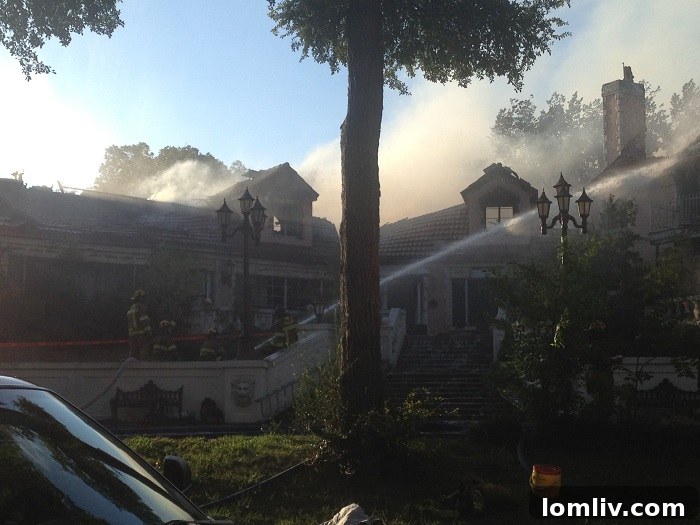
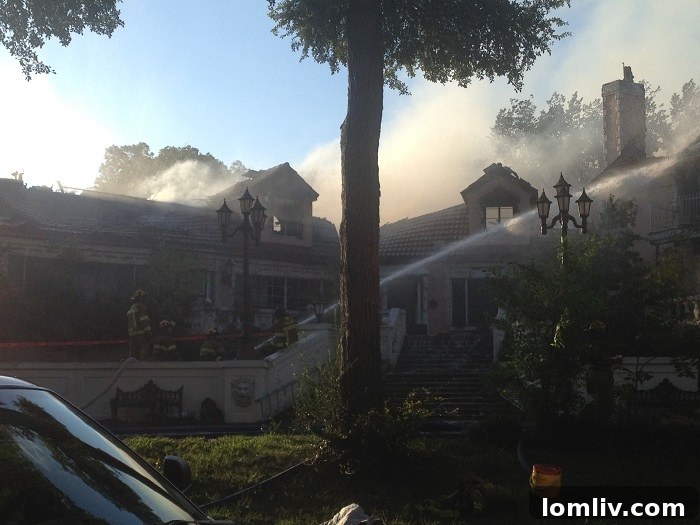
The heart of East Dallas mourns a profound loss tonight, as one of its most distinctive historical residences, affectionately known as “Grandwick” or the “Scientology House,” was engulfed in a ferocious blaze. The devastating 3-alarm fire at 9401 Dixie Lane brought 17 fire trucks to the typically tranquil neighborhood, completely blocking access on Buckner and painting the night sky with an ominous glow. Beyond the immediate destruction, this tragedy carries an even heavier weight for its owner, David D. Anderson: the magnificent property, a testament to architectural heritage, was entirely uninsured.
The news of this catastrophic event resonated deeply within the community, especially among those who, like Mr. Anderson, possess an ardent passion for preserving architectural history. The sight of a beloved home reduced to ashes is always heart-wrenching, but the stark reality of having no insurance coverage adds an almost unbearable layer of sorrow to this already devastating situation. It’s a stark reminder of the unpredictable nature of life and the immense financial and emotional toll that such an event can exact.
The Devastating Blaze at Grandwick: A Community Watches in Shock
Thursday’s fire on Dixie Lane was no ordinary incident. What began as a local emergency quickly escalated into a full-scale crisis, requiring a massive response from the Dallas Fire-Rescue department. The intensity of the inferno transformed the iconic “pink stucco estate” into a scene of utter devastation. Residents of East Dallas, along with onlookers from afar, watched in disbelief as decades of history and intricate craftsmanship were rapidly consumed by flames. The roar of the fire, the urgent sirens, and the thick plumes of smoke created a terrifying spectacle, leaving an indelible mark on the memory of all who witnessed it.
For David D. Anderson, the owner, the experience was undoubtedly harrowing. To stand by and witness a cherished property, a piece of his personal architectural collection, succumb to such destruction is an unimaginable ordeal. In the aftermath, the once-grand structure lay in ruins, eventually requiring bulldozers to clear what remained, a somber end to a house that once stood as a beacon of East Dallas history. The sheer scale of the fire’s impact on the immediate vicinity was significant, causing major disruptions and drawing the concerned attention of the entire city.
David D. Anderson: A Dedicated Steward of Architectural Legacies
David D. Anderson is not just a property owner; he is a fervent connoisseur and collector of historical homes, a passion he shares with many who appreciate the unique character and stories embedded within older structures. His portfolio, which according to DCAD records includes an impressive array of approximately 45 homes, speaks volumes about his dedication to architectural preservation. These are not merely buildings to him; they are treasures, each with its own narrative, demanding care, attention, and an understanding of its place in history. His acquisition of properties like “Belle Nora” on Garland Road further illustrates his commitment to safeguarding these irreplaceable assets.
The love for historical homes often comes with unique challenges. Beyond the significant initial investment, maintaining and restoring these properties requires specialized knowledge, considerable financial resources, and an enduring commitment. From intricate period details to robust structural requirements, every aspect demands respectful preservation. This passion, though deeply rewarding, also exposes owners to specific vulnerabilities, as tragically demonstrated by the loss of Grandwick. It’s a testament to Anderson’s character that he dedicates himself to these architectural marvels, understanding their value far beyond mere real estate speculation.
Grandwick: A Landmark with a Storied Past in East Dallas
Before the fire, Grandwick stood proudly as one of East Dallas’s most significant and largest residences, boasting an impressive 10,021 square feet of living space. Its grandeur and unique history earned it widespread recognition, often referred to as the “Scientology House” due to its former association with the Church of Scientology. During their ownership, the property was reportedly a hub of community engagement. Realtor Vicki White, who lived directly behind Grandwick during that period, recalls the Scientologists as “very nice, good neighbors,” frequently hosting community events and extending invitations to their neighbors.
Among the many exquisite features of Grandwick was a magnificent, commissioned glass etching of “The Last Supper.” Vicki White vividly described this piece as truly beautiful and monumental, a unique work of art that the former owners had assured her would remain a permanent fixture of the house. This intricate detail, along with many others, contributed to Grandwick’s distinctive character and allure. The knowledge of this irreplaceable artwork’s presence within the house made its loss all the more poignant. Anderson himself was aware of its existence and, in a desperate attempt, implored firefighters to save it, though the intense heat and collapsing structure made such a rescue impossible. Neighbors’ reports of “popping glass” heard just before the fire erupted suggest the immediate and comprehensive destruction of the house’s contents, including this cherished piece of art.
The Uninsured Burden: A Steep Price for David D. Anderson
The most tragic aspect of the Grandwick fire, undoubtedly, is the complete absence of insurance coverage. This fact transforms an already heartbreaking event into a profound financial catastrophe for David D. Anderson. Unlike many property owners who can rely on insurance to mitigate losses and aid in rebuilding, Mr. Anderson now faces the full brunt of the destruction alone. The land value on DCAD for the property stands at $206,000, but the loss of the structure itself, and all its contents, represents a far greater sum, potentially running into millions.
The challenges of insuring vacant homes are well-documented. Insurance companies often view unoccupied properties as higher risks due to increased susceptibility to vandalism, undetected issues like water leaks or electrical faults, and, indeed, fire. Consequently, obtaining coverage for such properties can be significantly more difficult, prohibitively expensive, or subject to stringent conditions. Vicki White confirmed that Anderson had indeed faced difficulties in securing adequate insurance for Grandwick due to its vacant status. This harsh reality means that beyond the emotional devastation, Anderson now faces the immense financial burden of not only losing the home but also covering the costs associated with its demolition and site clearance. Neighbors were informed that the rubble from the now-destroyed home would need to be cleared within 30 days, a process that Vicki estimates could cost Anderson upwards of $100,000 – an extraordinary expense for a property that yielded no insurance payout.
Challenges of Vacant Properties: Vandalism and Missed Opportunities
The path to losing Grandwick was paved with persistent challenges that often plague vacant, historical properties. Vicki White revealed that the house was a frequent target for vandalism. Kids, oblivious to the historical significance or personal value, would regularly break in, causing damage such as shattered chandeliers, defacing walls with graffiti, and leaving behind traces like snippets of homework in the front yard. Such acts not only cause physical damage but also contribute to a sense of despair and the perception of neglect, further complicating efforts to secure and maintain the property.
Mr. Anderson’s struggle to insure the vacant Grandwick highlights a critical dilemma for owners of such homes. While he was actively renovating the property, aiming to restore it to its former glory, the inherent risks associated with its unoccupied status made robust insurance coverage elusive. In a cruel twist of fate, Anderson had recently received an offer from someone interested in leasing the home. However, prioritizing his renovation plans and perhaps awaiting a more suitable long-term solution, he had turned down the offer. This decision, perfectly understandable at the time, now stands as a heartbreaking missed opportunity, as a tenant could have provided a presence that might have deterred vandals and potentially simplified insurance acquisition.
An Eerie Coincidence: A Buyer’s Missed Opportunity for Grandwick
The narrative of Grandwick’s fiery end is underscored by an almost eerie coincidence that adds another layer of profound sadness to the tragedy. Realtor Vicki White, a close associate of David Anderson, was on the cusp of delivering hopeful news just hours before the fire erupted. She was literally picking up the phone to call Anderson, prepared to inform him that she had received an inquiry from a prospective buyer interested in purchasing Grandwick – a mere two days before the blaze. This potential sale, offering a new chapter for the grand estate and a significant financial relief for Anderson, was cruelly snatched away by fate.
As Vicki reached for her phone to share this promising development, destiny intervened with a devastating alternative. Her husband was simultaneously on the other line, delivering the shocking news: “the pink stucco estate on Dixie was in flames.” The timing of this revelation, juxtaposed with the nascent possibility of a sale, is nothing short of tragic. It encapsulates the suddenness and unpredictability of loss, transforming a moment of potential hope into one of profound despair and regret over what could have been.
Reflecting on Loss, Resilience, and Architectural Heritage
The inferno at Grandwick evokes somber memories of other significant losses in Dallas’s architectural history, perhaps most notably the Chateau De Triomphe fire on Strait Lane in July 2002. That scorching summer day saw another monumental estate, once valued at $44.9 million and encompassing approximately 73,000 square feet, completely gutted. The scale of devastation was immense then, as it is now with Grandwick. In moments of such profound destruction, it is crucial to find solace in what truly matters: the safety of life. As with the Chateau De Triomphe, the paramount importance lies in the fact that no humans or animals were injured or killed in the Grandwick blaze. This positive perspective, though difficult to maintain amidst the rubble, remains the most significant aspect of any disaster.
The loss of Grandwick is more than just the destruction of a building; it is the erasure of a piece of East Dallas’s unique architectural heritage. It serves as a potent reminder of the fragility of these historical structures and the ongoing challenges faced by those who strive to preserve them. The incident prompts a broader reflection on the importance of vigilance, adequate property management, and the crucial role of insurance in protecting valuable assets. As the community begins to process this loss, it also implicitly renews a commitment to appreciating and safeguarding the remaining architectural treasures that define the character and history of Dallas.
The Future of 9401 Dixie Lane and Beyond
With Grandwick reduced to rubble, the immediate future for 9401 Dixie Lane involves the daunting task of clearing the site within the stipulated 30-day period. This cleanup, a costly endeavor for an uninsured owner, marks the physical end of the property as it once was. What will rise from these ashes remains to be seen. Will a new structure emerge, or will the land eventually house something entirely different? The site, once home to a storied residence, now holds an uncertain future.
Beyond the specific fate of 9401 Dixie Lane, the Grandwick fire serves as a poignant narrative for property owners and history enthusiasts across Dallas. It underscores the critical necessity of comprehensive insurance, especially for vacant or historical properties, and the importance of robust security measures. While the direct loss is immense, the incident also highlights the enduring spirit of communities and the collective appreciation for the architectural legacies that shape our cities. The memory of Grandwick, though now intertwined with tragedy, will undoubtedly continue to resonate as a significant chapter in East Dallas’s rich history.