In the vast landscape of everyday innovations, few items are as universally recognized and indispensable as adhesive tape. From the robust utility of duct tape to the precision of painter’s tape, the secure grip of packing tape, and the subtle hold of scotch tape, these versatile tools have seamlessly integrated into our daily routines, offering quick fixes and essential solutions for countless tasks. It’s difficult to imagine a world without them, given their pervasive presence in homes, offices, and workshops globally. However, while tape excels in its intended applications, there’s a fascinating, albeit concerning, human tendency to reach for it as a panacea for nearly every household malfunction, regardless of the underlying issue’s severity or nature. This article explores some of the most striking examples of tape being used far beyond its design limitations, highlighting critical home repair mistakes that homeowners should avoid.
The allure of a quick, seemingly effortless solution often leads us down paths where tape becomes the first, rather than the last, resort. A leaky faucet? Grab some tape. A loose fixture that needs tightening? Tape it up. A cracked frame threatening to fall apart? Tape comes to the rescue. This observation suggests a curious phenomenon: while many homeowners might not possess a comprehensive toolkit or the skills to use specialized tools effectively, almost everyone seems to have a roll of tape readily available. This reliance, though convenient, often masks deeper problems, creating a false sense of security and potentially leading to more significant issues down the line. Let’s delve into specific instances where tape has been spectacularly misapplied, revealing common home repair pitfalls and underscoring the importance of proper, lasting solutions.
When Tape Becomes “Evidence of Previous Foundation Repair”
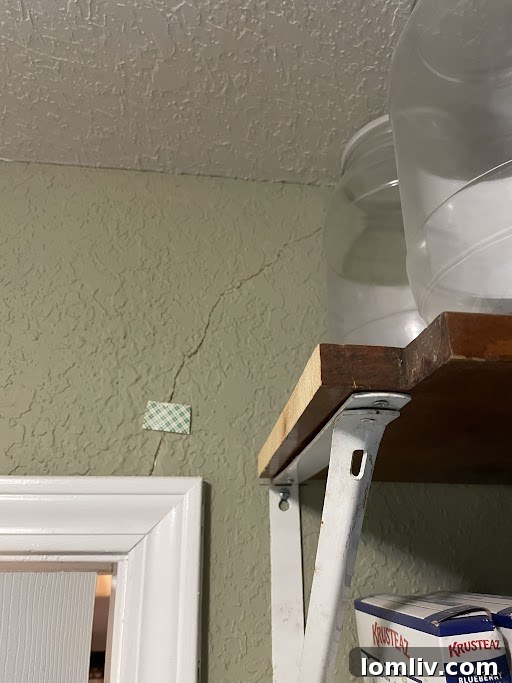
The sight of tape attempting to “repair” a foundation crack is, frankly, laughable, yet it’s a stark reminder of the misconception surrounding home maintenance. Foundation issues are among the most critical problems a homeowner can face, directly impacting the structural integrity and long-term stability of a property. Cracks, whether hairline or significant, are symptoms of underlying shifts, settlements, or pressure. Applying tape to such a crack is not just ineffective; it’s a dangerous act of self-deception. Tape, by its very nature, provides a temporary adhesive bond, designed for light-duty holding, not for withstanding the immense forces exerted on a home’s foundation. It offers no structural support, no waterproofing, and certainly no long-term solution. In reality, it merely conceals the visible symptom, allowing the underlying problem to fester and potentially worsen unnoticed.
Genuine foundation repair requires the expertise of structural engineers and licensed foundation repair specialists. Depending on the cause and severity of the crack, solutions can range from crack injections with epoxy or polyurethane to piering, underpinning, or drainage improvements. These are complex, specialized procedures that address the root cause, ensure structural stability, and prevent future issues. Homebuyers and experienced home inspectors are well aware of the gravity of foundation problems. Discovering a tape-covered crack instantly raises red flags, signaling potential neglect and significant repair costs. It undermines trust and suggests a pattern of superficial fixes, severely devaluing the property in the eyes of any potential purchaser. For the health of your home and its future value, never attempt to address foundation cracks with tape; seek professional assessment and repair immediately.
The Dangerous Misapplication: Gas Venting with Painter’s Tape
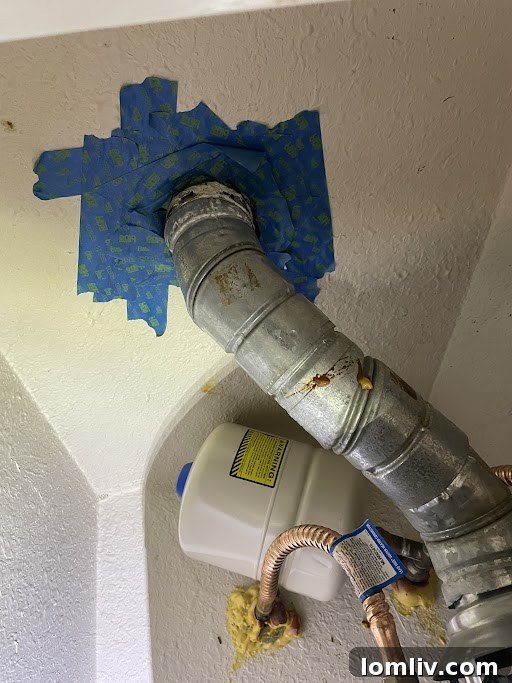
When it comes to home safety, few elements are as critical as proper gas appliance venting. The image depicting painter’s tape used on a gas flue is not just a DIY fail; it’s a serious fire hazard and a potential carbon monoxide risk. Gas flues, particularly those originating from water heaters, furnaces, or boilers, are designed to safely expel combustion byproducts—including superheated gases—out of the home. These vents operate at extremely high temperatures, requiring specific materials and a mandatory “clearance to combustibles” to prevent ignition of surrounding walls, insulation, or other flammable materials. Building codes are very explicit on this for good reason: failing to adhere to these standards can have catastrophic consequences, including structure fires and deadly carbon monoxide poisoning.
Painter’s tape, while excellent for achieving crisp paint lines, is made from paper and a low-tack adhesive. It is explicitly designed for temporary use and is highly flammable. Using it to seal or “reinforce” a gas vent is an egregious safety violation. The heat emanating from the flue will quickly degrade the tape, rendering it ineffective, and more importantly, the tape itself can easily ignite, setting fire to your home. Even if it doesn’t immediately combust, it will fail to provide an airtight seal, allowing hazardous carbon monoxide gas to leak into living spaces. Carbon monoxide is odorless, colorless, and tasteless, making it incredibly dangerous. Symptoms often mimic the flu, and prolonged exposure can be fatal.
Proper gas vent sealing and installation demand high-temperature, non-combustible materials like aluminum foil tape specifically rated for HVAC applications or specialized mastic sealants. Furthermore, all gas appliance installations and repairs must comply with local building codes and be performed by qualified, licensed professionals. Never, under any circumstances, improvise repairs on gas venting with flammable materials. Prioritizing safety and adherence to codes protects your family and your property. If you notice any issues with your gas appliance venting, immediately contact a certified HVAC technician or plumber to ensure the system is safe and compliant.
A Really Full Bath? More Like a Really Risky Fix!
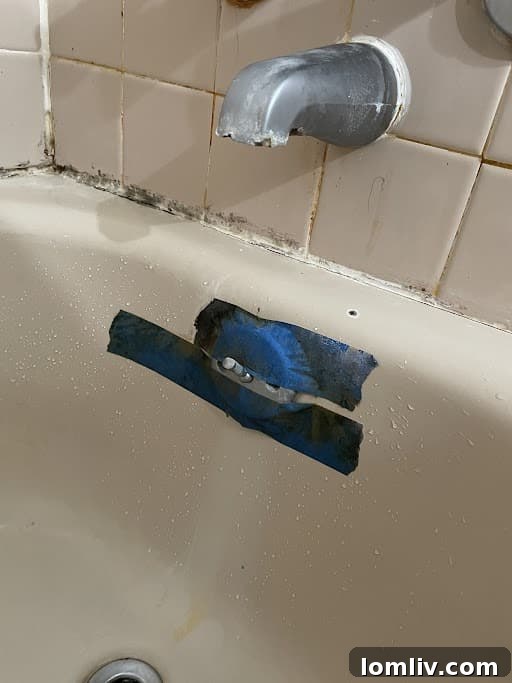
The image showcasing tape blocking a bathtub’s emergency overflow drain raises more questions than answers, primarily concerning the homeowner’s intent and understanding of basic plumbing. The goal here seems to have been anything but enhancing safety or functionality. Overflow drains are critical safety features in bathtubs and sinks, designed to prevent water from spilling onto the bathroom floor if the main drain is blocked or the faucet is left running. By providing an alternate escape route for water, they protect your home from significant water damage to floors, subfloors, and ceilings in the event of an overflow. The deteriorated state of the tape in the image suggests this “fix” has been in place for a considerable time, effectively disabling this crucial protective mechanism.
Blocking an emergency drain is a recipe for disaster. Should an overflow occur, water would have nowhere to go but over the tub’s rim, leading to immediate water damage. This can cause costly structural repairs, ruin flooring, and, most insidiously, create an ideal environment for mold and mildew growth. The presence of mildew, evident in the photograph, further confirms a lack of proper maintenance and attention to hygiene. For a homeowner looking to sell, such a visible and fundamental plumbing flaw is an immediate deal-breaker for prospective buyers and a guaranteed point of contention during a home inspection. It suggests negligence and signals that other, less visible issues might also be present throughout the property.
When preparing a home for sale, attention to detail is paramount. Every visible defect, especially one involving tape over a functional component, detracts from the property’s appeal and value. It communicates that the home has not been properly cared for. Before listing your home, always ensure all plumbing fixtures are fully functional and well-maintained. A simple cleanup with household cleaners, perhaps some Scrubbing Bubbles for that mildew, would be a much more beneficial investment than any tape job. Proper maintenance, not makeshift fixes, ensures a smooth sale and preserves your home’s value.
Wrong Kind of Tape for the Wrong Application: HVAC Ducts
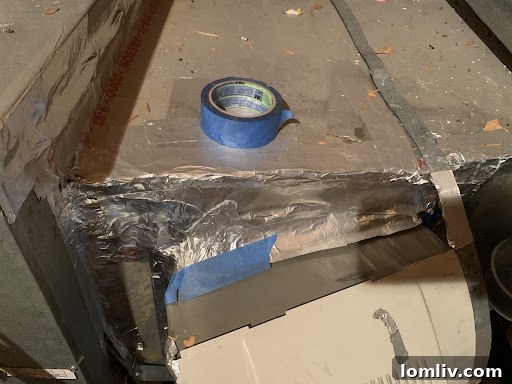
The universal struggle of finding the right tool at the right time is real. We’ve all been there: needing duct tape desperately, only to find a drawer full of painter’s tape, or vice versa. However, when the task at hand involves literally sealing a heating, ventilation, and air conditioning (HVAC) duct, the type of tape used is not merely a matter of convenience; it’s a critical factor in energy efficiency, indoor air quality, and system longevity. The image showing painter’s tape on an HVAC duct highlights a common but detrimental mistake. While it might provide a temporary visual cover, painter’s tape is utterly inadequate for sealing air ducts.
HVAC ducts are under constant air pressure, carrying conditioned air throughout your home. Leaks in these ducts can lead to significant energy losses, as heated or cooled air escapes into unconditioned spaces like attics or basements. This forces your HVAC system to work harder, increasing energy bills and shortening the lifespan of your equipment. More importantly, unsealed ducts can draw in dust, allergens, and pollutants from these unconditioned areas, compromising indoor air quality and potentially affecting the health of occupants. For proper duct sealing, specialized products like UL-listed foil-backed tape or mastic sealant are required. These materials are designed to withstand temperature fluctuations, maintain a long-lasting, airtight seal, and adhere effectively to duct surfaces. Painter’s tape, with its low adhesion and lack of durability, will quickly peel, crack, and fail, rendering the “repair” useless and wasting energy.
The image also raises questions about the incomplete nature of the repair – half-taped, then abandoned. Such unfinished jobs are red flags for home inspectors and potential buyers, signaling a lack of thoroughness and a potentially neglected HVAC system. Ensuring your HVAC ducts are properly sealed not only saves energy and improves comfort but also demonstrates responsible homeownership. If you notice leaks or gaps in your ductwork, take the extra time to acquire the correct materials or, better yet, consult with an HVAC professional for a permanent, efficient solution.
The Ambiguity of “No!”: A Mystery Wrapped in Tape
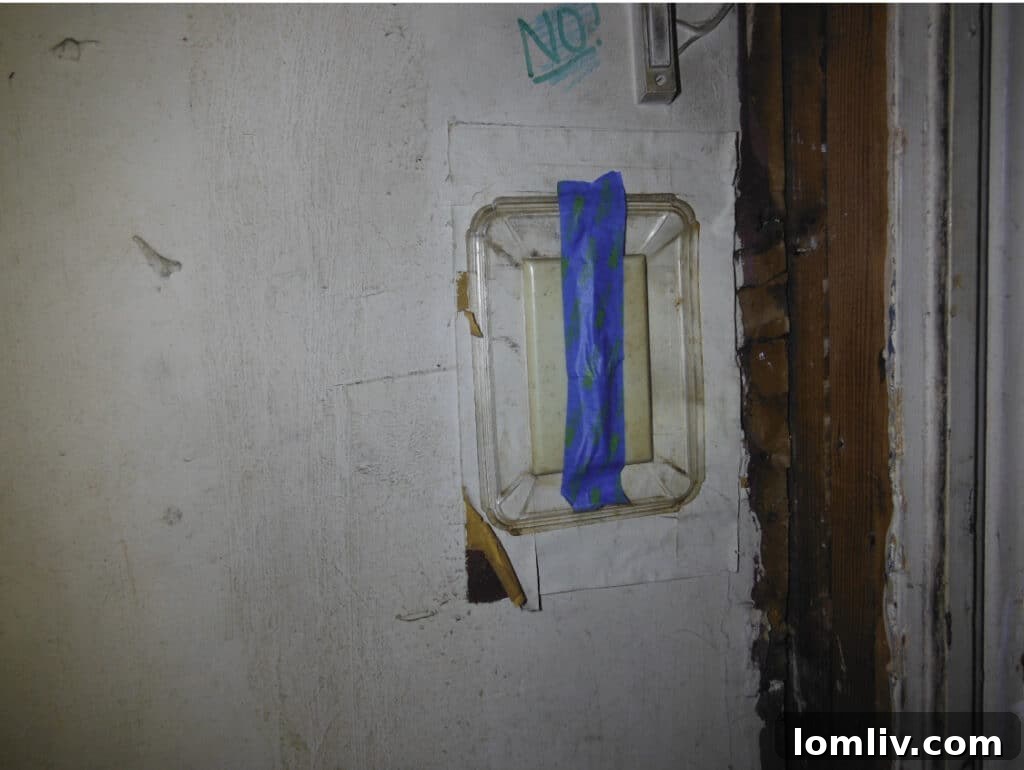
This particular image presents a perplexing scenario that encapsulates the anxieties of home inspectors and potential buyers: a garage door opener with a stern “No!” scrawled beside it, then scratched out, and a taped-over switch beneath. Such a jumble of mixed messages is a masterclass in how to create immediate distrust and raise serious safety concerns. Is the “No!” referring to the garage door opener itself, suggesting it shouldn’t be used? Is it crossed out because the prohibition is no longer valid, or because someone tried to obscure a warning? If it’s okay now, why is the switch underneath still covered with tape? Are both the opener and the switch faulty, dangerous, or simply disabled? The uncertainty alone is enough to make anyone wary.
In a home, especially concerning electrical components or essential safety devices like a garage door opener, clarity and functionality are paramount. Ambiguous warnings, scratched-out instructions, and taped-over switches are massive red flags. They suggest potential electrical hazards, dysfunctional systems, or an attempt to hide a problem. For a buyer, this translates to immediate questions about the home’s overall safety and the extent of hidden issues. An inspector would undoubtedly delve deep into this setup, potentially requiring further investigation by a licensed electrician to ensure compliance with electrical codes and safe operation. The cost of such inspections and subsequent repairs could become a point of negotiation during a sale, eroding the home’s value.
Every switch and device in a home should be clearly labeled, fully functional, and safely accessible. If a component is faulty, it should be repaired by a qualified professional or removed and replaced. DIY “fixes” that involve obscure warnings and tape are never acceptable, particularly where electrical or mechanical systems are involved. When preparing your home for sale, ensure all such ambiguities are resolved. If a switch doesn’t work, fix it. If a device is broken, replace it. Don’t leave potential buyers or inspectors guessing about the safety and functionality of your home.
Pro-Tip for Home Sellers: Ditch the Tape, Embrace Professionalism
When the time comes to put your house on the market, every detail contributes to its perceived value and appeal. The presence of tape on anything—be it a foundation crack, a gas vent, a plumbing fixture, an HVAC duct, or a mysterious electrical switch—is not just an aesthetic blight; it’s a glaring indicator of deferred maintenance and a sign that underlying issues might be lurking. This is a critical pro-tip for every homeowner: if you have tape on anything in your house, take immediate action to properly fix or replace the underlying problem before you list the property. This seemingly small detail can have a disproportionately large impact on your selling experience.
Firstly, the psychological impact on potential buyers is undeniable. Homes are significant investments, and buyers are looking for properties that feel well-maintained, safe, and move-in ready. Tape “fixes” immediately convey a sense of neglect, cheap solutions, and potential hidden problems. It tells buyers that the current owner has cut corners, leading them to question the integrity of every other aspect of the house. This can significantly devalue your home in their eyes, even if the actual repair cost is minimal. First impressions are lasting impressions, and a home riddled with makeshift tape solutions often fails to make a positive one.
Secondly, home inspections are rigorous and designed to uncover all deficiencies. An experienced inspector will immediately spot tape on any functional component and correctly identify it as a temporary, inadequate, or unsafe solution. Such findings will be prominently featured in the inspection report, leading to demands for proper repairs. If these issues are discovered after an offer has been accepted, you’ll likely be required to fix them anyway, often under pressure and tight deadlines. Post-inspection repairs typically necessitate hiring licensed vendors and providing receipts, adding stress and expense to the selling process that could have been avoided by proactive action. Furthermore, these repair demands can be used by buyers as leverage to negotiate down the sale price, costing you more in the long run.
Unless your property is being marketed as a complete teardown or a significant renovation project, invest in legitimate, permanent repairs. Address foundation cracks with structural solutions, ensure gas vents meet safety codes, rectify plumbing issues, properly seal HVAC ducts, and resolve any ambiguous electrical situations. By presenting a home free of these superficial “tape fixes,” you communicate to buyers that the property has been genuinely cared for. This builds trust, enhances perceived value, and can lead to a smoother, more profitable sale. While it might seem like a minor detail, taking the time to truly fix these issues is an investment that pays dividends in buyer confidence and ultimately, your bottom line. Your Realtor friends would most certainly agree.