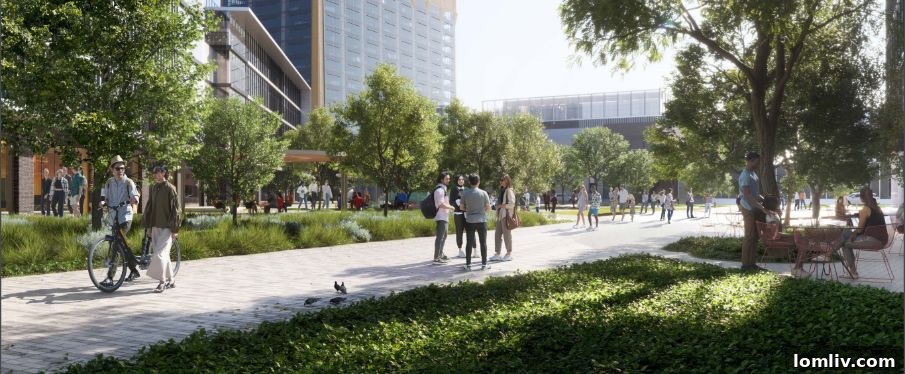
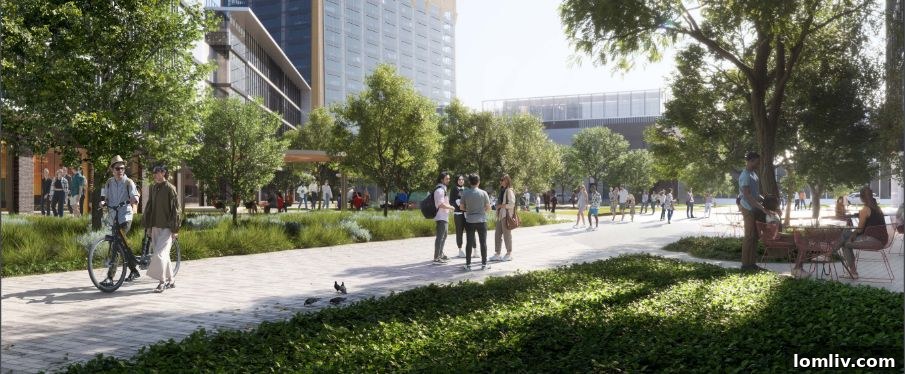
Dallas is rapidly emerging as a burgeoning hub for biotechnology and life sciences, a transformation significantly propelled by the expansion of Bridge Labs within the dynamic 23-acre mixed-use office campus known as Pegasus Park. This ambitious project underscores the city’s unwavering commitment to fostering innovation, research, and economic growth in the critical biomedical sector. With strategic investments and a collaborative ecosystem, Dallas is not just participating in the biotech revolution—it’s actively shaping its future.
The Dallas City Council recently solidified its dedication to advancing biomedical and health research by approving a substantial economic development package. During a pivotal June 14 council meeting, the city awarded a $3 million economic development grant to Bridge Labs, complemented by an additional $5 million in other incentives. This generous funding package is a clear signal of Dallas’s intent to become a national leader in life sciences, providing the necessary infrastructure for cutting-edge discovery and development.
These crucial funds are earmarked for Bridge Labs to construct an impressive 135,000 square feet of state-of-the-art research and development (R&D) space, alongside specialized lab suites. These facilities are meticulously designed to cater to the unique needs of growth-stage life sciences entrepreneurs and companies, offering them an unparalleled environment to innovate, scale, and bring groundbreaking therapies and technologies to market. The initiative is set to unlock significant potential for biotech startups and established firms looking to expand their footprint in a supportive, resource-rich ecosystem.
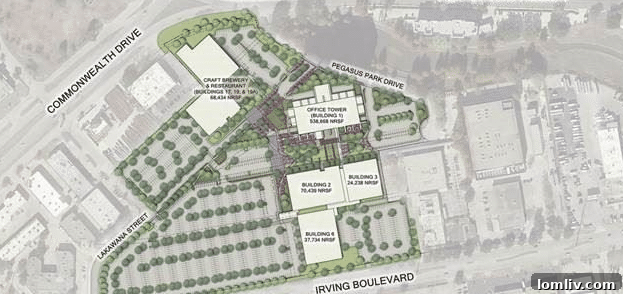
Pegasus Park’s strategic location is a cornerstone of its appeal and future success. Nestled advantageously, it sits adjacent to the vibrant Dallas Design District and the world-renowned Dallas Medical District. This proximity creates an invaluable synergy, offering easy access to a wealth of medical expertise, academic institutions, and a creative talent pool. The integration within these established districts ensures that companies at Bridge Labs are at the crossroads of innovation, medical advancement, and urban convenience, fostering an environment ripe for interdisciplinary collaboration and rapid progress.
City officials have lauded Bridge Labs as a transformative project, emphasizing its unique position as the region’s first institutional-quality, non-incubator space. As they note, this distinction is critical. While incubators play an essential role in nurturing nascent startups, institutional-quality labs provide the sophisticated infrastructure, specialized equipment, and expansive space required for more mature, growth-stage companies to scale their operations, conduct advanced research, and move from proof-of-concept to commercialization. This development addresses a significant gap in the regional life sciences landscape, offering a vital stepping stone for companies ready to accelerate their impact.
Pegasus Park: A Catalyst for Dallas Biotech Innovation
The Dallas Economic Development Department has consistently highlighted the remarkable momentum within the city’s burgeoning life science ecosystem, with Pegasus Park at its very heart. This sprawling campus has become a magnet for innovation, attracting and nurturing a diverse array of groundbreaking entities. Bridge Labs, as a key component of Pegasus Park, has strategically forged powerful partnerships that are essential for collaborative research and accelerated development. These alliances include esteemed institutions like UT Southwestern, innovative biotech firms such as TAYSHA Gene Therapies, BioLabs Colossal, ReCode, and etiraRX, as well as industry leaders like McKesson, and accelerators like Health Wildcatters and BioNTX. This interconnected network of collaborators creates a vibrant environment where ideas are exchanged, resources are shared, and scientific breakthroughs are cultivated.
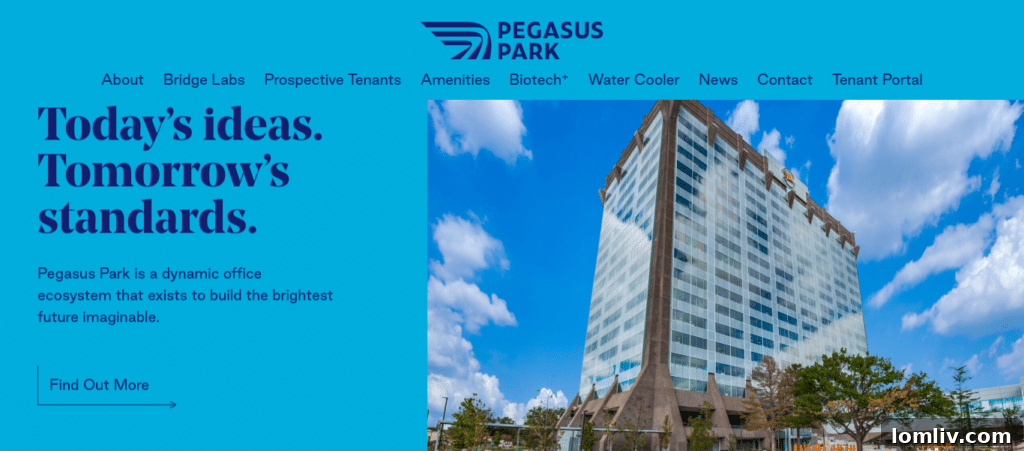
The construction of the Bridge Labs site is advancing swiftly, with the eagerly anticipated completion slated for the summer of 2024. This timeline ensures that the new facilities will soon be operational, ready to host the next wave of life science innovation and contribute significantly to Dallas’s economic vitality. The swift progress underscores the urgency and importance of this project for the city’s strategic development goals in the biotech sector.
The unanimous approval of the substantial incentives package by the Dallas City Council during last month’s meeting was a remarkable moment, especially considering the usual extensive deliberations associated with such significant financial commitments. This swift and unified decision speaks volumes about the perceived value and transformative potential of the Bridge Labs project and Pegasus Park for the future of Dallas. It reflects a broad consensus among city leaders regarding the strategic imperative of investing in high-growth, high-impact industries like life sciences.
District 6 Councilman Omar Narvaez passionately articulated the profound global impact of the research and development destined to occur at Pegasus Park. He emphasized that the advancements made within these walls have the potential to literally change the world, addressing critical health challenges and pushing the boundaries of scientific knowledge. His insights offered a glimpse into the visionary leadership driving Dallas’s biotech ambitions.
“Thanks to the genius of many people and also funding from Lyda Hill Philanthropies, a couple of years ago we were able to open this building with these labs inside,” Councilman Narvaez recounted, highlighting the foundational role of philanthropic support. “It’s mainly biolabs with incubators. The organization literally thought it would take five years to fill it, and it got filled in a year. That’s how bad we need this space in the City of Dallas.” This anecdote powerfully illustrates the immense, untapped demand for specialized lab and R&D facilities in the region, a demand that Bridge Labs is specifically designed to meet, thereby cementing Dallas’s role as a critical center for biotech growth.
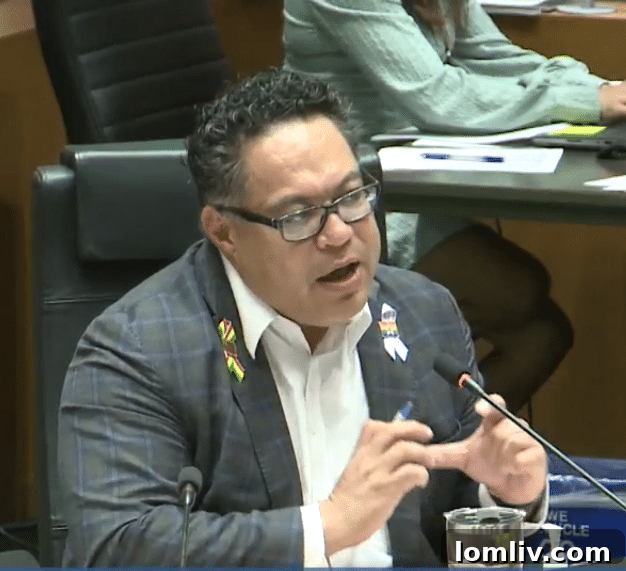
Councilman Narvaez further elaborated on Dallas’s growing allure, noting that companies are actively relocating from various parts of the country specifically to engage in cutting-edge biotech research within the city. This influx of talent and capital is a testament to Dallas’s increasing reputation as a premier destination for life sciences. The city’s strategic investments in infrastructure, combined with a supportive regulatory environment and a burgeoning talent pool, are creating a compelling ecosystem that draws innovators and researchers.
“A whole compound has now been created and it is igniting this area that used to be desolate,” he observed, reflecting on the transformative power of Pegasus Park. This once-underutilized area is now a vibrant hub of economic activity and intellectual pursuit. Narvaez recalled his earlier vision: “This is an area that when I first became a council member I said, ‘If we would focus on this area and show a little bit of love to this area, what could happen?’ If you go around this area, you’ll see that changes are happening and growth is happening. That’s increasing our tax base, bringing in new jobs, bringing in better jobs, and making sure the City of Dallas prospers as we move forward.” This sentiment captures the essence of the project: it’s not just about labs; it’s about community revitalization, economic prosperity, and creating high-quality employment opportunities for Dallas residents.
Beyond local impact, city leaders have strategically positioned the investment in Bridge Labs as a critical component of Dallas’s ambitious bid to host the future headquarters of the National Institutes of Health’s Advanced Research Projects Agency for Health (ARPA-H). Establishing ARPA-H headquarters in Dallas would be a monumental achievement, solidifying the city’s standing as a national focal point for health innovation and medical breakthroughs. The advanced facilities at Bridge Labs and the collaborative ecosystem at Pegasus Park directly demonstrate Dallas’s readiness and capability to support such a high-profile, impactful federal agency, showcasing its commitment to pioneering solutions in health and medicine.
Dallas: A Future Leader in Global Health and Innovation
The expansion of Bridge Labs at Pegasus Park is more than just a real estate development; it represents a significant leap forward for Dallas in the global competition for scientific leadership and economic prosperity. By creating an environment where growth-stage biotech companies can thrive, the city is fostering a robust pipeline of innovation that promises to yield life-changing discoveries and treatments. The strategic alliances forged within Pegasus Park, coupled with the visionary support from both public and private entities like Lyda Hill Philanthropies, are establishing a blueprint for sustained growth in the life sciences sector.
With the Bridge Labs facility slated for completion in the summer of 2024, Dallas stands on the cusp of realizing its full potential as a major biomedical research hub. This development will not only attract further investment and top-tier talent but also create a diverse range of high-value jobs, significantly boosting the local economy and enhancing the quality of life for its citizens. The transformation of a formerly desolate area into a vibrant innovation campus underscores the profound impact of strategic urban planning and dedicated investment in key industries.
Ultimately, Dallas’s proactive approach to cultivating its biotech ecosystem, epitomized by the Bridge Labs expansion and the broader vision for Pegasus Park, positions the city as a critical player in addressing some of humanity’s most pressing health challenges. As the research within these state-of-the-art facilities progresses, Dallas will not only contribute to scientific advancement but also reinforce its reputation as a dynamic, forward-thinking metropolis, ready to lead in the next era of health and innovation.