Unveiling Timeless Beauty: Brent Hull’s Masterpiece at 2300 Willing Avenue in Historic Ryan Place
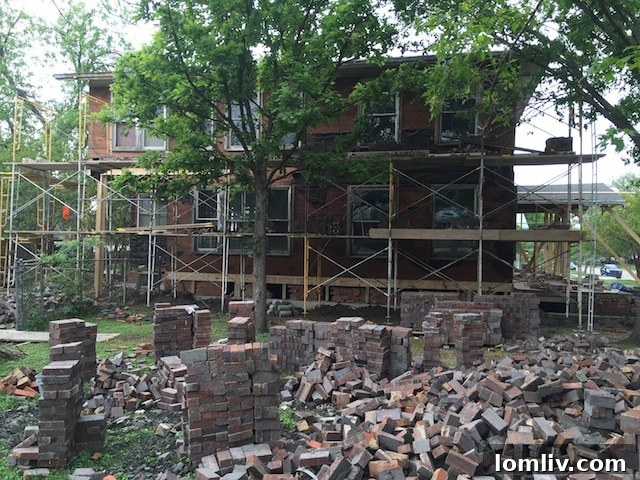
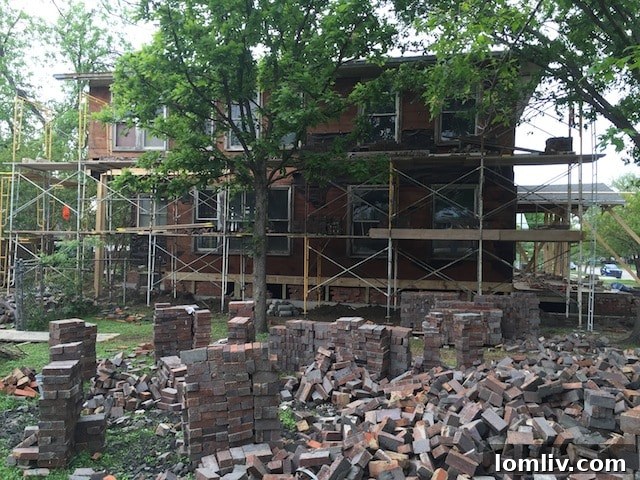
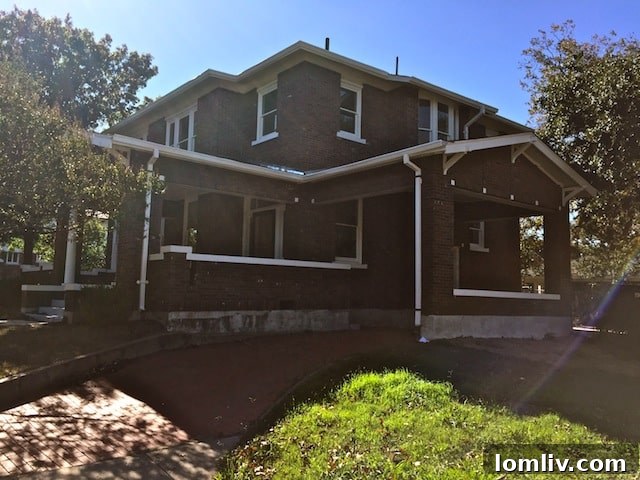
Nestled within the enchanting and historically significant Ryan Place district in Fort Worth, Texas, the residence at 2300 Willing Avenue stands as a vibrant testament to the enduring charm of classic architecture and the profound impact of expert historic home restoration. What was once a graceful but aging property, nearing its centennial, has undergone a truly breathtaking revitalization. In a remarkable transformation spanning mere months, this iconic structure has been imbued with new life, showcasing how meticulous craftsmanship and a deep respect for heritage can rejuvenate a home. This extraordinary metamorphosis is largely attributable to the unparalleled vision and masterful skill of Brent Hull.
Brent Hull, a distinguished figure renowned for his authentic architectural millwork and unparalleled expertise in historic preservation, is much more than a craftsman; he is a conservator of history. Educated and trained in Boston, Hull brings a profound understanding of period details and traditional building techniques to every project. As the owner of Hull Historical, his firm has become synonymous with crafting historically accurate millwork and executing comprehensive restoration initiatives that deftly honor the past while thoughtfully integrating modern living. The 2300 Willing Avenue project is a prime example of Hull’s philosophy in action, elevating a venerable house into a radiant showcase of timeless design, superior functionality, and enduring quality.
Bringing History to the Screen: The “Lone Star Restoration” Phenomenon
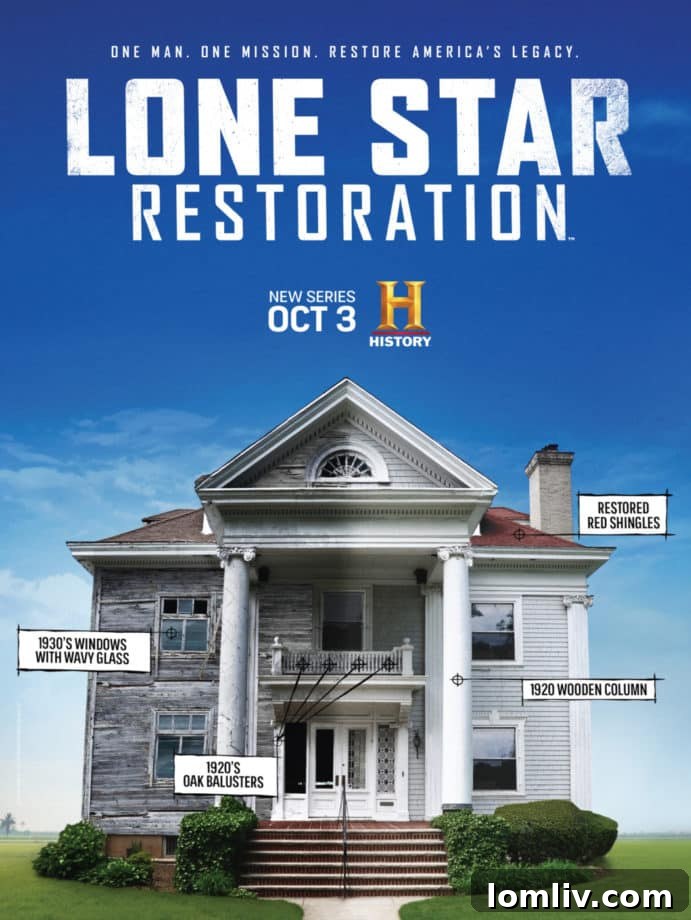
The captivating journey of the 2300 Willing Avenue restoration, alongside other equally compelling projects, captured the national spotlight as the subject of a popular weekly program on the History Channel. Titled Lone Star Restoration, the series premiered on October 13th and swiftly garnered a devoted following. Viewers were granted an intimate look into Brent Hull’s distinctive and often complex approach to historic renovation, witnessing firsthand the dedication and artistry involved in each endeavor. For those who missed the initial broadcasts, past episodes are conveniently available online, offering a continuing opportunity to explore Hull’s unique methods and his unwavering commitment to authenticity and excellence in craftsmanship.
Beyond merely showcasing aesthetic makeovers, “Lone Star Restoration” delves deep into the historical context of each property, unraveling the stories embedded within their walls. The series highlights the intricate period-appropriate techniques employed and the painstaking efforts required to revive these architectural treasures from their slumber. Central to the program is Hull’s eloquently articulated philosophy: to “quit building crap and build more beautiful things.” This isn’t just a catchy phrase; it’s a guiding principle that underscores every project, emphasizing a return to enduring quality, sustainable practices, and a profound appreciation for the artistry and legacy of previous generations. Through Hull’s inspiring work, “Lone Star Restoration” successfully casts Fort Worth and its steadfast dedication to historic preservation in a highly favorable and inspiring light, illustrating how a city can gracefully embrace its future while reverently honoring its rich architectural past.
An Inside Look: The Art of Interior Transformation
Stepping across the threshold of the revitalized 2300 Willing Avenue residence is akin to entering a meticulously curated living museum, where historical integrity seamlessly intertwines with contemporary comfort. Every single detail within has been thoughtfully considered and flawlessly executed, transforming once-dated and underutilized spaces into vibrant, functional areas that resonate with both vintage charm and sophisticated modern living. The interior design reflects a harmonious balance, preserving the home’s original character while adapting it to the demands of twenty-first-century lifestyles.
The Grand Staircase: A Symphony of Light and Elegant Contrast
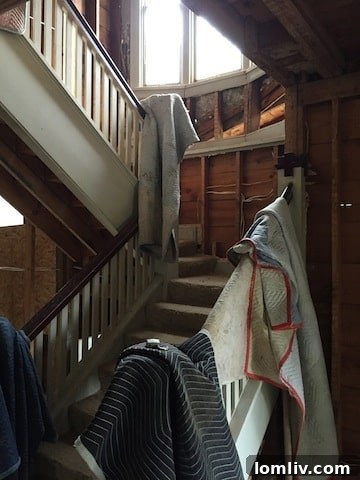
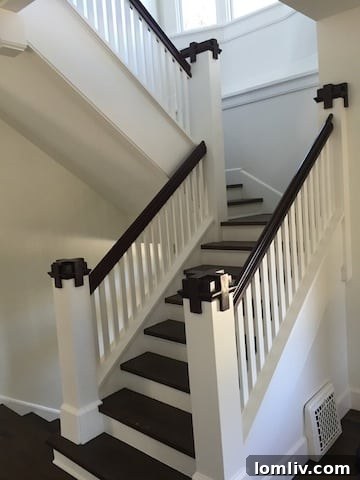
One of the most immediate and striking transformations within the home greets visitors at the very entrance: the magnificent grand staircase. What was previously described as a dark and somewhat gloomy focal point has been masterfully re-envisioned and is now bathed in an abundance of natural light, instantly uplifting the ambiance of the foyer. This dramatic alteration wasn’t merely achieved by enhancing illumination; it involved a careful and deliberate selection of finishes designed to create a powerful visual impact. The newly restored, near-ebony treads and a richly finished banister now provide a crisp, elegant contrast against the bright white posts and trim work. This thoughtful design choice not only magnifies the staircase’s inherent architectural beauty but also cultivates a welcoming, airy atmosphere that gracefully sets the tone for the entire home. The diligent restoration of original wood elements, combined with expertly applied modern painting techniques, successfully returns this central feature to its rightful prominence, perhaps even surpassing its original splendor.
Seamless Flow and Reverent Preservation of Heritage
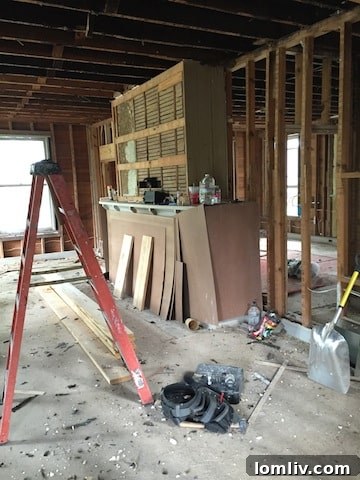
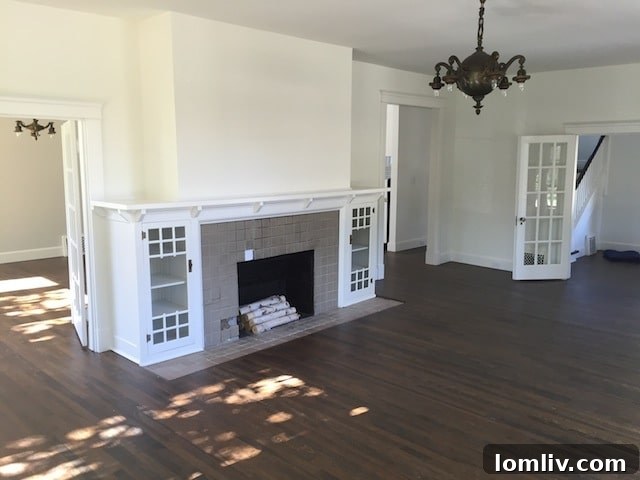
Beyond the impressive staircase, the principal living areas exemplify a triumph of design, harmoniously blending a traditional layout with a refreshingly modern, open-plan sensibility. The careful configuration ensures excellent circulation on either side of the majestic fireplace, fostering an inviting flow that enhances connectivity and interaction between the spaces. This delicate balance was achieved through a profound understanding of the home’s original blueprint, subtly enhancing its functionality for contemporary living without ever compromising its cherished vintage soul. A fundamental tenet of Brent Hull’s restoration philosophy is the meticulous preservation of original elements. Wherever feasible, existing fixtures, period windows, unique architectural details, and even original tile work have been painstakingly cleaned, expertly burnished, and thoughtfully reinstalled. This unwavering dedication ensures that the home’s intrinsic character and rich historical narrative remain intact, offering its residents a tangible, comforting connection to its storied past.
The Bright Breakfast Nook: An Ode to Arts and Crafts Simplicity
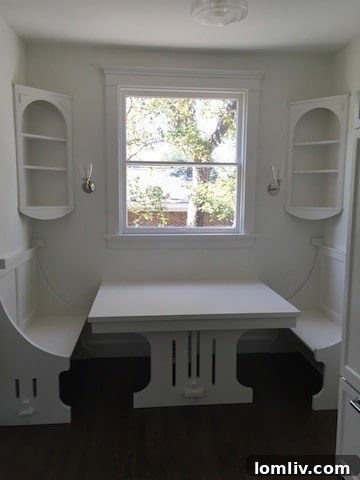
A truly delightful and inspired addition to the home’s interior is the bright breakfast nook, a creative invention conceived by Brent Hull himself. This charming space pays profound homage to the revered Arts and Crafts style, drawing distinct inspiration from iconic designers such as Charles Rennie Mackintosh. The nook serves as a perfect illustration of how new elements can be seamlessly and thoughtfully integrated into an existing architectural fabric, enriching its overall character rather than detracting from it. Its design likely features the hallmarks of the Arts and Crafts movement: clean lines, natural materials, a focus on handcrafted details, and often built-in seating, together creating a cozy yet elegantly functional corner perfectly suited for morning coffee, casual meals, or quiet contemplation. This space not only introduces valuable practical functionality but also adds another intriguing layer of architectural interest, significantly enhancing the home’s overall appeal and demonstrating Hull’s exceptional ability to innovate respectfully within established historical contexts.
A Modern Vintage Kitchen: Culinary Elegance and Historic Appliances
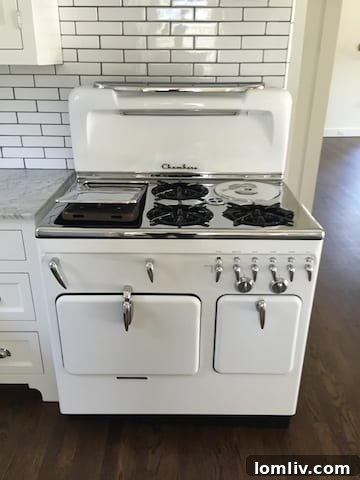
The kitchen at 2300 Willing Avenue is a masterclass in balancing a sophisticated modern aesthetic with deeply cherished period touches, resulting in a culinary space that is both exceptionally functional and wonderfully evocative of its historical roots. Here, contemporary design choices, such as sleek subway tile backsplashes and elegant gray marble surfaces, establish a fresh, clean, and highly practical backdrop for daily life. However, it is undoubtedly the perfectly integrated period elements that truly ground the space in its historical context and elevate its unique charm. The absolute centerpiece, captivating all who see it, is a lovingly restored Chambers stove, its polished chrome gleaming as if it were newly minted from the factory. The Chambers stove, celebrated in its era for its innovative design, robust quality, and culinary efficiency, serves as a poignant reminder of a bygone age of well-engineered, durable appliances. The painstaking effort and meticulous attention to detail involved in restoring such a magnificent piece speak volumes about Brent Hull’s unwavering dedication to authenticity and superior quality, surely filling any admirer with a profound sense of awe and perhaps a touch of envy for such a magnificent, functional work of art.
Dive Deeper into Brent Hull’s Vision and Craftsmanship
For those eager to delve further into Brent Hull’s profound passion for historic craftsmanship and his unique, reverent approach to architectural preservation, this insightful introductory video from the History Channel’s “Lone Star Restoration” series offers an excellent and engaging starting point. It provides a deeper understanding of the man behind the magic and the principles that guide his extraordinary work:
The Legacy Continues: Public Tours and Future Endeavors
The widespread success and enduring popularity of “Lone Star Restoration” has naturally fueled considerable speculation regarding a potential second season on the History Channel, which would be a clear and welcome indicator of the public’s growing interest in quality craftsmanship, architectural heritage, and historic preservation. For those fortunate enough to reside in or visit the Fort Worth area, an extraordinary opportunity recently presented itself to experience this magnificent restoration firsthand. The 2300 Willing Avenue house was proudly featured as one of six exceptional properties included in the annual Ryan Place Candlelight Tour on December 3rd and 4th. Such acclaimed tours offer a rare and invaluable chance to step inside these architectural gems, appreciate the intricate details of their meticulous restoration, and forge a tangible connection with the rich history gracefully embedded within the very walls of these cherished Ryan Place homes. These community events not only serve to celebrate and protect historical architecture but also powerfully inspire future generations to value, conserve, and passionately advocate for these invaluable cultural assets.
Brent Hull’s exemplary work at 2300 Willing Avenue transcends a mere renovation; it crafts a powerful narrative about respecting the past, building thoughtfully for the future, and creating living spaces that genuinely inspire awe and admiration. It stands as a shining, tangible example of how thoughtful historic preservation can profoundly enhance communities, educate the public on the value of enduring craftsmanship, and gracefully remind us all of the timeless, irreplaceable beauty that quality and authenticity deliver.
***
About the Author
Eric Prokesh is an accomplished interior designer whose remarkable work has been featured on HGTV, and in prestigious books and publications including D Home, Southern Accents, House Beautiful, and House and Garden. In January 2005, HG recognized Eric as one of the 50 tastemakers in America, and D Home has consistently included him as one of Dallas’ Best Designers for a remarkable 10 years. Having lived the majority of his life in Dallas, he now proudly calls Fort Worth home and contributes his expert insights as one of our cherished authorities on the beautiful landscape and heritage of Fort Worth Dirt.