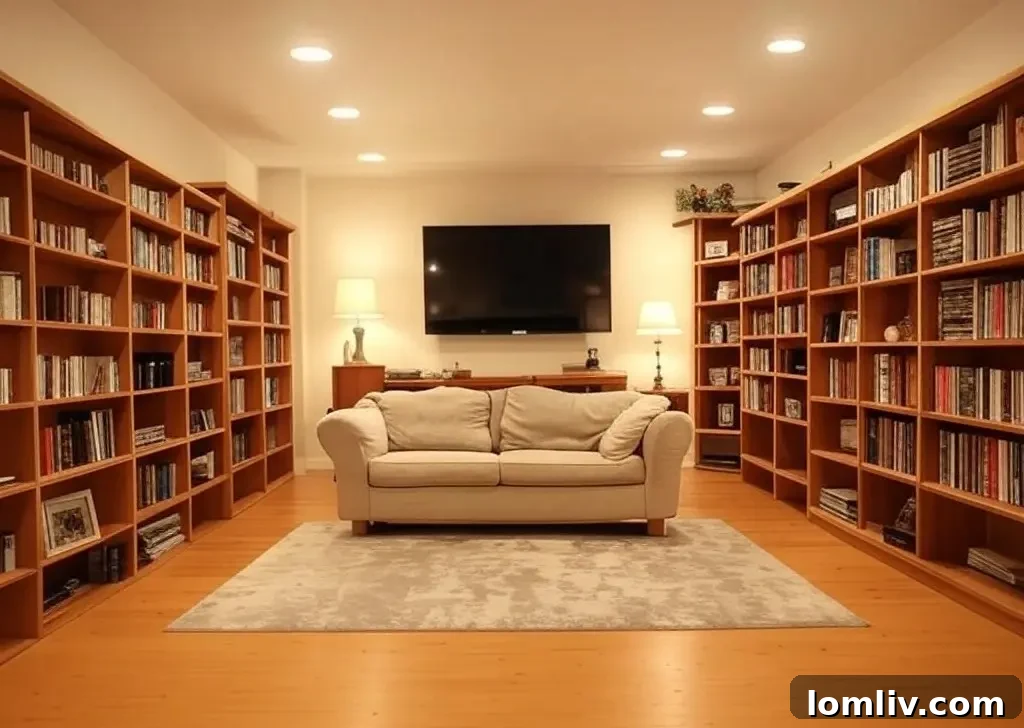
Transforming an underutilized basement into a vibrant, functional extension of your home is one of the most rewarding home improvement projects. Beyond simply adding square footage, a thoughtfully designed and finished basement can significantly enhance your lifestyle, providing essential space for entertainment, work, relaxation, and much more. This comprehensive guide will walk you through the critical steps and considerations for a successful basement finishing project, ensuring a space that is not only beautiful but also comfortable, safe, and durable.
The journey begins with a meticulous assessment of your basement’s current state and a clear vision for its future. Start by measuring the entire basement volume, accounting for all structural elements like columns, existing mechanical services, and stairwells. This detailed measurement provides the foundation for accurate space planning. Next, identify distinct zones based on their intended functional use. Common arrangements include dedicated areas for entertainment (media rooms, game rooms), productive home offices, comfortable guest bedrooms, modern bathrooms, and efficient storage rooms. Carefully planning these zones ensures that every inch of your basement is optimized for its purpose.
An often-overlooked but crucial aspect of basement design is traffic flow. Well-planned circulation paths are essential for the comfort and functionality of the space. Main routes connecting key areas, such as entrances, entertainment zones, and bathrooms, should be at least 36 inches in width, with wider corridors in high-traffic areas to prevent congestion. When planning, consider the swing of doors, the placement of furniture, and how people will move through the space. These details significantly impact the usability and overall feel of your finished basement, creating an intuitive and welcoming environment for residents and guests alike.
Mechanical and Infrastructure Requirements: The Unseen Foundation

Before any aesthetic work begins, a thorough evaluation of your existing HVAC, plumbing, and electrical systems is paramount. Basements typically have unique environmental challenges, making robust infrastructure a critical component of a successful renovation. Most basement finishing projects will necessitate several key upgrades:
- New Lighting and Power Outlets: Basements often lack adequate natural light, making a well-designed artificial lighting plan crucial. Installing sufficient power outlets is also essential for modern living, accommodating everything from electronics to appliances.
- Heating and Cooling Adjustments: Basements tend to be cooler in summer and colder in winter than upper floors. Extending your home’s HVAC system or installing a dedicated zone heating/cooling system (like a mini-split) is often required to ensure year-round comfort.
- Plumbing for Bathrooms or Wet Bars: Adding new amenities like a bathroom, wet bar, or even a laundry area requires extending the existing plumbing system. This often involves new drain lines, water supply lines, and potentially a sewage ejector pump if drains are below the main sewer line.
- Upgraded Electrical Panel: If you’re adding significant electrical loads, such as large appliances (washer/dryer, oven), a dedicated home theater system, or a substantial number of new outlets and lights, your existing electrical panel may need an upgrade to handle the increased demand safely.
Crucially, ensure you leave adequate and easily accessible access points for all service areas. This means incorporating features like removable ceiling tiles or strategically placed closets that hide utility panels, water heaters, and furnace units, allowing for future maintenance and repairs without damaging finished surfaces. This forethought saves significant hassle and cost down the line.
Natural Light and Ventilation: Bringing the Outside In
Basements inherently suffer from a lack of natural light, often feeling dim and somewhat isolated. Maximizing natural light and ensuring proper ventilation are key to creating an inviting and healthy living space. Strategies to brighten your basement include:
- Enlarged Window Wells with Reflective Liners: Expanding existing window wells and lining them with reflective materials can significantly bounce more sunlight into the basement, making windows appear larger and the space brighter.
- Glass Block Windows for Privacy: For areas requiring light but also privacy, such as bathrooms or laundry rooms, glass block windows offer an excellent solution. They allow diffused light to enter while obscuring direct views.
- Light Tubes or Solar Tunnels: These innovative systems capture sunlight from the roof and channel it down into the basement through highly reflective tubes, providing surprising amounts of natural illumination, even in interior rooms.
- Egress Windows: If you plan to add any bedrooms to your basement, installing egress windows is not just a recommendation but a mandatory safety requirement by building codes. These windows must be large enough to allow occupants to escape in an emergency and for firefighters to enter.
Beyond natural light, proper ventilation is vital to prevent stuffiness and maintain healthy indoor air quality. Consider installing an exhaust fan in bathrooms and potentially a heat recovery ventilator (HRV) or energy recovery ventilator (ERV) system to continuously exchange stale indoor air with fresh outdoor air without significant heat loss or gain. Always double-check local building codes for any minimum window sizes, well depths, and ventilation requirements before commencing your project to ensure compliance and safety.
Moisture Control and Insulation: The Shield Against the Elements
One of the most critical aspects of any basement design is effectively tackling moisture problems before any finishing work begins. Failing to address moisture can lead to a host of issues, including mold growth, musty odors, and damage to finishes and structural elements. A multi-pronged approach is recommended:
- Exterior Drainage and Waterproofing: This is the first line of defense. Ensuring proper grading around your home, maintaining clear gutters and downspouts, and installing exterior waterproofing membranes or drainage systems can prevent water from ever reaching your foundation walls.
- Interior Vapor Barriers: On the interior, installing vapor barriers on walls and under flooring is crucial. These barriers prevent moisture vapor from migrating through concrete and into your finished living space, protecting insulation and drywall from dampness.
- Dehumidification: Basements are naturally prone to higher humidity levels. A reliable dehumidifier, either a portable unit or a whole-home system integrated with your HVAC, is often a wise investment to maintain optimal indoor humidity levels (typically 30-50%).
- Effective Insulation: When insulating basement walls and ceilings, choose materials that are highly resistant to moisture absorption. Closed-cell spray foam is an excellent choice as it acts as both an insulator and an air/vapor barrier, conforming to irregular surfaces and providing superior protection against moisture intrusion and temperature fluctuations. Other options like rigid foam boards are also highly effective.
Proper moisture control and insulation are not just about comfort; they are about protecting your investment, ensuring a healthy indoor environment, and maximizing energy efficiency for your entire home.
Ceiling Height Considerations: Making Space Feel Grand
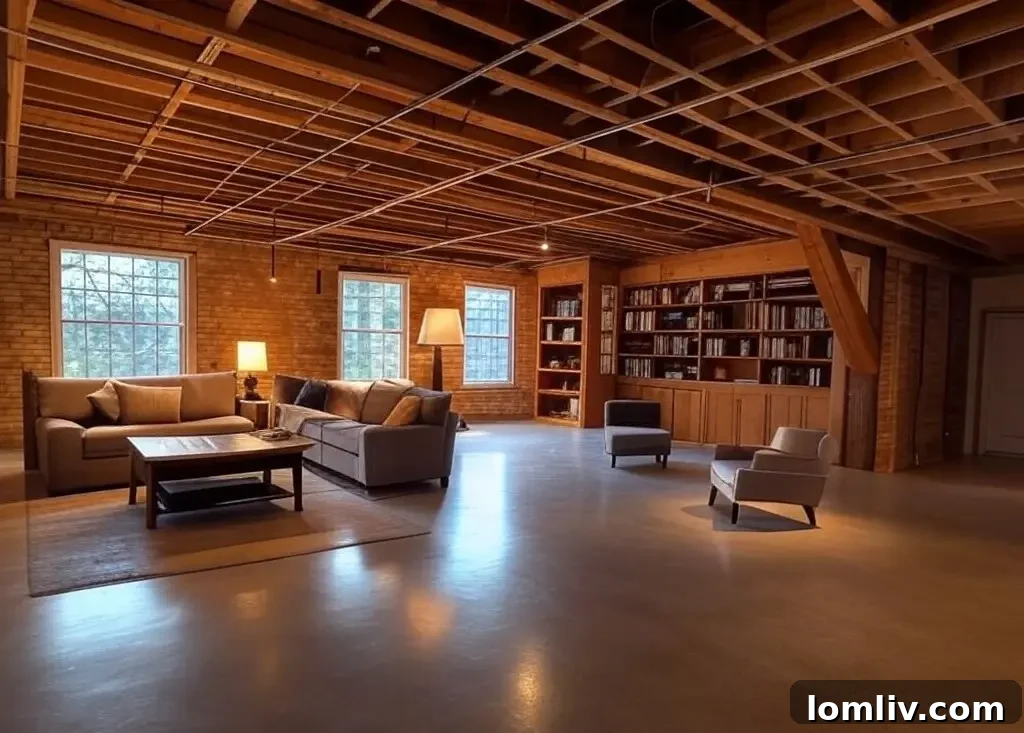
Basements are often characterized by lower ceiling heights compared to upper floors, which can make a space feel cramped if not addressed thoughtfully. Most local building codes require a minimum finished ceiling height, typically at least 7 feet, though higher ceilings are always more desirable for comfort and resale value. The challenge often lies in working around existing ductwork, plumbing lines, and electrical conduits that hang below the floor joists.
Creative design solutions can help mitigate the feeling of low ceilings and cleverly conceal unsightly utilities. Soffits, which are dropped sections of ceiling, can be strategically built around ductwork and pipes. Instead of trying to hide them completely, these soffits can be integrated into the design to create architectural interest, define different zones within an open-plan basement, or even house recessed lighting. In some contemporary designs, painting exposed ceilings (joists, ducts, pipes) a dark color like black or charcoal can create an industrial aesthetic that actually makes the ceiling appear taller and adds character, rather than drawing attention to its height.
Choosing the Right Flooring: Foundation for Comfort and Durability
Selecting the appropriate flooring for your basement is a decision that balances aesthetics, comfort, and practical considerations, particularly moisture exposure. Basements are inherently more susceptible to moisture than other areas of the home, so your choice of flooring must be robust enough to withstand potential dampness while also aligning with the room’s function and your design vision. Popular and highly recommended options for basement flooring include:
- Luxury Vinyl Plank (LVP): LVP is an excellent choice for basements due to its exceptional water resistance, durability, and wide range of styles that can mimic hardwood or tile. It’s comfortable underfoot and relatively easy to install.
- Engineered Hardwood with a Vapor Barrier: While solid hardwood is generally not recommended for basements due to moisture sensitivity, engineered hardwood can be a viable option when installed over a high-quality vapor barrier. Its layered construction makes it more stable in fluctuating humidity.
- Porcelain Tile: Highly durable, water-resistant, and easy to clean, porcelain tile is perfect for high-traffic areas, bathrooms, or utility spaces. It can be cold underfoot, so consider radiant heating for added comfort.
- Carpet Tiles: Offering warmth, comfort, and sound absorption, carpet tiles are a flexible alternative to wall-to-wall carpeting. If a section gets damaged or wet, individual tiles can be replaced, making them a practical choice for basements.
- Sealed Concrete: For a modern, industrial look, existing concrete floors can be stained, polished, and sealed. This option is extremely durable, water-resistant, and relatively low-maintenance, though it can also be cold and hard.
When incorporating staircases, pairing high-quality flooring with solid iron balusters creates a sophisticated and modern look. Beyond aesthetics, solid balusters also offer better sound absorption compared to hollow ones, contributing to a quieter overall environment in your finished basement.
Lighting and Ambiance: Crafting the Perfect Mood
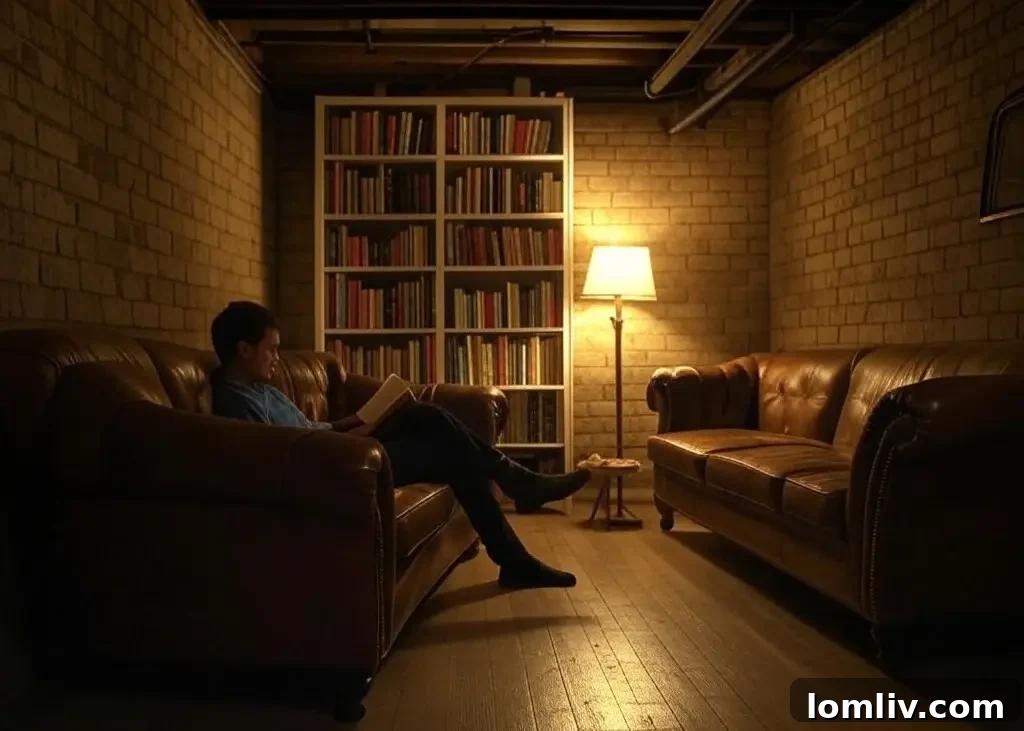
Effective lighting design is transformative in a basement, compensating for the lack of natural light and creating distinct moods for different zones. The key is to layer your lighting, combining various types of fixtures to achieve both functionality and ambiance. This multi-layered approach ensures the space is bright enough for tasks and cozy enough for relaxation:
- General Lighting: This provides overall illumination for the space. Recessed lights (pot lights) are an excellent choice for basements as they are flush with the ceiling, maintaining maximum headroom and providing a clean, contemporary look. Strategically place them to ensure even light distribution.
- Task Lighting: Essential for work areas, reading nooks, or kitchenettes. This can include under-cabinet lighting in a wet bar, desk lamps in a home office, or floor lamps next to a reading chair. Task lighting should be brighter and more focused than general lighting.
- Accent Lighting: Used to highlight architectural features, artwork, or decorative elements. Wall sconces, track lighting focused on specific features, or LED strip lights along shelves or coves can add visual interest and depth to the room.
- Dimmers: Incorporating dimmers for most lighting circuits allows you to adjust the intensity of light, easily changing the mood from bright and functional to warm and inviting.
Consider the color temperature of your lights; warmer tones (2700K-3000K) create a cozier, more inviting atmosphere, while cooler tones (3500K-4000K) are better for task-oriented areas like offices or craft rooms. Thoughtful lighting design is crucial for making your basement feel like a natural extension of your home, not just a separate, dark space.
Storage Solutions: Mastering Organization
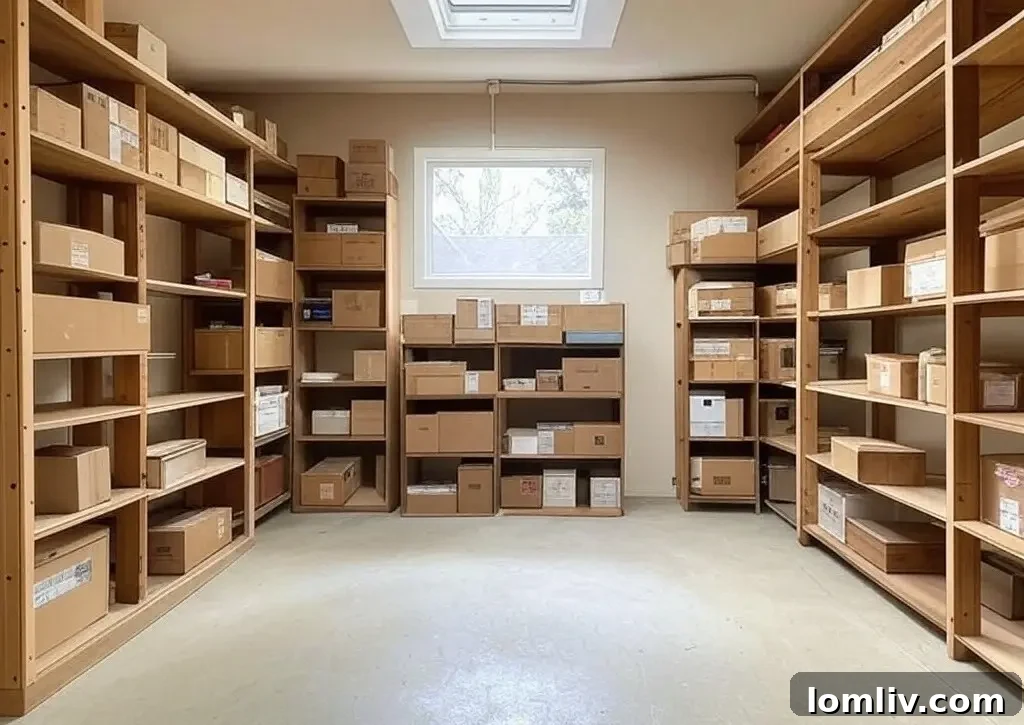
A basement often serves as a primary storage area for many homes, and a finished basement should not sacrifice this utility. Maximizing storage efficiently is key to maintaining a clutter-free and organized space. Integrate smart storage solutions into your design:
- Built-in Cabinets and Shelving: Custom built-ins can seamlessly blend with the room’s aesthetic, providing ample storage for games, books, media, or general household items. They utilize vertical space effectively and can be designed to fit awkward corners or recessed areas.
- Under-Stair Storage: The space beneath the basement stairs is often wasted but can be transformed into incredibly valuable storage, ranging from pull-out drawers to a small closet for seasonal items or cleaning supplies.
- Closets Around Mechanical Areas: Cleverly frame out and enclose mechanical systems (furnace, water heater, electrical panel) with full-height closet doors. This not only hides unsightly utilities but also creates adjacent storage opportunities for tools, bulk items, or rarely used equipment.
- Furniture with Hidden Storage: Ottomans with lift-off tops, storage benches, and coffee tables with drawers can provide discreet storage for blankets, remote controls, or toys, keeping the main living areas tidy.
- Modular Storage Systems: For more flexible storage, especially in designated utility or storage zones, consider modular shelving units that can be reconfigured as your needs change.
By thoughtfully integrating storage from the outset, you can ensure your finished basement remains both functional and aesthetically pleasing.
Soundproofing: Creating Quiet Zones
Basements are unique in their ability to house noisy activities without disturbing the main living areas of the home, but this requires thoughtful soundproofing. Whether it’s a home theater, a teenager’s hangout, a home gym, or even a quiet office, managing sound transfer is crucial. Key soundproofing techniques include:
- Sound Insulation in Ceilings and Walls: Installing fiberglass or mineral wool insulation in the ceiling joist cavities and wall studs significantly dampens airborne sound transmission between floors and adjacent rooms.
- Resilient Channels for Drywall: These metal channels are attached to studs or joists before drywall is installed, creating a small air gap that decouples the drywall from the framing. This dramatically reduces vibrational sound transfer through the structure.
- Solid-Core Doors: Unlike hollow-core doors, solid-core doors are much denser and provide superior sound blocking for private rooms like bedrooms or offices. Weatherstripping around door frames also helps seal gaps where sound can escape.
- Acoustic Panels: For entertainment areas, home theaters, or music rooms, integrating acoustic panels on walls and ceilings can absorb sound reflections, improving sound clarity within the room and reducing noise escaping to other areas.
By investing in soundproofing, you can create distinct, quiet zones within your home, enhancing comfort and privacy for everyone.
Entertainment System Setup: Immersive Experiences
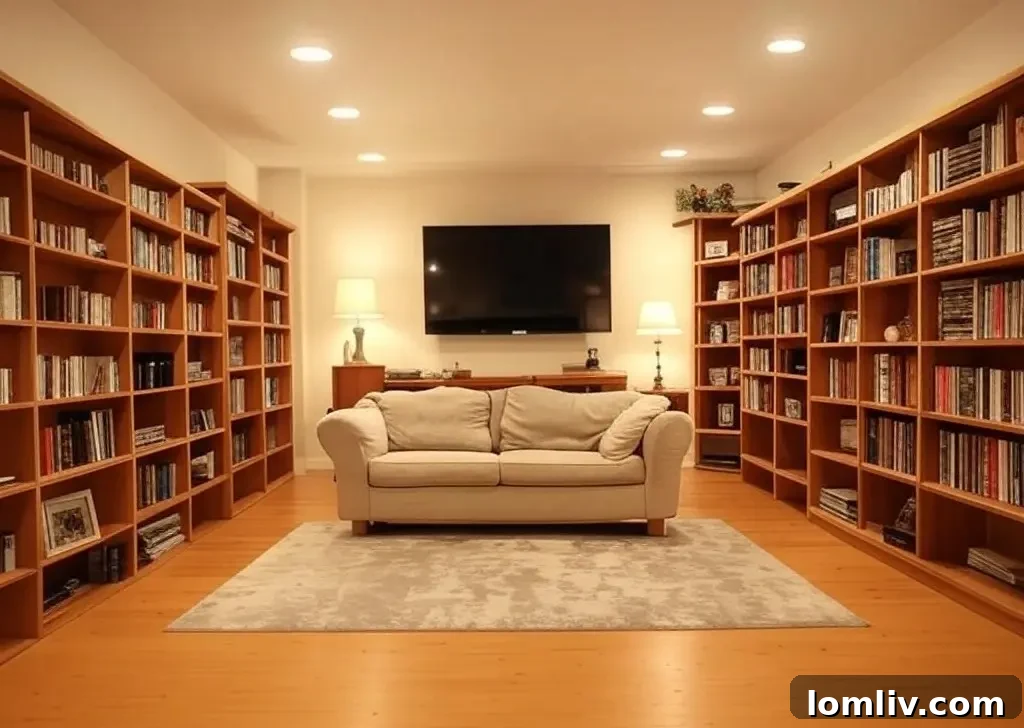
If your basement vision includes a home theater, gaming zone, or sophisticated media room, early planning for the entertainment system setup is vital. This involves more than just plugging in a TV; it’s about creating an immersive and functional environment:
- Pre-wire for Speakers and Screens: During the framing and drywall stage, run all necessary speaker wires, HDMI cables, and Ethernet cables through the walls and ceilings to their exact locations. This hides unsightly wires and allows for a clean, professional installation of surround sound systems and projectors.
- Dedicated Electrical Circuits: High-power audio equipment and large screens may benefit from dedicated electrical circuits to prevent power fluctuations and ensure optimal performance.
- Ventilation for Equipment: Entertainment electronics generate heat. Ensure there’s adequate ventilation, either through open shelving, built-in fan systems in AV cabinets, or room-level climate control, to prevent overheating and prolong the life of your equipment.
- Light Control: For a true home theater experience, integrate blackout blinds or curtains on any windows and design lighting that can be dimmed completely.
Consulting an audio/visual specialist during the design phase can help you optimize the room layout, wiring, and equipment choices for the best possible experience.
Climate Control: Consistent Comfort All Year Round
Ensuring your basement remains comfortable year-round is essential for it to be truly livable space. Basements often have different temperature and humidity profiles than the rest of the house, necessitating dedicated climate control strategies:
- Separate Heating Zones: Installing a separate thermostat for the basement, or ideally, a dedicated heating and cooling zone (perhaps with a mini-split system), allows you to precisely control the temperature without over- or under-conditioning other areas of the home.
- Humidity Control: As mentioned, humidity is a common basement challenge. Beyond a standalone dehumidifier, consider a whole-home dehumidification system integrated with your HVAC for consistent and automatic moisture management.
- Improved Air Circulation: Proper air circulation prevents stale air and helps distribute conditioned air evenly. Ensure HVAC vents are strategically placed and unblocked. Installing a ceiling fan can also aid in air movement and improve comfort.
- High-Quality Insulation: Good insulation in walls and ceilings is the first step in maintaining consistent temperatures and reducing energy loss, as discussed in the moisture control section.
A comfortable basement climate encourages greater use and enjoyment of the space, making your renovation truly worthwhile.
Materials and Finishes: Durability Meets Design
The selection of materials and finishes for your basement is crucial, balancing aesthetic appeal with the need for durability and moisture resistance. Given the basement environment, choosing the right products ensures longevity and ease of maintenance:
- Moisture-Resistant Drywall: Often referred to as “green board” or cement board (for bathrooms), these materials are designed to resist moisture and prevent mold growth better than standard drywall.
- PVC Trim and Baseboards: Unlike wood trim, PVC (polyvinyl chloride) trim is impervious to moisture, making it an excellent choice for baseboards and door/window casings in a basement, as it won’t rot, warp, or support mold.
- Tile: As discussed in flooring, ceramic or porcelain tile is an outstanding choice for floors and even accent walls due to its water resistance and durability.
- Washable Wall Finishes: Opt for paints with a satin, semi-gloss, or eggshell finish, as these are generally more durable and easier to clean than flat paints, which is beneficial in a high-traffic or potentially damp environment. Consider paints specifically formulated for basements or with mold-resistant properties.
- Durable Countertops: For wet bars or utility sinks, choose materials like quartz, granite, or solid-surface composites that are non-porous and resistant to moisture and stains.
Prioritizing moisture-resistant and robust materials from the outset will protect your investment and keep your basement looking great for years to come.
Sticking to Code: Safety and Legality
Adhering to local building codes is not merely a formality; it is a legal requirement that ensures the safety, health, and structural integrity of your finished basement. Ignoring codes can lead to dangerous conditions, costly rework, and difficulties when selling your home. Key areas of focus for basement renovations include:
- Ceiling Heights: As noted, there’s usually a minimum finished ceiling height requirement.
- Emergency Exits (Egress): Any habitable space, especially bedrooms, must have an emergency escape and rescue opening, typically an egress window or a walk-out door.
- Fire Safety: This includes requirements for smoke detectors, carbon monoxide detectors, fire-rated drywall in certain areas (e.g., around furnaces), and proper electrical wiring.
- Ventilation: Requirements for air exchange, especially in bathrooms and kitchens/wet bars, to prevent moisture buildup and ensure air quality.
- Electrical and Plumbing: All new installations and modifications must meet current electrical and plumbing codes to prevent hazards.
- Insulation: Minimum R-values for insulation are often mandated to meet energy efficiency standards.
Always obtain the necessary permits before starting any work and consult with your local building department or a qualified contractor who is familiar with regional codes. Proper code compliance protects your family and your investment.
Flexible Design for Future Use: Adapting to Change
Life changes, and your home should be able to adapt with it. Designing your basement with flexibility in mind ensures it can evolve to meet future needs without requiring another major overhaul. Consider these strategies for an adaptable basement:
- Movable Partitions: Instead of fixed walls, use sliding barn doors, large pocket doors, or even elegant room dividers to create temporary separation between zones. This allows you to open up the space for large gatherings or close it off for privacy as needed.
- Modular Storage Systems: Opt for storage units that can be reconfigured, expanded, or moved easily. This provides versatility for different uses, whether it’s a playroom that becomes a gym or an office that turns into a guest room.
- Easily Accessible Utilities: Position plumbing and electrical rough-ins in a way that allows for easy future additions, such as a second bathroom or a kitchen island, without extensive demolition. Plan for extra electrical circuits or empty conduits for future technology upgrades.
- Neutral Color Palettes: While personal taste varies, a neutral base color scheme for walls and fixed finishes makes it easier to update the decor and adapt the space’s function with different furniture and accessories over time.
A flexible design ensures your basement remains a valuable and usable asset for your home, no matter how your family’s needs change over the years.
Budget Planning: Realistic Expectations
A successful basement renovation begins with a realistic and comprehensive budget. It’s easy for costs to escalate, so careful planning is essential. When budgeting, allocate funds for the following key categories:
- Structural Changes: Costs associated with moving or adding walls, strengthening foundations, or installing egress windows.
- Mechanical Systems: HVAC modifications, new plumbing lines, electrical upgrades, and any necessary pumps. These often represent a significant portion of the budget due to labor and material costs.
- Finishes: Flooring, drywall, paint, trim, doors, and bathroom fixtures. The quality of finishes can vary widely in cost.
- Lighting: Fixtures, installation, and specialized lighting systems.
- Furniture and Decor: Don’t forget to factor in the cost of furnishing and decorating your new space.
- Professional Fees: Architects, engineers, designers, and permit fees.
- Contingency Buffer: Most importantly, always include a buffer of at least 10-20% of your total budget for any unexpected issues, which are common in renovation projects, especially in older homes or basements with unforeseen conditions.
Getting multiple quotes from contractors and clearly defining the scope of work upfront will help you stay within your financial parameters.
Tackling the Remodel in Phases: Manageable Steps
If budget constraints or time limitations are a concern, consider tackling your basement remodel in phases. This approach allows you to spread out costs and effort, making the project more manageable. A typical phased approach might look like this:
- Phase 1: Infrastructure and Utilities: This crucial first step involves addressing all structural issues, waterproofing, insulation, and roughing in the plumbing, electrical, and HVAC systems. This lays the essential groundwork for everything else.
- Phase 2: Wall Framing and Insulation: Once infrastructure is complete, focus on framing interior walls, installing insulation, and then hanging drywall. This defines the room layouts and prepares the space for finishes.
- Phase 3: Flooring and Finishes: With walls in place, proceed with installing your chosen flooring, painting, installing trim, doors, and any built-in cabinetry. This is where the aesthetic vision truly comes to life.
- Phase 4: Furniture and Decor: The final phase involves bringing in furniture, lighting fixtures, and decorative elements to personalize the space and make it fully functional and inviting.
Phased remodeling allows you to use your basement partially even as other sections are being completed, providing flexibility and financial relief.
Getting Professional Help: Expertise for Excellence
While some homeowners might undertake parts of a basement remodel as a DIY project, many aspects benefit significantly from professional expertise. Depending on the complexity and scope of your renovation, you may want to bring in specialists:
- Architect: For significant structural changes, complex layouts, or if you’re aiming for a highly customized design.
- Structural Engineer: Essential if you’re making changes to load-bearing walls, adding large openings, or addressing foundation issues.
- Interior Designer: To help with space planning, material selection, color schemes, and creating a cohesive aesthetic that aligns with your vision.
- General Contractor: To manage the entire project, coordinate trades, ensure quality, and keep the project on schedule and budget.
- Audio/Visual Specialist: For advanced home theater setups, smart home integration, and specialized wiring.
Leveraging professional expertise ensures that your basement finishing project is executed safely, efficiently, and to the highest standards, maximizing both its aesthetic appeal and functional value.
Effective consideration of basement reconstruction goes far beyond simply adding aesthetic value to increase home value. It’s about meticulously transforming an underutilized area into a truly functional living space that enhances your daily life. Success hinges on addressing strict technical problems like moisture control and structural integrity, while also making attractive compromises between aesthetic aspirations and feasible usability. The goal is to create a basement that is not only beautiful and inviting but also a robust, comfortable, and integral part of your home for years to come.