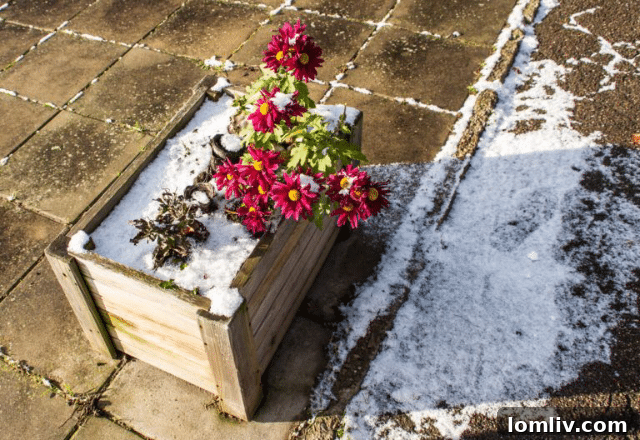
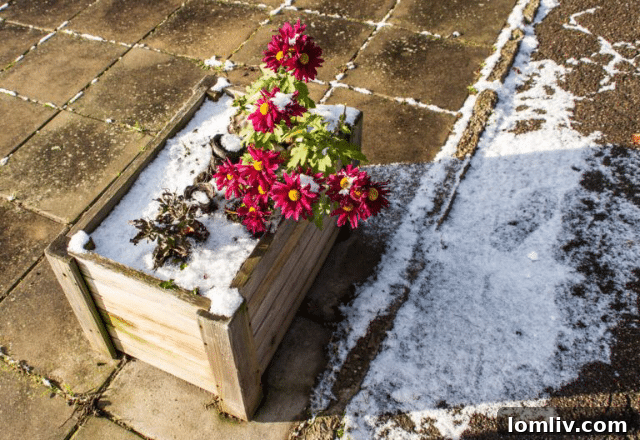
As the crisp autumn air transitions into the biting chill of winter, gardeners and homeowners across many regions, including North Texas, prepare for the inevitable drop in temperatures. With winter’s official arrival on December 21st, now is the crucial time to safeguard your beloved plants from the potentially devastating effects of frost and freezing conditions. Protecting your landscape during these colder months is not just about survival; it’s about ensuring your plants thrive again in spring. Understanding the biology behind cold damage and implementing preventative measures can make all the difference in maintaining a vibrant garden year after year.
To truly understand how to protect your plants, it’s essential to revisit some fundamental plant biology, as explained by experts like Lawns of Dallas. Every plant species possesses a unique critical temperature point—a specific temperature at which physiological damage due to frost or freeze begins to occur. For instance, tropical plants, such as many varieties of palm trees or vibrant annuals, typically have a higher critical temperature point, making them incredibly vulnerable even to light frosts. In contrast, plants naturally acclimated to colder climates, often referred to as “hardy” plants, can withstand significantly lower, even sub-freezing temperatures without sustaining lasting harm. Ryan Burrow of Lawns of Dallas cautions that “critically low temperatures can severely impact a plant’s health, potentially cutting its lifespan in half if not adequately protected.” This physiological damage can manifest in various ways, from ruptured cell walls to dehydration, ultimately hindering the plant’s ability to transport water and nutrients.
Essential Cold Weather Preparation for Your Plants
One of the most effective and often overlooked strategies for preparing your plants for winter is proper watering. Drought-stressed plants are significantly more susceptible to cold damage because their weakened state compromises their natural defenses. Watering your plants thoroughly a few days before an anticipated cold snap is highly beneficial. This allows the plants to absorb sufficient moisture, strengthening their cell walls and improving overall resilience. Furthermore, watering just before a freeze can create an insulating effect. Water has a higher thermal mass than air, meaning it retains heat more effectively and releases it slowly over time. As the water in the soil cools, it releases latent heat, which can slightly raise the surrounding soil and air temperature, providing a critical buffer against freezing temperatures. However, it’s crucial to ensure good drainage to prevent waterlogging, which can also harm roots.
It’s important to remember that not all plants are created equal in their cold tolerance. Tropical plants, known for their vibrant foliage and delicate structures, are exceptionally sensitive to cool temperatures and can suffer damage even when the thermometer hovers just above freezing. Their cellular structures are simply not adapted to cold stress. Before a significant cold front arrives, always evaluate the specific needs of your plants. When uncertainty arises regarding a plant’s hardiness, or if a severe freeze is predicted, the safest course of action is to move potted plants indoors. Your garage, a sheltered porch, or even inside your home can provide the necessary warmth and protection. If moving your plants isn’t an option due to their size or location, then covering them becomes an indispensable defense strategy.
Mastering the Art of Plant Covering for Winter Protection
Effective plant covering is a nuanced process that requires attention to detail. For a light frost that is not expected to last for an extended period, positioning potted plants close to the house, especially on a southern exposure, can offer substantial benefits. Southern-facing walls absorb more solar radiation throughout the day, radiating gentle warmth into the surrounding area, which can be just enough to protect sensitive foliage. Conversely, shrubs located on the northern side of your home or building are more vulnerable. As Burrow explains, these plants are shielded from the sun’s warmth for the longest periods, making them more likely to succumb to frost damage.
When covering plants, the goal is to trap the earth’s natural warmth. Drape your chosen material – be it burlap, old blankets, or specialized frost cloth – over the plant, ensuring it extends all the way down to the soil level. Then, secure the edges of the drape with heavy objects like boards, rocks, or even gardening stakes. The warmth emanating from the soil is the key protective element. Soil, particularly when moist, retains heat much longer than the ambient air. By creating a sealed mini-environment around the plant, you effectively trap this warmer air, shielding the plant from the harsher, freezing temperatures outside. This method is surprisingly effective in preventing a “killing freeze” by leveraging the earth’s insulating properties.
An Ingenious Tip for Frost Protection: Holiday Lights
Here’s an unexpected yet highly effective tip unearthed from the horticultural experts at Texas A&M Agrilife: stringing old-fashioned incandescent holiday lights around plants and then covering them with a tarp or frost blanket can provide a surprising degree of protection from light freezes. The low wattage incandescent bulbs generate a small amount of heat, just enough to slightly elevate the temperature beneath the covering, creating a microclimate that can keep delicate foliage above its critical temperature point. It’s important to specify incandescent lights, as modern LED lights produce negligible heat and would not offer the same protective benefits.
For sensitive plants nestled within flower beds, a generous covering of organic material, such as a heavy layer of leaves, straw, or wood mulch, can also provide significant frost protection. This acts as an insulating blanket, protecting the plant’s crown and root zone from freezing temperatures. Essentially, any material that helps to blanket the base and soil of the plant, preventing direct exposure to cold air and wind, will be beneficial. This mulch layer not only insulates but also helps to retain soil moisture, further contributing to the plant’s resilience.
It’s important to reiterate that plants in containers face a heightened risk during freezing temperatures compared to those planted directly in the ground. The soil mass in a container is much smaller and therefore offers less insulation against the cold. The container itself can also become very cold, rapidly transferring chill to the roots. For this reason, container plants should always be moved inside the home or garage, or any enclosed space where temperatures are guaranteed to remain above freezing. Grouping containers together can also offer some mutual protection, creating a slightly warmer microclimate.
If relocating container plants indoors is absolutely not feasible, implement several layers of defense. Place them on the south side of the house for maximum sun exposure. Water them thoroughly, then pile a thick layer of mulch, straw, or leaves around and even on top of the soil in the container to insulate the roots. Additionally, wrap the containers themselves in burlap or bubble wrap to add another layer of insulation. Finally, cover the entire plant with a frost blanket or burlap, securing it properly to trap warmth.
Strategizing for Next Year: Cultivating a Resilient Garden
Beyond immediate winterization, smart gardeners plan for the future. Ryan Burrow notes that after the unusually harsh winter storm experienced last February, Lawns of Dallas has significantly adjusted their recommendations for annuals and perennials, focusing on varieties that demonstrate superior cold tolerance. Investing in plants proven to handle extreme cold is a proactive measure that can save you considerable effort and heartache in subsequent years. When selecting new additions to your garden, research their USDA Hardiness Zones to ensure they are suitable for your specific climate. Choosing plants that are rated for your zone or even one zone colder offers an extra layer of assurance.
Some of their current recommendations, chosen for their robust performance in varying winter conditions, include:
- Pentas
- Alyssum
- Celosia
- Marigolds
- Begonias
- Coleus
- Blue Daze
- Impatiens
- Portulaca
- Vinca
- Scaevola
- Potato Vine
- Caladiums
- Lantana
These plants offer a beautiful array of colors and textures while providing better resistance to cold snaps, making your landscape more resilient. Beyond just the immediate list, consider incorporating more native plants or proven cold-hardy perennials and shrubs into your design, as these are often better adapted to local climate fluctuations.
For homeowners and commercial property owners throughout the Metroplex, Lawns of Dallas stands as a premier partner in designing, installing, and maintaining exquisite lawns and landscaping. Their commitment to excellence and client satisfaction is evident in their recent accolade: the National Association of Landscaping Professionals Silver Award for their exceptional work with a client in Lakewood. This award-winning design, a timeless traditional masterpiece, was meticulously crafted by their in-house landscape designer, Sam Artz, in close collaboration with the clients to perfectly complement their estate. The dedicated Lawns of Dallas team not only executed the installation flawlessly but continues to provide ongoing maintenance, ensuring the property consistently looks its best.

Don’t leave the beauty and health of your landscape to chance this winter. Lawns of Dallas possesses the expertise and experience to help you effectively winterize your landscaping, protecting your current investment and planning for more winter-hardy plants in the years to come. Their comprehensive services ensure your garden remains resilient and vibrant through all seasons. To secure professional assistance or to discuss your landscaping needs, contact Lawns of Dallas today at 214-357-6522 or conveniently visit LawnsofDallas.com to request a personalized quote. Safeguarding your landscape now means enjoying its beauty for many springs to come.