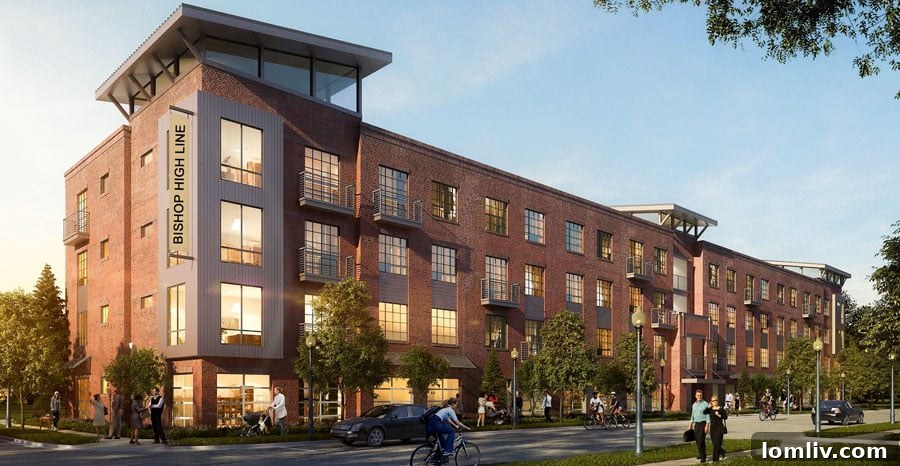
The vibrant and historic Bishop Arts District in Oak Cliff, Dallas, is on the cusp of significant transformation as new residential developments take shape. Among the most anticipated is the “Bishop High Line” project by Urban Genesis, promising a fresh wave of modern living spaces that will reshape the urban landscape along Melba Street. This development, alongside another project just a block away, underscores the district’s growing appeal as a premier destination for residents seeking a dynamic community experience.
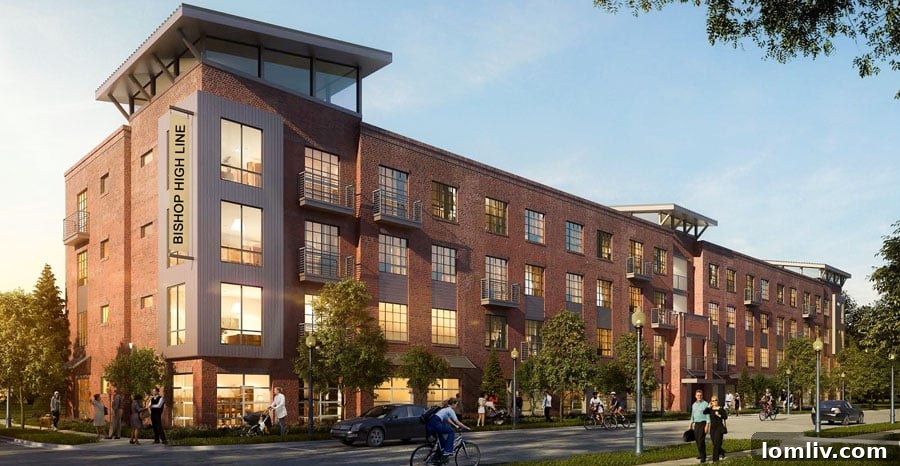
Bishop High Line: A New Vision for Melba Street
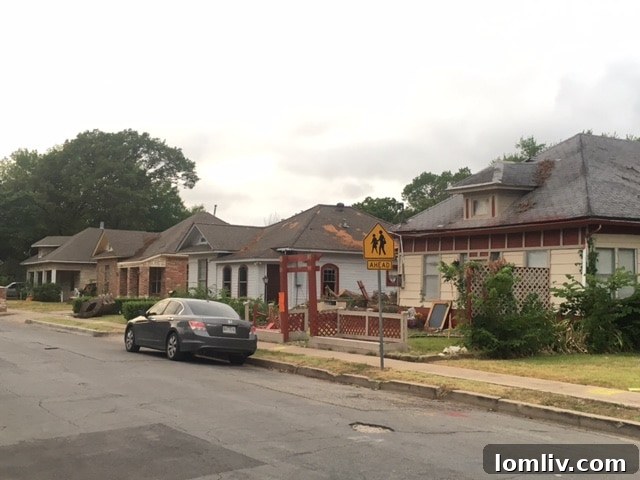
As soon as the lingering rain subsides, demolition crews are set to begin clearing the four existing homes on the 400 block of Melba Street. This crucial first step will pave the way for the ambitious Bishop High Line project, where construction of 70 modern apartments is slated to commence this November. Urban Genesis, the developer behind this initiative, recently engaged with the Bishop Arts Neighborhood Association to present their vision for this project and an additional 50 apartments planned merely a block away. Both developments are strategically positioned along Melba Street, bridging the stretch between Madison Street and Adams Street. The site on the 300 block of Melba Street, closer to Madison Street, has already been cleared, signaling the imminent progression of these exciting ventures.
The Bishop High Line building, with its 70 units, is designed to extend westward, culminating at the Nazarian family’s corner properties on Bishop Avenue. Further west, Urban Genesis’s properties on the 400 block of Melba Street will define the corner at Adams Street. While both projects are conceived with a similar architectural ethos, they will feature subtle distinctions, promising a cohesive yet varied aesthetic that complements the diverse character of the Bishop Arts District.
Urban Genesis’s Investment Philosophy and Neighborhood Integration
Urban Genesis operates as a “merchant builder,” a business model that involves holding their investments for a substantial period, typically between 5 and 20 years. This long-term commitment suggests a vested interest in the enduring quality and value of their developments. Consequently, they prioritize allocating resources to features that yield sustained returns and enhance resident experience, such as climate-controlled interior halls and modern elevators. Furthermore, their plans include secure, eight-foot, board-on-board fencing for the rear parking areas, complemented by accessible side gates. Matt Shafiezadeh, one of the developers from Urban Genesis, assures the community, “It’s not going to be ugly,” emphasizing their dedication to aesthetic appeal and functional design.
However, community trust is not built overnight. Neighbors have expressed reservations, largely stemming from the recent state of neglect observed at the properties destined for demolition. Prior to their clearance, homes on the 300 block of Melba Street suffered from noticeable deterioration, raising concerns about Urban Genesis’s immediate stewardship of the sites. This sentiment highlights the delicate balance developers must strike between ambitious urban renewal and maintaining community respect and safety throughout the development process.
Addressing Community Safety and Site Management
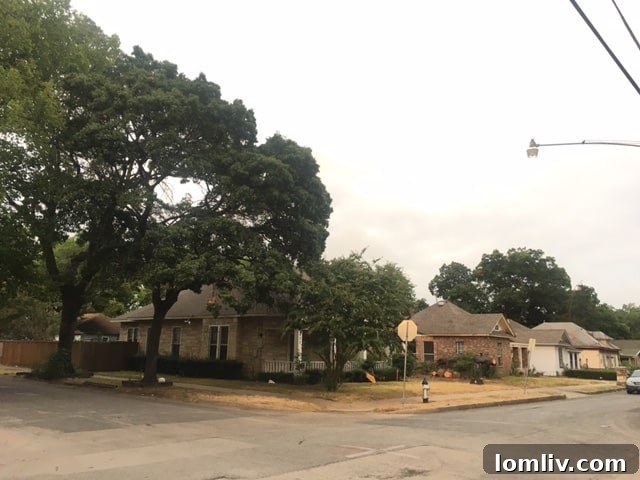
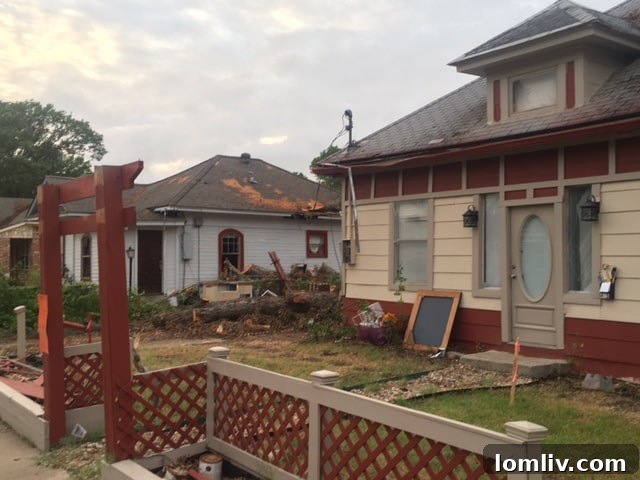
The immediate pre-demolition phase on the 400 block of Melba Street presented significant challenges. Trees in each yard were cut down with what appeared to be minimal concern for the impending demolition, resulting in trees crashing into roofs and shattering windows. While such damage might be excusable if followed by immediate demolition, the discovery of asbestos in one of the homes caused a two-week delay. During this period, the damaged homes sat exposed and unsecured, creating a considerable safety hazard. Neglected properties often attract unwanted attention, becoming havens for vagrants and offering secluded spots for troublemakers, thereby jeopardizing the safety and peace of the surrounding neighborhood.
These homes, much like their counterparts on the 300 block, were not securely locked or boarded up initially. This oversight led to similar problems months ago on the 300 block until developers took more proactive measures to enhance visibility in the backyards and fortify windows and doors. The importance of secure site management during all phases of development cannot be overstated, especially in a community like Bishop Arts that values its safety and aesthetic integrity.
“I know I’m the new guy here — give me a chance.”
– Matt Shafiezadeh, developer with Urban Genesis
The Bishop Arts District and its neighboring Dallas Land and Loan areas are currently in a delicate state of transition. Despite a surge of new investments, many residential properties still exhibit long-standing code violations and signs of neglect that have plagued the area for decades. Dedicated neighbors have tirelessly worked for years to improve their properties, cultivate community pride, and revitalize this historically underserved part of town. The influx of new residents and visitors, while welcome, necessitates vigilance. A few incidents of armed robbery or break-ins could swiftly tarnish Bishop Arts’ burgeoning reputation and deter the very visitors and investors it seeks to attract. It is therefore paramount that new developers assume a tangible responsibility for their projects’ impact on both the perception and the actual safety and well-being of the district.
The Priceless Value of Oak Cliff’s Trees: A Point of Contention
One of the most contentious aspects of Urban Genesis’s approach has been their handling of mature trees. Developers regrettably leveraged a loophole in zoning regulations, allowing them to fell trees on residential lots without any explicit requirement for replacement. This contrasts sharply with the practices of the Nazerian family, another prominent developer in the area, who meticulously preserved every possible tree around their demolished properties, even designing much of their development around these majestic specimens. The Nazerians are also committed to planting new trees to offset any they were compelled to remove, setting a benchmark for responsible development.
Oak Cliff is celebrated for its magnificent, ancient trees, which are intrinsic to the area’s charm and identity. This deep appreciation for arboricultural heritage is evidenced by the city’s recent investment of $70,000 to relocate two mature oaks that stood in the path of the Bishop Arts streetcar stop. The value of a large, old tree extends far beyond monetary measures; it offers ecological benefits, enhances aesthetic appeal, and contributes to the overall quality of life. Alarmingly, the preliminary renderings for the Urban Genesis project do not depict the existing oaks along Adams Street. Given their prior treatment of backyard trees—whose preservation could have significantly enhanced the appeal of their rear parking lot—there is understandable skepticism regarding their commitment to retaining any existing trees on the new development sites.
Collaborative Design and Navigating PD Requirements
Despite these criticisms, the young developers at Urban Genesis appear genuinely earnest and committed to creating a high-quality product. During their recent meeting with the Bishop Arts Neighborhood Association, they actively solicited constructive critiques from residents, demonstrating an openness to feedback and a desire for community collaboration. They openly discussed their design strategies for navigating the intricate Planned Development (PD) requirements, which often pose significant challenges for urban projects. In turn, neighbors offered creative and practical recommendations.
One notable discussion revolved around Architectural Design Standard g1, which mandates:
If a building exceeds 150 feet of frontage along any street, and exceeds 36 feet in height, that building must have a minimum of 500 square feet of sloped-roof area. The sloped-roof area must be visible from the street, and the slope must exceed a pitch of two in 12.
This specific requirement led to the rather unconventional sloped protrusions visible on the roof in the initial rendering. Neighbors suggested that this stipulation could be elegantly satisfied by incorporating a parapet with a pitched roof detail, a design element commonly seen on many of Bishop Arts’ historic buildings. This approach not only fulfills the regulatory requirement but also seamlessly integrates with the district’s established architectural vernacular.
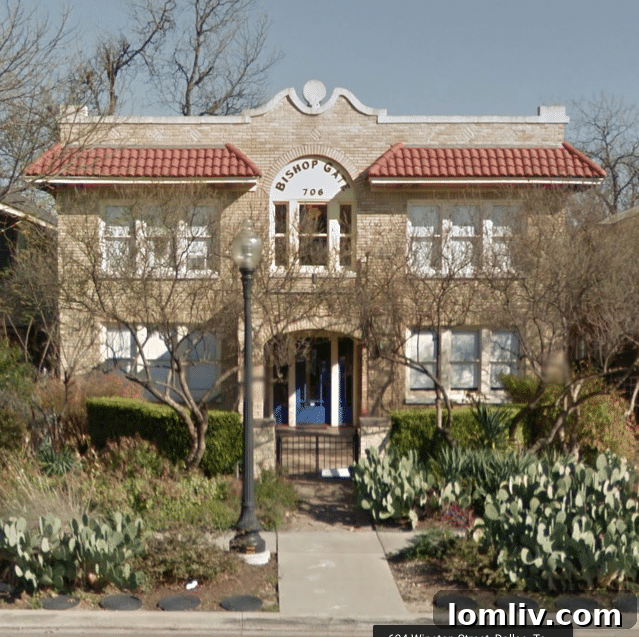
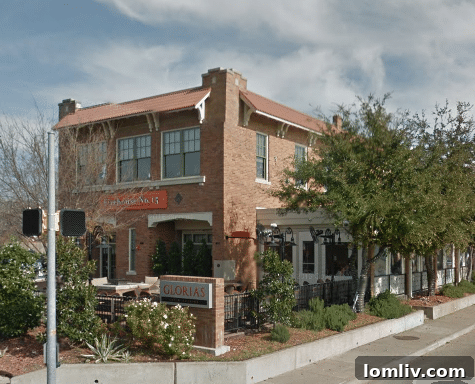
The distinctive red clay tile roof details often affixed to parapets on these historic Bishop Arts structures are excellent examples of how flat roofs can be artfully concealed while simultaneously enriching the district with valuable historic character and pedestrian-friendly details. This design philosophy stands in contrast to Urban Genesis’s stated aim for a “converted warehouse design,” which Shafiezadeh noted at the Neighborhood Association meeting. Some neighbors felt this aesthetic leaned more towards an “Uptown feel,” highlighting the ongoing dialogue about what architectural styles best serve the Bishop Arts community.
The Impact of TIF Funds and Affordable Housing Commitments
The Urban Genesis team proactively encouraged residents to establish a design committee. This committee would have the crucial role of recommending design modifications before the developers seek approval from the Tax Increment Financing (TIF) Board. Should they fail to secure TIF funds, Urban Genesis would be unable to execute planned enhancements to the alleyway and streetscape, potentially limiting the public benefits of the development. Conversely, if TIF funds are granted, the developers would then be subject to design recommendations from the Urban Design Peer Review Board. Crucially, accepting TIF funds would also obligate them to allocate 20 percent of the units as affordable housing, a significant factor in promoting socioeconomic diversity and inclusion within a rapidly gentrifying area like Bishop Arts.
Empowering the Bishop Arts Neighborhood Association for Sustainable Growth
As the Bishop Arts District continues to attract a growing number of developers, the most impactful action the Bishop Arts Neighborhood Association could undertake is to establish a dedicated design review board, similar to successful models seen in areas like Oak Lawn. Such a board would serve as an invaluable resource, guiding developers through the complexities of PD requirements and offering expertise on how to implement simple, yet elegant, design solutions that respect and enhance the district’s unique character. Essentially, this is precisely what Urban Genesis has implicitly requested: a structured dialogue and collaborative pathway to achieving outstanding design.
If the neighborhood association can effectively collaborate with Urban Genesis, providing constructive input and support, there is a strong possibility that a truly exceptional project could begin construction in the coming months. This collaborative approach fosters not only better architectural outcomes but also strengthens community ties and ensures that new developments are integrated thoughtfully into the existing urban fabric, preserving the charm and vibrancy that make Bishop Arts so special.
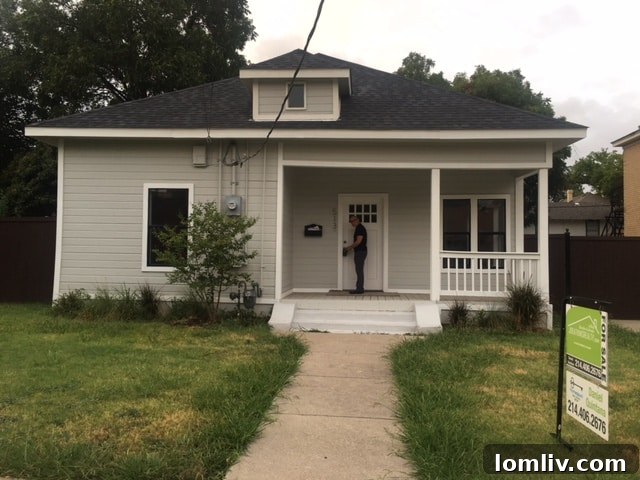
On a related note, if the prospect of residing in this dynamic and evolving neighborhood appeals to you (and you’re prepared for the upcoming construction), a charming property at 513 Melba, located just three houses down from the development, is currently on the market for slightly over $350,000. For further details on this enticing opportunity, you may contact Daniel Quintana with Homespun Real Estate Group.