The Oak Cliff Gateway Tax Incremental Finance District (TIF) Board recently convened, setting the stage for crucial discussions on the future of the vibrant **Bishop Arts District**. While the meeting featured a limited number of action items, it delivered significant updates on the three most impactful development projects poised to redefine this historic Dallas neighborhood. These projects by Exxir Capital, Alamo Manhattan, and Urban Genesis represent a pivotal moment, shaping not only the physical landscape but also the economic and social fabric of Bishop Arts. The Board’s deliberations also touched upon strategic upcoming initiatives, underscoring a proactive approach to urban planning and community development.
The transformation of Bishop Arts is more than just new buildings; it’s about carefully integrating modern amenities while preserving the unique character that makes this district a cherished destination. Balancing growth with the existing charm, fostering pedestrian-friendly environments, and addressing critical infrastructure like parking are at the forefront of these discussions. As Dallas continues its rapid expansion, the decisions made by the TIF Board and developers in Bishop Arts will serve as a model for sustainable urban development, aiming to create a thriving, accessible, and beloved community for residents and visitors alike.
Exxir Capital/Nazerian Update: A Vision for Bishop Arts’ Evolution
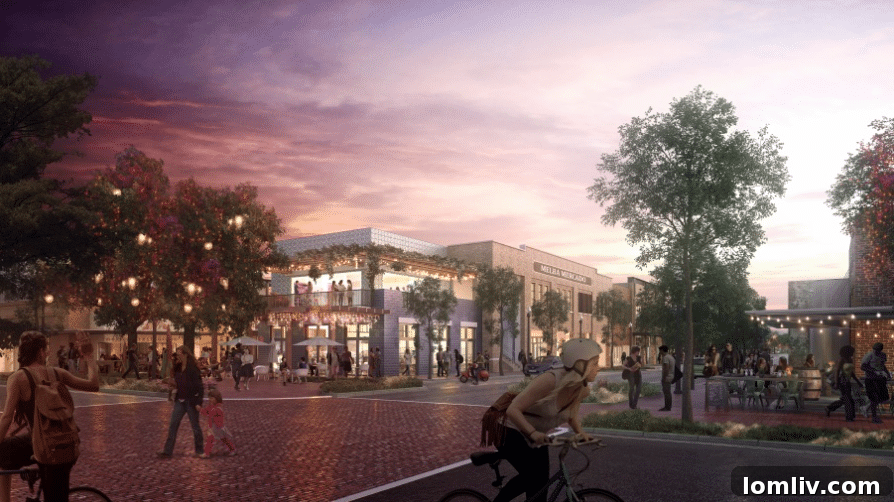
The Nazerian family, through Exxir Capital, is on the cusp of initiating construction on Phase 1A of their expansive Bishop Arts project. This development promises to introduce a dynamic blend of retail, residential, and community spaces, further solidifying the district’s reputation as a prime destination. However, before ground can be broken, a critical hurdle must be cleared: a necessary amendment to the block’s zoning. This zoning change aims to encompass various accessory uses vital to the project’s multifaceted vision, alongside minor adjustments such as allowing for designated gravel parking lots during initial phases.
The proposed zoning case, Z156-250, is slated for review by the City Plan Commission (CPC) at its upcoming October 20th meeting. This amendment is not merely a formality; it’s a pivotal step that will dictate the foundational operational aspects of the development. Below, we delve into the core of their rezoning request, highlighting its potential implications for the broader Bishop Arts community.
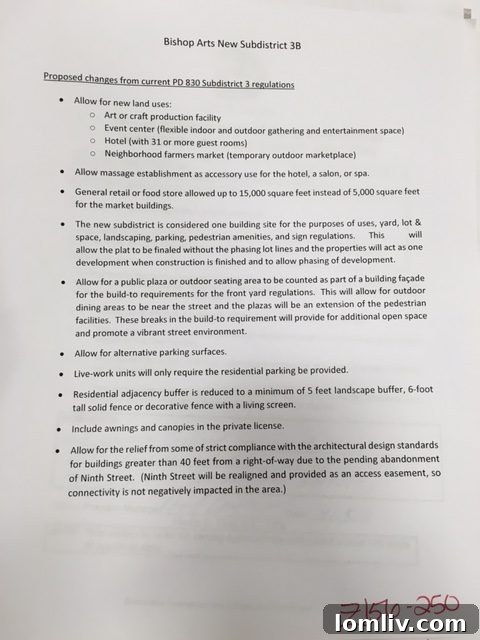
A significant concern arises from the existing regulatory framework, specifically Planned Development (PD) 830. Section 51P-830.107 of this PD (page 4) explicitly states the absence of a specific area plan for the neighborhood, a foundational document that typically guides cohesive development. More critically, Section 830.108 (page 5) stipulates: “No development plan is required, and the provisions of Section 51A-4.702 regarding submission of or amendments to a development plan, site analysis plan, conceptual plan, development schedule, and landscape plan do not apply.”
This regulatory gap presents a considerable challenge. If the zoning request is approved without additional specific stipulations, it could grant broad permission for a wide array of uses across any part of the site. While the Nazerians’ current plans are widely admired and appear beneficial to the community, the absence of a required development plan introduces long-term vulnerabilities. Should any portion of the site be sold in the future—due to unforeseen economic shifts or changes in ownership—these newly permitted uses could be implemented across the property without the necessity for detailed design or site plans to be reviewed by the city or community. Imagine a scenario where a resident, like a visionary investor living on Melba and Madison, could unexpectedly find an event center or a hotel erected directly across the street from their home. This mirrors past concerns, such as the Crescent Communities development, where a zoning change for multi-family use lacked design restrictions, potentially allowing for poorly designed structures.
When a particular use is allowed “by right,” the community’s ability to influence or halt a project significantly diminishes. To gain further insight into this critical matter, concerned residents are encouraged to contact the City of Dallas at 214-670-4209 and request information regarding zoning case number Z156-250. Ideally, any approval for such a significant project would be contingent upon adhering to a specific, community-reviewed site plan, ensuring that future development aligns with the collective vision for Bishop Arts. Unfortunately, under current regulations, this is not a mandatory requirement, leaving potential gaps in long-term urban planning.
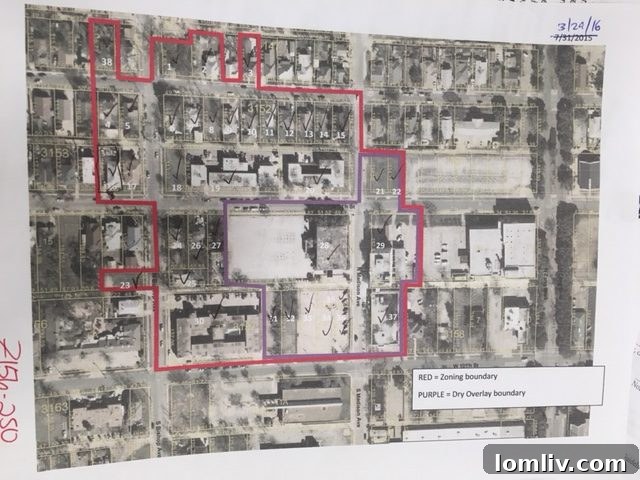
Initially, construction for Exxir Capital’s project was anticipated to commence in March 2016. However, a series of complex challenges, including unforeseen utility coordination, intricate streetscaping requirements, and persistent zoning setbacks, have inevitably led to delays. These hurdles are common in large-scale urban developments and underscore the intricate nature of integrating new projects within existing infrastructure. (Full disclosure: the author served as VP of Marketing for Exxir Capital until May of this year, a role that became less critical as construction delays postponed the need for full-time marketing staff.)
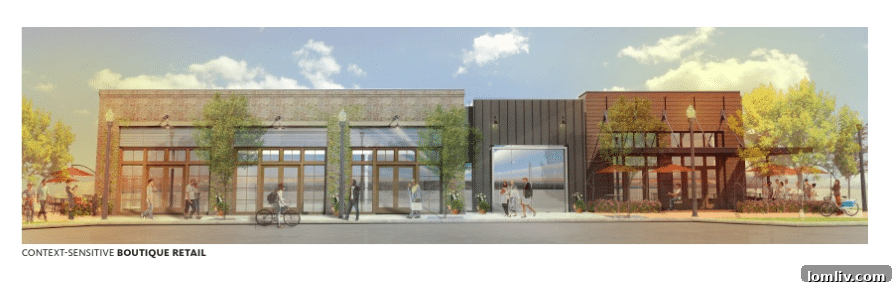
The initial phase of this groundbreaking development is set to introduce several highly anticipated boutique retail spaces. While specific names remain under wraps, there’s palpable excitement about the local businesses being considered as potential tenants. The expectation is that these additions will surprise and delight the community, bringing fresh energy and unique offerings to Bishop Arts. Following this, plans include the construction of a dedicated parking garage off Madison near 9th Street, a critical infrastructure improvement aimed at alleviating the district’s persistent parking challenges. Next in line is the prominent main corner building at Bishop and Melba, envisioned as a focal point and an architectural cornerstone of the development. Complementing this, an engaging Art Garden is planned for the center of the Melba block, with designs already having garnered positive community feedback at a previous event. The multi-family residential component, strategically located on Melba Street at Madison Street, will round out this ambitious first phase, initially serving as a gravel surface parking lot until vertical construction commences.
In a forward-looking move, Exxir Capital intends to approach the TIF Board for a potential funding partnership to construct the aforementioned parking garage. This strategic collaboration could offer a significant solution to the widespread parking issues plaguing the entire Bishop Arts neighborhood. Thea Van Loggerenberg, Chief Architect and Senior VP at Exxir Capital, recently presented a comprehensive parking study to the Board. While insightful, the study’s scope predates the opening of the new streetcar stop, meaning its impact on parking demand is yet to be fully assessed. This omission highlights a critical question for Bishop Arts: How can a thriving, walkable destination district effectively manage its transportation needs?
The challenge extends beyond merely accommodating residents; the economic vitality of Bishop Arts is substantially bolstered by patrons from across Dallas, often referred to as “bridge and tunnel” visitors. If the Nazerian family’s vision comes to fruition, Bishop Arts is poised to become one of the premier destination neighborhoods globally. This aspiration necessitates a rethinking of traditional transportation models.
“What can we do to continue to promote multi-modal transportation by bike/walk/trolley/Uber — now, before we get to the point that it’s a dire need? I encourage us to think in terms of wayfinding and multi-modal strategies proactively.”
– Don Raines, Chair of the Oak Cliff Gateway TIF Board
Don Raines, Chair of the Oak Cliff Gateway TIF Board, aptly articulated this pressing concern, advocating for a proactive adoption of multi-modal transportation solutions. This sentiment resonates deeply within the community. If Bishop Arts aims to forge its own identity, distinctly different from other bustling Dallas districts like Greenville Avenue, Deep Ellum, Uptown, or Trinity Groves, it must strategically address parking challenges. The question then becomes, which neighborhoods, perhaps nationally or internationally, offer exemplary models for managing transportation effectively while retaining a unique, pedestrian-friendly allure?
The Crucial Conversation: Parking, Pedestrianism, and Bishop Arts’ Future
The discourse surrounding parking in the Bishop Arts District transcends simple vehicle storage; it delves into the fundamental question of how we envision and experience urban spaces. Consider globally renowned destinations, places for which many people save for years to visit. Are these chosen for their abundant and cheap parking? More often, these are great cities celebrated for their walkability, efficient public transit, and a distinct lack of car dependence, where prime parking spaces command prices comparable to entire homes in many suburban areas.
For Bishop Arts, the essential question is not how to accommodate more cars, but rather, how to facilitate the seamless movement of *people* to, from, and within the district. This paradigm shift requires innovative thinking and a clear vision for what Bishop Arts is striving to become. If the goal is a truly multi-transit neighborhood – a vibrant hub where walking, biking, and using public transport like the streetcar are the preferred modes – then thoughtful, walkable design is absolutely paramount.
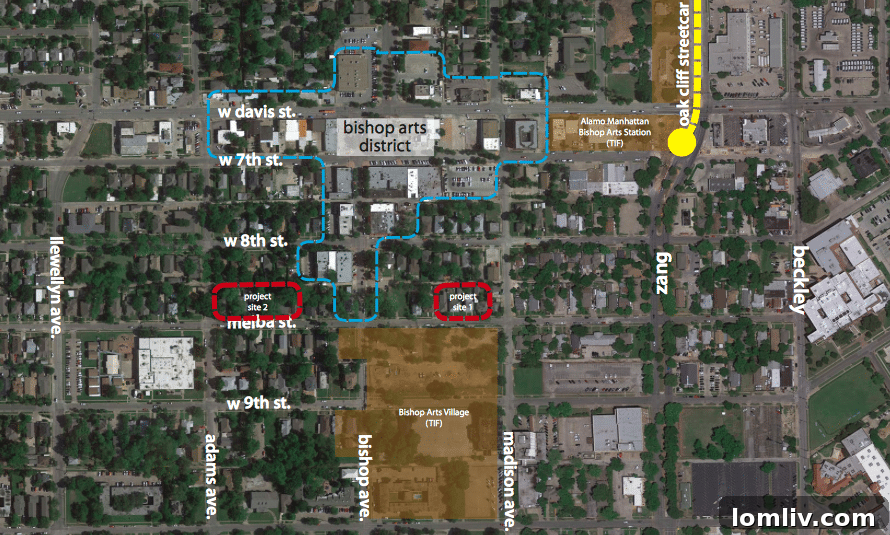
Effective wayfinding will also be a crucial element, particularly as the Alamo Manhattan project progresses, creating a significant construction zone between the district’s historical core and the newly opened streetcar stop. This period of transition underscores the need for clear, intuitive guidance for pedestrians and cyclists.
Many neighborhood leaders share this perspective, recognizing that the inherent charm of Bishop Arts stems from its origins. It was largely built in an era when walking was the primary mode of transportation, and car ownership was far less common. Preserving and enhancing this pedestrian-centric characteristic is not just an aesthetic choice; it’s fundamental to maintaining the district’s soul and fostering a vibrant, community-oriented atmosphere amidst ongoing development.
Alamo Manhattan Update: Bishop Arts Station – A Gateway in Progress
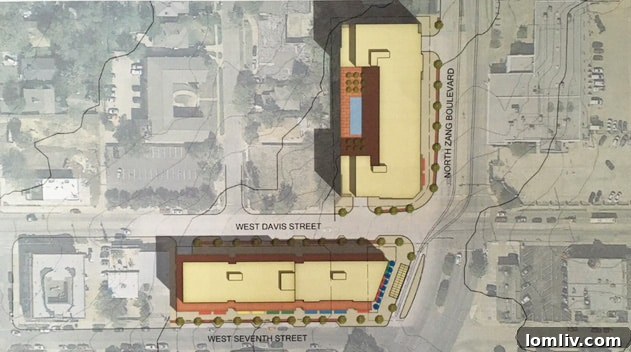
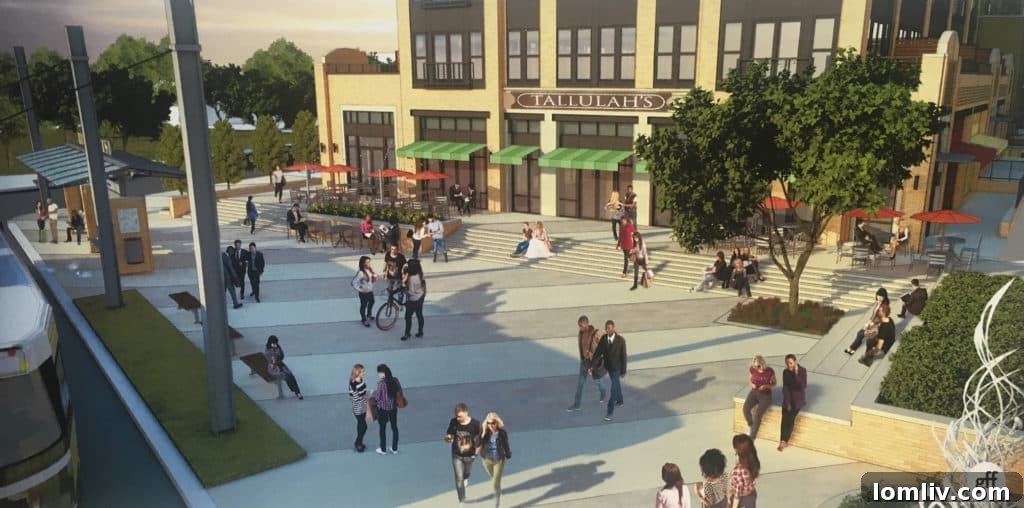
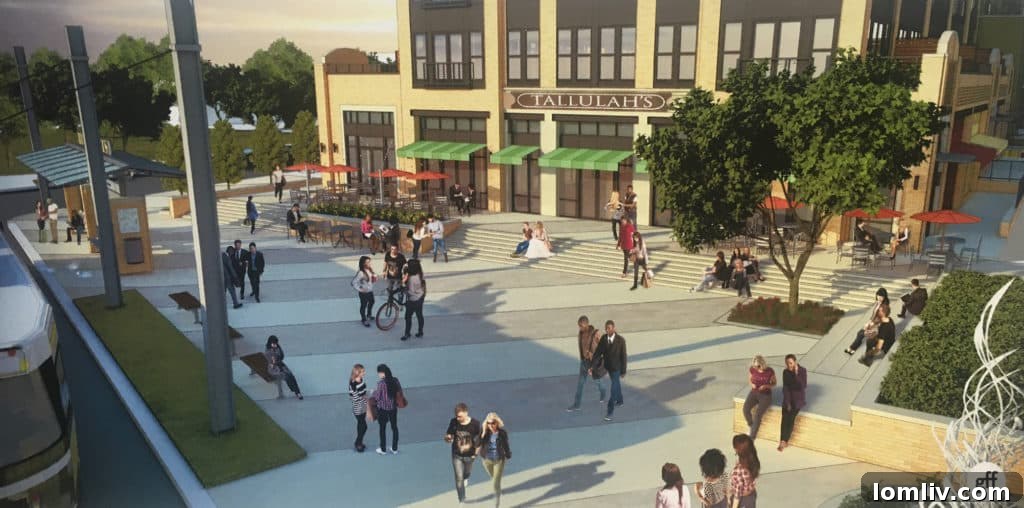
Alamo Manhattan is poised to commence construction on its significant Bishop Arts Station project within the next 30 days. This highly anticipated development, which includes the demolition of the existing Sonic restaurant, is currently finalizing its comprehensive plans. A key component of their project involves the design and construction of the new Bishop Arts streetcar stop and an accompanying public plaza. Their initial designs were presented to the City’s Urban Design Peer Review Panel on April 22nd, and subsequent updates have been incorporated since that presentation, demonstrating an iterative design process.
The Urban Design Panel’s recommendations played a vital role in refining the project. Among their suggestions was the expansion of patio dining areas, a recommendation Alamo Manhattan effectively addressed by strategically relocating planters and steps to the east. This adjustment successfully created more generous dining spaces on both the north and south sides of the development, enhancing the pedestrian experience and supporting the district’s vibrant outdoor culture. The panel also put forth specific recommendations concerning potential improvements to the actual streetcar stop shelter. They suggested modifications to the shelter’s design to better integrate passengers into the plaza, proposing either a central portal in the canopy or reorienting seating and windscreens perpendicular to the street. Alamo Manhattan diligently studied these options but ultimately concluded that “erecting a canopy perpendicular to Zang Blvd. would be an unnecessary obstruction into the public plaza, which would be contradictory to the community’s strong preference to create a large open/public space at this location.”
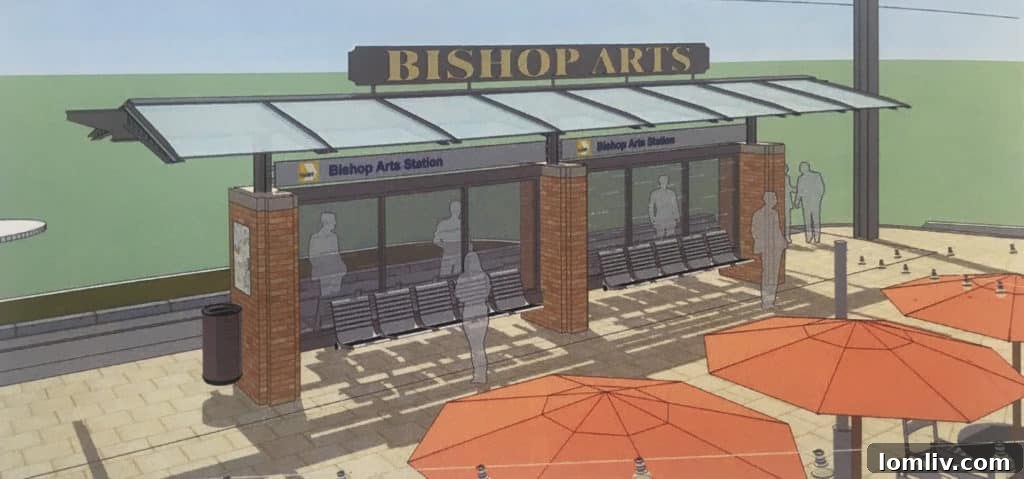
Regrettably, this decision means the community is left with a rather uninspired and generic gateway shelter. Its design regrettably mirrors that of a standard bus stop, akin to those found at the East Transfer Station. For a district as unique and celebrated as Bishop Arts, acting as the terminus for a multi-million-dollar, high-tech streetcar connecting it to downtown, this feels like a significant missed opportunity. The station could have been an iconic architectural statement, a welcoming beacon reflecting the district’s distinct personality, rather than a utilitarian structure that fails to capture the essence of its surroundings.
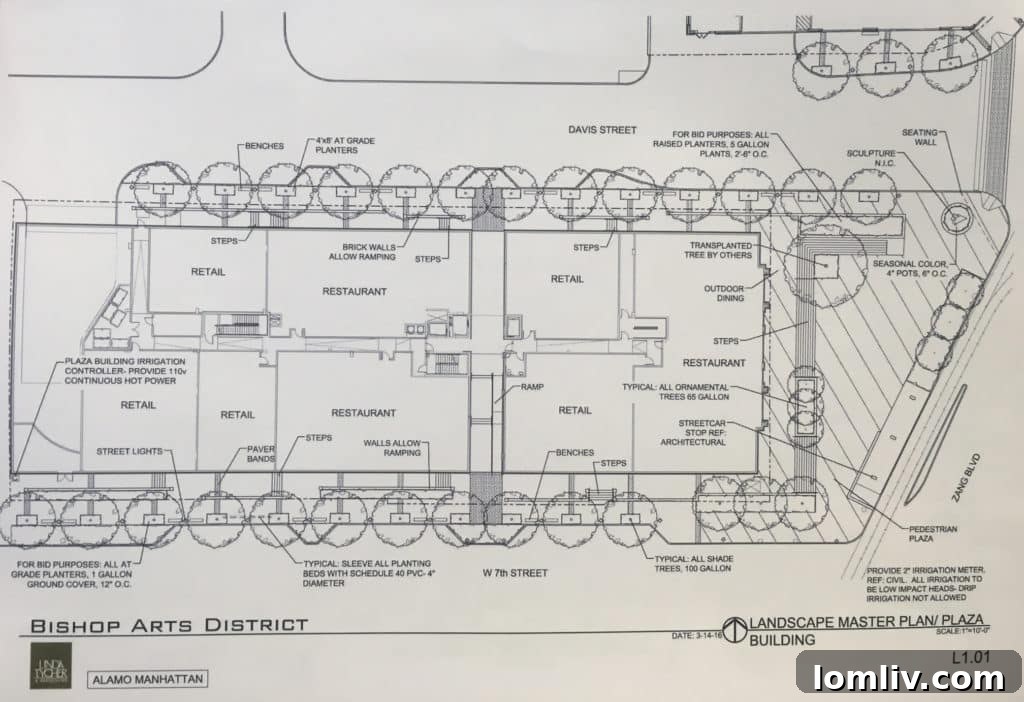
However, there remains a beacon of hope regarding the plaza’s design. The Design Review Panel strongly advocated for relocating one of the large, existing shade trees from the future Bishop Arts Station development site directly into the plaza. This move would provide much-needed natural shade for public spaces and outdoor dining areas, significantly enhancing user comfort and aesthetic appeal. Alamo Manhattan has indicated they are “conducting extensive study into the physical and financial feasibility of this suggestion.” Concurrently, dedicated Economic Development staff within the city have proactively begun exploring the logistics and financial mechanisms to ensure this vital tree relocation becomes a reality.
The City of Dallas has a proven track record in such endeavors, having successfully replanted two enormous old Oak trees to clear the path for the streetcar stop. This experience provides valuable insight into both the considerable costs (estimated at around $70,000 per tree) and the complex process involved, which necessitates meticulous preparation by a specialized team of arborists and heavy equipment. Currently, city staff are investigating the viability of moving a particularly suitable tree from the property line of the old Zoli’s restaurant, a specimen that would be perfectly positioned within the new plaza. This proactive engagement by city officials highlights a genuine commitment to preserving the “OAKs in Oak Cliff,” demonstrating a tangible investment in the district’s green infrastructure and historical character. The hope is that Alamo Manhattan will also find ways to incorporate the other two mature oaks from the former Zoli’s site, perhaps placing one prominently on the corner at 7th Street, further enhancing the district’s natural beauty and shade canopy.
Urban Genesis Update: Bishop Highline Project – Community-Driven Design for Modern Living
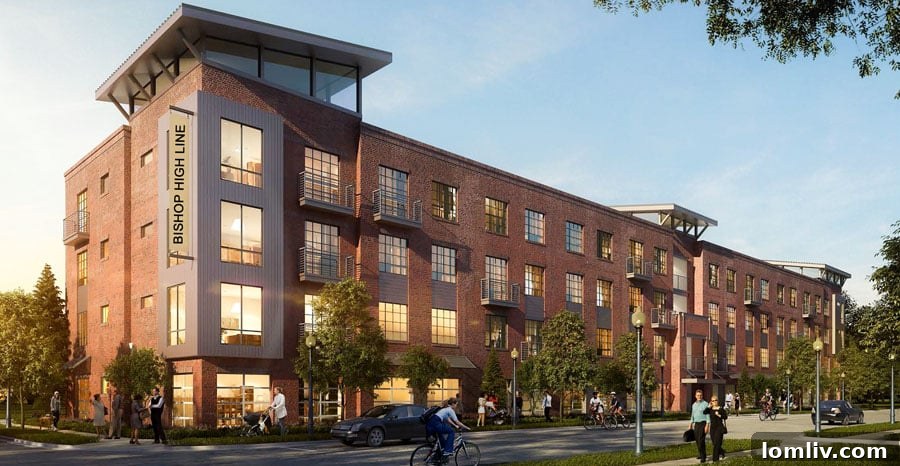
The Urban Genesis Bishop Highline project is another significant development poised to shape the modern living experience in Bishop Arts. While its intricate design philosophy and architectural nuances warrant a more in-depth dedicated analysis (prompting questions like, “what are those square ‘hats’!”), we can explore the critical feedback and collaborative design process shaping its evolution.
Following the established protocol for projects seeking TIF funding, the Urban Genesis team presented their project design to the Urban Design Peer Review Panel (UDPRP) on August 26th. This crucial review session yielded several well-considered recommendations aimed at enhancing the project’s integration with the existing urban fabric and improving the pedestrian experience. Key recommendations included: “Locate a consistent row of street trees at back of curb wherever possible to promote shade along the sidewalk throughway,” emphasizing the importance of green infrastructure for pedestrian comfort and street aesthetics. Another significant suggestion was to “Consider architectural treatments to the facades of both buildings that leverage opportunities to break up individual building masses within the vertical plane,” aiming to prevent monolithic structures and create more engaging, human-scaled streetscapes. Finally, the panel recommended to “Further consider opportunities to respond to adjacent structure heights through the architectural massing and landscape treatments,” highlighting the need for contextual design that respects the existing architectural rhythm of Bishop Arts.
Beyond the formal review by the UDPRP, the Urban Genesis team proactively engaged with the Bishop Arts Neighborhood Association (BANA), seeking their coordinated critiques and comments. This collaborative approach underscores a commitment to community-responsive design. BANA, in turn, provided a thorough evaluation of the project’s adherence to the Planned Development’s (PD) architectural design requirements, offering specific, actionable changes to ensure compliance and enhance overall design quality.
BANA’s highest priority recommendations focused on integrating the development seamlessly into Bishop Arts’ distinctive architectural style and fostering its cherished community culture. These included: a crucial recommendation to meet the PD requirement by replacing the prominent square ‘hats’ with metal or tile roof projections, drawing inspiration from characteristic buildings in the district such as the charming Gloria’s firehouse building and the historic Bishop Gate apartments. This aims to maintain a consistent architectural vernacular. Additionally, BANA urged widening the front stoops of the ground-floor apartments, envisioning them as spaces that actively encourage small gatherings and neighborly interaction, thereby reinforcing the district’s celebrated ‘front porch culture.’ To further break up the building façade, a requirement of the PD, BANA suggested using signature brick patterning and incorporating an additional building entrance, offering a more nuanced and contextually appropriate solution than the current design’s facade bump-outs.

BANA’s lower priority recommendations, though designated as such, contained real gems reflecting a deep understanding of urban living and community well-being. These thoughtful suggestions included: advocating for secured bicycle storage facilities for residents, promoting multi-modal transportation and a greener lifestyle; ensuring the parking area is well-lit with warm, carefully angled light to enhance safety without causing glare to surrounding neighbors; adding comfortable seating in grassy areas along the alleyways to create informal gathering spots and activate underutilized spaces; proposing that affordable rent for required TIF units be set using the area median income (AMI) of the local zip code, rather than the broader Dallas AMI, to ensure genuine affordability for local residents; incorporating a greater number of two-bedroom units to diversify housing options and cater to a wider demographic, including small families; utilizing native landscaping to enhance ecological sustainability and local aesthetics; and suggesting a reduction in the size of the blade sign by half or a shift to a non-blade sign design to minimize visual clutter and maintain the district’s aesthetic integrity.
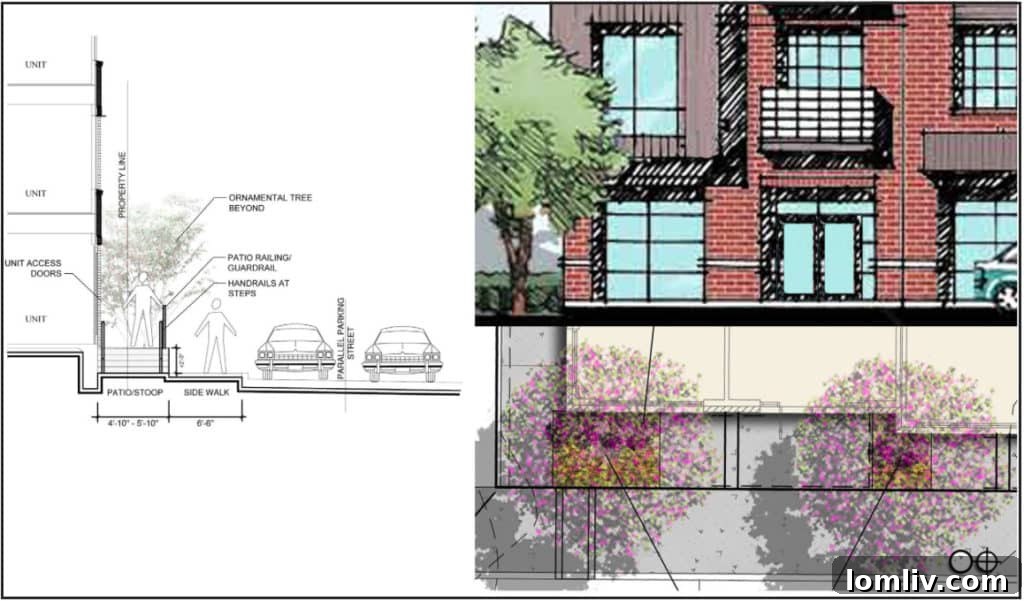
Inspired by this wealth of thoughtful and constructive design recommendations from both the Urban Design Peer Review Panel and the Bishop Arts Neighborhood Association, Urban Genesis’s architects began work last week to integrate these changes. The community eagerly anticipates seeing their updated drawings soon, hopeful that the refined designs will reflect a harmonious balance between modern development and the enduring charm and community-focused spirit of the Bishop Arts District.