Discovering the Charms of Bishop Arts District: A Historic Dallas Gem Transformed
What a profound difference a century can make in the life of a community. The Bishop Arts District in Dallas, Texas, stands as a vibrant testament to evolution, resilience, and the enduring power of vision. Once envisioned as an opulent residential escape from the bustling city, this area of North Oak Cliff has undergone a remarkable metamorphosis. For generations, real estate developers dreamed of transforming its stunning countryside—characterized by dramatic limestone cliffs, refreshing natural springs, and a canvas of lush native greenery—into the most affluent residential enclave Dallas had ever seen. Nothing then quite epitomized success and prestige like a grand, three-story Queen Anne mansion majestically perched on a verdant hill.
Today, the Bishop Arts District retains echoes of its glamorous past while embracing a dynamic present. It has blossomed into one of Dallas’s most sought-after neighborhoods, celebrated for its unique blend of historic charm, cultural vibrancy, and a thriving local economy. This district offers a compelling narrative of growth, setback, and spectacular rebirth, making it a compelling destination for residents, tourists, and investors alike.
A Vision Takes Root: The Genesis of North Oak Cliff
The ambitious journey of what would become the Bishop Arts District began in 1887. Visionary partners Thomas Marsalis and John Armstrong acquired a sprawling 2,000-acre tract of land. Their grand scheme was meticulously platted into Dallas Land and Loan Additions #1, #2, and #3. This prime location, strategically situated on the western bank of the Trinity River, was destined to become the premier residential neighborhood for the newly incorporated city of Oak Cliff. Marsalis and Armstrong’s foresight capitalized on the area’s natural beauty, promising a serene and picturesque environment for its future inhabitants.
Their vision quickly captured the imagination of prosperity-seeking Dallasites. Land sales soared, and hundreds of exquisite Victorian homes began to dot the landscape. The rapid pace of development and an influx of new residents led to a population explosion, reaching an impressive 2,500 residents by 1890. This era marked the district’s initial boom, laying the architectural and communal groundwork for what would eventually evolve into the beloved Bishop Arts District, a symbol of early Dallas ambition and residential splendor.
From Boom to Bust: Navigating Early Challenges and Resilience
The soaring trajectory of the Dallas Land and Loan Additions, however, was not without its dramatic downturns. The widespread economic depression of 1893 brought the entire nation to its knees, and the burgeoning development in North Oak Cliff came to an abrupt and devastating halt. The financial crisis proved to be particularly ruinous for Thomas Marsalis, who had invested his entire fortune into the ambitious project. Facing insurmountable losses, Marsalis was forced to leave town, tragically dying destitute in New York City just two years later. His story serves as a poignant reminder of the volatile nature of pioneering real estate ventures.
While development eventually resumed, the area struggled significantly. The economic aftermath of the depression meant that the pace of growth remained agonizingly slow and anemic for decades, stretching well into 1930. This period of stagnation inadvertently preserved much of the original architectural character and the spacious layout that defined the early vision for the neighborhood. It was a challenging era, yet one that set the stage for a unique kind of urban renewal in the decades that followed.
The Rebirth: Embracing the Bishop Arts Moniker and a New Identity
As Dallas expanded and evolved, the need for revitalization in older districts became apparent. The Dallas Land and Loan Additions underwent a significant transformation, not just physically but also in identity. In a strategic move to inject new life and appeal, the area was rebranded, shedding its antiquated name for the much trendier and more evocative “Bishop Arts Neighborhood.” This renaming was part of a broader revitalization effort aimed at creating a vibrant, culturally rich community that mirrored the charm and allure of historic districts in other major cities.
Drawing inspiration from the architectural beauty and lively atmosphere of places like the Garden District in New Orleans, the new moniker aimed to reflect a similar spirit of refined urban living blended with artistic expression. Geographically, the revitalized residential neighborhood and the adjoining Bishop Arts District are clearly defined: bordered by Davis Street to the north, Sunset Avenue to the south, Zang Boulevard to the east, and Polk Street to the west. Remarkably, these areas represent some of the few remaining fragments of original Old Oak Cliff, which the City of Dallas formally annexed in 1901. This annexation brought the area under the municipal wing of Dallas, yet Bishop Arts has always maintained a distinct character and independent spirit.
Urban Pioneers: Preserving Dallas’s Historic Soul
While the initial developers, like Marsalis and Armstrong, made history by building a new community, a new generation of “urban pioneers” emerged to preserve it. These individuals, driven by a passion for heritage and a belief in the inherent value of historic structures, played a crucial role in safeguarding the unique architectural fabric of the Bishop Arts Neighborhood and the Bishop Arts District. They recognized the irreplaceable charm of the historic apartment buildings, the architecturally diverse homes ranging from Victorian to Craftsman, and the commercial buildings that once formed the bustling downtown hub of Old Oak Cliff.
Bishop Arts quickly became a beacon for preservationists and a hotspot for saving and meticulously restoring significant pieces of Dallas history. Their efforts ensured that the district’s past was not erased but rather celebrated and integrated into its future. This dedication to preservation fostered a unique environment where historic aesthetics meet contemporary living, creating a truly distinctive urban experience. It’s a place where every brick and every facade tells a story, contributing to the area’s rich tapestry.
A Legacy of Protection: National Recognition and Local Action
The tireless work of these urban pioneers and the inherent historical significance of Bishop Arts did not go unnoticed. In 1990, a full century after Marsalis and Armstrong reached their zenith in residential development, the Bishop Arts District received a monumental honor: it was officially listed on the National Register of Historic Places. This national recognition affirmed the district’s importance and provided a layer of protection against indiscriminate demolition and redevelopment, cementing its status as a historical treasure.
Building on this national acknowledgment, the City of Dallas took further local action to ensure the district’s enduring integrity. Just two years later, in 1992, Conservation District 7 was established. This designation was a critical step, designed to protect the architectural integrity of both commercial and residential structures within Bishop Arts. It provided specific guidelines and regulations for renovations, new constructions, and property alterations, ensuring that any future development would respect and enhance the district’s historic character. This dual layer of protection—national and local—has been instrumental in maintaining the authentic charm and unique aesthetic that defines Bishop Arts today.
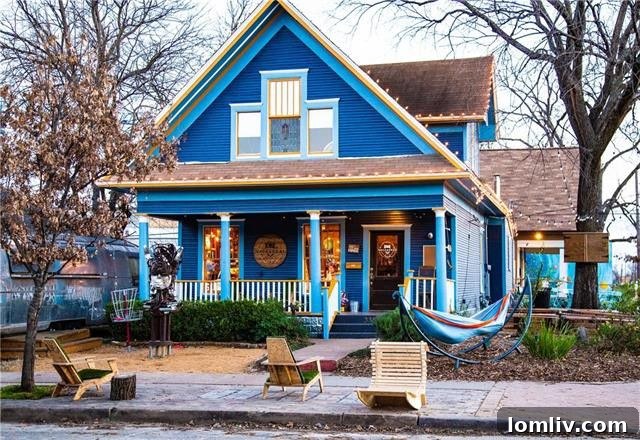
Bishop Arts Today: A Vibrant Blend of Past and Present
Today, Bishop Arts stands as an undisputed historic gem of North Oak Cliff and undeniably one of Dallas’s most dynamic and desirable urban areas. It’s a place where history gracefully intertwines with modernity, offering a rich tapestry of experiences for everyone. The district’s appeal stems from its carefully curated balance of residential tranquility and bustling commercial activity.
The Bishop Arts Neighborhood: Residential Charm
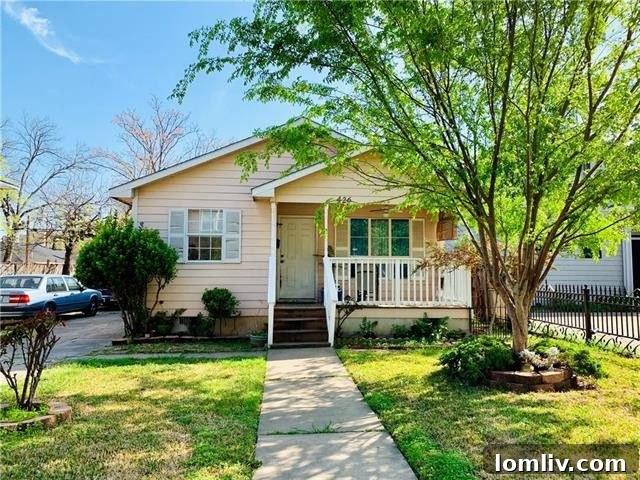
The residential side, the Bishop Arts Neighborhood, boasts an eclectic mix of housing options. Here, you’ll find beautifully preserved historic homes, many dating back to the late 19th and early 20th centuries, standing proudly alongside relatively newer houses, contemporary condos, charming duplexes, and stylish apartments. This diverse housing stock caters to a wide range of tastes and budgets, attracting a vibrant community of artists, young professionals, families, and long-time residents. The tree-lined streets and unique architecture contribute to a strong sense of community and a distinct neighborhood feel, setting it apart from other Dallas areas.
The Bishop Arts District: A Cultural and Culinary Destination
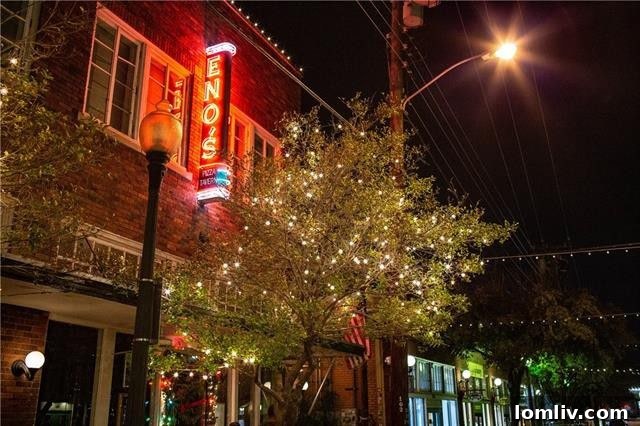
The heart of its commercial and cultural allure is the Bishop Arts District itself—a bustling shopping, dining, and entertainment hub. This compact yet incredibly vibrant area hosts an impressive collection of over 60 independent boutiques, acclaimed restaurants, lively bars, cozy coffee shops, captivating art galleries, and intimate theaters. Visitors and locals can spend hours exploring unique, locally owned shops offering everything from vintage finds and artisanal crafts to high-end fashion and home goods. The culinary scene is particularly renowned, boasting an array of diverse cuisines, from chef-driven fine dining to casual eateries serving up innovative dishes and classic comfort food. The nightlife thrives with craft cocktail bars and lively pubs, while coffee shops provide perfect spots for relaxation or remote work.
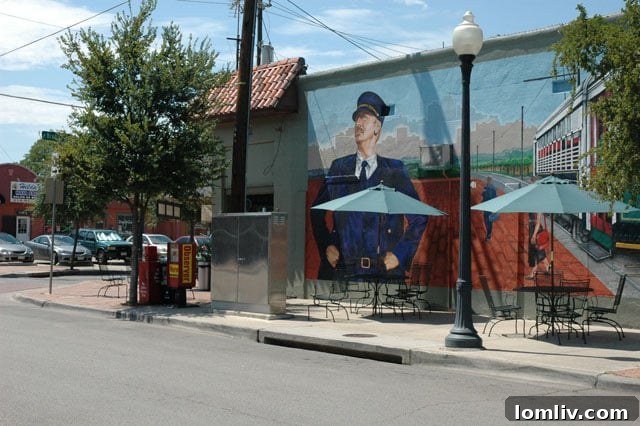
Beyond commerce, Bishop Arts is a thriving cultural center. Art galleries showcase local and regional talent, and independent theaters offer a variety of performances, from plays to live music. The district is highly walkable, fostering a lively street scene often enhanced by street art, murals reflecting its rich history, and frequent community events like art walks, festivals, and live performances. This palpable energy and independent spirit make Bishop Arts a truly unique cultural cornerstone of Dallas.
Real Estate Opportunities in Bishop Arts: A Smart Investment
The distinctive charm and undeniable vibrancy of the Bishop Arts District have naturally translated into a robust and appealing real estate market. According to experts like Jeff Knox with Knox REALTORS, the Bishop Arts Neighborhood offers a wealth of potential for savvy investors. Its unique cultural cachet and growing popularity contribute to strong property values and a consistent demand for housing, making it an attractive prospect for long-term investment.
“I have an investor who just bought both sides of a new duplex, and she looks for new listings daily,” Knox remarks, underscoring the fierce competition and the active nature of the market. This intense interest from investors highlights not only the immediate returns but also the perceived future growth of the area. Properties here, whether historic homes or modern developments, tend to appreciate due to the district’s increasing desirability and its strong community appeal. For those seeking rental income, the diverse population—from young professionals to artists—ensures a consistent tenant pool.
Why Bishop Arts Stands Out: Culture, Community, and Growth
What truly sets Bishop Arts apart, beyond its tangible assets, is its unparalleled culture. “And Bishop Arts offers one of the best cultures in Dallas, if not the best,” Knox passionately states. This isn’t just hyperbole; it speaks to the district’s authentic, community-driven atmosphere. It’s a place where local businesses thrive, where neighbors know each other, and where creativity and independent spirit are celebrated. This unique cultural identity contributes significantly to its livability and, consequently, its real estate value. Investors are not just buying property; they are investing in a lifestyle and a community that is deeply cherished and actively cultivated.
The continuous growth in amenities, coupled with a strong emphasis on historical preservation and community engagement, positions Bishop Arts as a prime location for sustained investment and a high quality of life. Its blend of historic elegance, modern conveniences, and a thriving arts and culinary scene makes it an enduring magnet for those seeking a truly exceptional urban experience in Dallas.
Conclusion: The Enduring Allure of Bishop Arts
From its ambitious beginnings as a vision of affluence in North Oak Cliff to its challenging period of economic stagnation, and ultimately to its stunning resurgence, the Bishop Arts District tells a compelling story of urban evolution. It has successfully reinvented itself, transforming from an early 20th-century residential dream into a 21st-century cultural and economic powerhouse. Today, Bishop Arts is more than just a district; it’s a vibrant living museum, a culinary paradise, and a dynamic hub for arts and entertainment in Dallas.
The meticulous efforts of urban pioneers and the establishment of protective measures like the National Register of Historic Places and Conservation District 7 have ensured that its unique architectural heritage remains intact. This blend of historic integrity with a forward-thinking, community-focused spirit makes Bishop Arts a truly exceptional place. Whether you’re exploring its charming boutiques, savoring diverse culinary delights, immersing yourself in its artistic offerings, or considering a strategic real estate investment, the enduring allure of the Bishop Arts District continues to captivate and inspire, solidifying its place as one of Dallas’s most cherished and vibrant destinations.