The urban landscape of North Oak Cliff is undergoing a significant transformation, a change long anticipated by residents and urban planners alike. For years, the community has braced itself for the influx of high-density, mixed-use developments, a natural evolution for a thriving urban core. This foresight led to a crucial rezoning initiative less than a year ago, designed to not only accommodate the inevitable growth but also to establish a framework for how this development would manifest. The goal was always to foster progress while maintaining a degree of control over the aesthetic and cultural integrity of the beloved neighborhood.
Shaping the Future: The Bishop Arts Gateway Project
Today, this anticipated future is taking shape with the emergence of projects like the proposed Bishop Arts Gateway. Spearheading this development are Matt Segrest and Wade Johns of Dallas-based Alamo Manhattan, a firm that claims a long-term commitment to the community and a deep understanding of urban development, honed through their experiences in cities like Portland and Seattle. These cities, known for their sophisticated streetcar systems and meticulously built neighborhoods, suggest a valuable background for approaching the unique challenges and opportunities in Bishop Arts.
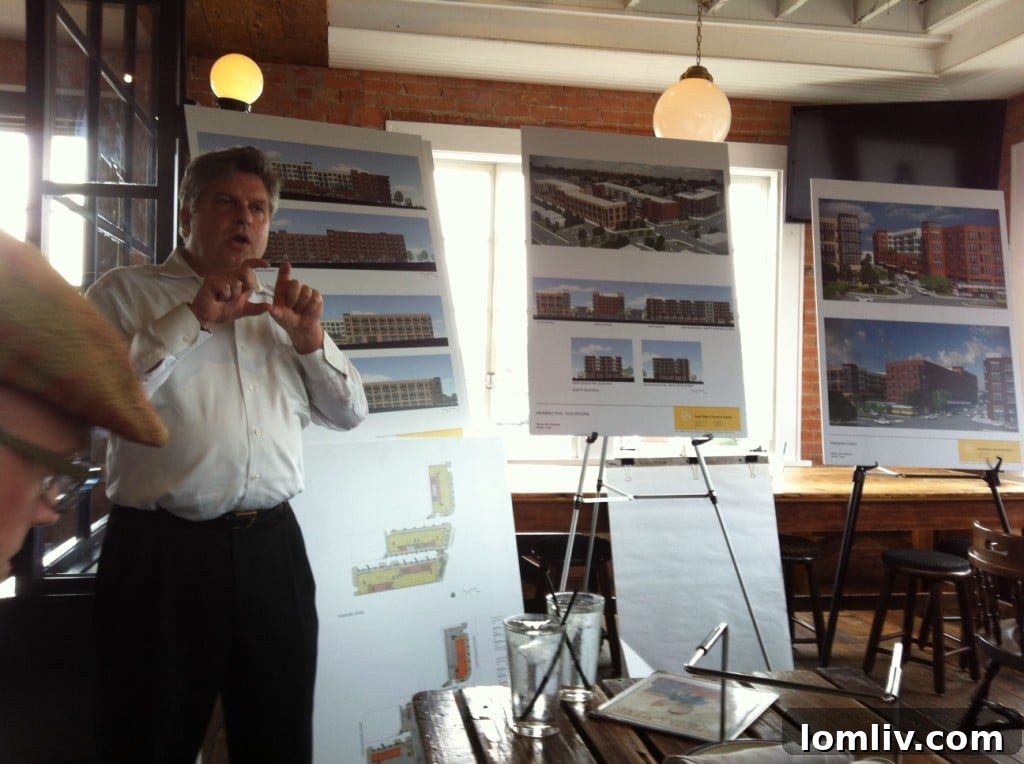
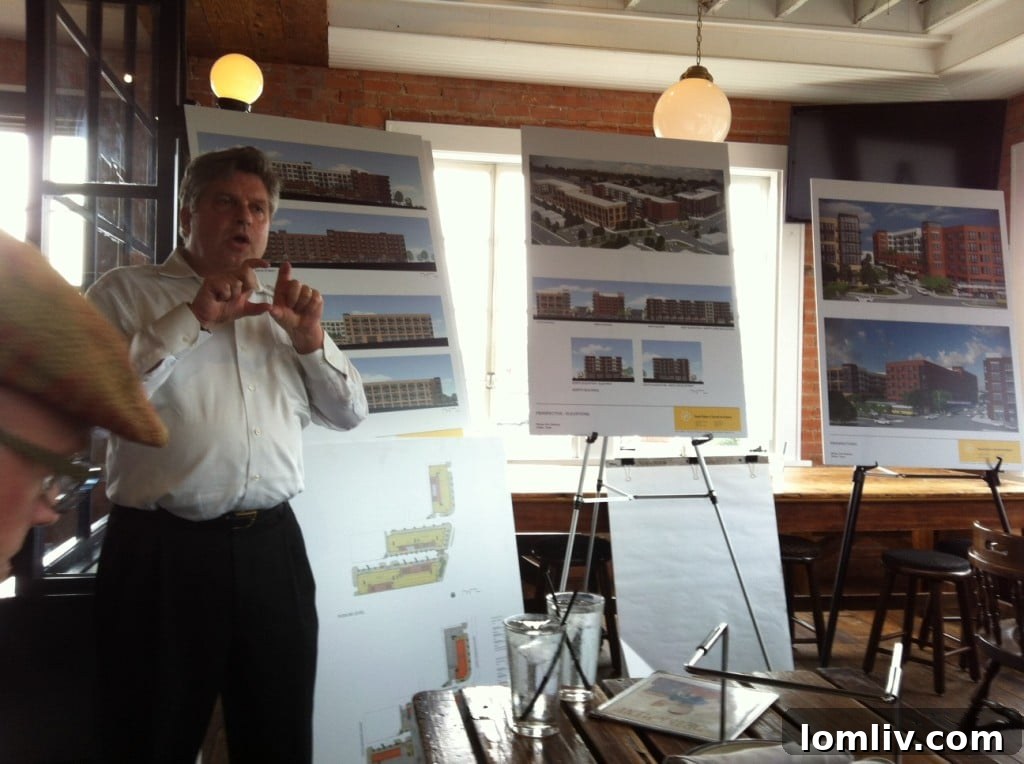
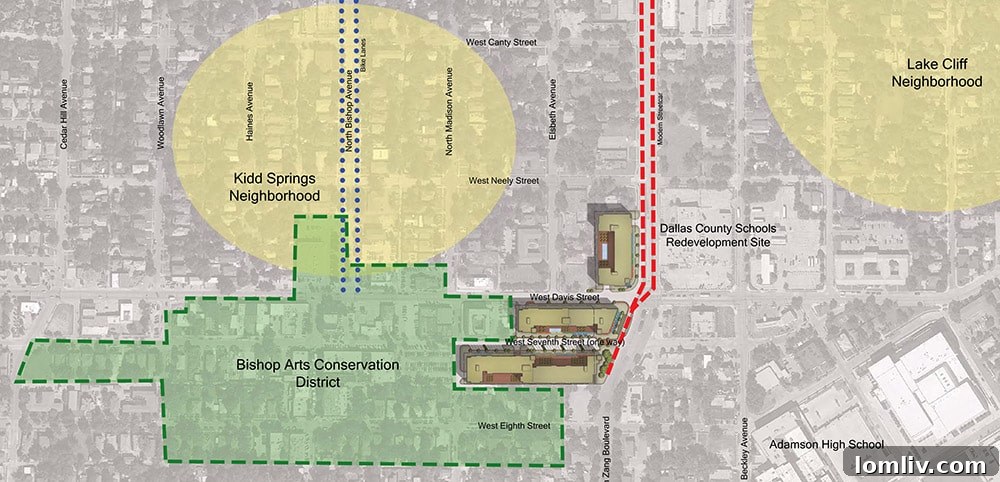
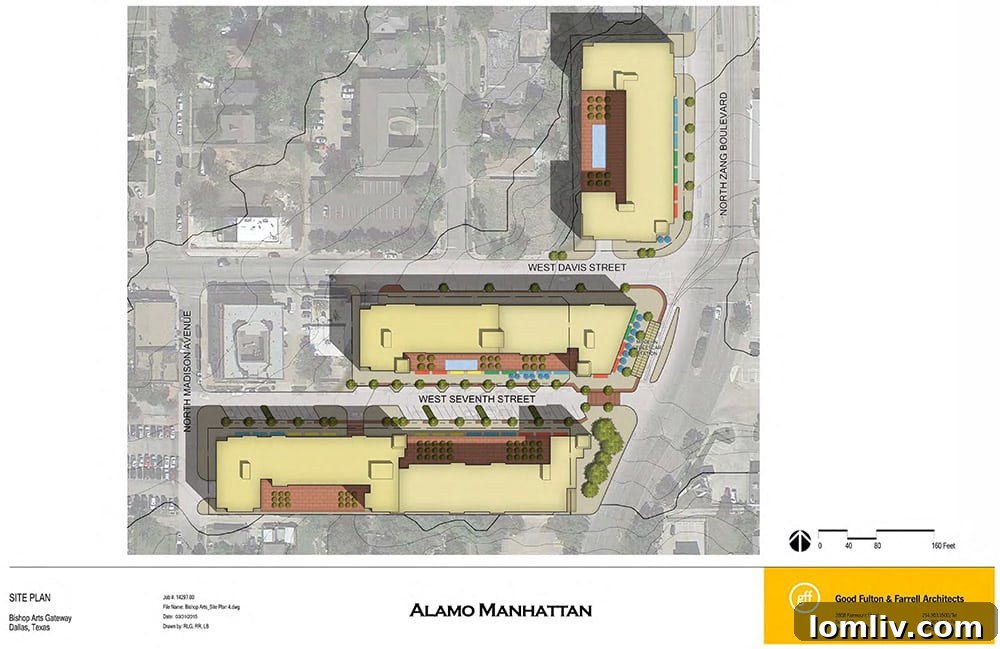
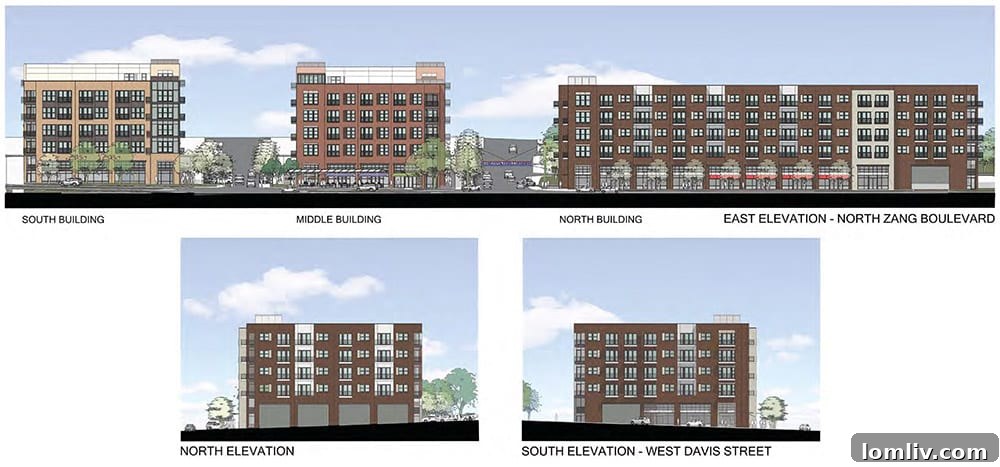
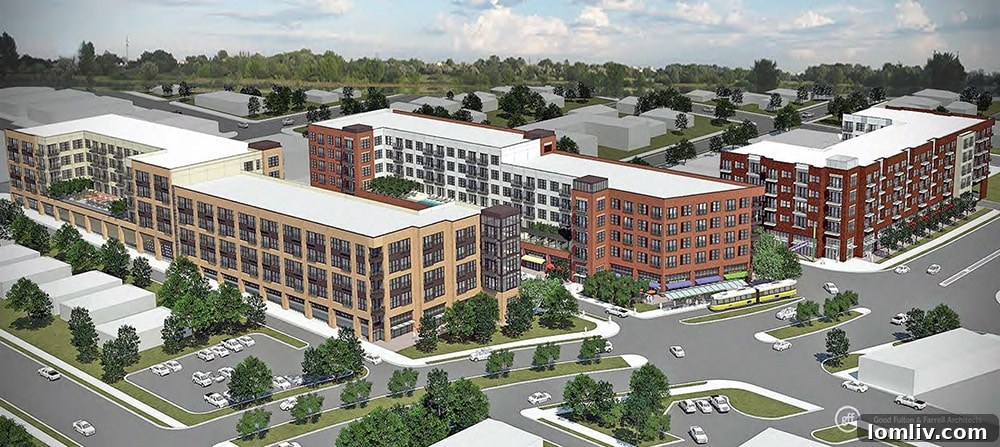
The Bishop Arts Gateway project envisions three prominent five-story buildings situated along Zang Boulevard, at the pivotal intersections of Davis Street and Seventh Street. Recognizing the importance of community involvement, the developers proactively engaged with local residents, calling a neighborhood meeting to solicit invaluable input. This collaborative approach sets a promising precedent for how future developments in the area might unfold, aiming to create a project that truly resonates with the community’s vision and needs.
Navigating Gentrification: Progress vs. Preservation
The conversation surrounding new developments in Bishop Arts, and indeed many revitalizing urban neighborhoods, often treads a delicate line. There’s a certain irony in a meeting of long-term residents and more recent arrivals—many of whom were part of the initial wave of revitalization—convening to discuss the implications of future growth. While some attendees boast decades of deep roots in Oak Cliff, a significant portion of the current community moved in after key milestones: the transformation of the Bishop Arts district with improved infrastructure, the restoration of historic landmarks like the Texas Theatre and The Kessler, and the general cultural flourishing that defines the area today.
At its heart, this discussion delves into the evolving character of a neighborhood and its demographic. It’s a dialogue that extends far beyond Bishop Arts, touching on a universal urban phenomenon. For some, this evolution is a natural progression, a sign of a healthy, desirable area. For others, it’s the discomforting reality of “gentrification”—a term often laden with negative connotations, signifying displacement and a loss of historical identity. However one labels it, the reality of change is an undeniable force in dynamic urban centers, and Bishop Arts is no exception. The challenge lies in harnessing this change for the collective good, ensuring that growth enriches rather than diminishes the existing fabric of the community.
Meeting the Demand for Walkable Urbanism in Dallas
The ongoing transformation in Bishop Arts resonates strongly with broader regional trends and the insights shared at events like the recent Congress for the New Urbanism conference in Dallas, themed “Meeting the Demand for Walkable Places.” The data is compelling: a remarkable 67 percent of residents in the Dallas-Fort Worth (DFW) metroplex express a desire to live in a walkable community at some point in their lives. Yet, the supply falls drastically short, with only 4 percent of Dallas and a mere 1.5 percent of the wider region currently qualifying as truly walkable neighborhoods.
This stark disparity between demand and supply suggests that projects like the Bishop Arts Gateway are not just opportunistic ventures but rather a direct response to a fundamental market need. By creating more vibrant, pedestrian-friendly spaces, these developments hold the potential to enhance the livability of neighborhoods, transforming them into sought-after destinations that attract residents and visitors alike. Beyond the cultural appeal, such projects often yield tangible economic benefits, including increased property values for existing homeowners and a surge in sales for local businesses, fostering a robust economic ecosystem.
While change can be unsettling – indeed, resistance to change is a common human trait – its arrival in Bishop Arts is largely inevitable. As a banking friend succinctly put it, “This Gateway to Bishop Arts deal is already done; it’s just a matter of who builds it.” The true challenge, then, shifts from resisting change to actively shaping it, ensuring that new developments honor and enhance the unique spirit of the neighborhood. This struggle is common to any beloved community experiencing growth, especially in a region characterized by a hot market and strong economic expansion.
Dallas’s Urban Core: A Vision for Connected Communities
As the urban core of the DFW region, Dallas carries a significant responsibility to realize its potential in providing high-quality, walkable, transit-oriented, and higher-density mixed-use neighborhoods. This vision aligns with the strategic deployment of TIF (Tax Increment Financing) Districts, which are intentionally concentrated in areas ripe for such development. City staff and planners are keenly aware that this is the overarching direction for Dallas’s future, aiming to create a more connected, sustainable, and economically vibrant metropolis.
Beyond NIMBYism: Cultivating Constructive Community Engagement
Returning to the core purpose of community meetings, it’s vital that residents move beyond simply adopting a “Not In My Backyard” (NIMBY) stance. While concerns are valid, effective engagement requires articulating what makes a development truly “work” within the existing context of the neighborhood. This means clearly communicating to willing developers the specific design principles, community values, and functional elements that residents wish to see incorporated. This isn’t a one-time event but an ongoing dialogue, crucial not only for Bishop Arts but for numerous other burgeoning communities across Dallas, including East Dallas, Lakewood, Uptown, Deep Ellum, Downtown, Henderson, Knox, and Turtle Creek.
Pillars of Authentic Development: What Makes Bishop Arts Thrive
To foster these essential conversations and ensure new developments genuinely contribute to the unique appeal of Bishop Arts, here are key considerations that define the essence of the neighborhood’s success:
Architectural Excellence and Character
- Attention to Architectural Details: Quality architecture speaks volumes. It conveys a sense of permanence, pride, and care. Intricate details, quality materials, and thoughtful design communicate that a place is valued, inviting people to linger and invest their time and money. Such craftsmanship elevates the entire neighborhood, making every corner feel like it’s “worth every penny” visitors spend there.
Fostering Affordability and Inclusivity
- Sustainable Rent Prices: A truly vibrant neighborhood is one where diverse populations can live and thrive. This means ensuring that rent prices, both for residential and commercial spaces, remain accessible. For example, young professionals and artists, like the dedicated waitstaff at local favorites, should still be able to afford to live within walking distance of their workplaces, especially those who rely on public transit. Creating affordable spaces for the next generation of creatives and workers is a crucial, ongoing conversation that needs to be addressed now to preserve the diverse, creative pulse of Bishop Arts.
Cultivating Local Entrepreneurship
- Variety of Shop Sizes: A dynamic streetscape is one that offers visual interest and diverse opportunities. Many smaller retail spaces, rather than a few large ones, contribute significantly to this. They create a more engaging pedestrian experience and, critically, provide entry points for local entrepreneurs to test innovative business models. These smaller footprints are often less attractive to large national-credit tenants, effectively preserving commercial spaces for unique, local ventures that define the district’s character.
Crafting a Distinctive Sense of Place
- Distinctive Feel and Sense of Place: A successful development should make a statement, exuding boldness within a thoughtful framework. It should contribute to the neighborhood’s unique identity, enhancing its established charm while adding a new layer of character. This isn’t about replication but about thoughtful integration that resonates with the existing spirit of the place.
Prioritizing the Pedestrian Experience
- Pedestrian Scale and Detail: Beyond mere architectural preferences, certain design elements are fundamental for fostering a truly great urban experience. These include generously wide sidewalks that encourage strolling, parallel or back-in parking solutions that buffer pedestrians from through traffic, and “permeable” storefronts with large windows that create a visual connection between indoor and outdoor spaces. While these features might incur higher initial costs, their long-term value in enhancing walkability, safety, and community interaction far outweighs the investment, leading to greater appreciation over time.
Curating a Vibrant Tenant Mix
- Thoughtful Tenant Mix: The synergy of businesses within a district is paramount. Simply adding more of the same, for instance, a surplus of flower shops, could stifle existing businesses like DIRT. Developers and community leaders must be selective, aiming for a perfectly balanced mix of retail, dining, and service establishments that cater to diverse needs and preferences, preventing oversaturation and fostering healthy competition.
Integrating Essential Neighborhood Services
- Comprehensive Neighborhood Services: A truly livable neighborhood offers more than just entertainment and dining. Residents, both existing and new, require access to everyday necessities. This means ensuring that the local ecosystem includes crucial services such as pharmacies, grocery stores, hardware stores, or even simple convenience stores where one can pick up dental floss, bandages, or printer paper. A balanced mix of leisure and necessity makes a neighborhood genuinely sustainable.
The Power of Local Investment and Engagement
- Local Ownership and Engagement: This extends beyond mere real estate ownership. It signifies a willingness for individuals—be they business owners, residents, or developers—to invest their personal time and energy, alongside their capital, into the fabric of the community.
Elaborating on this last point is crucial, as it holds the key to the neighborhood’s enduring charm. The magic of Bishop Arts stems from a palpable sense of care. It’s evident when waiters are not just civil but genuinely helpful, when shop owners actively listen to customer feedback and adapt their inventory, and when neighbors go out of their way to support one another. This deep investment of people’s time and passion—in other individuals and in the very essence of the place—creates an irresistible allure. It inspires people to buy homes nearby, to volunteer their time, to forge new friendships, and even to launch their own businesses, knowing they have the support of a vibrant, engaged community. While it might sound romantic, this level of authentic engagement is the bedrock of lasting value.
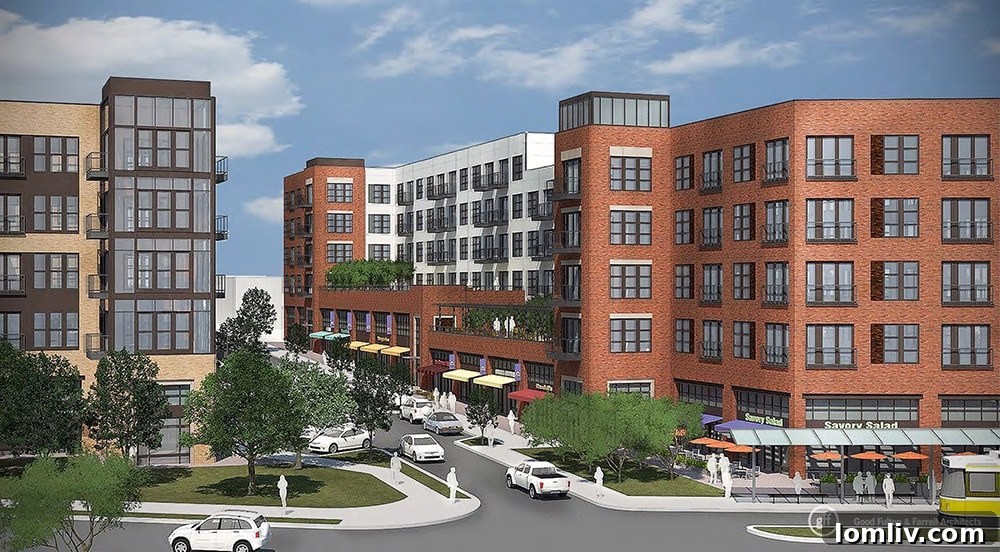
This attention to intricate detail and genuine engagement is a luxury often afforded by small-scale local owners, developers, residents, interior designers, craftsmen, and artists. Their physical presence, intimate understanding of the local market, and personal investment in their own success are precisely what residents are implicitly asking for when they advocate for a “good” development. This level of authenticity is difficult to feign, but when successfully achieved, it lays the groundwork for creating profound and lasting value, ensuring that Bishop Arts continues to thrive as a truly exceptional place.