

Understanding the Modern Homebuyer: Unveiling Millennial Real Estate Trends
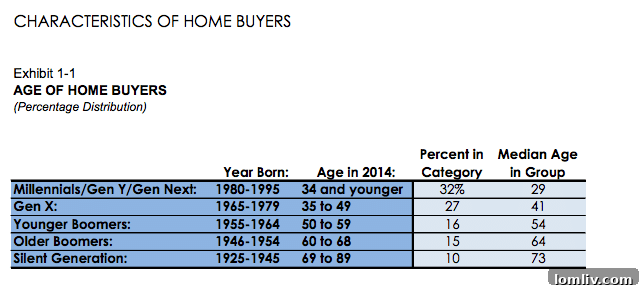
Millennials, a demographic born between the early 1980s and early 2000s, represent a formidable force in today’s economy and particularly in the real estate market. With an estimated 79 million individuals in the U.S. alone, their collective purchasing power is a staggering $170 billion annually. This generation has now decisively taken the lead as the largest group of homebuyers, accounting for 32 percent of the market and surpassing Generation X. This significant shift demands a nuanced understanding of their unique preferences and behaviors, which often challenge traditional real estate norms.
However, navigating the landscape of millennial homebuyer behavior can be complicated by prevailing stereotypes and misinformation. To separate fact from fiction and provide clear insights, we’ve synthesized data from authoritative sources. Our analysis draws from a recent survey conducted by Pardee Homes and BUILDER magazine, alongside valuable information from industry leaders such as realtor.com and the National Association of Realtors (NAR). This comprehensive approach allows us to cut through the noise and reveal what truly motivates this pivotal generation of homebuyers.
It’s widely acknowledged that the homebuying journey for millennials differs considerably from that of previous generations. Their digital-first mindset means they’re more likely to engage with Realtors via text messages than traditional phone calls, and they extensively utilize real estate apps for their initial research and property exploration. This technological fluency fundamentally reshapes how properties are discovered, evaluated, and ultimately purchased. For a deeper dive into how this demographic is transforming the industry, our previous blog post, “6 Ways Millennials Are Changing Real Estate Business for Everyone,” offers a comprehensive breakdown of these evolving dynamics.
But beyond these general behavioral shifts, what are the specific preferences that truly define this new breed of homebuyer? What factors are paramount when they consider making arguably the largest investment of their lives? Understanding these nuances is crucial for real estate professionals, developers, and policymakers alike. Read on as we unveil five unexpected and critical insights into what millennial homebuyers are truly seeking in their dream homes.

1. The Surprising Shift: Millennials Embrace Suburban Living
Contrary to the popular narrative that often portrays millennials as exclusively urban dwellers, the reality of their homebuying preferences tells a different story. While many may begin their independent lives in vibrant city centers, a significant majority gravitates towards a suburban lifestyle when it comes time to purchase their first home. Over half of the survey respondents explicitly stated a preference for suburban living, challenging the long-held assumption that this generation would remain tethered to dense urban environments. This trend, which was even highlighted by experts such as Candy when she wrote about Jed Kolko’s observations, signifies a practical approach to homeownership, often driven by factors like affordability, space for growing families, and access to good schools.
What’s even more striking is their willingness to prioritize space over density. Millennials are four times more likely to opt for a larger house in a less populated community than to compromise on square footage for a bustling urban locale. This doesn’t mean they’ve abandoned all desire for urban conveniences. In fact, many are seeking a “surban” lifestyle – combining the tranquility and space of the suburbs with the walkability and amenities typically associated with city life. They still crave the ability to walk to local parks, grocery stores, schools, and even their workplaces, demonstrating a desire for community connectivity within their chosen suburban setting. This creates a unique challenge and opportunity for developers to create hybrid communities that cater to these specific needs.
2. The Allure of the Outdoors: Space to Breathe and Grow
While traditional motivators for homeownership, such as financial investment and building equity, remain highly relevant for millennials, one particular desire stands out above the rest: the craving for outdoor space. When asked about the most important reasons for purchasing a home, the “desire to have outdoor space” ranked as the paramount factor for this generation. This isn’t merely a preference; it’s a fundamental aspect of their lifestyle aspirations.
This strong inclination reflects a broader appreciation for nature, personal well-being, and a desire for recreational opportunities right at home. Whether it’s for gardening, entertaining friends and family, providing a safe play area for children, or simply having a private retreat for relaxation, a well-defined and accessible outdoor area is non-negotiable. Real estate agents should take note: highlighting features like spacious backyards, inviting patios, decks, or even proximity to community parks and greenways can be highly influential in attracting millennial buyers. The ability to connect with nature and enjoy fresh air from the comfort of their own property offers a significant emotional and practical appeal.
3. Adaptability is Key: The Demand for Flexible Living Spaces
Millennials are not just buying houses; they are investing in adaptable living environments that can evolve with their changing life stages. A remarkable 71 percent of millennials surveyed emphasized that the ability to customize a new home is either “somewhat” or “very important” to them. This desire for personalization goes beyond mere aesthetics; it speaks to a pragmatic need for spaces that can serve multiple functions.
Among the top personalization priorities, a children’s play space emerged as an “important” or “must-have” feature for almost four out of five respondents. This underscores the family-centric values of many millennial homebuyers. Equally significant, 74 percent expressed the importance of having a separate living suite, often with aging parents or extended family in mind. This reflects a growing trend towards multigenerational living, driven by cultural factors, economic realities, and the desire for family support. Other highly valued flexible spaces include finished basements that can transform into entertainment areas, home gyms, or additional bedrooms, and dedicated office areas to accommodate the rise of remote and hybrid work models. For builders and sellers, showcasing a home’s potential for flexible layouts and customization is a powerful selling point.
4. Turning Homes into Income Generators: A Prudent Investment Strategy
The financial realities faced by millennials are distinct from those of previous generations, most notably the burden of student loan debt. According to The Project on Student Debt, nearly seven in ten (69 percent) of graduates from public and private nonprofit colleges in 2013 carried student loans, averaging $28,400. This stands in stark contrast to the average debt of approximately $15,000 (adjusted for inflation) for Generation X graduates in 1993. This significant financial obligation shapes their approach to major investments, including homeownership.
Consequently, it’s hardly surprising that there’s a burgeoning interest among millennials in leveraging their homes as a source of income. Approximately 35 percent of those surveyed indicated a likelihood of renting out a portion of their home to generate additional revenue. This pragmatic approach can help offset mortgage payments, accelerate debt repayment, or simply provide greater financial flexibility. Whether through renting out a spare room, a basement apartment, or even exploring the potential of an Accessory Dwelling Unit (ADU), millennials are actively seeking properties that offer the potential for passive income. For real estate professionals, identifying and marketing homes with income-generating potential, or advising on property modifications that enable it, can be a highly effective strategy.
5. Personalization as an Investment: The Customization Imperative
For millennials, a home is not just a place to live; it’s a significant financial asset and a canvas for personal expression. This dual perspective means they view renovations and customizations not merely as expenses but as strategic investments that enhance both their quality of life and the property’s long-term value. This generation is prepared to commit a substantial portion of their budget – about a fifth – towards upgrades and personalized touches that differentiate their homes and align them with their unique needs and tastes.
This commitment to customization influences everything from selecting finishes and fixtures to planning major structural changes. They are keen on creating spaces that reflect their personality, incorporate smart home technology, and improve energy efficiency. For real estate agents, understanding this inclination is paramount. By highlighting homes that offer excellent potential for future renovations or connecting buyers with reliable contractors, agents can significantly cater to the millennial desire for a tailored living experience. This focus on long-term value through personalization makes millennials distinct buyers who are deeply invested in shaping their homes to meet both current needs and future aspirations.
In conclusion, the millennial generation has undeniably redefined the landscape of homeownership. Their preferences for suburban living with urban amenities, an emphasis on outdoor and flexible spaces, and their strategic approach to using their homes as financial tools mark a significant departure from previous generations. Real estate professionals who recognize and adapt to these evolving demands will be best positioned to serve this powerful and influential demographic, ensuring a thriving and dynamic housing market for years to come.