As a restaurant owner, you’ve meticulously crafted the perfect menu, trained an impeccable service team, and invested in a stunning interior design. But there’s an invisible element that can make or break the entire guest experience: sound. If your patrons have to raise their voices to be heard over a cacophony of clattering dishes and overlapping conversations, they’re unlikely to return, no matter how delicious the food is. Achieving excellent restaurant acoustics isn’t about creating total silence; it’s about controlling noise. By strategically selecting materials, optimizing your floor plan, and making targeted upgrades, you can transform a chaotic dining room into a comfortable and inviting space where guests can relax and connect.
Understanding the Science of Restaurant Sound
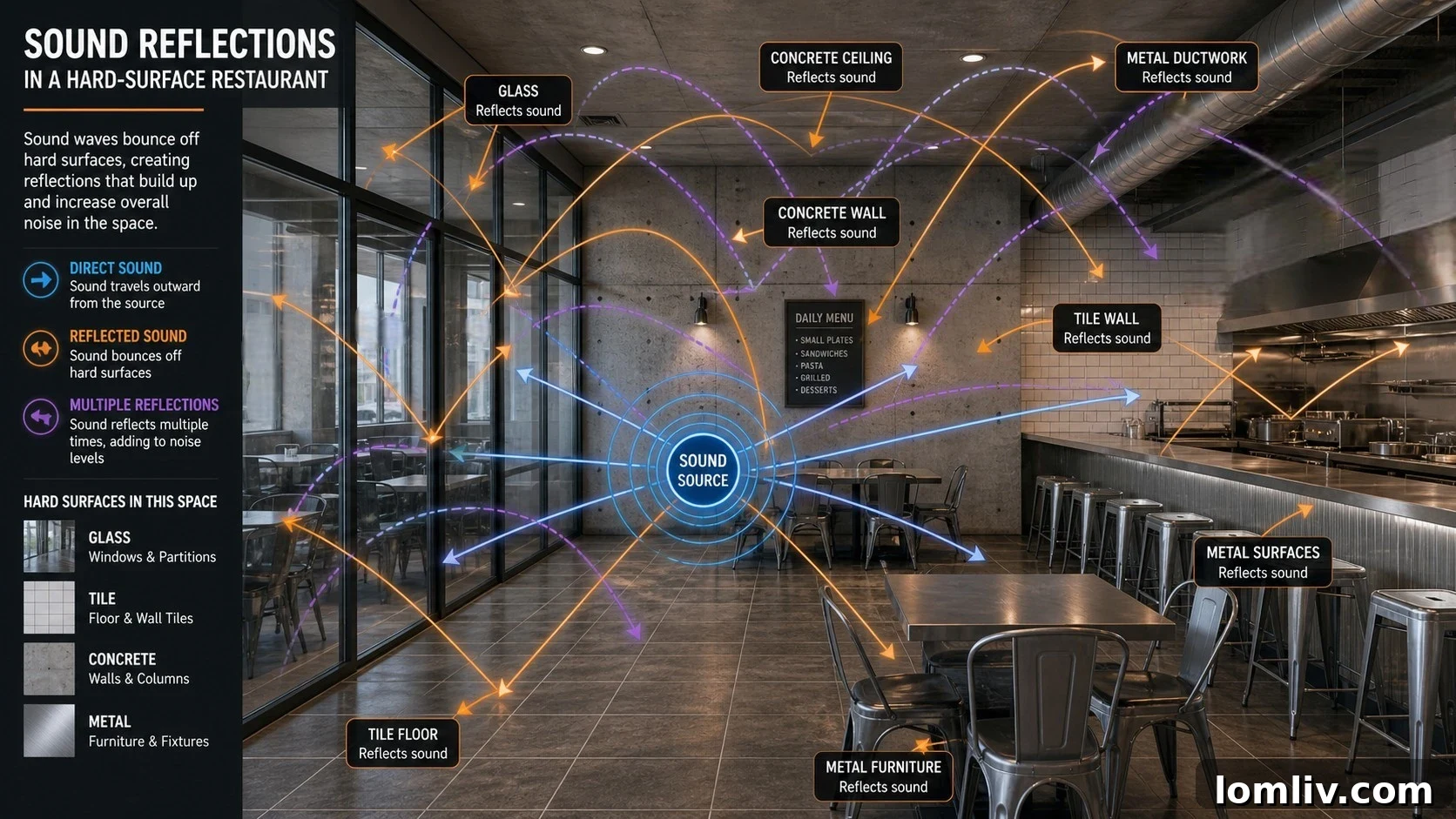
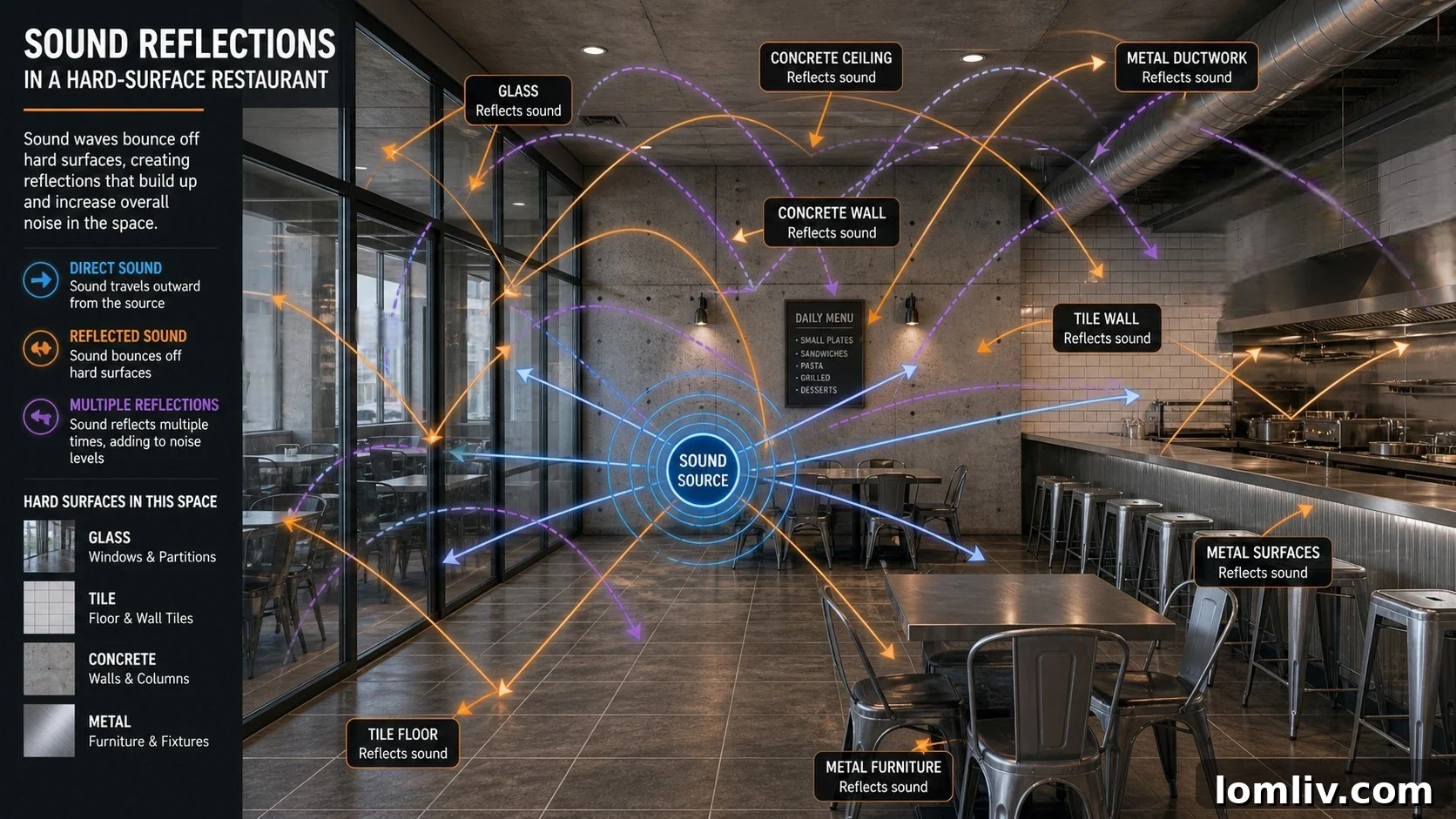
Sound energy behaves in predictable ways, and understanding its movement is the first step toward controlling it. When a sound is made in your restaurant—whether it’s a conversation, a chair scraping the floor, or a plate being set down—sound waves travel outward. When these waves encounter a surface, one of three things happens: reflection, absorption, or diffusion.
Hard, non-porous surfaces are the primary culprits behind a noisy restaurant. Materials like glass windows, polished concrete floors, tiled walls, and exposed metal ceilings are highly reflective. Instead of absorbing the sound, they bounce it right back into the room. This creates a phenomenon known as reverberation, where sound waves ricochet around the space, overlapping and building upon each other. The result is a loud, muddled environment that feels stressful and overwhelming. If your restaurant embraces a modern minimalist or industrial aesthetic, you must consciously counterbalance these hard finishes with sound-absorbing elements.
Architectural features also play a significant role. High, vaulted ceilings can create a beautiful, open atmosphere, but they also give sound waves more space to travel and echo, turning the room into an echo chamber. Conversely, low ceilings can trap noise, making a crowded space feel even more confined and intense. Before investing in any solutions, take the time to identify your primary noise traps. Walk through the dining room during a busy service. Is the noise worst near the open kitchen, the bustling bar, or in a large, open seating area? Pinpointing these hotspots will help you make more effective, targeted improvements.
Strategic Sound Absorption: Choosing the Right Acoustic Materials
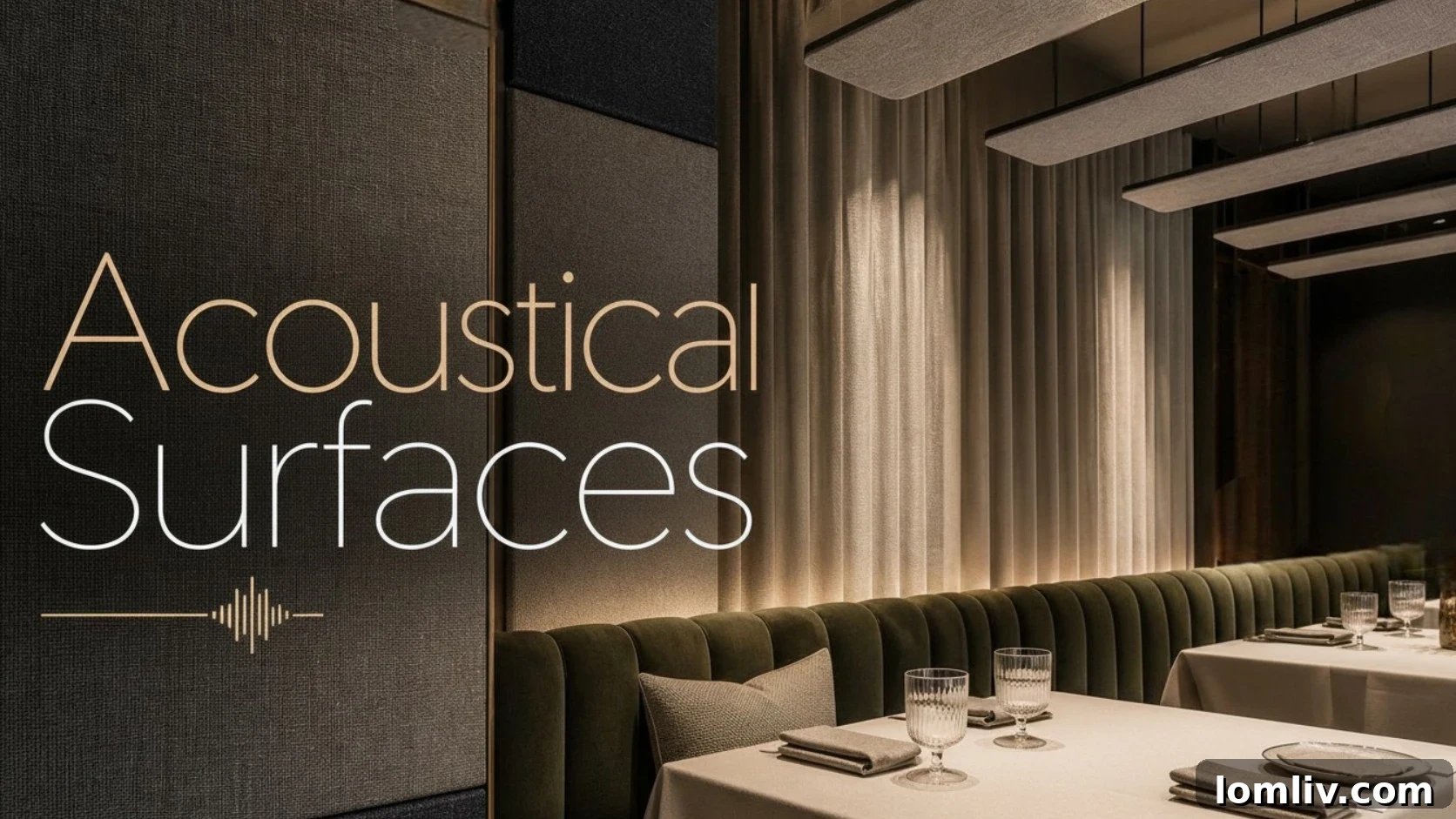
The materials you choose for your interior design must do more than just look good; they need to perform an acoustic function. In a high-traffic commercial space like a restaurant, the goal is to incorporate surfaces that absorb sound rather than reflect it. This doesn’t mean you need to cover every surface in foam. Modern acoustic solutions are designed to be both effective and aesthetically pleasing.
Wall treatments are one of the most effective ways to reduce echo without compromising your design vision. Custom-fabricated acoustic wall panels, wrapped in a fabric that matches your brand’s color palette, can blend seamlessly into the decor. They can be installed as accent walls or integrated as functional art pieces. These panels contain sound-dampening cores that trap sound waves, preventing them from bouncing around the room.
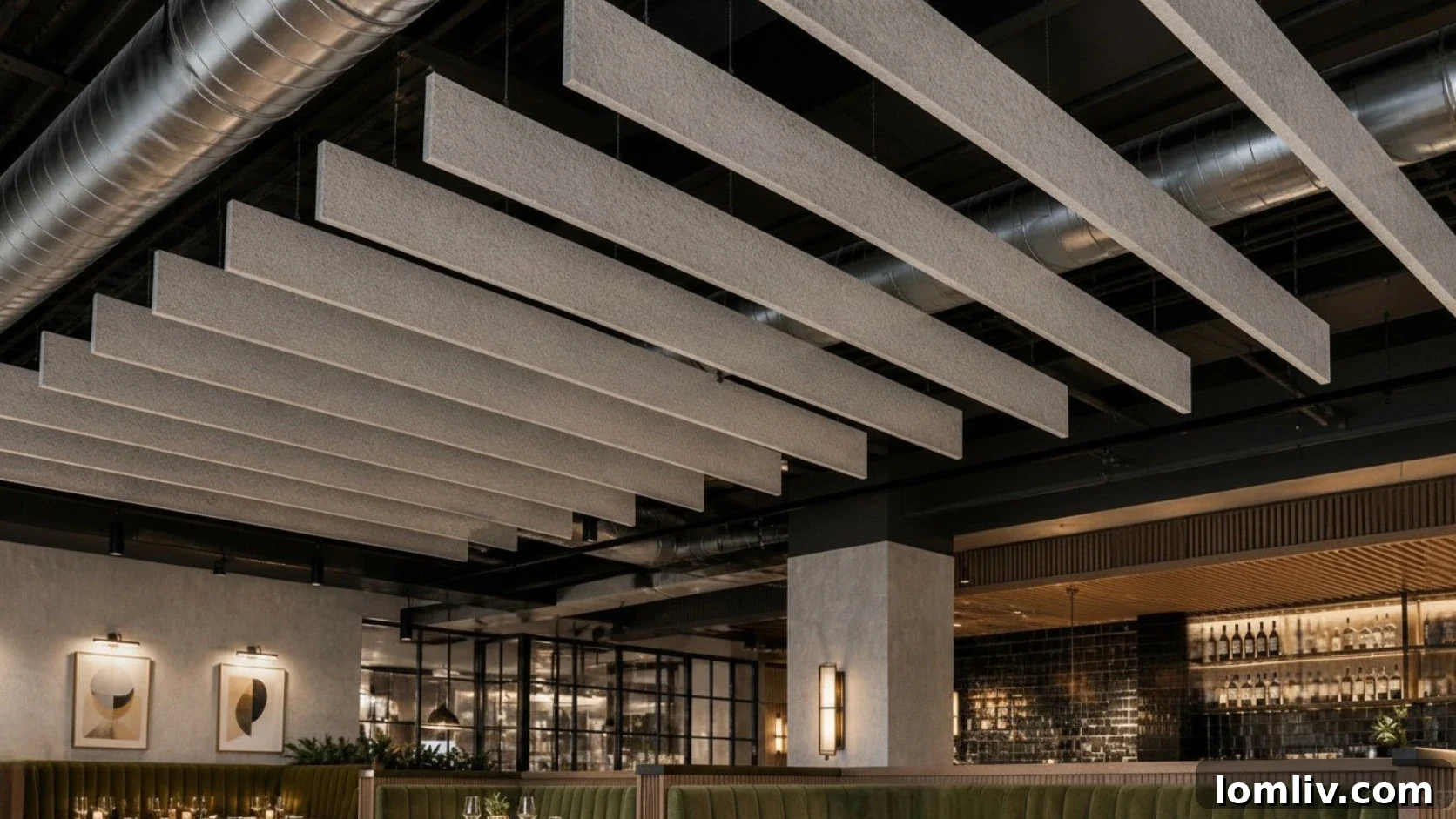
The ceiling is another critical surface for acoustic control, especially in spaces with high ceilings or an open-concept layout. Suspending acoustic baffles (vertical panels) or “clouds” (horizontal panels) from the ceiling can be incredibly effective. These elements capture sound as it travels upward, stopping it before it can reflect back down to the dining area. They are an ideal solution for industrial-style venues with exposed ductwork, as they can be integrated into the existing aesthetic while dramatically improving sound quality.
Finally, never underestimate the power of soft furnishings. These elements are your first line of defense against noise. Heavy drapery over large windows, plush upholstered booth seating, and even thick, high-quality table linens all contribute to sound absorption. Each soft texture you add to the room helps to dampen sound, preventing it from endlessly ricocheting off hard surfaces and contributing to a calmer, more pleasant atmosphere.
Mastering Your Floor Plan for Acoustic Harmony
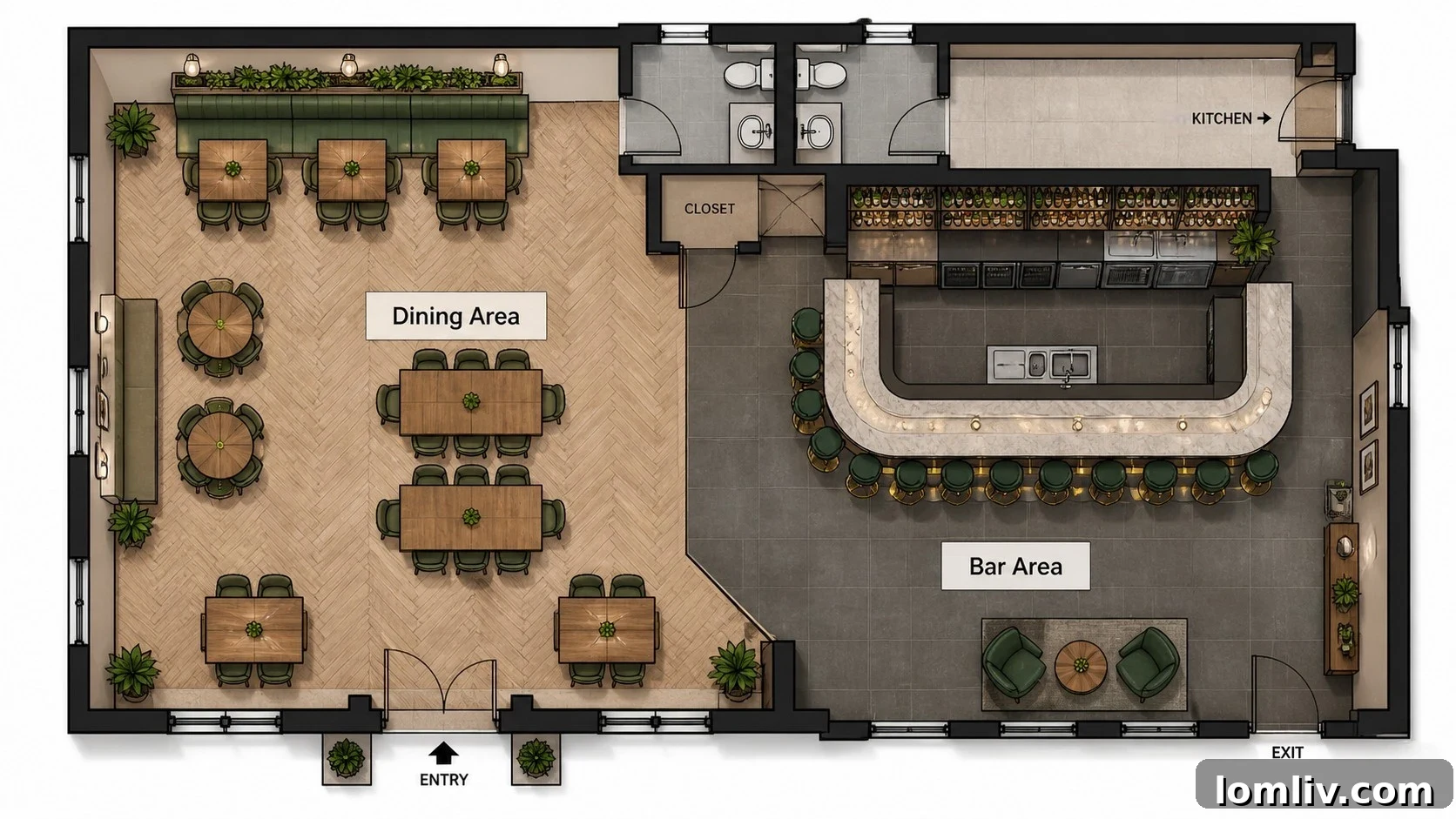
How you arrange your tables and furniture has a direct and significant impact on the room’s noise level. A floor plan designed to maximize capacity by cramming tables together is a recipe for acoustic disaster. When guests are seated too close to one another, their conversations overlap, forcing everyone to speak louder just to be heard by their own party. This escalating volume is often called the “Lombard effect,” and it can quickly turn a pleasant buzz into an unbearable din.
Creating more generous spacing between tables is a simple yet powerful way to improve acoustics. This gives each conversation its own “acoustic space,” reducing the need for guests to compete with neighboring tables. Furthermore, you can use furniture to create natural sound barriers. High-backed booths are excellent for this, as they physically block and absorb sound, creating intimate, quieter pockets within a larger room. You can also use decorative partitions, open-backed shelving units filled with books or plants, or other dividers to break up the direct path of sound waves, scattering them and reducing their overall impact.
Consider creating distinct zones within your restaurant. Group your noisiest areas together and separate them from quieter dining sections. The bar, with its blenders, cocktail shakers, and lively chatter, is a natural noise generator. The same goes for the espresso machine and any open-kitchen areas. By strategically placing these high-action zones away from areas intended for more intimate dining, you can better manage the overall soundscape and cater to different guest preferences.
Silencing the Hum: Tackling Mechanical and Kitchen Noise
Beyond the chatter of guests, there is a constant underlying layer of mechanical noise that contributes to the overall sound level. The persistent hum of an HVAC unit, the roar of a kitchen exhaust fan, or the buzz of a refrigeration compressor can create a fatiguing background drone. Addressing these sources is crucial for creating a truly comfortable environment.
Start by identifying the primary sources of mechanical noise. Is the HVAC system particularly loud when it kicks on? Its ductwork may require acoustic insulation, or the unit itself might need servicing or vibration dampening mounts. Kitchen noise from clanging pots, loud ventilation hoods, and shouting staff can bleed into the dining room. Ensure the doors between the kitchen and dining area are solid-core and well-sealed. You can even add acoustic panels to the kitchen-facing side of the wall to trap noise at its source.
For restaurants with open or exposed ceilings, combining functional lighting with acoustic solutions is a smart strategy. Pendant lights can be hung alongside acoustic baffles, creating a visually interesting design that also serves a critical acoustic purpose. For traditional drop ceilings, swapping standard tiles for acoustic ceiling tiles (ACT) is a highly effective upgrade. Modern ACTs come in a variety of clean, architectural finishes that will enhance, not detract from, your restaurant’s style while absorbing a significant amount of ambient noise.
Building a Quieter Foundation: Soundproofing Floors
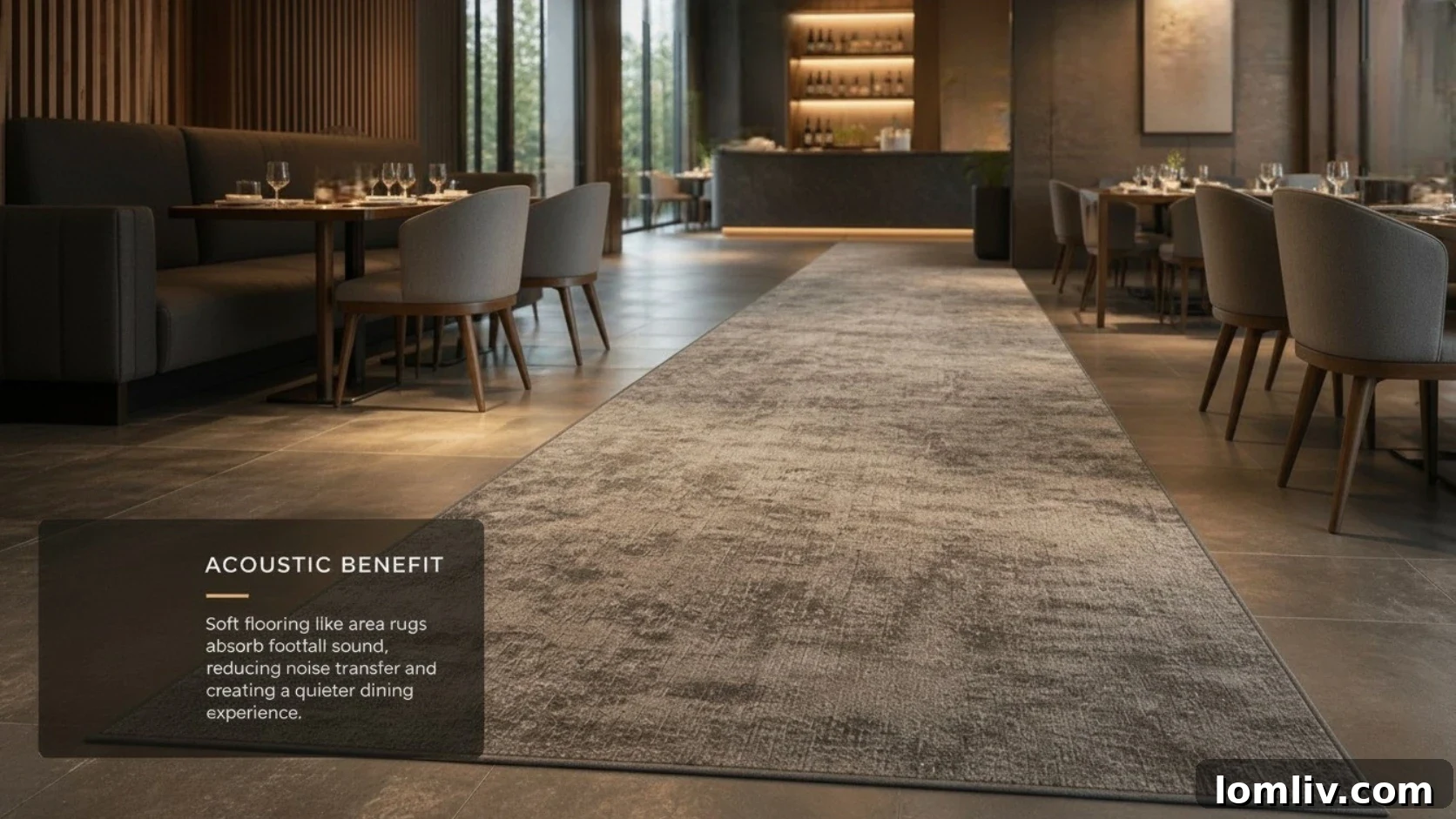
Flooring is one of the largest surfaces in your restaurant and, if left untreated, one of the biggest contributors to noise. Hard flooring like sealed concrete, ceramic tile, or hardwood looks fantastic and is easy to clean, but it reflects nearly every sound made upon it. The sharp click of heels, the scrape of a chair leg, and the thud of a dropped fork are all amplified, compounding throughout a busy service to create a distracting clamor.
You don’t have to sacrifice your design aesthetic by carpeting the entire dining room. Strategic use of soft flooring can make a world of difference. Placing large, durable area rugs or runners in high-traffic pathways and under large communal tables can do wonders for sound absorption. These elements absorb impact noise from footsteps and help dampen the overall reverberation in the room, instantly making the space feel warmer and quieter.
For a more permanent and invisible solution, especially during a renovation or new build, investing in an acoustic underlayment is highly recommended. These thin layers of rubber, cork, or foam are installed directly beneath your final flooring material, whether it’s luxury vinyl, engineered wood, or tile. The underlayment works by absorbing vibrations and impact noise before they can become airborne sound. Your guests will never see it, but they will absolutely notice the profound difference it makes in the room’s comfort level.
The Sound of Success: Why Good Acoustics are Good for Business
Improving your restaurant’s acoustics isn’t just about turning down the volume; it’s a strategic business decision that directly impacts your bottom line. A comfortable acoustic environment encourages guests to relax, stay longer, and potentially order more drinks or dessert. It leads to more positive online reviews, as “too loud” is one of the most common complaints diners have. By thoughtfully addressing how sound travels through your space with a combination of sound-absorbing materials, a strategic layout, and noise control measures, you are investing in the guest experience. This investment protects the value of your commercial property and builds a loyal customer base that returns for the great food and the welcoming atmosphere you’ve worked so hard to create.