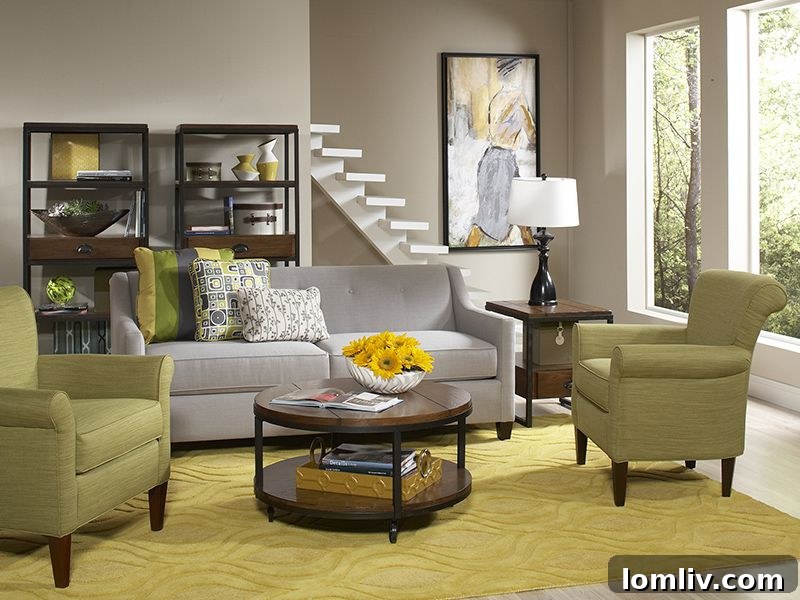
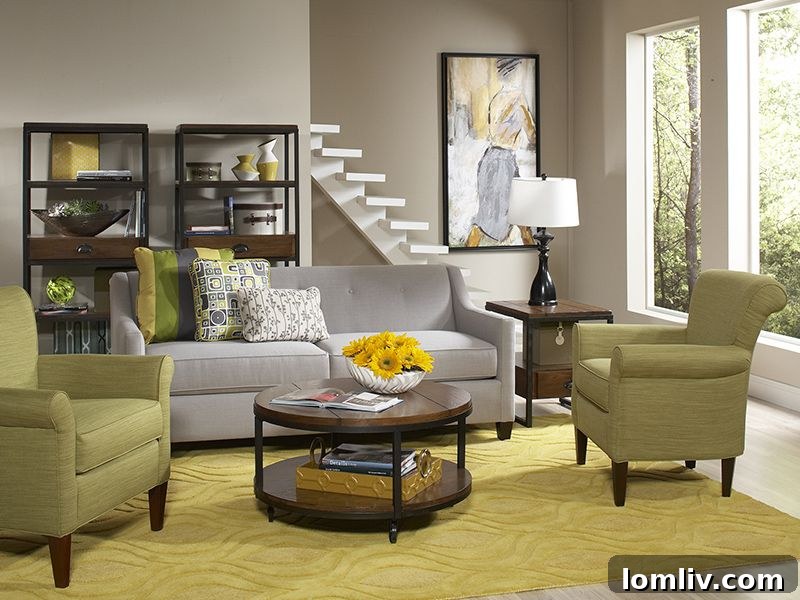
In the dynamic world of real estate, making a property stand out is paramount. While many aspects contribute to a successful home sale, one of the most consistently requested and impactful services is professional home staging, particularly for vacant properties. Often referred to as “naked listings,” these empty homes present a unique challenge and opportunity for sellers and real estate agents alike. A vacant home, devoid of furniture and personal touches, can often struggle to capture the imagination and emotional connection of potential buyers. This is where the strategic art of home staging transforms a mere structure into an aspirational living space.
The Challenge of the “Naked Listing”: Why Vacant Homes Struggle
It’s a common scenario: a real estate agent calls, eager to get a vacant property staged, often asking, “Can you install tomorrow?” This urgency stems from a deep understanding of how difficult it can be to sell an empty house. Without furniture, scale and proportion become distorted, making rooms appear either smaller and cramped or overwhelmingly vast and uninviting. Buyers often struggle to envision how their own furniture would fit or how specific spaces could be utilized. An empty house lacks warmth, personality, and the vital emotional connection that drives purchase decisions. It becomes just a collection of walls and floors, making it harder for buyers to see it as their future home.
Moreover, vacant properties can inadvertently highlight flaws. Scratches on the floor, an odd paint color, or minor imperfections that would go unnoticed in a furnished home can become glaringly obvious when there’s nothing else to draw the eye. The absence of furniture also makes professional photography less compelling, failing to generate the necessary intrigue for online listings, which are often a buyer’s first point of contact with a property.
Understanding the Investment: The Nuances of Professional Staging
The immediate demand for staging often comes with an expectation of quick turnaround and low cost. However, accurately estimating the cost and timeline for staging a vacant property is a meticulous process that cannot be rushed. The difference in staging a multi-million dollar luxury estate versus a modest family home is immense, influencing everything from the quantity and style of furniture to the labor involved. A professional stager’s initial preview is crucial. This involves a detailed walk-through, taking photographs, precise measurements, and performing extensive space planning. During this phase, the stager mentally selects specific furniture pieces, artwork, and accessories that will best complement the home’s architecture, target demographic, and market value. This is a design-intensive consultation that typically incurs a fee, and for good reason—it lays the foundation for a successful staging strategy.
Following the initial assessment, the stager creates a comprehensive estimate. This isn’t merely a list of items; it’s a detailed plan encompassing specific furniture and decor selections, labor costs for transportation and installation, and delivery fees. This intricate planning can take several hours, reflecting the expertise and logistical coordination involved. Subsequently, formal contracts for both staging services and furniture rental must be prepared. It’s important to remember that your project is one of many a professional staging company manages simultaneously, making “tomorrow” an unrealistic expectation for a fully executed staging project. Most stagers require adequate lead time, typically several days to a week, to ensure every detail is perfectly aligned.
Beyond the Furniture: The Extensive Labor Behind Staging
When the estimate arrives, some sellers might experience “sticker shock,” exclaiming, “Wow, this is a lot more expensive than I was expecting!” This reaction often stems from underestimating the sheer scope of work involved. A typical vacant staging for even a moderately priced home might involve 20 to 30 individual pieces of furniture, complemented by countless accessories, lighting fixtures, and textiles. But the cost isn’t just for the items themselves; it’s for the professional design, coordination, and labor.
The installation process is exhaustive. It involves meticulous placement of every furniture piece, precise hanging of artwork to create focal points, unpacking and artful arrangement of accessories, and even steaming bed linens to perfection. Beyond the interior, stagers often coordinate essential pre-staging services such as repairs, landscaping enhancements, and professional cleaning crews to ensure the property is in pristine condition before a single piece of furniture is moved in. This comprehensive approach ensures that every aspect of the home presents beautifully and creates an inviting atmosphere for potential buyers. It’s a physically demanding and detail-oriented process that requires significant expertise and manpower.
The Seamless De-Staging Process
The work of a home stager doesn’t end when the property sells. Once the keys are exchanged, the de-staging process begins, a task as complex and coordinated as the initial installation. This involves scheduling and meeting delivery trucks, carefully packing all accessories, dismantling furniture, and returning everything to the warehouse. Just like the installation, de-staging cannot be accomplished “tomorrow.” Most professional stagers have a contractual clause requiring at least a two-week notice to orchestrate the efficient removal of all rented items, minimizing disruption and ensuring a smooth transition for the new homeowners. This foresight in planning reflects the professionalism and logistical acumen of experienced stagers.
The Undeniable ROI: Staging as a Strategic Investment
The core philosophy of home staging is simple yet profound: it’s a strategic investment that yields significant returns. While the upfront cost of staging might seem substantial, it is almost invariably less expensive and more beneficial than the alternative—lowering the asking price of the house. A price reduction of even 1-2% on a mid-range home can easily exceed the cost of professional staging, and there’s no guarantee a reduction will even lead to a sale. Staging, on the other hand, is a proactive measure that enhances the property’s appeal, accelerates sale times, and often results in offers at or above the asking price.
People buy homes based on emotional connection, and an empty house simply cannot foster that same feeling of “home.” Staging creates that emotional resonance, allowing buyers to envision their lives within the space. It transforms a house into a dream home, making it memorable and highly desirable. Sellers who initially balk at the cost often have an “aha!” moment when they compare the staging investment to the potential loss from a price drop or extended market time. It’s not an expense; it’s a marketing tool designed to maximize the seller’s profit and minimize their time on the market.
Unlocking Tax Benefits: A Smart Financial Move
Beyond the immediate financial benefits of a quicker, higher-priced sale, home staging can also offer advantages come tax season. It’s prudent for sellers to consult with their tax professional to understand how staging costs can be leveraged. As Dallas CPA David Moffat explains, “The seller would include the cost of staging, including furniture rental, along with other ‘fixing up expenses’ that increase the original basis (cost) of the house and therefore reduce the gain on the sale.” This means that the investment in staging can potentially reduce the capital gains tax owed on the sale of the property, further solidifying its status as a financially savvy move. Viewing staging as a marketing expense rather than a mere decorating cost positions it as a strategic component of the overall sales strategy.
Choosing the Right Staging Partner
Given the complexity and impact of staging, selecting a reputable and experienced home stager is critical. Look for professionals with a strong portfolio, a deep understanding of local market trends, and a proven track record of successful sales. Ensure they are fully insured and operate with transparent contracts that detail all services, costs, and timelines, including de-staging. A good stager will be an invaluable partner in your selling journey, turning your vacant listing into a captivating showcase that resonates with potential buyers and achieves your real estate goals.
Karen Eubank is the owner of Eubank Staging and Design. She has been an award-winning professional home stager and writer for over 25 years. Karen teaches the popular Staging to Sell class and is the creator of the online course, The Beginners Guide to Buying Wholesale. Her love of dogs, international travel, history, white paint, champagne, artificial turf, and Tudor and Midcentury Modern homes, and any house designed by Clifford Hutsell knows no bounds. Her father was a spy, so she keeps secrets very well! Find Karen at www.eubankstaging.com