

Welcome to a new year, filled with possibilities and the exciting prospect of new beginnings! For many, this marks the year they embark on the journey of building a dream home. There’s an undeniable allure to being the very first person to inhabit a brand-new space, customizing every detail from the selection of exquisite tiles to the perfect kitchen cabinetry. This unique opportunity to imprint your personal style onto a home, making it truly yours from the ground up, is an experience unlike any other. However, the path to achieving this dream can vary wildly. Not all home-building experiences are created equal; some unfold smoothly, culminating in sheer delight, while others can be fraught with unforeseen challenges and frustrations.
As a Lifestylist® with extensive experience owning and operating a construction and design company, I’ve had the privilege of working closely with numerous builders, from crafting captivating model homes to guiding individual clients through their personalized construction projects. Recently, while assisting a client with their new build, we identified several crucial insights that, if known beforehand, could have significantly streamlined her journey. This realization inspired us to develop a comprehensive series of articles designed to equip you with the knowledge and tools necessary to navigate the complexities of new home construction. Our goal is to ensure your building experience is not only enjoyable and stress-free but also culminates in the realization of your perfect, dream home.
The initial and arguably most critical steps in this exciting venture involve selecting both the ideal builder and the perfect location for your future residence. These foundational choices lay the groundwork for everything that follows, and getting them right is paramount for a successful and satisfying outcome. Given their significance, these decisions often prove to be the most challenging, demanding thorough research and careful consideration.

Assembling Your Expert Team for New Home Construction
Building a home represents one of the most significant financial and emotional investments you’ll make in your lifetime. To safeguard this investment and ensure a smooth process, it’s absolutely vital to surround yourself with the right team of advisors and representatives. This team acts as your advocates, guiding you through every intricate stage of the construction journey and helping you make informed decisions. Let’s delve into the key players you need by your side.
The Indispensable Role of a Specialized Realtor
If you choose to work with a Realtor, ensure they specialize in new construction. An excellent new home Realtor is more than just someone who opens the door to a model home; they are a dedicated liaison who will be with you from your initial search through to the final closing. They should act as your primary point of contact with the builder and their representatives, adept at answering your questions, addressing concerns, and resolving issues as they arise. What you absolutely want to avoid is a Realtor who simply introduces you to the builder’s sales team and then reappears only for the closing. A truly valuable new construction Realtor understands builder contracts, potential incentives, and how to negotiate on your behalf to protect your best interests, not just the builder’s. Before committing, interview potential Realtors, asking about their experience with specific builders, their negotiation strategies, and their availability throughout the construction timeline.
Understanding the Builder’s Team: Sales vs. Construction Management
Every builder will have a sales representative, and they are typically your first point of contact. It’s crucial to clarify early on: will this sales representative be your primary contact throughout the entire construction phase, or will a dedicated construction manager take over once the contract is signed? Ideally, a separate, experienced construction manager should be assigned to oversee the day-to-day progress of your home. This individual will be on-site, managing subcontractors, ensuring quality, and adhering to the timeline. Inquire about their availability – are they accessible seven days a week, or only during standard business hours? You’d be astonished by how frequently critical questions or minor issues emerge outside of conventional working hours, perhaps on a Sunday afternoon at 5 p.m., requiring prompt attention. Clear communication channels and agreed-upon response times are essential for reducing stress and preventing misunderstandings.
The Value of an Independent Home Inspector
Even though your new home is being built by professionals, hiring an independent home inspector is a non-negotiable step for truly safeguarding your investment. A new home doesn’t automatically mean a perfect home. An independent inspector works for you, not the builder, and can identify potential issues that might otherwise be overlooked by the builder’s own quality control. Consider having inspections at key stages: the foundation pour, the pre-drywall phase (when wiring, plumbing, and HVAC systems are visible), and a final inspection before closing. These inspections can catch costly problems early, ensuring that your dream home is not just beautiful, but also structurally sound and built to the highest standards.
Selecting the Ideal Builder: More Than Just Pretty Models
The choice of your builder is arguably the single most impactful decision that can make or break your entire new home experience. It’s incredibly easy to walk into a beautifully staged model home, fall instantly in love with its design, luxurious finishes, and impeccable furnishings. Trust me, if I had a dollar for every client who walked into one of my model homes exclaiming, “I want my house to look exactly like this!”, I’d be incredibly wealthy! But building a home is about so much more than just aesthetic appeal; it’s about quality, reliability, and peace of mind.
Local Presence, Experience, and Reputation Matter
Begin by asking crucial questions about the builder’s background. Is the builder local to your chosen area? How long have they been constructing homes in this specific community or region? Builders with a deep-rooted local presence often possess a better understanding of regional building codes, climate considerations, and established relationships with reputable local subcontractors and suppliers. This can translate into more efficient construction and higher quality. Beyond longevity, investigate their reputation. How many homes do they typically build each year? A builder constructing a manageable number of homes may offer more personalized attention than one with hundreds of projects. Seek out reviews online, check with local real estate professionals, and don’t hesitate to ask for references from previous clients. A reputable builder will be transparent and happy to provide these.
Assessing Quality and Transparency
Who will actually be on-site overseeing the construction of your home? Will it be a dedicated project manager, and can you meet them before signing any contracts? Establishing a relationship with the person directly responsible for your home’s construction can foster trust and facilitate smoother communication. Inquire about their involvement with professional organizations. Are they active members of local and national home builders associations, such as the Dallas Builders Association or the Texas Association of Builders? Membership often signifies a commitment to industry standards, ethical practices, and ongoing professional development. For example, our Hot Builder, Tim Jackson Custom Homes, exemplifies this dedication, with Tim Jackson himself having served as past president of both associations. Another excellent example, Classic Urban Homes, demonstrates their commitment not only to quality but also to community, notably handing over the keys to a mortgage-free home for a severely injured war veteran through Operation Finally Home. This level of community engagement can often be a strong indicator of a builder’s character and long-term vision.
Location, Location, Location: Crafting Your Ideal Lifestyle
While the builder constructs the physical structure, the location imbues your home with its lifestyle and potential for future value. The adage “location, location, location” holds immense truth, especially when considering your daily routines and future aspirations. This decision goes far beyond mere proximity to work or school; it’s about finding an environment that truly complements your way of life.
Daily Commute and Accessibility
Consider your daily commute. How long will it take to get to work each morning, or to drop the kids off at school? Beyond the drive time, think about traffic patterns during peak hours. When you find an area you love, make an effort to drive around it at different times of the day and on various days of the week. This firsthand experience can reveal hidden realities, such as unexpected traffic congestion, noise levels, or even difficulties accessing main roads during busy periods.
Understanding the Community Fabric and Amenities
Schools are often a top priority for families. If they are important to you, go beyond online ratings. Visit the schools, talk to parents, and research district boundaries and future growth plans. Our site features excellent articles by Bethany Erickson that delve deeper into local school insights. Beyond education, what kind of amenities does the area offer? Is there readily available shopping, from grocery stores to retail centers? Do you frequent restaurants, and if so, what are the local dining options, and which ones offer delivery? Consider recreational opportunities like parks, trails, or fitness centers. Proximity to healthcare facilities can also be a significant factor, especially for long-term planning.
Noise, Zoning, and Future Development
Living next to an elementary school might seem idyllic, but as I learned firsthand, the reality can be quite different! Parents lining up an hour before dismissal can create gridlock, making it impossible to exit your driveway, and the associated noise can be considerable. Similarly, assess proximity to highways, commercial districts, or potential future developments that could impact noise levels or traffic flow. Research local zoning laws and master plans to understand any planned changes that might affect the area’s character or your property value. A vibrant, well-planned community with thoughtful zoning can significantly enhance your living experience and protect your investment.
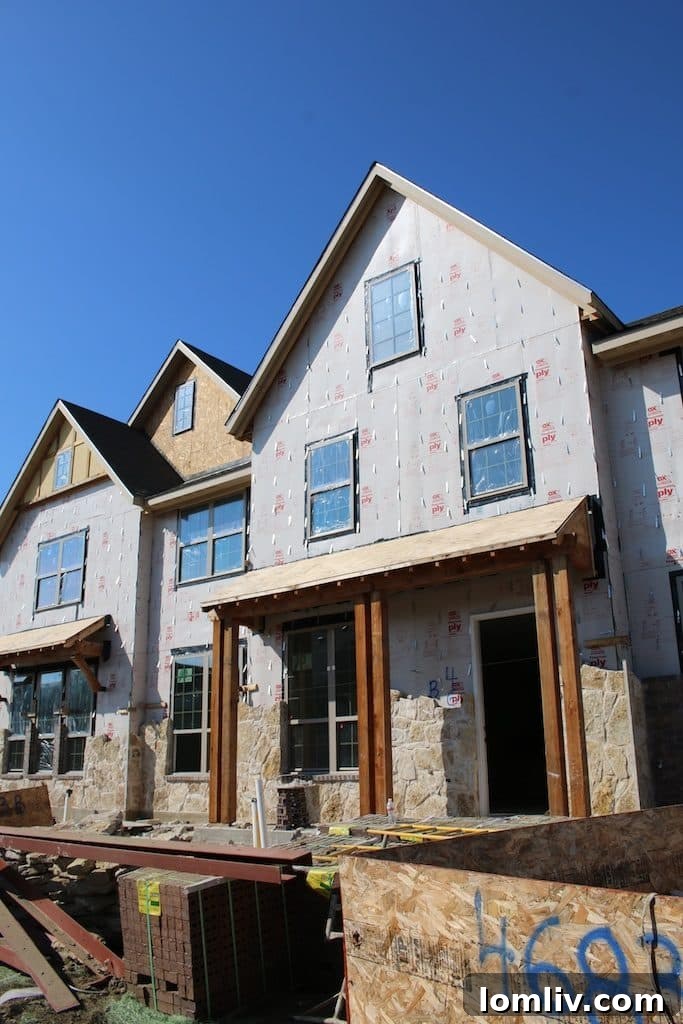
Navigating the New Home Building Timeline and Site Management
Understanding the intricacies of the construction timeline and how your home’s building process will be managed on-site is crucial for setting realistic expectations and ensuring a smooth journey. Builders vary widely in their operational scope and approach, and these differences can significantly impact the speed and quality of your home’s construction.
Builder’s Operational Scope and Site Supervision
Some builders specialize in a single community, dedicating all their resources to homes within that specific development. Others operate across a wider geographical area, with multiple projects simultaneously under construction throughout a large region, such as North Texas. It’s imperative to find out upfront: will there be a dedicated site supervisor solely responsible for your community, or will the supervisor manage homes scattered across various locations? A supervisor focused exclusively on your community can often provide more immediate attention to your home and faster resolution of any issues that arise. Inquire about the typical phases of construction – from permitting and foundation to framing, rough-ins (plumbing, electrical, HVAC), drywall, and final finishes. Ask for a general timeline for each stage and what factors might influence potential delays.
Understanding Surrounding Construction and Community Build-Out
Beyond your own home, you’ll also want to understand the broader construction landscape in your chosen community. Identify your specific lot and observe how much construction will be happening immediately around you. What is the expected build-out time for the entire area or community? Will you be living in a construction zone for years to come, or is the development nearing completion? This insight is vital for managing expectations regarding noise, dust, and traffic from ongoing construction. Inquire about the allowed working hours for construction crews. Will they be working on your home or surrounding properties during weekends or early mornings? There’s nothing quite like being abruptly awakened at 6 a.m. on a Saturday by the insistent whine of saws next door! Understanding these details beforehand can help you anticipate potential disturbances and discuss them with your builder.
Mitigating Delays and Ensuring Quality Control
Construction timelines are rarely rigid; delays can occur due to weather, material shortages, labor issues, or unexpected site conditions. Ask your builder about their communication protocol for delays and how they manage unforeseen circumstances. What measures do they have in place to ensure quality control at each stage? Will you have scheduled walk-throughs during construction (e.g., pre-drywall, final walk-through)? These are crucial opportunities for you to inspect the progress, ask questions, and address any concerns before they become more difficult to rectify later in the process. Proactive engagement and clear communication with your builder and site supervisor are key to keeping your project on track and ensuring the final product meets your expectations.
While all these considerations might initially seem overwhelming, addressing them now – before you sign a contract and construction commences – is infinitely preferable to encountering unexpected problems and frustrations down the line. Arming yourself with information empowers you to make confident decisions and assert your needs throughout the process.
To simplify your search for the perfect builder and embark on your new home journey with confidence, we invite you to explore our exclusive Hot Builders page. This isn’t just any list; it’s an invitation-only compilation of builders we have meticulously researched, thoroughly vetted, and deeply trust. We feature builders catering to virtually every price range and area, ensuring you find reputable professionals who are committed to quality and stand the test of time. These are the builders we recommend because they consistently deliver exceptional homes and outstanding customer experiences.
Stay tuned for our next installment in this series, where we will delve into the critical aspects you need to understand and clarify before putting your signature on a new home contract. We’ll also share valuable insights from our experiences – both positive and challenging – with local builders, equipping you with even more essential knowledge for your home-building adventure.