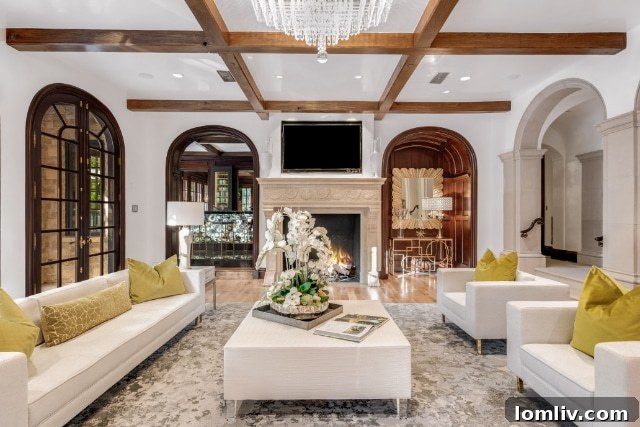
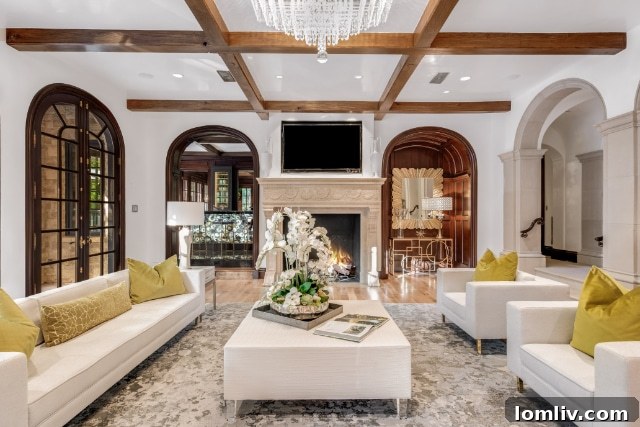
In the dynamic world of real estate, where market conditions can shift unexpectedly, the importance of professional home staging cannot be overstated. What was once considered a luxury service has evolved into an absolute necessity, especially for properties in the competitive high-end market. As real estate trends normalize, moving away from the frenzied seller’s market of recent years, a well-staged home stands out, captures buyer attention, and ultimately sells faster and for a better price.
The recent market shifts have highlighted a concerning complacency in property presentation. With global travel resuming and buyers having more options, homes must now compete vigorously for attention. This means every property, regardless of its price point, demands meticulous preparation. A fundamental starting point is a professional staging consultation, and for vacant homes, comprehensive staging is non-negotiable. Without it, properties risk languishing on the market, incurring significant price reductions and frustrated sellers.
Observing luxury home listings week after week, particularly those priced at $3 million and above, it becomes evident that many properties are failing to maximize their potential. They often lack the sophisticated presentation required to truly captivate discerning buyers. This oversight is a missed opportunity, leading to homes sitting on the market for hundreds of days and millions of dollars in price cuts. It’s a stark reminder that even the most opulent homes need strategic marketing to shine. The time has come for sellers and their agents to embrace reality and make the necessary investments to properly showcase these valuable assets.
Realtors play a pivotal role in educating their clients about these market realities. The goal is to move beyond mere transactions and focus on creating an irresistible product that speaks to potential buyers. This comprehensive guide, featuring insights from Dallas’s top luxury stagers, is designed to equip both sellers and real estate professionals with the knowledge and strategies needed to excel in today’s evolving market. By understanding and implementing these expert staging tips, you can transform a property from just a house into a captivating dream home, significantly enhancing its appeal and accelerating its sale.
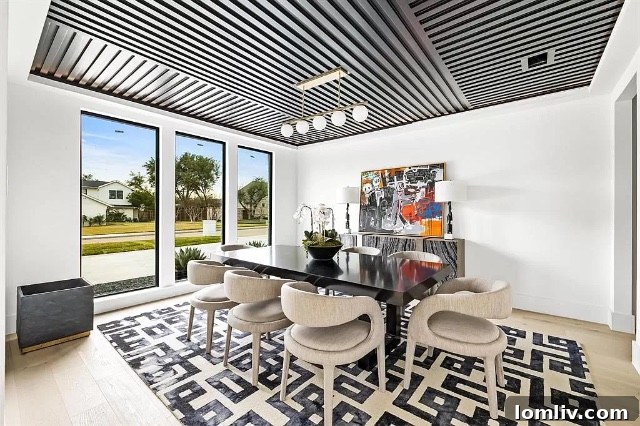
Why Every Property Demands a Staging Consultation
While market fluctuations, global events, and seller expectations can present challenges, none of these factors excuse poor property presentation or the absence of professional staging expertise. The visual appeal of a listing, both online and in person, is paramount. First impressions are indelible, and in today’s digital age, buyers often decide if a home is worth seeing in person within seconds of viewing online photos.
The single most impactful investment you can make when preparing a property for sale is a professional staging consultation. For a modest fee, you gain access to an experienced stager’s trained eye and objective perspective. They can identify overlooked issues, highlight a home’s best features, and develop a strategic plan to enhance its appeal. Often, this includes a detailed report that agents can share with clients, providing expert, unbiased advice that can be crucial in encouraging sellers to undertake necessary improvements. This professional guidance helps sellers understand that staging is not about decorating to their personal taste, but rather about strategically marketing their home to a broad audience, ensuring maximum return on investment.
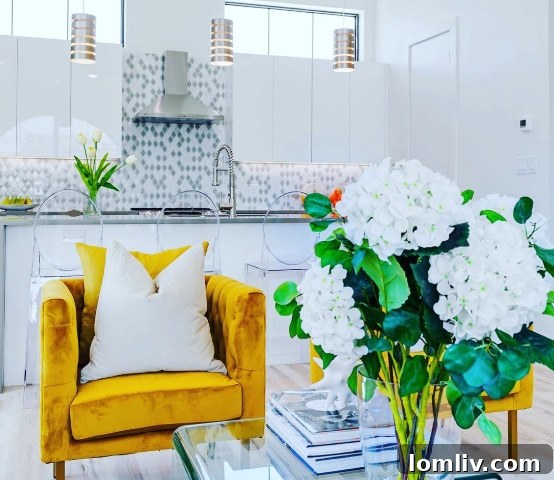
Staging Imperatives: Occupied vs. Vacant Homes
The necessity of staging extends to all properties. Occupied homes, no matter how beautifully decorated by an interior designer, invariably benefit from a professional staging intervention. The goal is to de-personalize and de-clutter, allowing potential buyers to envision themselves living in the space rather than feeling like guests in someone else’s home. Professional stagers bring an objective perspective that homeowners, understandably attached to their belongings and personal style, often lack.
For vacant homes, staging is an absolute requirement—no exceptions. A vacant house often feels cold, uninviting, and smaller than it actually is. Without furniture to provide scale and define spaces, buyers struggle to imagine how rooms can be utilized effectively. This can lead to perceptions of awkward layouts or limited functionality. Leaving a home vacant dramatically increases its time on the market and often results in significant price reductions, which ultimately leaves everyone—sellers and agents—unhappy. If a client resists staging a vacant property, it might be a sign that their expectations are misaligned with market realities, potentially making it a challenging listing. Real estate agents who understand and advocate for the critical role of vacant home staging are ultimately setting their clients up for success.
To provide actionable insights, we consulted with leading luxury stagers who consistently deliver exceptional results. Their invaluable advice, detailed below, can serve as a powerful tool in your listing presentations, helping you educate clients and set realistic expectations from the outset. Incorporating these expert recommendations will significantly enhance a home’s market appeal and prevent common pitfalls that lead to extended market times and reduced selling prices.
Donna Klein of Klein Design & Staging on Elevating Property Appeal
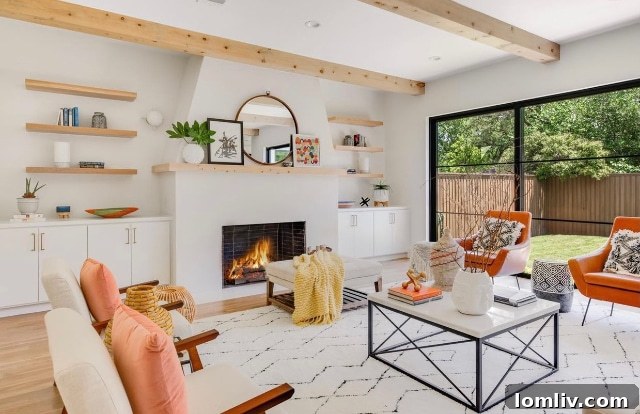
Strategic Staging for Vacant Homes
The primary objective when staging a vacant home is to create a compelling emotional connection with the broadest possible range of buyers. This engagement transforms a mere structure into a desirable lifestyle, prompting buyers to visualize themselves living there. Effective staging shortens the days a property spends on the market and is instrumental in generating multiple, higher offers.
- To achieve a striking impact, we typically recommend light-colored upholstery complemented by vibrant accessories and abstract art. This contrast captures attention and creates luxurious, inviting spaces that entice buyers to envision their future in the home.
- Implement symmetry and choose non-specific decor elements. This approach ensures that the styling appeals to a wide demographic, allowing every potential buyer to easily project their own lifestyle into the space without feeling constrained by someone else’s taste.
- Highlight each room’s unique features and intended functionality. By clearly demonstrating how every area can be used, stagers remove any ambiguity for buyers, making the home feel more practical and well-designed.
- Thoughtful space planning is crucial for maximizing square footage and ensuring a seamless flow throughout the home. This creates an open and airy feel, making even smaller spaces appear more generous and accessible.
- Maintain consistent lighting throughout the home, recommending a minimum of 2700 Kelvin soft white bulbs. Incorporate a couple of medium to large live plants to inject freshness and vitality. Layer the staging with just enough elements to create warmth and a sophisticated designer presentation, avoiding sparse or overly cluttered looks.
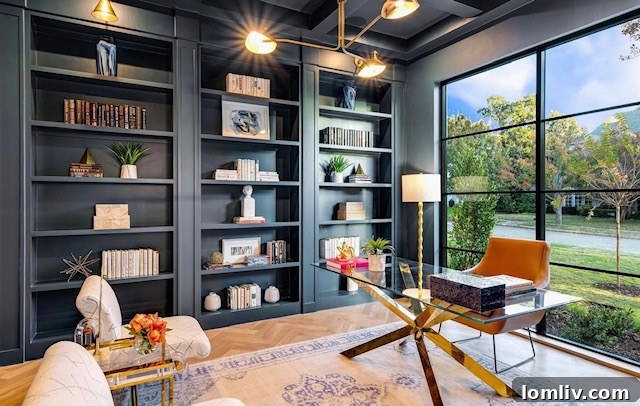
Optimizing Occupied Homes for Sale
For occupied homes, staging aims to emotionally engage the broadest pool of potential buyers within the crucial first five seconds of their physical or online viewing experience. This immediate connection is vital for generating interest.
- Create a fresh, neutral canvas by painting walls in contemporary neutral colors and meticulously removing any dark or dated wallpaper. This instantly modernizes the space and appeals to a wider audience.
- Replace heavy, obtrusive, or dated lighting fixtures. If other room lighting is sufficient, capping off ceiling boxes can declutter the visual space. Otherwise, update fixtures with inexpensive, modern options from large retailers or online apps. Consistent, soft, and brighter illumination, using a minimum of 2,700-3,000 Kelvin soft white bulbs throughout, is absolutely critical for a welcoming ambiance.
- Utilize decorative boxes and baskets with lids to discreetly manage everyday clutter. This helps maintain a tidy and fresh appearance for all home tours, suggesting excellent storage and organization.
- Cultivate symmetry in your home’s arrangement. This design principle provides a psychological sense of balance and peace, making the space feel harmonious and appealing to viewers.
- Opt for neutral bedding, towels, pillows, throws, and candles. These elements contribute to a serene and sophisticated atmosphere, allowing buyers to focus on the home’s features rather than the seller’s personal style.
- Introduce a few medium to large-scale live plants. These natural elements help create the perception of a luxurious, fresh, and meticulously maintained home, adding life and vibrancy to the space.
George Bass of George Bass Stage & Design: Unvarnished Truths in Staging
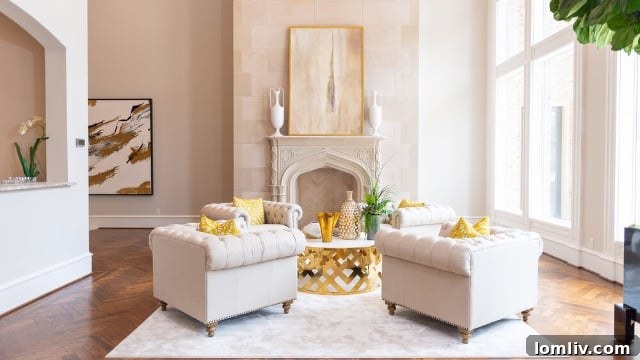
Each year, it seems there’s a segment of sellers who are not fully informed or willing to acknowledge the effort required to prepare their homes for sale. While intelligent, they may lack awareness of the specific actions needed within their own properties. Many homeowners don’t realize that once a home is on the market, whether vacant or occupied, it demands continuous maintenance, both inside and out. It must consistently look and smell impeccable, 24/7, to impress potential buyers.
Expert Insights for Vacant Homes
- Real estate agents must be upfront and honest with their clients. If a house requires significant attention to detail—such as new carpet, fresh paint, or minor repairs—sugarcoating the truth ultimately harms everyone involved. Sometimes, the stager takes on the role of the “bad guy,” pointing out challenging yet necessary items. It’s crucial to remember that staging is a marketing tool, distinct from personal interior design preferences.
- Time is of the essence in real estate, but realistic expectations are also vital. Staging is not an overnight process. Professional stagers operate on schedules and require advance booking, making adherence to timelines essential for a smooth and efficient sale process.
- Always recommend a staging consultation first. Suggesting staging only after a house has lingered on the market for weeks or months, and after price reductions have been initiated, will likely result in a disgruntled client who feels they’ve lost both time and money. Proactive staging saves both.
- Trust your stager’s expertise in selecting the appropriate furniture and decor for a property. The choices are not about the Realtor’s personal taste or the seller’s preferences; they are strategically made to appeal to the target buyer demographic. Stagers possess the knowledge to curate spaces that effectively attract and convert prospective purchasers.
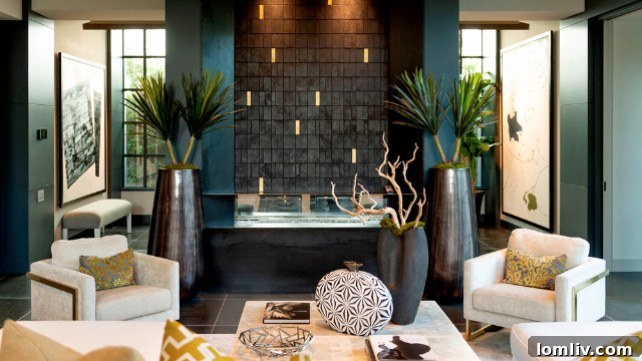
Transforming Occupied Homes for Sale
- Begin by removing highly personalized or dated items such as Oriental rugs, tapestries, heavy draperies, sheers, large brown furniture from the 1990s, religious artifacts, and extensive collectibles. The goal is to de-personalize the space, allowing buyers to imagine their own belongings within the home.
- If a spare bedroom is sparsely furnished in an attempt to make it look functional, it’s often more effective to clear it out completely. An empty, clean room offers more possibilities than one with a few random, uncoordinated items.
- When embarking on the decluttering process, create three distinct piles: items for storage, items for donation, and items that need to be discarded. This systematic approach ensures that only essential and appealing items remain in the home.
- Remove all family photos. Buyers need to envision themselves and their families in the home, not yours. Additionally, removing photos prevents the need for buyers to consider repairing numerous nail holes.
- Eliminate all evidence of pets, including litter boxes. Crucially, ensure there is no animal hair on furniture and that the house is completely free of any animal odors. Pet odors can be a significant turn-off for potential buyers.
Julie Guidry of J Guidry Design: Maximizing Buyer Appeal
Refining Vacant Home Staging
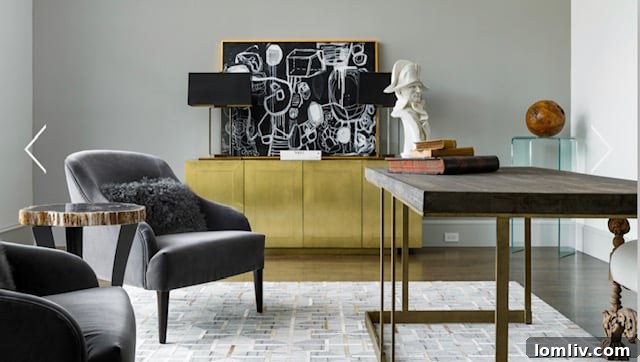
- The furniture selected for staging must meticulously align with the price point and architectural style of the home. You have only moments to impress a buyer, and generic, uninspired decor will not create the desired emotional impact. “Hearts aren’t moved by beige” alone; strategic and stylish choices are key.
- Sellers must have realistic budgets for staging. It is simply not feasible to effectively stage a multi-million dollar property for a mere $5,000. Under-budgeting compromises the quality and impact of the staging, ultimately hindering the home’s market performance.
- The market sees new stagers emerging daily, many lacking formal design training or extensive experience. For high-value properties, it is imperative to engage a stager with a proven track record and substantial experience in luxury real estate staging. Their expertise ensures a professional and impactful presentation.
- Do not expect a stager to entirely overcome an outdated home’s inherent flaws. Staging provides a vision and enhances appeal, but it cannot substitute for necessary updates or renovations. Expecting a stager to mask heavily-textured walls, dirty shag carpet, or ceiling murals in a multi-million dollar property is unrealistic. Sellers must be prepared to undertake essential updates to maximize their home’s market potential.
Optimizing Occupied Home Presentation
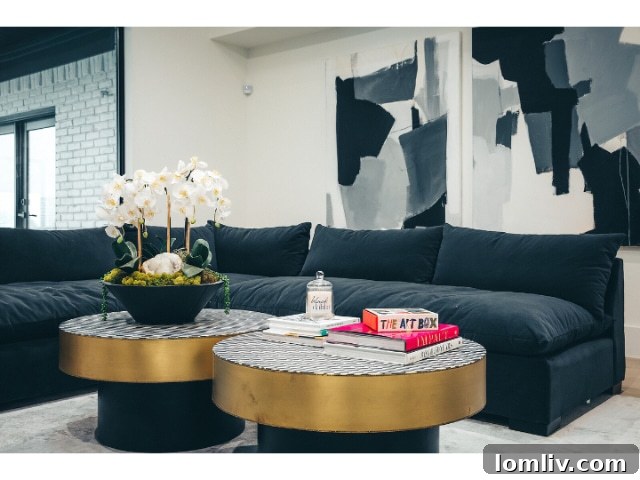
- Before listing, consult with an experienced stager to objectively assess the home’s current condition and contents. They can advise on what needs to be changed, removed, or updated to achieve optimal buyer appeal. This pre-listing consultation is a critical step in setting the property up for success.
- Effectively hide all clutter. Visible clutter not only distracts buyers but also signals a lack of adequate storage, which can be a significant drawback. Organized, minimalist spaces convey spaciousness and functionality.
- Beware of low-priced staging services, as not all staging is created equal. A poorly staged home will elicit a “meh” response from most buyers, failing to generate excitement or urgency. The goal is to create an irresistible impression that makes buyers eager to submit an offer the moment they step through the door – that’s how homes are truly sold quickly and at optimal prices.
Elizabeth Schramme of Staged Collective: Strategic Styling for Impact
Elevating Occupied Home Appeal
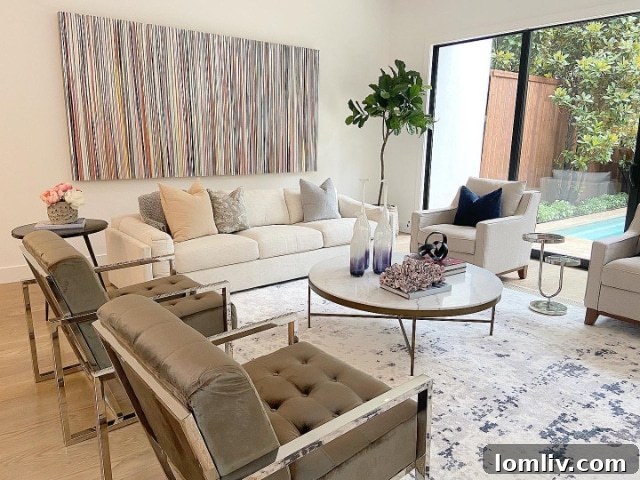
- The emotional attachment to expensive items can be strong, but just because you invested a lot of money in something does not mean it is still in style or appropriate for showcasing your home. Objective removal of dated or overly personal pieces is often more beneficial.
- Frequently, the most impactful staging strategy involves removing items from the house rather than bringing in more. De-cluttering and simplifying creates a sense of spaciousness and allows architectural features to shine.
- White bedding consistently offers the cleanest, most luxurious, and widely appealing aesthetic. It conveys freshness and cleanliness, essential elements for attracting buyers.
- Investing in professional landscaping for the front exterior is a must, even during winter months. Curb appeal is the first impression, and a well-maintained exterior dramatically increases a home’s perceived value.
- While a part of local culture in many areas, specific decorative items such as deer mounts should be removed. They are highly personal and can alienate buyers who do not share the same aesthetic or interests.
- Strategically pulling furniture, such as a sofa, slightly away from a wall can create a more open feel and make the room appear significantly larger and more inviting.
- Red, in all its various shades, should generally be avoided in furnishings, especially for photography. Its intensity can be overpowering and distract from the home’s features, making rooms feel smaller and less serene.
- Incorporating fresh florals in photographs adds a touch of elegance and life without incurring significant cost. They provide a pop of natural beauty and suggest a well-cared-for home.
Enhancing Vacant Home Presentation
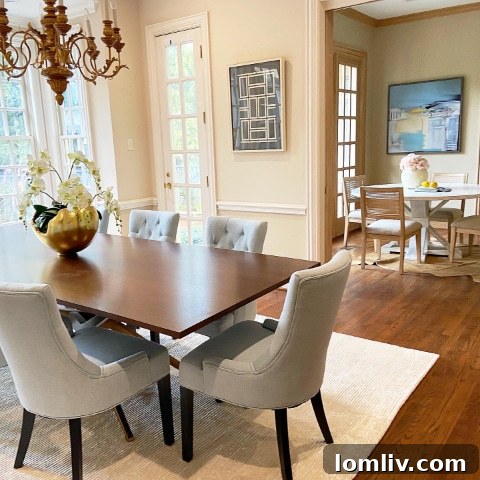
- Even in a competitive seller’s market, staging a vacant home often makes the crucial difference between receiving multiple offers versus a single bid. It helps buyers connect with the space emotionally and visually.
- Staging vacant homes strategically makes them appear larger and more inviting. By defining areas and providing scale, furniture helps buyers understand the true dimensions and potential of each room.
- Using rugs to delineate spaces, particularly in open-plan living areas, significantly aids potential buyers in visualizing how to furnish and utilize each zone effectively, eliminating confusion and maximizing appeal.
- Art plays a profoundly important role in staging. Utilizing large-scale original pieces can make homes feel more tailored, sophisticated, and complete, adding personality and focal points without being overly personal.
- Neutral furnishings, accented with thoughtful pops of color in pillows, art, and accessories, will appeal to the largest possible buyer group. This versatile approach is applicable across a wide range of home styles, ensuring broad market appeal.
Lisa Stapp of Staged by Stapp: The Essentials of Effective Staging
Key Strategies for Occupied Homes
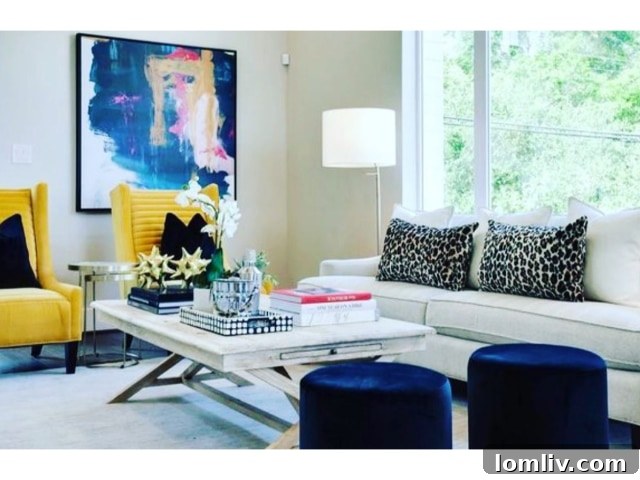
- Thoroughly clear out all personal items. Buyers are not interested in purchasing your wedding photos, children’s artwork, or family heirlooms. They need to imagine their own lives unfolding in the space, free from personal distractions.
- Embrace simplicity. Make the home easy to navigate and understand by eliminating unnecessary or oversized furniture pieces, such as extra consoles or excessively large sofas. Not every space needs to be filled; sometimes, less is truly more, creating an impression of greater space and calm.
- Maintain impeccable cleanliness. Anything visibly dirty or neglected will give buyers the immediate impression that there could be many more hidden dirty or unmaintained areas throughout the home. A spotless presentation is crucial for instilling confidence in potential buyers.
Making Vacant Homes Irresistible
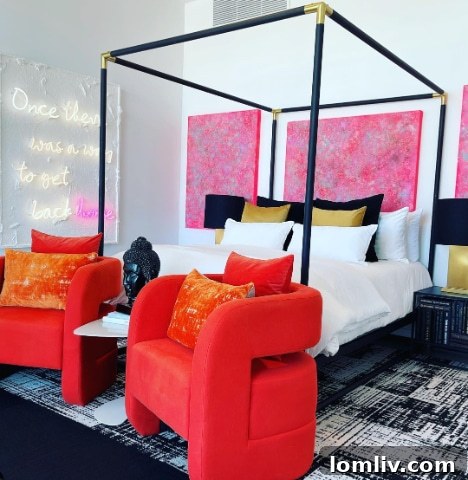
- Utilize strategically placed statement pieces to grab attention and differentiate your home from others on the market. You don’t need to overfill spaces; a few impactful items can create a powerful impression.
- Incorporate judicious amounts of color. While neutrals form a great base, pops of color, through art, accessories, or select furniture, can add vibrancy and personality without overwhelming the space.
- Employ graphics subtly to add modern appeal and visual interest. This could be through abstract art, patterned rugs, or unique accent pieces that elevate the home’s contemporary aesthetic.
- The staging must harmoniously complement the home’s architectural style and existing features, not clash with them. For example, avoid placing mid-century modern items in a traditionally styled home; consistency is key to a cohesive and appealing look.
- Recognize that not all staging services offer the same level of quality. A lower staging price often reflects a compromise in the caliber of furniture, decor, and expertise. Investing in professional, high-quality staging yields better returns.
- Always include live plants. Living greenery brings natural energy, freshness, and vitality into a space, making it feel more welcoming, vibrant, and attractive to potential buyers.
Additional Staging Wisdom: Final Considerations
Fine-Tuning Occupied Homes
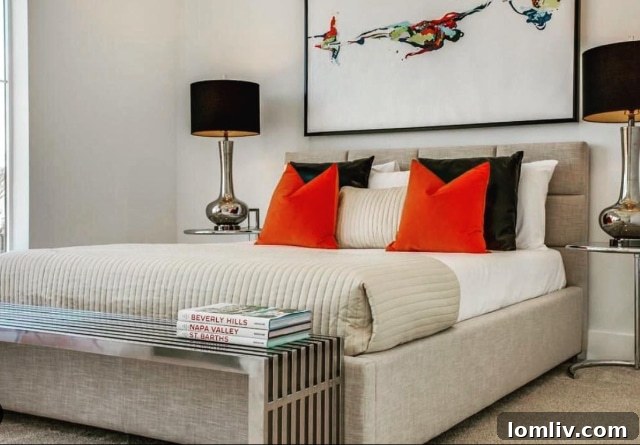
- Personalization, such as children’s names painted or decaled on bedroom walls, must be removed. This allows buyers to more easily envision their own family’s life in the home.
- Round rugs, while sometimes used for design, generally have no place in a home that is being staged for sale. They can disrupt flow and make spaces feel disjointed.
- Banish all collections of items, no matter how cherished. Displayed collections can overwhelm a space, making it feel cluttered and catering to a very specific taste, which can deter broad buyer appeal.
- Recliners, while comfortable for personal use, should be stored away. Their bulky appearance often detracts from a room’s aesthetic and modern appeal, making spaces feel cramped.
- Avoid placing rugs over wall-to-wall carpeting. This practice is visually confusing and can make a room feel smaller and less polished, creating an unnecessary layer of decor.
- Patterns like stripes, chintz, and paisley often scream “1980s” or “dated.” Opt for more contemporary, neutral patterns or solid fabrics to appeal to current tastes.
- Get rid of all dried flower arrangements. They tend to look dusty, fragile, and old, conveying a sense of neglect rather than freshness. Fresh flowers or quality faux botanicals are a far better choice.
- Exercise bikes or other gym equipment in any room other than a designated home gym instantly signal that the home lacks a proper workout space. This creates an immediate objection for fitness-minded buyers; store them out of sight.
The Ultimate Rule for Vacant Home Staging
For vacant homes, the advice is straightforward and unequivocal: hire an experienced, professional stager and trust their expertise implicitly. They possess the vision and resources to transform an empty space into a captivating dream home, ensuring it stands out in the market and achieves its maximum selling potential.