Discovering Authentic Home Building & Renovation Shows Beyond US Borders
For enthusiasts of home design, architecture, and renovation, the endless scroll through streaming services or traditional television channels often leads to a familiar landscape. While popular programs on HGTV and DIY Network offer a steady stream of content, their narrative arcs and project scopes can feel remarkably repetitive. Whether it’s the thrill of house flipping during a booming market, the quest for a second home, or the rapid-fire, get-rich-quick real estate sagas, the themes cycle predictably. Conversely, when the market tightens, the focus shifts to budget-conscious renovations, superficial decorating tips, and strategies for ‘blanding’ your home for a swift sale, all while patiently awaiting an economic resurgence.
Throughout these cycles, staple shows like “House Hunters” continue to present couples with often questionable relationship dynamics navigating home purchases, while “House Hunters International” regularly features Americans lamenting the minuscule refrigerators found in foreign kitchens. It’s an undeniable truth that many of these programs lean heavily on manufactured drama. “House Hunters,” for instance, has been widely reported to feature homes already purchased by the participants, turning the ‘decision’ into a guessing game for viewers. Renovation shows, too, frequently stage “catastrophes” – dramatically revealed just before a commercial break – that any competent home inspector would have identified much earlier. And then there are the budget discussions, which often defy belief:
Agent: “What’s your budget for your studio condo in Des Moines?”
Buyer: “$1 million.”
Agent: “Welllll, that’s a tight budget, it’s going to be very difficult. You may have to compromise.”
This pervasive repetition and artificiality can make watching these shows feel more like a chore than a pleasure, often reducible to a predictable 21 or 43-minute package (after subtracting commercials). While I still engage with HGTV for informational tidbits, I actively minimize the theatrical elements, primarily through the strategic use of a DVR and liberal fast-forwarding, extending beyond just the commercial breaks.
Fortunately, for those seeking more depth, authenticity, and architectural diversity, a treasure trove of home building and renovation programs awaits from the UK and Australia. Thanks to platforms like YouTube, these captivating series, including classics like “Grand Designs,” “Restoration Home,” “Restoration Man,” “Double Your House for Half the Money,” “My Dream Derelict Home,” and “The House that £100K Built” are readily accessible, offering a refreshing alternative to the domestic fare. These international productions delve into projects that are often grander in ambition, richer in history, and more innovative in design, providing genuine insight into the complexities and triumphs of creating unique living spaces.
The Distinct Appeal of International Property Programs
Beyond geographical boundaries, these “otherworldly” programs distinguish themselves from their American counterparts in several key ways, primarily through their deep engagement with history and their long-form storytelling. The UK, in particular, boasts a wealth of centuries-old structures, from medieval abbeys to Victorian industrial buildings, offering a rich canvas for restoration and conversion projects. Many of these shows concentrate on breathing new life into these ancient edifices, a task that demands extraordinary skill, dedication, and often, an archaeological approach.
For viewers accustomed to modern builds, the intricate building techniques, ornate craftsmanship, and specialized materials required for these restorations are utterly fascinating. Replicating a specific historical period or adapting an ancient structure for contemporary living often presents unique challenges, pushing the boundaries of traditional construction. These programs frequently enhance the experience by incorporating historical experts who trace the ownership and evolution of these properties, explaining how a home has journeyed through time. This contextual understanding adds a profound layer of interest, transforming a simple renovation into a historical narrative.
The second major difference lies in their commitment to showcasing new homes built from the ground up. While rare in American programming due to shorter production cycles and network commitments, foreign shows embrace the multi-year journey of a build. They visit projects at various stages of development over two to three years, culminating in a comprehensive, hour-long episode (often commercial-free on channels like BBC) that captures the entire transformation. This patient, detailed approach provides a much deeper understanding of the planning, challenges, and ultimate realization of a truly custom home, a stark contrast to the condensed, fast-paced narratives prevalent in the US.
These international series offer not just entertainment but a rich educational experience, exploring architectural innovation, historical preservation, and the sheer tenacity of individuals daring to create extraordinary homes. Below are some of my personal favorites. If you have others, please share them in the comments!
Grand Designs: The Ultimate Self-Build Saga
With an impressive run of 145 episodes over 16 years, Grand Designs stands as the longest-running and arguably most influential home building show of its kind. Hosted since its inception by the charismatic Kevin McCloud, the program meticulously chronicles the journeys of homeowners and builders as they embark on ambitious projects, often spanning several years. These are not weekend DIY endeavors but monumental undertakings that redefine the concept of a “dream home.”
The show’s diverse portfolio includes homes built underground, high-tech German kit houses, environmentally conscious rammed-earth constructions, rustic barn conversions, and even eco-homes crafted from straw bales. Budgets for these projects are as varied as their designs, ranging from tens of thousands to many millions of pounds. McCloud’s insightful commentary, often spiced with a healthy dose of skepticism that eventually yields to admiration, guides viewers through the emotional and logistical rollercoasters faced by the intrepid builders.
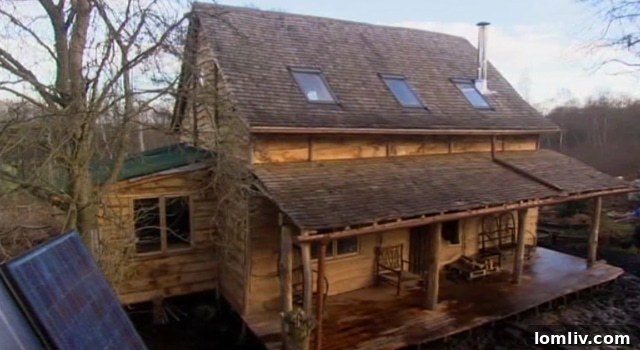
Memorable episodes include the tale of a dedicated woodsman who, with the help of volunteers, constructed a simple yet elegant home entirely from forest materials, embodying a profound connection to nature. Another gripping installment followed a family whose ambitious build of an enormous house was tragically halted by the recession, leaving them on the brink of bankruptcy when their mortgage was suddenly cut off. In a heartwarming turn of events, a viewer, deeply moved by their story, extended a loan after the episode aired, enabling them to complete the home, which they subsequently transformed into a bed and breakfast to generate income.
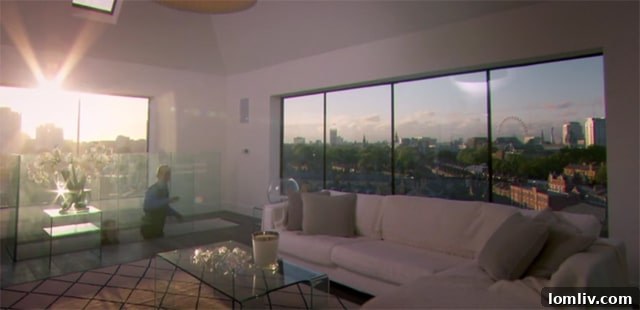
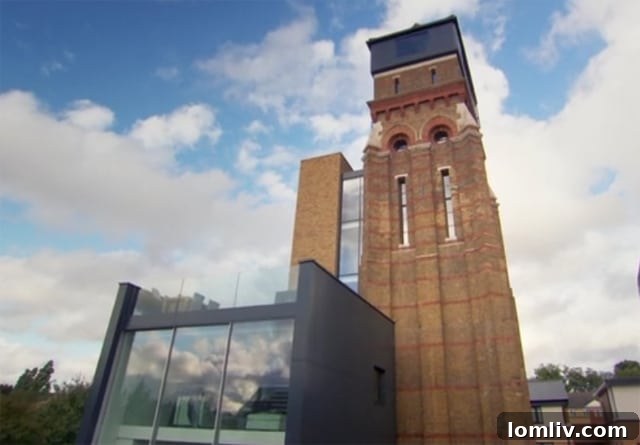
Perhaps one of the most iconic projects featured a gay couple who masterfully converted a towering Victorian water tower into a spectacular modern residence. The crown jewel of this conversion was a vast living room ingeniously built within the former water tank at the top, offering breathtaking 360-degree panoramic views of London. This project perfectly encapsulates the show’s spirit of transforming unconventional structures into architectural marvels.
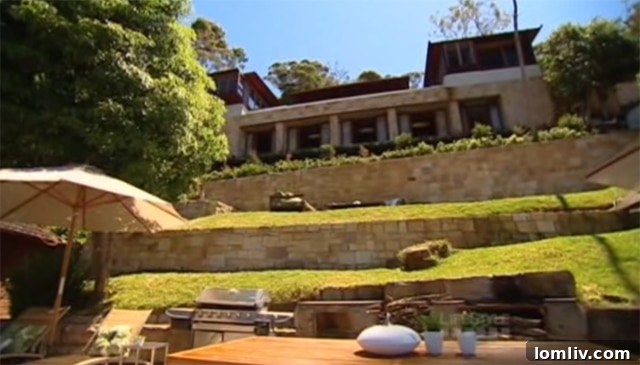
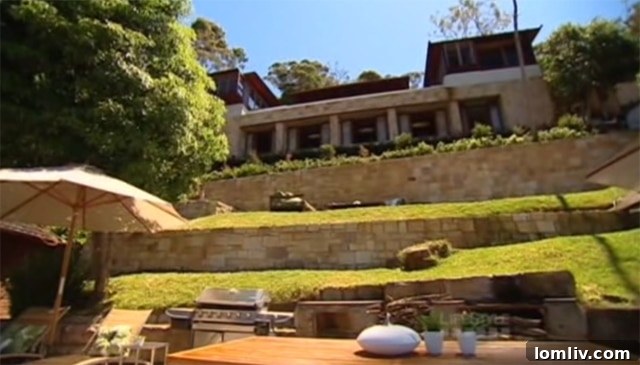
The success of Grand Designs has naturally led to a thriving ecosystem of spin-offs, including interiors-focused “Grand Designs Indoors,” geographically expansive “Grand Designs Abroad,” and a highly popular Australian version, which has produced five compelling series showcasing very modern structures in stunning, often unique, natural settings. Even New Zealand is poised to launch its own series, further cementing the franchise’s global appeal. While these shows, like any television production, maintain a certain formula – often featuring McCloud’s initial skepticism that eventually gives way to awe – their ability to present authentic, long-term building processes with genuine human stories makes them immensely engaging and far more rewarding than typical property programs.
Restoration Home: Unearthing History in Dilapidated Dwellings
For those captivated by the echoes of the past, “Restoration Home” offers an enthralling journey into the renovation of exceptionally old and often severely dilapidated properties, each steeped in fascinating history. Across its 20 programs and three seasons (and still counting), the show expertly blends architectural restoration with historical investigation. Hosted by the engaging Caroline Quentin, the series brings in an architectural expert to guide the physical transformation and a historian to uncover the rich, often surprising, stories of the buildings and their former occupants.
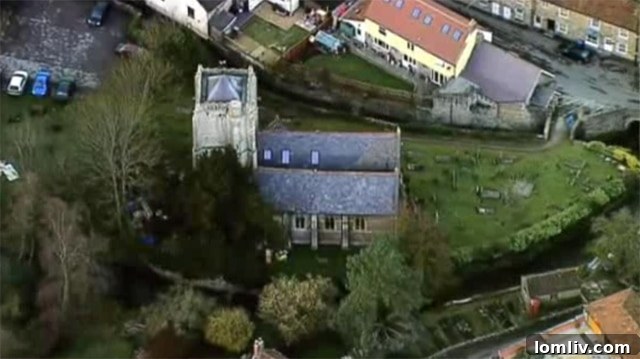
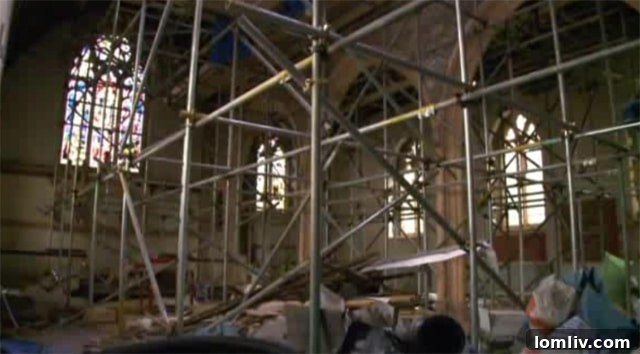
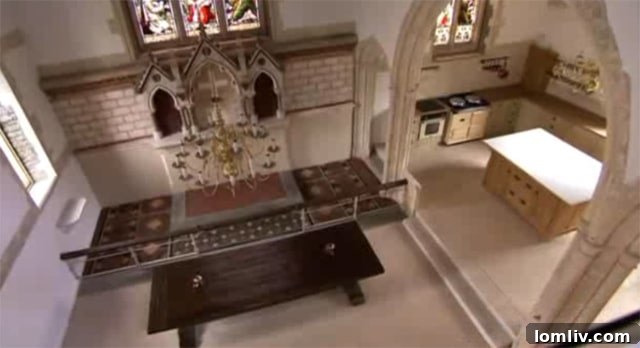
One of the most memorable episodes featured the meticulous restoration of the St Thomas à Becket Church, a remarkable 14th-century edifice situated on a small island amidst a river. Plagued by historical flooding, partially rebuilt in 1868, and eventually deconsecrated centuries later, this wreck was purchased in 2008 by a newlywed couple in their twenties. Against all odds, and with a shoestring budget of £300,000 (a true feat considering the scale), the husband quit his job to personally undertake nearly all the restoration work, supported solely by his wife’s salary. Their dedication transformed a crumbling ruin into a stunning, unique home, a testament to passion and perseverance.
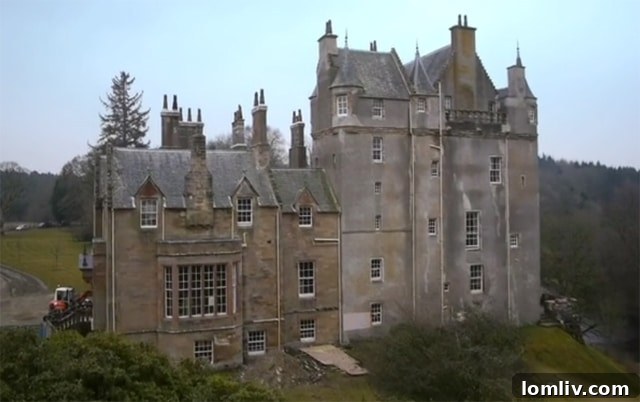
At the other end of the financial spectrum, another episode spotlighted a woman who acquired Cassillis House, a colossal 14th-century, 110-room Scottish property with profound links to royalty, for £3 million. Over four arduous years, she poured millions into its restoration, simultaneously uncovering its connections to Mary, Queen of Scots, and the intriguing detail that the fourth Earl of Cassillis was implicated in the murder of Mary’s husband, Lord Darnley. Despite the immense investment and successful restoration, she ultimately sold the grand estate before ever moving in, highlighting the complex motivations behind such projects.
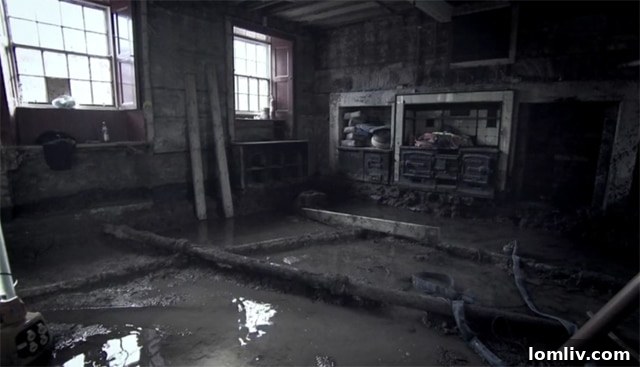
The condition of the kitchen in Cassillis House, like many areas, eloquently told the story of the building’s centuries of neglect.
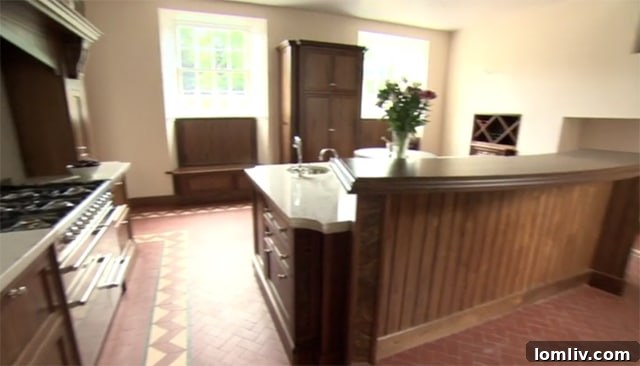
While the original kitchen floor design was meticulously matched, almost everything else required a complete overhaul and rebuild, transforming a derelict space into a functional and beautiful modern kitchen while preserving its historical essence.
Restoration Man: Adaptive Reuse and Radical Transformations
Echoing the historical focus of “Restoration Home,” George Clarke’s “Restoration Man” delves into the fascinating world of crumbling historic buildings and their storied pasts. However, this show distinctively leans towards the ingenious repurposing of old, non-residential structures into contemporary homes. Clarke’s program highlights the creative vision and immense challenges involved in transforming derelict landmarks into unique living spaces, celebrating adaptive reuse at its finest.
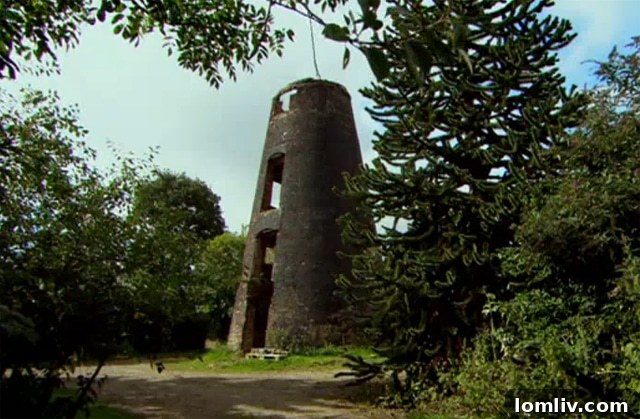
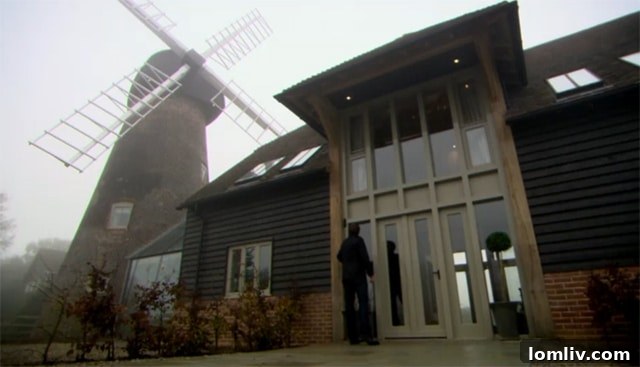
The series features an astonishing array of projects, including the transformation of imposing water towers, a majestic windmill, a formidable WWII Air Force bunker, a cavernous ice house, and even a sprawling water pumping station. While Clarke’s somewhat idiosyncratic demeanor and sing-song voice might occasionally draw comments, the projects themselves are consistently awe-inspiring, showcasing incredible ingenuity and architectural ambition. A particularly charming touch of the show is that the owners receive a beautifully compiled book detailing the rich history of their newly converted structure, connecting them deeply to its past life.
Double Your House for Half the Money: Smart Extensions and Design
In “Double Your House for Half the Money,” hostess Sarah Beeny guides viewers through the strategic decision-making process of homeowners who choose to build substantial additions to their existing properties rather than relocating to a larger, more expensive house. The premise subtly encourages a mindset of maximizing potential within one’s current footprint, often presenting a cost-effective alternative to buying into a higher price bracket. While there may be a touch of hyperbole in some of the comparisons, particularly when showcasing projects in affluent areas, the core message of intelligent expansion remains compelling.
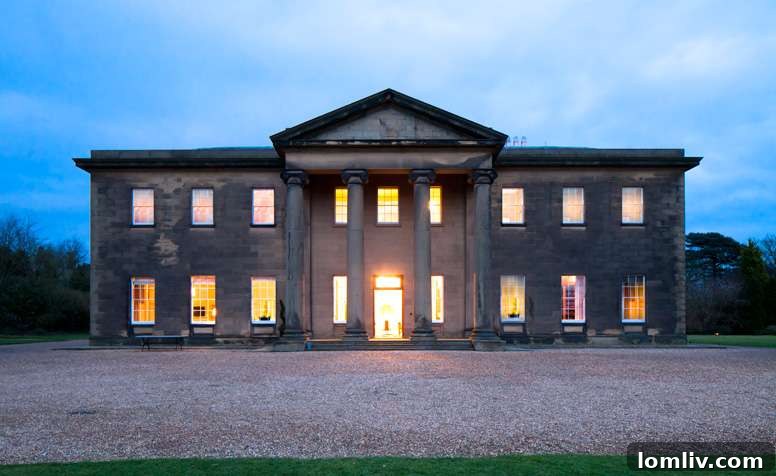
With Beeny, a seasoned professional developer, offering invaluable design insights and practical advice, participants not only achieve the increased space they desire but often benefit from sophisticated design solutions that profoundly enhance their homes. These thoughtful extensions frequently transform dated or cramped residences into modern, spacious, and highly functional living environments. Unfortunately, a deeply personal and equally compelling series, “Beeny’s Restoration Nightmare,” which documented Beeny’s own shoestring restoration of her vast 28-bedroom, 19th-century manor house known as Rise Hall, is not readily available on YouTube. This series would undoubtedly offer a captivating look at the extreme end of personal restoration projects.
My Dream Derelict Home: Confronting the Crumbling Past
“My Dream Derelict Home” is another compelling series that shines a spotlight on properties teetering on the brink of collapse, often with centuries of history embedded in their decaying walls. This 12-episode series immerses viewers in the profound challenges and immense difficulties inherent in restoring homes that are not merely old but truly derelict. These properties frequently lack basic amenities like electricity or plumbing, and are almost universally plagued by leaking roofs, crumbling plasterwork, and severely decomposing stonework. The show highlights the extraordinary dedication and often romantic vision of individuals willing to undertake such daunting projects, driven by a desire to preserve history and create a unique living space. While not currently streaming on YouTube, the ever-evolving nature of online content means it might surface there at some point, offering another captivating glimpse into extreme restoration.
The House that £100K Built: Building Dreams on a Budget
Last but certainly not least, “The House that £100K Built” is a refreshing departure from the grand, high-budget projects often seen in other renovation shows. This unique program (spanning two seasons and continuing) focuses on ordinary people with an extraordinarily tight budget – less than £100,000 – to build their dream homes from scratch. Hosts Kieran Long and Piers Taylor offer invaluable guidance to these self-builders, helping them inject creativity and pizazz into their humble designs despite severe financial constraints.
The show candidly portrays the struggles and triumphs of building on a shoestring, often revealing innovative solutions and the sheer resourcefulness of the homeowners. Sometimes the subjects eagerly embrace the expert advice, leading to clever and stylish outcomes; other times, they forge their own path, with mixed results. While some critics have suggested the show lacks the overt glamour of other build programs and is overly focused on budget – a critique that ironically makes it incredibly relatable to most viewers – it offers practical insights into making every penny count. While some of the outcomes might appear a little gaudy (like one Middle Eastern couple’s home which attempts ‘bling on a string’), others demonstrate remarkable ingenuity, such as a kit house that the couple managed to brilliantly customize for surprisingly little money, proving that great design doesn’t always require a vast budget.
Embracing the Authenticity of Global Home Design
While these international property programs undeniably retain certain elements of television formula – an inevitable gasp or a collective hug often materializes around the 17-minute mark – their core appeal lies in the vastly different housing stock and project scopes they present compared to typical American shows. We rarely see programs dedicated to restoring centuries-old wrecks or embarking on multi-year, ground-up self-builds in the US, making these foreign productions particularly fascinating. The ability to witness a complete conversion or construction, sometimes spanning several years, artfully summarized into a cohesive hour-long episode, offers a depth of understanding that is both engaging and never tedious. Furthermore, viewers quickly grasp a universal truth across all these projects: nearly everyone, regardless of initial meticulous planning, goes over budget – a lesson that offers valuable foresight for anyone contemplating their own renovation or build.
These shows are more than just entertainment; they are a window into diverse architectural traditions, innovative building techniques, and the enduring human spirit of creation. By exploring these global offerings, we gain a broader appreciation for the art and science of home building, discovering genuine inspiration and a welcome antidote to the manufactured dramas of conventional property television.
Remember: Do you have an HOA story to tell? A little high-rise history? Realtors, want to feature a listing in need of renovation or one that’s complete with flying colors? How about hosting a Candy’s Dirt Staff Meeting? Shoot Jon an email. Marriage proposals accepted (they’re legal)! [email protected]