
Embarking on a home improvement project is an exciting journey, transforming living spaces and often adding significant value to your property. However, after the last coat of paint dries and the final fixture is installed, many homeowners overlook or rush one crucial step: post-renovation cleaning. It’s easy to be captivated by the stunning new floors, gleaming countertops, or the fresh color on the walls, allowing the lingering mess to fade into the background. Yet, skipping this vital final phase can undermine all the hard work and investment, turning what should be a pristine new environment into one that feels dusty, stuffy, and even unhealthy.
Ignoring the thorough cleanup after a home renovation means more than just a visible layer of dust. Microscopic particles of drywall, wood, paint, and other construction debris can infiltrate every nook and cranny. These unseen contaminants can quickly lead to health issues, exacerbating allergies, respiratory problems, and general discomfort for occupants. A truly successful home transformation isn’t complete until the space is not only beautiful but also meticulously clean, sanitized, and safe. Every homeowner eventually discovers that a comprehensive post-renovation cleanup isn’t merely an option; it’s an absolute necessity, demanding a systematic, top-to-bottom approach to unveil the true beauty and freshness of their newly improved home.

Tackling the Persistent and Hidden Mess of Post-Construction Dust
Even if your contractor assures you their crew performed a basic cleanup, post-renovation dust has a notorious way of spreading far beyond the immediate construction zone. The incredibly fine particles generated during cutting, sanding, and demolition can become airborne and settle almost everywhere. This pervasive construction dust, distinct from everyday household dust, can sneak into air vents, cling tenaciously to walls, and hide deep inside drawers, cabinets, and countless corners you might never consider. Before you even think about pulling out your vacuum or mop, the critical first step in an effective post-construction cleaning strategy is to identify and target these often-overlooked, dust-prone spots.
Understanding where construction dust congregates will save you considerable time and effort. This isn’t just about visible grime; it’s about the microscopic film that covers surfaces, waiting to be disturbed. Equipping yourself with the right tools, such as high-quality microfiber cloths, extendable dusters, and a powerful vacuum cleaner with HEPA filtration, will make a significant difference. Remember, the goal is to trap and remove dust, not just redistribute it. Always start by gathering your cleaning supplies and wearing appropriate protective gear, including gloves and a mask, to protect yourself from inhaling fine particulates.
Commonly Missed Areas That Harbor Renovation Dust:
- Light Fixtures and Ceiling Fans: These elevated surfaces are prime collectors of airborne dust. Dust accumulates on fan blades, light shades, and recessed lighting fixtures, often going unnoticed. Always ensure power is off before cleaning any light fixture. Use a dry microfiber cloth or an extendable duster to carefully wipe them down, working from the outside in.
- Window Frames, Sills, and Tracks: Fine plaster, drywall, and wood dust have a particular affinity for these areas. The rough surfaces and crevices of window frames and tracks can trap a surprising amount of debris. Begin by vacuuming loose dust with a brush attachment, then wipe thoroughly with a damp cloth, followed by a dry one to prevent streaks and residue.
- Cabinet Interiors and Shelves: Even if cabinets were closed during renovation, ultrafine airborne particles can find their way inside. Before restocking, empty all shelves and drawers, vacuum them thoroughly, and then wipe them down with a damp cloth. Pay special attention to corners and shelf liners.
- Behind Large Furniture or Appliances: During renovations, furniture and appliances are often pushed aside or covered, but dust can still settle behind and underneath them. Temporarily move these items, if possible, to vacuum and wipe the hidden floor and wall spaces. This prevents dust from being recirculated later.
- Air Vents and Grilles: These are direct pathways for dust to enter your HVAC system and circulate throughout your home. Use a vacuum brush attachment to thoroughly clean the grilles, and consider removing them for a deeper clean if feasible. Replace HVAC filters immediately after construction is complete.
- Baseboards, Trim, and Door Frames: These low-level, horizontal surfaces are notorious dust traps. They often get overlooked in the immediate aftermath of a renovation but are crucial for a truly clean finish. Use a vacuum attachment and then wipe with a damp cloth.
To avoid inadvertently spreading dust from one area to another and to ensure maximum efficiency, adopt a room-by-room approach. Complete all cleaning tasks within a single room before moving on to the next. This methodical strategy minimizes repeat work and ensures no area is overlooked, saving you considerable time and effort in the long run while achieving a superior home improvement outcome.
Mastering the Art of Post-Renovation Cleaning: The Top-to-Bottom Method
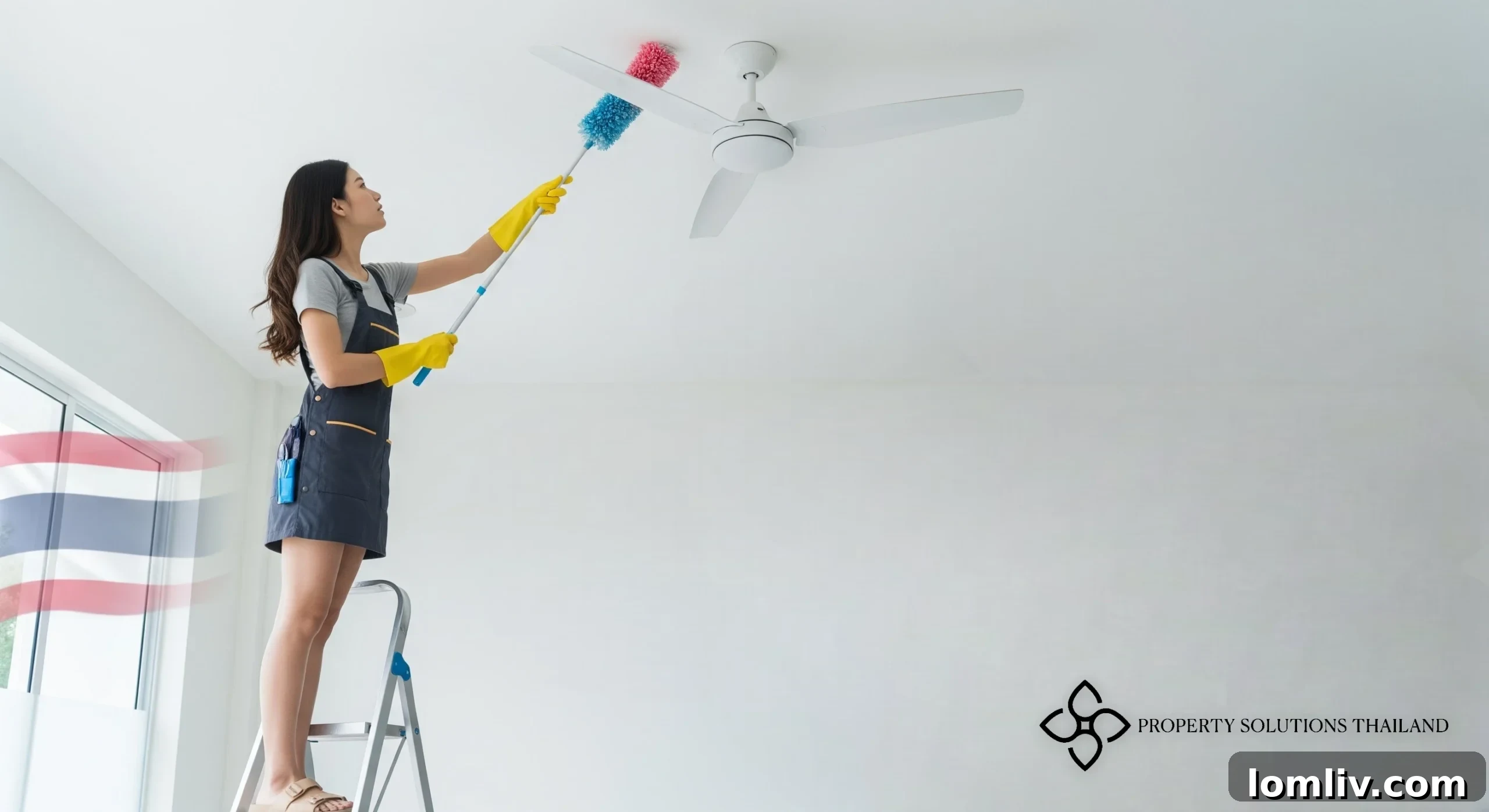
The golden rule for any comprehensive renovation cleanup, particularly when dealing with persistent construction dust, is to clean from high to low. This fundamental principle ensures that any dust, debris, or residue dislodged from higher surfaces falls onto areas you haven’t yet cleaned, preventing you from having to re-clean lower surfaces. Adhering to this method makes your post-construction cleanup significantly more efficient and thorough.
- Ceilings, Beams, and Moldings: Begin at the very top. Use a dry microfiber mop or an extendable duster with a clean microfiber cloth to meticulously wipe down ceilings, exposed beams, crown moldings, and the tops of door and window frames. This initial pass captures the heaviest layers of settled dust.
- Walls and Wall Decor: After addressing the ceiling, move to the walls. Gently wash painted walls with a damp sponge or microfiber cloth using a mild, diluted all-purpose cleaner to remove the remaining fine construction residue and smudges. For wallpapered walls, use a dry duster or a barely damp cloth. Don’t forget to carefully dust any wall-mounted art or decor.
- Light Fixtures, Ceiling Fans, and Windows: Revisit these areas after the initial dusting of ceilings. Remove any accumulated dust and wipe down the surfaces. Clean windows, mirrors, and glass surfaces with a streak-free glass cleaner, working from top to bottom.
- Doors, Door Handles, and Baseboards: Thoroughly dust and wipe down all doors, paying attention to the top edges and panels. Disinfect door handles, light switches, and electrical outlets, which are high-touch points that can accumulate both dust and grime. Finally, clean all baseboards and trim, often neglected but crucial for a pristine look.
- Built-in Cabinetry, Shelving, and Countertops: In kitchens, bathrooms, and utility rooms, disinfect countertops, shelves, and fixtures. Use appropriate cleaners for different materials (e.g., stone, laminate, wood). Vacuum and wipe the interiors of all cabinets and drawers before placing items back.
- Air Vents and Grilles: Don’t overlook these critical components of your home’s air circulation system. Use a vacuum brush attachment to meticulously remove dust from air vents and grilles. It’s often advisable to replace HVAC filters within a week after the renovation project concludes, as they will have trapped a significant amount of construction dust.
- Hard Floors (Tile, Wood, Laminate): Once all elevated surfaces are clean, turn your attention to the floors. Start by thoroughly sweeping or vacuuming to pick up loose debris and dust. Then, use the appropriate cleaning solution and mop for your specific flooring type. For wood floors, ensure your mop is barely damp. Mop twice if necessary, changing the water frequently.
- Carpets and Rugs: For carpeted areas, vacuum twice, changing direction on the second pass (e.g., first north-south, then east-west). This technique helps to lift stubborn dust particles from deep within the carpet fibers, ensuring a more comprehensive clean and revitalizing the pile.
By cleaning methodically and adhering to this top-to-bottom strategy, you will significantly minimize repeat work, ensure no area is overlooked, and achieve a truly deep and lasting post-renovation cleanliness, allowing the fresh glow of your newly improved home to shine through.
Prioritizing Indoor Air Quality After Renovation: A Breath of Fresh Air
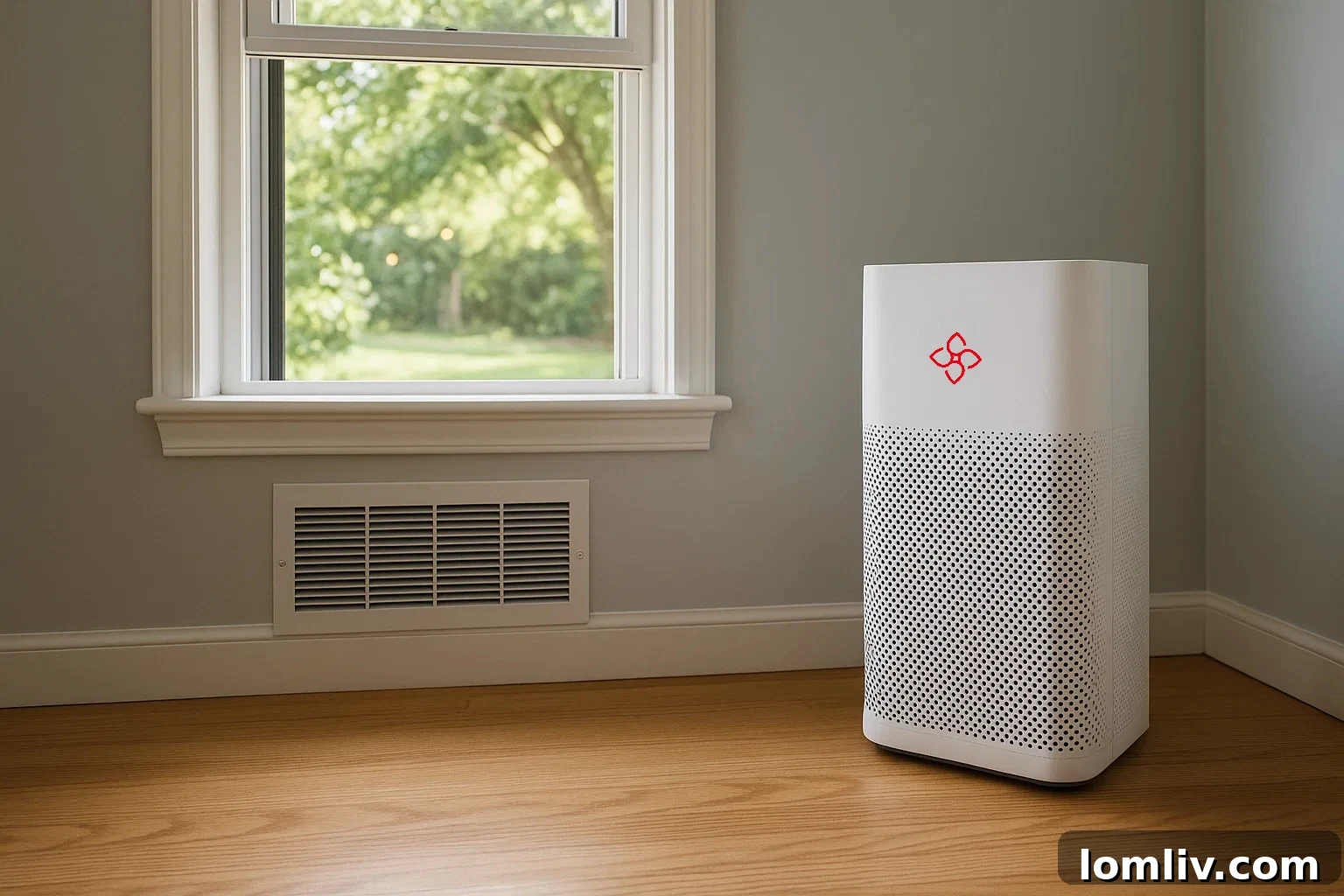
The visual transformation of a renovation is often breathtaking, but the unseen aftermath—the impact on indoor air quality—is equally important, if not more so. Renovation activity inevitably stirs up a multitude of airborne particles, from fine construction dust to volatile organic compounds (VOCs) released by new paints, adhesives, and sealants. These lingering fumes and microscopic particles can hang in the air for days or even weeks after the project wraps, creating an environment that feels stuffy, smells chemical, and can pose significant health risks, even in an otherwise clean, climate-controlled room. Addressing indoor air quality is a non-negotiable step in any thorough post-construction cleaning process.
Improve Air Circulation to Dispel Contaminants:
One of the most immediate and effective ways to improve indoor air quality is to facilitate robust air exchange with the outdoors. This helps flush out airborne pollutants and brings in fresh, clean air.
- Open Windows and Doors: For several hours a day, especially during the initial days following renovation, keep windows and doors open to create cross-ventilation. This direct influx of fresh air is crucial for diluting and expelling concentrated fumes and dust particles. If possible, open windows on opposite sides of the house to create a strong airflow.
- Run Exhaust Fans: Continuously run kitchen and bathroom exhaust fans. These fans are designed to pull moisture, odors, and airborne particles directly out of your home. They are particularly effective in areas where new materials might have been used, such as fresh caulking or paint.
- Use Portable Fans: Strategically place portable fans near open windows, pointing outwards, to actively push stale air and pollutants out of the house. You can also use fans to create air movement within specific rooms, helping to stir up settled dust so it can be captured by filters or expelled.
Filter and Purify for a Pristine Indoor Environment:
While ventilation is key, filtration and purification are essential for capturing particles and neutralizing odors that might linger.
- Clean or Replace HVAC Filters: Your home’s heating, ventilation, and air conditioning (HVAC) system is a primary means of air circulation. Construction dust can quickly clog standard filters, reducing their effectiveness and potentially recirculating pollutants. Replace existing HVAC filters with new, high-efficiency filters (ideally with a MERV rating of 8 or higher) within a week after the project. Inspect and replace them again a month later to ensure peak performance.
- Run an Air Purifier with a HEPA Filter: Invest in a good quality air purifier equipped with a High-Efficiency Particulate Air (HEPA) filter. HEPA filters are designed to capture 99.97% of airborne particles 0.3 microns in size, including ultrafine dust, pet dander, pollen, and other allergens. Run it continuously for at least a couple of days, or even weeks, in the most affected areas to dramatically reduce airborne particulate matter. Many advanced purifiers also include activated carbon filters, which are excellent for absorbing odors and VOCs.
- Utilize Natural Odor Absorbers: To combat lingering smells from paints, adhesives, and other chemicals, natural absorbers can be surprisingly effective. Set out bowls of baking soda or activated charcoal (available in pet stores or online) in various locations around the house. These substances are highly porous and can effectively absorb volatile compounds and stale odors, leaving the air fresher. Coffee grounds or cut onions can also be used for particularly stubborn smells, though they introduce their own temporary aromas.
By diligently implementing these air quality improvement strategies, you ensure that your newly renovated home doesn’t just look spectacular, but also provides a truly healthy, breathable, and fresh living environment, making your home improvement investment complete and fulfilling.
Disinfection and Sanitization of Key Areas: Ensuring a Safe and Healthy Home
After all visible dirt, dust, and debris have been meticulously removed, the post-renovation cleaning job is still far from over. The next critical phase involves thoroughly disinfecting and sanitizing your home to ensure it’s not just visually clean, but also safe, healthy, and hygienic. Construction work, by its very nature, can introduce a variety of unseen contaminants into your living space. This includes bacteria from tools and workers, potential mold spores if any dampness occurred during the process, and chemical residues from adhesives, paints, sealants, and primers. Failing to address these can compromise the well-being of your household.
The goal is to eliminate potential pathogens and chemical irritants without damaging your brand-new finishes. This requires a thoughtful approach to cleaner selection. Always prioritize gentle, non-abrasive cleaners, especially on fresh paint, newly installed flooring, or delicate surfaces. Harsh chemicals containing strong acids, bleaches, or abrasive particles can etch surfaces, strip finishes, or cause discoloration, effectively undoing some of your renovation’s aesthetic appeal.
For most surfaces, simple yet effective solutions often do the trick. A diluted white vinegar solution (equal parts vinegar and water) is an excellent natural disinfectant and deodorizer for many hard surfaces, including countertops, tiles, and fixtures. A few drops of mild dish soap mixed with warm water creates a gentle yet effective cleaning agent for general wiping and can cut through light grease and grime. For surfaces that require stronger disinfection, look for non-toxic, eco-friendly cleaners that specify they are safe for newly painted surfaces or various flooring types. Always test any new cleaning product on an inconspicuous area first to ensure there’s no adverse reaction.
Focus your disinfection efforts on high-touch surfaces in critical areas. In kitchens, meticulously sanitize countertops, sinks, faucets, cabinet handles, and appliance exteriors. In bathrooms, pay special attention to toilets, sinks, showers, tubs, and all fixtures. Don’t forget light switches, door handles, handrails, and any other surfaces frequently touched by hands throughout the house. Regular cleaning and disinfection of these areas ensure that any lingering construction-related microbes or residues are thoroughly eradicated, providing peace of mind and a truly fresh start in your revitalized home.

Unlocking Your Home’s Full Potential: Bringing Its True Glow Back
After investing significant time, effort, and resources into home renovations, a space deserves far more than just a superficial tidying. It demands a meticulous, deep, and thorough cleaning that unearths its true potential and allows the beauty of your investment to genuinely shine. Taking the dedicated time to systematically work from ceiling to floor, actively filter and purify the indoor air, and properly dispose of all lingering construction debris and dust ensures that your house doesn’t merely look new; it truly feels new, fresh, and exceptionally welcoming. This final, comprehensive post-construction cleaning phase is the crucial bridge between a completed project and a perfectly livable, healthy, and inspiring environment.
The process of a truly deep post-renovation cleaning can sound intimidating, particularly when faced with the demands of daily life and the desire to simply relax in your transformed space. If the thought of tackling endless dust, scrubbing unseen residues, and purifying your home’s air feels overwhelming, consider the significant benefits of hiring a professional cleaning company that specializes in post-construction cleanups. These experts possess the specialized equipment, industrial-grade cleaning solutions, and trained personnel to efficiently and effectively handle the unique challenges of renovation aftermath. They can tackle stubborn dust, remove chemical residues safely, and ensure every surface is pristine, leaving you free to simply enjoy your newly revamped home.
You’ve already poured your heart and resources into turning your house into the dream home you envisioned. Don’t let the final, critical step of a thorough cleanup be the one you miss or rush. A truly clean home enhances the aesthetic appeal of your renovations, protects your new investments, and most importantly, safeguards the health and comfort of everyone living within its walls. Reclaim your space, breathe easy, and fully enjoy the magnificent makeover exactly as it was intended – pristine, healthy, and utterly breathtaking.