
In the fiercely competitive Dallas real estate market, where luxury homes in Preston Hollow meet vibrant new constructions in Prosper, a home’s air conditioning system is far more than just an amenity—it’s a foundational element determining buyer interest and deal success. For real estate professionals navigating the scorching Texas summers, a robust and efficient AC unit is arguably the most critical component of a property. Imagine a meticulously staged home, infused with a welcoming aroma, only to have potential buyers walk in and be met with stagnant, warm air. In Dallas, this isn’t just a minor inconvenience; it’s an immediate deal-killer, swiftly overshadowing even the most appealing features. Buyers in the Lone Star State don’t just hope for functional AC; they expect a powerful, ice-cold blast the moment they step through the door. This expectation transcends property types, whether it’s a charming mid-century modern in Lake Highlands or a sprawling, state-of-the-art estate in Frisco. When the AC fails to deliver, the entire showing feels compromised, leaving a lasting negative impression. While buyers might overlook dated light fixtures or quirky tiling, discomfort caused by heat is an absolute non-starter. For Dallas realtors, a deep understanding of how AC impacts a listing’s market appeal, influences inspection outcomes, and shapes buyer psychology is essential for keeping deals refreshingly cool, even when the market is anything but.
Beyond Comfort: AC as a Prime Selling Point in Dallas Real Estate

For Dallas home buyers, the presence of central air conditioning is a given, not a question. Their inquiries delve much deeper, focusing on the system’s age, its efficiency, and its overall condition. They want to know about SEER ratings, the frequency of filter changes, and available warranties. A weak or outdated HVAC system can instantly relegate a promising property into the “needs significant work” category, often after just one touch of the thermostat. You could have invested heavily in professional staging, exquisite decor, and strategic lighting, but if a buyer experiences discomfort from the heat during a tour, or hears an AC unit rattling audibly as if on its last breath, the positive ambiance quickly evaporates. The perceived cost of replacing a major system like AC can often deter buyers or lead to significant demands for price reductions, far outweighing the cost of minor cosmetic fixes.
Savvy real estate agents in Dallas understand this critical dynamic. They proactively ask sellers crucial questions: How old is the unit? Has it ever been replaced? When was the last professional tune-up? While it might be tempting for sellers to undertake DIY cosmetic updates to an outdoor unit or even an indoor vent, this is where caution is paramount. HVAC systems are complex, intricately designed networks, far from a simple Pinterest project. Even seemingly minor cosmetic changes, such as painting vents or swapping out thermostats without proper expertise, can inadvertently lead to significant problems, impacting performance or voiding warranties. To ensure a smooth inspection process, avoid last-minute complications, and guarantee peace of mind for both seller and buyer, it is always safer and smarter to enlist the services of a licensed and insured HVAC professional for any maintenance, repairs, or upgrades.
The Unsung Hero of Curb Appeal: Thoughtful AC Unit Placement
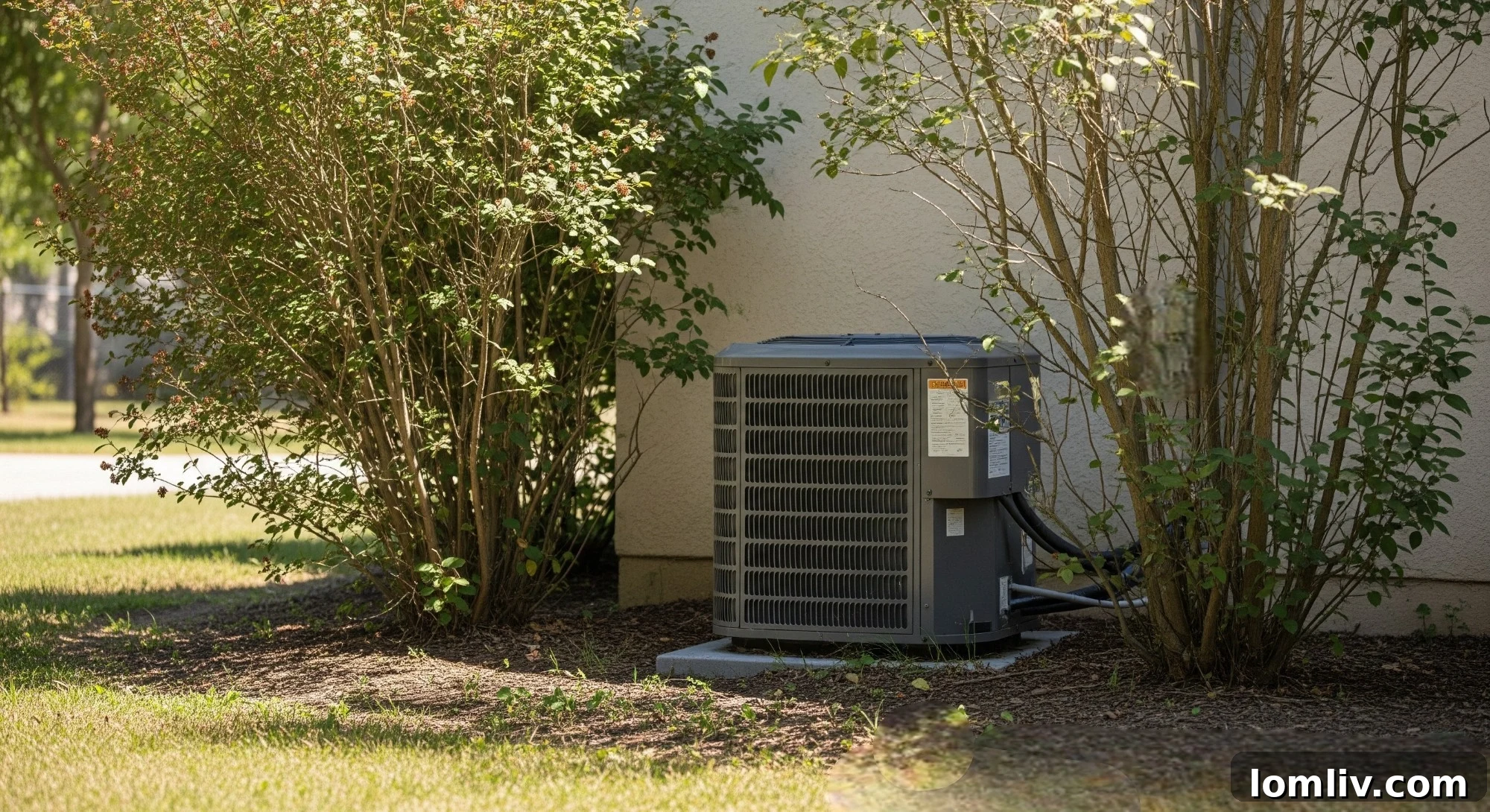
Let’s consider the comprehensive showing experience. You’ve perfected the landscaping, ensuring lush greenery and vibrant flowers greet visitors. The front porch exudes an inviting charm, and the interior is filled with the subtle, comforting scent of freshly baked cookies—or whatever magical aroma your stager strategically deployed. Yet, there it sits, an often-overlooked behemoth: the outdoor AC condenser unit, humming like a large engine next to the meticulously placed patio furniture. While essential, it’s undeniably not the most aesthetically pleasing feature. In the Texas climate, removing it isn’t an option, but smart property presentation dictates a more thoughtful approach to its visual integration.
Real estate agents with a keen eye for detail and presentation will actively seek creative solutions to discreetly conceal the outdoor AC unit. This might involve strategically placing decorative lattice panels, cultivating lush, appropriate greenery, or designing clever fencing that harmonizes with the existing yard aesthetics. The key is to hide it without impeding its critical function. Crucially, the unit must not be boxed in too tightly; adequate airflow is vital for efficient operation, and technicians require unobstructed access for maintenance and repairs. It’s important to remind sellers that curb appeal extends far beyond the front path. Buyers meticulously scrutinize the backyard as well, especially if they envision entertaining guests or enjoying outdoor living spaces. An unsightly or poorly maintained AC unit can detract significantly from this vision. Emphasize avoiding crude DIY panel jobs with protruding nails or dense, suffocating shrubbery that chokes the condenser. The ideal solution strikes a balance: a well-hidden yet easily accessible unit.
Old Units: A Major Source of Buyer Hesitation and Inspection Woes
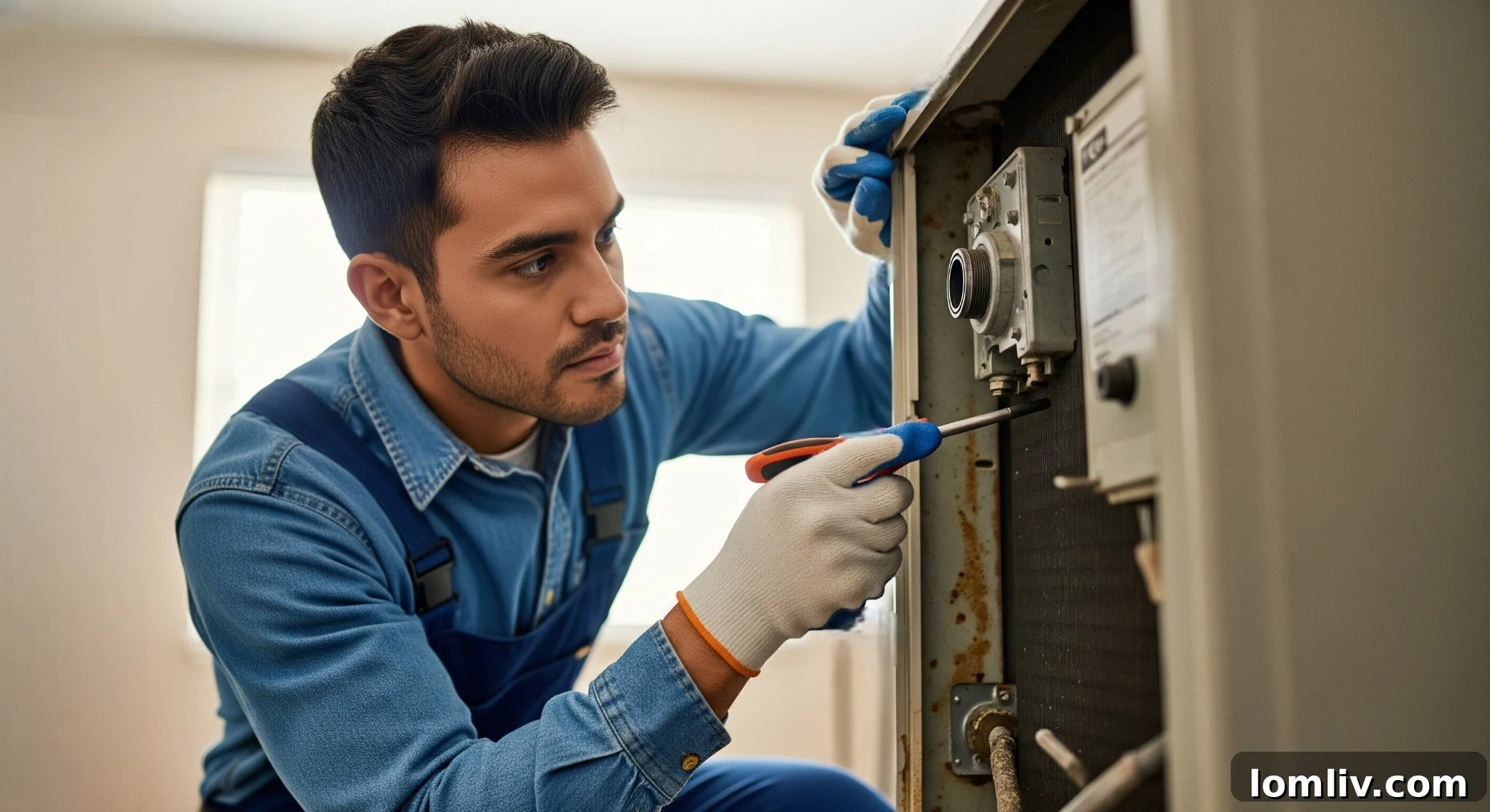
When a home’s air conditioning system is older than the buyer’s college degree, it’s an immediate red flag that will inevitably raise numerous questions and concerns. Professional home inspectors are highly trained to identify and document worn components, heavily soiled coils, compromised ductwork, and systems that are clearly past their prime. These findings are often detailed in inspection reports, which can either send potential buyers seeking other properties or prompt them to demand substantial price adjustments to cover anticipated replacement costs. Dallas realtors who have witnessed deals unravel due to significant HVAC issues understand the critical importance of being proactive. If a seller is unable or unwilling to replace an aging system outright before listing, the absolute minimum recommendation should be a comprehensive professional tune-up and inspection. A clean bill of health or a detailed report outlining recent service gives buyers invaluable peace of mind, demonstrating that the seller has taken steps to ensure the system is at least functional and maintained.
Furthermore, it’s imperative to strongly advise against any YouTube-guided, DIY “deep clean” attempts on the indoor unit. The risks far outweigh any perceived benefits. One incorrect move can lead to a flooded drain pan, a damaged blower motor, or, worse, significant liability if something breaks down between the offer acceptance and closing. In a fast-paced market, the temptation to rush and cut corners can be strong. However, both your professional reputation as a realtor and your seller’s financial bottom line are far better protected when the intricate internal components of an HVAC system are exclusively handled by licensed, certified, and insured professionals. Such professionals possess the expertise, specialized tools, and insurance necessary to properly maintain and repair these complex systems, mitigating risks and ensuring proper functionality.
Crisis Management: When AC Fails Mid-Sale, Rapid Backup is Essential

Every seasoned Dallas real estate agent possesses a compelling story of an unexpected crisis during escrow. A buyer falls deeply in love with a home, a strong offer is extended and accepted, and everyone involved is filled with excitement. Then—without warning—the AC system dramatically fails during the critical escrow period. What ensues can quickly spiral into chaos, jeopardizing the entire transaction. This is precisely when a meticulously curated list of trusted local vendors becomes an invaluable lifeline. If you have proactively cultivated a strong relationship with a reputable local company specializing in air conditioning repair and service, you can immediately spring into action, rather than frantically scrambling through online reviews at 9 PM on a hot summer night. This level of preparedness is not just practical; it’s a significant value-add for your clients.
Presenting your clients with a ready list of vetted professionals demonstrates your foresight, experience, and deep understanding of what it truly takes to successfully navigate a deal to the finish line, especially amidst the relentless Texas heat. The crucial difference between a frustratingly delayed closing and a smooth, timely one can often hinge entirely on who you call and how swiftly they can respond to an urgent HVAC emergency. Furthermore, having a trusted technician provide a detailed assessment and vouch for the system’s integrity after necessary repairs can serve as an incredibly powerful tool in negotiations, offering renewed peace of mind to anxious buyers and helping to solidify the deal.
The Appraisal Connection: How AC Influences Home Value and How to Discuss It

The impact of a home’s air conditioning system extends far beyond buyer comfort and inspection outcomes; it significantly influences the overall appraised value of the property itself. Experienced appraisers in Dallas are trained to meticulously consider various factors related to the HVAC system, including its age, energy efficiency ratings, and overall functionality. A newer, high-efficiency unit, especially when paired with modern smart thermostats or recent insulation upgrades, can contribute to a slight but meaningful increase in the property’s appraised value. Conversely, an AC system that is visibly struggling, known to be inefficient, or clearly nearing the end of its lifespan, can actively drag down comparable property values, even in highly sought-after zip codes.
Realtors who can confidently articulate details about the HVAC system truly distinguish themselves. While you’re not expected to be an HVAC engineer, possessing key information can greatly enhance your credibility with both prospective buyers and appraisers. Knowing whether the unit was replaced within the last five years, if it is appropriately sized for the home’s square footage, and what specific maintenance history it has, demonstrates a thorough understanding of the property and its value. This preparedness instills confidence. And once again, when it comes to intricate repairs, complex replacements, or anything involving electrical wiring or ductwork, always defer to the professionals. Your expertise lies in real estate transactions, not in HVAC mechanics. You are a skilled realtor, not a home improvement guru.
The Final Word: Prioritizing AC in Dallas Home Sales
In the vibrant and often sweltering Dallas real estate market, air conditioning transcends being merely another item on a checklist; it becomes an integral chapter in the story you are selling. A well-functioning, efficient AC system can be the decisive factor that encourages buyers to linger longer at an open house, builds their confidence in submitting a strong offer, or, conversely, causes them to walk away entirely. Whether you are listing a sleek high-rise condominium in downtown Dallas or a spacious family home in the bustling suburbs, taking the home’s AC seriously is a clear demonstration that you deeply understand your market, genuinely empathize with your buyers’ critical needs, and are unequivocally not one to sweat the small stuff—quite literally. Proactive attention to the HVAC system signals professionalism, mitigates potential deal-breakers, and ultimately helps secure successful closings in a market where comfort is paramount.