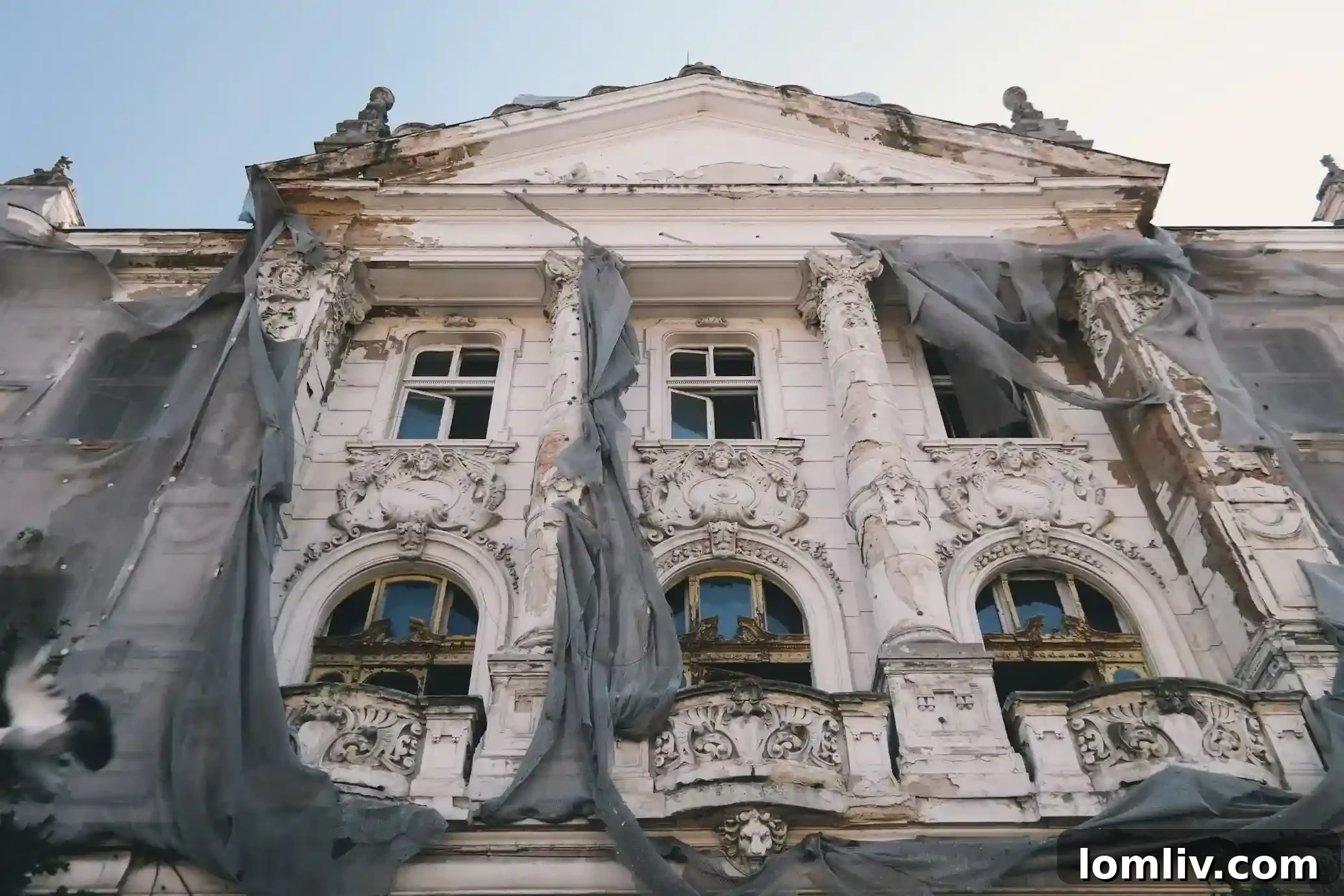
The allure of renovating old buildings is undeniable, drawing in homeowners, investors, and preservationists alike. It’s a journey that transcends mere construction; it’s about breathing new life into structures steeped in history, marrying the charm of the past with the conveniences of the present. This captivating process involves thoughtful restoration, ingenious adaptation, and a deep appreciation for architectural heritage. For many, embarking on such a venture represents a unique opportunity to enhance a property’s elegance, create a bespoke living or working space, and contribute to the enduring legacy of a community.
However, beneath the romanticized vision of transforming historical properties lie significant complexities and potential pitfalls. What often appears as a straightforward renovation project can quickly escalate into an expensive and daunting nightmare, laden with hidden costs, unforeseen structural issues, and even serious health hazards, such as exposure to hazardous materials like asbestos or lead-based paint. Successfully navigating these challenges demands meticulous planning, strategic foresight, and an unwavering commitment to preparedness. Understanding the inherent risks and developing a robust strategy to mitigate them is paramount for anyone considering the restoration of an aged edifice.
The Enduring Charm of Older Properties: Why They Captivate
Old buildings possess a magnetic appeal that modern constructions often struggle to replicate. Their enduring popularity stems from a multitude of factors, each contributing to their unique character and intrinsic value. Unlike the often standardized designs of contemporary architecture, older structures frequently showcase intricate craftsmanship, bespoke detailing, and an architectural richness that speaks of a bygone era when construction was more of an art form.
Many individuals are drawn to the distinctive personality embedded in every corner of these venerable properties. The hand-carved details, ornate moldings, original hardwood floors, and unique layouts tell a story of careful construction and aesthetic intent. This artistic integrity resonates deeply with those who appreciate authenticity and a sense of history, viewing these buildings not just as structures, but as artifacts that deserve to be preserved and cherished. Moreover, older buildings often occupy prime locations, established within vibrant neighborhoods or historical districts, offering unparalleled access to amenities, cultural sites, and a sense of community that takes decades to cultivate. Restoring these properties not only enhances their individual value but also contributes significantly to the cultural conservation of the surrounding area.
Beyond aesthetics and location, the sustainability aspect of renovating existing structures is increasingly recognized. Repurposing an old building minimizes the demand for new construction materials, reduces waste sent to landfills, and significantly lowers the carbon footprint associated with demolition and new builds. This eco-friendly approach makes renovation an attractive option for environmentally conscious owners, aligning with principles of smart growth and resource efficiency. Investing in an older property is often seen as a tangible way to recycle and reuse, promoting a greener approach to development while retaining valuable architectural assets. The potential for increased property value and a significant return on investment also fuels interest, as beautifully restored historical homes often command premium prices in the real estate market.
Navigating the Complexities: Common Renovation Hurdles
While the rewards of restoring an old building are substantial, the path to achieving them is often fraught with a unique set of challenges. These hurdles can significantly impact timelines, budgets, and the overall success of a renovation project.
Structural Integrity and Foundation Concerns
The stability and foundational integrity of older buildings are frequently the primary concerns for renovators. Decades of exposure to the elements, ground movement, and the natural settling process can lead to significant structural issues. Common problems include weakened foundations, which may exhibit cracks or shifting, leading to uneven floors and compromised load-bearing capabilities. Timber frames can suffer from rot due to moisture intrusion, pest infestations, or simply age, while brickwork may crack, crumble, or experience efflorescence. Identifying and rectifying these issues immediately is crucial. A thorough structural assessment by a qualified engineer is non-negotiable, as ignoring underlying problems can lead to catastrophic failures and severe long-term consequences. Repairs often involve complex techniques, such as underpinning foundations, replacing deteriorated beams, or repointing masonry, demanding specialized expertise and considerable investment.
Outdated Systems: Electrical, Plumbing, and HVAC
One of the most significant and often costly aspects of renovating an old building involves upgrading its antiquated utility systems. These systems were designed for a different era and are typically inadequate or unsafe for modern demands.
-
Electrical Systems: Many older homes feature outdated electrical wiring, such as knob-and-tube or, particularly in homes built before the 1970s, aluminum wiring. These systems pose substantial safety hazards, including a high risk of overheating and electrical fires due to their inability to handle the load of contemporary appliances and electronics. A complete electrical overhaul, including new wiring, circuit breakers, and adequate outlets, is almost always a necessity to ensure safety and functionality.
-
Plumbing Systems: Old plumbing, often consisting of galvanized steel or even lead pipes, is prone to corrosion, leaks, and significantly reduced water pressure. Corroded pipes can lead to water contamination, posing health risks, while constant leaks can cause extensive water damage and mold growth. Upgrading to modern PEX or copper piping systems is essential for reliable water delivery, improved pressure, and the prevention of future leaks and contamination.
-
HVAC Systems: Older buildings typically lack modern heating, ventilation, and air conditioning (HVAC) systems. Existing heating might be inefficient, and air conditioning may be non-existent. Installing new, energy-efficient HVAC systems can be challenging due to the existing structure, requiring careful planning to integrate ductwork without compromising historical features. This upgrade is critical for modern comfort and energy savings.
Modernization and Technological Integration
Beyond basic utility upgrades, integrating modern technology into an old building presents its own set of challenges. Today’s homeowners expect high-speed internet connectivity, advanced smart home systems, and energy-saving appliances. Achieving seamless integration while preserving the historical aesthetic requires innovative solutions.
This includes discreetly installing wiring for data networks, automation systems, smart lighting, and climate control. Many desire sensor-activated lighting, intelligent insulation systems, and integrated security. The goal is to create a living space that offers all the conveniences of the 21st century without detracting from the property’s original character. This often involves careful concealment of wires, selection of historically appropriate fixtures, and smart placement of modern devices to blend seamlessly into the environment.
Specialized Labor and Expertise
Renovating old buildings is not a task for inexperienced contractors or DIY enthusiasts. It demands a specialized skillset and profound understanding of historical construction methods, materials, and preservation principles. Restoring historical structures, especially those with unique architectural features, often requires the services of experienced artisans – master masons, historic preservation architects, specialized carpenters, and lead abatement specialists – who are conversant with traditional techniques and materials. Finding such expertise can be challenging, and the costs associated with their specialized knowledge are significantly higher than those for conventional construction labor. Moreover, unforeseen challenges, such as discovering hidden defects or dealing with the scarcity of period-appropriate materials, necessitate adaptable and knowledgeable professionals who can devise creative solutions without compromising the building’s integrity. These unexpected issues can significantly inflate labor and material costs.
Legal and Regulatory Challenges
Renovating older buildings often involves navigating a complex labyrinth of legal and administrative hurdles. Building codes, zoning regulations, and historical preservation laws have evolved considerably over time, and older properties may not comply with current standards. Furthermore, if a building is designated as a historic landmark, modifications can only be made in specific, often highly restrictive, ways. Compliance with these regulations requires extensive research, permit applications, and often lengthy review processes by historical boards or municipal authorities. This can include limitations on exterior alterations, material choices, window replacements, and even paint colors. Understanding and adhering to these requirements is not only a significant investment in terms of money and time but also requires careful consultation with legal experts and local planning departments to avoid costly fines or forced re-dos. Securing the necessary permits and approvals can be a protracted process, impacting project timelines and budgets.
Unveiling Hidden Dangers: Health and Safety Risks
Beyond structural and systemic issues, older buildings can harbor serious health hazards that must be addressed with extreme caution during renovation.
Lead-Based Paint
Lead-based paint was commonly used in homes built before 1978. When disturbed during renovation, lead dust and chips can be released into the air, posing severe health risks. Exposure to lead can cause developmental issues, particularly in young children, affecting neurological development, cognitive function, and behavior. In adults, it can lead to kidney damage, reproductive problems, and high blood pressure. Proper testing for lead-based paint is essential, followed by safe removal, encapsulation, or abatement procedures performed by certified professionals to prevent contamination and protect occupants.
Asbestos Exposure
Another significant health concern is the widespread presence of hazardous materials like asbestos. Asbestos was extensively used in construction materials for its fire-retardant and insulating properties before its severe health risks were fully understood. It can be found in various components of older buildings, including insulation (particularly around pipes and boilers), roofing materials, floor tiles, siding, textured paints, and “popcorn” ceilings. When these materials are disturbed during demolition or renovation, microscopic asbestos fibers can become airborne and, if inhaled, pose grave risks such as respiratory diseases, asbestosis, lung cancer, and mesothelioma, a rare but aggressive form of cancer. The detrimental effects of coming into contact with this hazardous substance are serious and often long-lasting.
For individuals who regularly work on such renovations, or those who have lived in or around buildings containing asbestos, exposure is a real and dangerous possibility. If you or someone you know has suffered the repercussions of asbestos exposure, along with seeking immediate medical care, it is crucial to understand that legal recourse may be available. An asbestosis lawyer can provide vital guidance.
As TorHoerman Law notes, legal action may help affected individuals gain financial compensation through asbestos trust funds or a settlement. This can provide not only financial relief but also access to the resources necessary to manage ongoing medical care and lead a better quality of life despite the health challenges. Professional asbestos testing and abatement are legally mandated in many jurisdictions and absolutely critical for the safety of all involved in the renovation process.
Mold and Mildew
Older buildings are particularly susceptible to mold and mildew growth, often due to historical leaks, poor ventilation, or inadequate moisture barriers. These fungal growths can lurk behind walls, under flooring, and in attics, often unnoticed until renovation begins. Exposure to mold can trigger allergies, asthma attacks, and other respiratory problems, especially in sensitive individuals. Identifying and remediating mold issues requires professional intervention to ensure complete removal and to address the underlying moisture source to prevent recurrence.
Pest Infestations
Given their age and often numerous entry points, old buildings can be havens for pests like termites, carpenter ants, rodents, and other vermin. These infestations can cause significant structural damage, compromising wood elements and insulation. Rodents and insects can also carry diseases and contaminate living spaces. A thorough pest inspection should be an early step in any renovation project, with integrated pest management strategies implemented to eliminate existing infestations and prevent future ones. Addressing pest issues is crucial for both the structural integrity and the health safety of the renovated property.
The Elusive Element: Time and Budget Overruns
Giving an old building a comprehensive facelift is rarely a swift or straightforward undertaking. The entire process is inherently time-consuming, from the initial comprehensive evaluations and architectural design phases to securing permits, the actual construction, and the inevitable unforeseen reconstructions. Project timelines are highly susceptible to significant delays. Weeks, or even months, can be added to a schedule when hidden defects, such as unexpected structural damage, lead pipes, or extensive asbestos, are uncovered during demolition or initial inspections. These discoveries often necessitate re-evaluation, redesign, specialized remediation, and additional permitting, all of which halt progress and push back completion dates.
These postponements, while frustrating, invariably lead to increased costs. Beyond the direct expenses of unexpected repairs and specialized labor, delays can result in higher loan interest payments, extended rental costs for temporary housing, and potential loss of income if the property is intended for commercial use. The iterative nature of renovating old buildings – where one discovery leads to another – makes precise budgeting exceptionally difficult. Material costs can fluctuate, specialized craftsmen may charge premium rates for urgent work, and the sheer volume of unexpected issues can quickly deplete a contingency fund. Successful renovation necessitates a robust budget that includes a substantial contingency, ideally 15-25% of the estimated project cost, to absorb these inevitable surprises.
While this journey can be tough, demanding significant patience, resilience, and financial commitment, the eventual outcome can be immensely rewarding. To witness your vision for a restored historical property come to life, transforming a dilapidated structure into a vibrant, functional, and aesthetically stunning space, is truly unparalleled. Understanding the challenges that lie ahead, thoroughly planning for them, and collaborating with a team of experienced professionals will not only make for better coordination on your part but ultimately lead to a more satisfying and successful renovation outcome, ensuring the longevity and continued appreciation of a piece of history.