Dallas-Plano-Irving Rent Surges: North Texas Rental Market Outpaces National Averages
The quest for a comfortable and affordable home has become increasingly challenging in many parts of the United States, but nowhere is this more evident than in dynamic metropolitan areas experiencing rapid growth. Among these, the Dallas-Plano-Irving market stands out as a prime example, where single-family home rental costs are escalating at an alarming rate, significantly outpacing national trends. This dramatic surge presents a formidable hurdle for both prospective renters and those already navigating the competitive North Texas housing landscape.
Understanding the Rental Market Explosion in North Texas
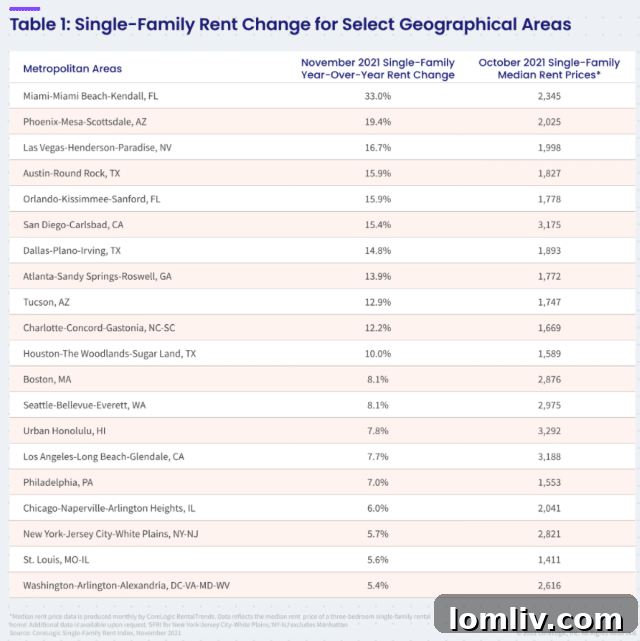
According to the latest insights from CoreLogic’s Single-Family Rent Index, the Dallas-Plano-Irving metropolitan area witnessed a staggering 14.8 percent year-over-year increase in single-family home rental costs during November. This figure is notably higher than the national average increase of 11.5 percent recorded across the rest of the country. To put this into perspective, the national year-over-year increase just one year prior stood at a mere 3.8 percent, meaning the rate of increase has nearly quadrupled in a remarkably short period. For many, especially those who have been priced out of the homeownership market due to rising interest rates and prohibitive home prices, this rapid ascent in rental costs adds another layer of financial strain, making the dream of stable housing increasingly elusive.
“Annual rent price growth has continued to double and even triple in the last several months,” CoreLogic analysts noted in their comprehensive report. This observation underscores a broader trend but highlights the acute pressure felt in high-demand regions like Dallas. The implication is clear: the forces driving these increases are powerful and pervasive, creating an environment where renters must constantly adapt to evolving economic realities.
Behind the Numbers: Why Dallas Rents Are Skyrocketing
Several intertwined factors contribute to the dramatic rise in Dallas rental prices. Molly Boesel, principal economist at CoreLogic, points to improvements in the broader economy and a robust job market as key drivers pushing single-family rent growth to unprecedented levels. The Dallas-Plano-Irving metroplex has consistently attracted businesses and individuals, creating a virtuous cycle of economic expansion that, paradoxically, also fuels housing cost inflation.
Economic Growth and In-Migration
North Texas remains a powerful economic engine, boasting a diversified job market that continues to attract talent from across the nation. Major corporations have relocated or expanded their operations in Dallas, Plano, and Irving, bringing with them a steady influx of new residents. This population growth directly translates into increased demand for housing, both for sale and for rent. When the supply of available single-family homes, whether for purchase or rental, cannot keep pace with this surging demand, prices inevitably climb.
Supply-Demand Imbalance
A fundamental issue in the current market is the significant imbalance between housing supply and demand. Construction of new homes, particularly affordable single-family residences, has lagged for various reasons, including labor shortages, rising material costs, and complex permitting processes. This constrained supply means fewer options for renters, intensifying competition for available properties and empowering landlords to command higher prices. The inventory of single-family homes specifically designated as rentals has not grown proportionally to the influx of new residents.
The Spillover from the For-Sale Market
The challenges in the rental market are exacerbated by parallel difficulties in the homeownership sector. Rising mortgage interest rates, coupled with historically high home prices, have sidelined many potential first-time homebuyers. Faced with unattainable purchase prices, these individuals are forced to remain in the rental market for longer, adding further pressure to an already strained supply. This creates a larger pool of qualified renters competing for a limited number of single-family properties, driving bids and rental costs ever higher.
Investor Activity in Single-Family Rentals
The single-family rental market has also seen increased activity from institutional and individual investors. Recognizing the strong demand and potential for appreciation, investors have been acquiring single-family homes, often converting them into rental properties. While this adds to the rental stock, it also removes homes from the for-sale market, contributing to overall housing scarcity and potentially influencing pricing strategies in the rental sector.
The Growing Crisis of Affordability
While economic improvements are generally positive, the rapid increase in single-family rents, particularly for lower-priced properties, has led to a significant erosion of affordability. As Molly Boesel aptly states, this trend has profound implications for the social and economic fabric of the Dallas-Plano-Irving metroplex.
For many residents, housing costs now consume an ever-larger portion of their monthly income, leaving less for other essential expenses like food, healthcare, and transportation. This financial squeeze can impede savings, delay wealth accumulation, and reduce overall quality of life. Families and individuals earning moderate or lower incomes are disproportionately affected, potentially forcing them to move further away from job centers and public amenities in search of more affordable options, increasing commute times and transportation costs.
The long-term impact of declining affordability can be far-reaching, affecting local businesses that rely on a stable workforce, and potentially altering the demographic composition of communities. Ensuring that essential workers, educators, and service industry professionals can afford to live within the communities they serve is vital for a healthy, functioning metropolitan area.
Dallas in Context: Comparing North Texas to Other Hot Markets
While the Dallas-Plano-Irving market’s rental growth is substantial, it’s important to recognize that it is part of a broader phenomenon affecting several high-growth areas across the United States, particularly in the Sunbelt. For instance:
- The Miami-Miami Beach-Kendall market in Florida experienced an astonishing 33 percent increase in single-family rents, highlighting extreme demand pressures.
- Austin-Round Rock, another burgeoning Texas tech hub, saw a significant 15.9 percent increase, indicating that rapid growth cities across the state are grappling with similar issues.
- Even Houston-The Woodlands-Sugar Land, while slightly less intense than Dallas or Austin, registered a robust 10 percent increase, underscoring the strong rental market across key Texas metropolitan areas.
These comparisons reveal a common thread: regions characterized by strong job markets, attractive lifestyle offerings, and significant population influx are experiencing intense pressure on their housing markets. Dallas-Plano-Irving fits this profile perfectly, making its rental surge a predictable, albeit challenging, outcome of its success.
What Lies Ahead for the Dallas Rental Market?
The question on many minds is whether these soaring rental trends in Dallas will stabilize, continue their upward trajectory, or eventually see a correction. The future hinges on several factors:
- Construction Pace: A sustained increase in the supply of new housing, particularly single-family homes and townhouses that appeal to families, could help alleviate pressure.
- Economic Conditions: Any significant slowdown in job growth or a broader economic downturn could temper demand, though this comes with its own set of challenges.
- Interest Rates: Fluctuations in mortgage rates will continue to influence how many prospective buyers are pushed into or out of the rental market.
- Policy Interventions: Local and state policies related to zoning, affordable housing initiatives, and development incentives could play a role in shaping future market dynamics.
For current and prospective renters in Dallas-Plano-Irving, understanding these dynamics is crucial. Budgeting carefully, exploring different neighborhoods, and staying informed about market trends are essential strategies in this competitive environment. The importance of monitoring these trends cannot be overstated, as they dictate the accessibility and affordability of housing for thousands of residents.
The evolving rental landscape in Dallas-Plano-Irving underscores a critical challenge facing many prosperous U.S. cities: balancing economic growth with housing affordability. As the region continues to thrive, proactive measures and continuous monitoring will be essential to ensure that stable, affordable housing remains within reach for all its residents. For ongoing housing trends and detailed data, readers are encouraged to visit the CoreLogic Intelligence Blog. The next CoreLogic Single-Family Rent Index, featuring data for December 2021, is scheduled for release on February 15, which will provide further insights into these vital market movements.