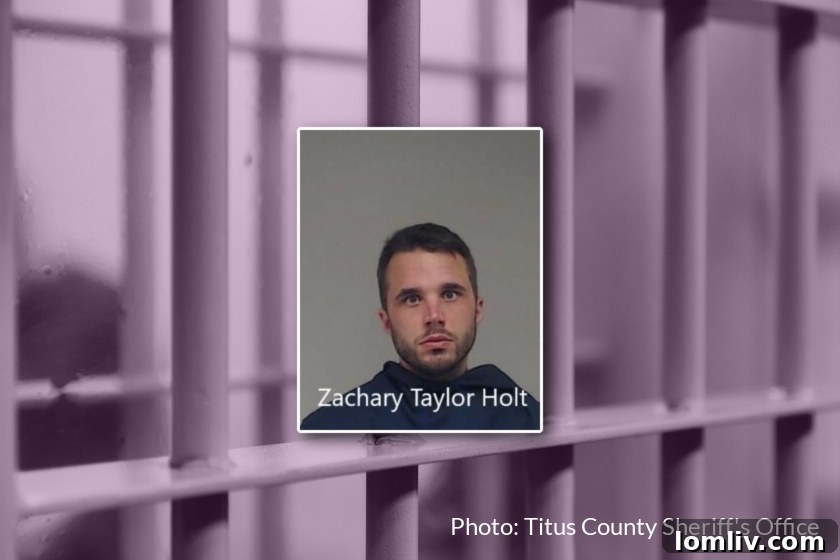

The allure of a custom-built barndominium – a unique blend of a barn and a condominium, offering spacious living, modern amenities, and the promise of a personalized dream home in a tranquil, rural setting – has captured the imagination of countless Texans. For many, it represents the ideal fusion of rustic charm and contemporary comfort, a sanctuary away from the hustle and bustle of city life. This dream, however, turned into a harsh reality for numerous aspiring homeowners who entrusted their visions and life savings to Zachary Taylor Holt.
Holt, a contractor operating under the guise of delivering fully custom barndominiums, promised his clients the expansive space and ultimate freedom they desired on their carefully chosen rural lots. He presented himself as a reputable builder capable of bringing these unique structures to life, fostering trust and optimism among those eager to invest in their future homes. Yet, instead of delivering on these grand promises, Holt allegedly left behind a trail of devastatingly expensive, half-finished projects and shattered dreams. He stands accused of taking thousands of dollars from unsuspecting property owners, only to abandon their projects abruptly, leaving them without the homes they were promised and with significant financial burdens.
Fortunately, the long arm of the law has finally intervened. Holt was recently apprehended in Collin County on multiple warrants stemming from Titus County, where he faces serious charges of property theft. The theft allegations, ranging between $30,000 and $150,000, underscore the substantial financial losses incurred by his victims. Titus County, nestled east of Dallas County with its county seat in Mt. Pleasant, became the focal point of these investigations as several of Holt’s unfinished barndominium projects, and their heartbroken owners, are located within its jurisdiction. This arrest marks a significant step towards justice for those who believed in Holt’s vision and suffered greatly from his alleged deceit.
The disturbing pattern of predatory contracting in the burgeoning barndominium market has not gone unnoticed. The Fort Worth Star-Telegram, a leading voice in Texas journalism, played a crucial role in shedding light on this issue, bringing Holt’s activities to the forefront. Their comprehensive reporting did not stop with Holt, but also highlighted the actions of two other barndominium builders who allegedly engaged in similar fraudulent schemes. These contractors, much like Holt, captivated clients with promises of expansive, aesthetically pleasing, and budget-friendly structures, only to collect substantial payments and then vanish, leaving behind scenes of construction chaos and financial despair.
A thorough investigation conducted by the Star-Telegram unearthed a troubling number of examples across the vast landscape of Texas. These cases revealed a widespread issue where individuals were left with the skeletal remains of steel structures, their bank accounts completely depleted, and seemingly no viable avenue to recover the money they had painstakingly invested. The grim findings illustrate the profound impact of such predatory practices on families and individuals.
The Star-Telegram’s investigative team engaged directly with nine customers, representing the victims of these three Texas-based builders. Their collective narratives and arduous journeys to find legal remedies paint a stark picture: in the state of Texas, the burden of securing justice, particularly in cases of construction fraud, often falls squarely on the shoulders of the customer. This places an immense responsibility on individuals who are already reeling from financial loss and emotional distress, often requiring them to navigate complex legal systems with limited resources.
Sean McDonald, a respected construction attorney currently representing one of Holt’s clients, offered a poignant insight into the phenomenon. “As with any fad,” McDonald explained, “anybody who thinks they can actually do it is going to take advantage of the marketplace.” This statement perfectly encapsulates the opportunistic nature of such schemes, where the rapid rise in popularity of barndominiums created fertile ground for unscrupulous individuals to exploit demand and capitalize on a market eager for accessible, customizable housing solutions. The booming trend, while offering innovative housing options, inadvertently exposed many to potential exploitation.
Zachary Taylor Holt’s Pattern of Alleged Fraudulent Activity: A Deeper Look
The arrest of Zachary Taylor Holt was not an isolated incident but the culmination of diligent investigative work that uncovered a deeply disturbing and consistent pattern of alleged fraudulent activity. Following initial complaints and meticulous scrutiny of Holt’s operations across North Texas, the Titus County Sheriff’s Office began to piece together a clear and repeatable modus operandi. The pattern typically involved Holt initiating a construction project, often with an initial flurry of activity that instilled confidence in his clients. However, after receiving a significant portion, if not most, of the client’s payment – often structured in advance payments that disproportionately benefited the contractor – Holt would then abandon the project. This left property owners in an unenviable and incredibly precarious position: with an unfinished, often structurally unsound, project that not only fell far short of their dreams but also demanded twice as much, or even more, of their initial investment to merely complete. The financial and emotional toll of this experience is often catastrophic, forcing victims to scramble for additional funds, secure new contractors, and endure lengthy delays.
The devastating aftermath of Holt’s alleged actions extends beyond just financial losses. Homeowners were left with partially constructed shells, exposed to the elements, making them vulnerable to weather damage, material deterioration, and potential safety hazards. The dream of a custom barndominium quickly transformed into a nightmare of structural integrity concerns, legal entanglements, and the daunting task of finding reputable builders willing to take over an abandoned, often problem-ridden, project. Many victims reported immense difficulty in securing new contractors, as few are eager to assume responsibility for another builder’s mistakes or incomplete work, often leading to inflated costs and extended timelines for completion. This cycle of financial and emotional strain perpetuated by Holt’s alleged abandonment is a hallmark of construction fraud, leaving families in limbo and often facing foreclosure or bankruptcy.
Despite the clear evidence of abandonment and financial loss, the road to recovery for most homeowners proved incredibly challenging. According to the insightful report from the Star-Telegram, the vast majority of victims were unable to recover any funds or compensation from Holt or his company, Next Level Steel Buildings LLC. This disheartening reality highlights the difficulty victims face in pursuing civil remedies when assets are hidden or dissolved. Recognizing the severity and systemic nature of these complaints, the Titus County Sheriff’s Office took decisive action. They meticulously compiled and presented a probable cause affidavit to the Titus County District Attorney’s Office, detailing the extensive pattern of Holt’s alleged misconduct. This crucial step led to the official charging of Holt with theft, signifying a criminal rather than merely civil offense. Consequently, a warrant for his arrest was issued in July, paving the way for his apprehension and the beginning of a criminal justice process.
The significance of pursuing criminal charges over civil litigation cannot be overstated in such cases. The Titus County Sheriff’s Office elaborated on this distinction, as reported by CBS 19 (KYTX), stating, “Most of the victims from other jurisdictions appear to have been told their only recourse for Holt’s actions is to pursue damages through civil means.” This conventional advice, while valid for contractual disputes, often falls short when confronted with deliberate fraudulent intent. The Sheriff’s Office emphasized a critical turning point in their investigation: “It is our belief that the repetitive and frequent nature of Holt’s actions rose to the level of proving Holt’s intent to defraud.” This statement is paramount, as proving intent to defraud elevates the charges from a civil breach of contract to a criminal act of theft, carrying far more severe penalties, including potential imprisonment and court-mandated restitution. The recognition of Holt’s consistent and deliberate pattern of deception signals a more robust legal response, aiming not just for financial recovery but for accountability and justice. Furthermore, the Sheriff’s Office indicated an ongoing and widening investigation, confirming, “We are aware that there are several other agencies now looking more closely into complaints of Holt’s activities,” suggesting that the scope of Holt’s alleged fraud may be far broader than initially understood, potentially leading to more charges and greater justice for a larger number of victims.
For individuals considering a barndominium project, or any significant home construction, this case serves as a critical cautionary tale. It underscores the vital importance of rigorous due diligence when selecting a contractor. Prospective homeowners should always verify contractor licenses, check references meticulously, examine portfolios of completed work, and scrutinize all contractual agreements. Essential precautions include establishing clear payment schedules tied to specific milestones of completed work, avoiding large upfront payments, and ensuring the contractor carries appropriate insurance. Consulting with a construction attorney before signing any substantial contract can also provide an invaluable layer of protection against potential fraud and disputes. The dream of a custom home is achievable, but it requires vigilance and informed decision-making to protect against those who seek to exploit trust and turn dreams into nightmares.