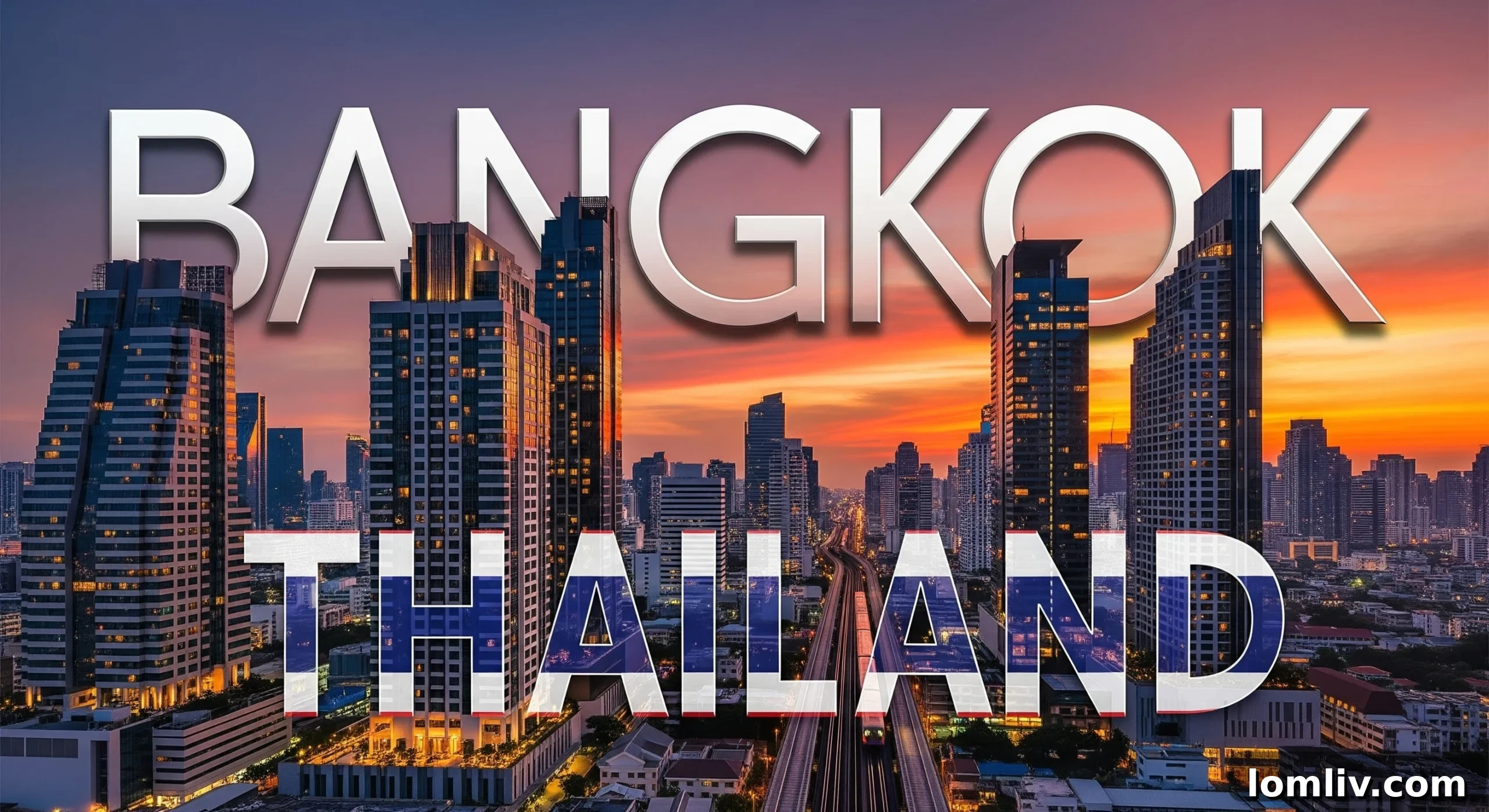
For decades, the spotlight on Asian real estate investment predominantly shone on financial powerhouses like Singapore and Hong Kong. These cities carved out reputations as prime destinations for global capital, offering stability and robust growth. However, as property values in these markets have soared to unprecedented levels, making entry increasingly challenging for new investors, a significant shift in interest is underway. Astute international investors are now redirecting their focus towards a dynamic new contender: Thailand’s vibrant capital, Bangkok.
Bangkok is rapidly emerging as the preferred hub for foreign real estate investments, thanks to an irresistible combination of factors. It presents an appealing blend of unparalleled affordability, impressive rental yields, and a strategically advantageous location at the very heart of Southeast Asia. Compared to its more expensive regional counterparts, Bangkok offers a considerably lower barrier to entry, allowing investors to acquire premium assets without the prohibitive costs. Beyond mere economics, the city provides an exceptional quality of life and a cosmopolitan atmosphere that few other cities can match. Whether the goal is substantial capital appreciation over the long term or consistent passive income streams, Bangkok has solidified its position as a magnetic force for global investment capital, promising both growth and lifestyle benefits.
Delving deeper, let’s explore the compelling reasons why Bangkok is consistently outperforming its regional competitors and capturing the attention of a growing number of savvy foreign buyers.
Unmatched Luxury and Value: Premium Living at a Fraction of the Cost
The primary and most immediate attraction for international real estate investors in Bangkok is the exceptional value proposition. When conducting a direct comparison of prime, city-center real estate, the price disparity between Bangkok and other major Asian investment hubs is nothing short of astounding, offering a distinct advantage to those looking for significant returns without the sky-high initial outlay.
Current market analytics paint a clear picture: prime properties located in Bangkok’s most sought-after districts average around $465 per square foot (approximately $5,000 per square meter). This figure stands in stark contrast to the exorbitant prices found elsewhere in the region. For instance, comparable luxury properties in Singapore command an average of $2,275 per square foot, while Hong Kong maintains its status as the world’s most expensive property market, with prices often hovering around $2,880 per square foot. This dramatic difference in pricing translates directly into vastly increased purchasing power for investors.
Consider the implications: a budget that might only stretch to a compact studio apartment in a bustling financial hub like Hong Kong could, in Bangkok, secure a sprawling, luxurious two-bedroom penthouse. Such a property would likely come complete with a full suite of premium amenities, including concierge services, a state-of-the-art fitness center, and a swimming pool, all within an upscale district such as Sukhumvit or Sathorn. This favorable pricing structure not only makes aspirational, high-end urban living remarkably accessible but also creates significant headroom for future capital growth. Indeed, despite global economic uncertainties, Bangkok’s condominium market has demonstrated remarkable resilience, with prime condo prices experiencing a steady appreciation of approximately 9.39% in recent years. This consistent growth has handsomely rewarded early investors with substantial capital gains, further solidifying Bangkok’s appeal as a wise long-term investment destination.
Exceptional Rental Yields: A Robust Engine for Passive Income
While capital appreciation offers the promise of long-term wealth accumulation, immediate cash flow through rental yield is often the key driver for many real estate investors. In this crucial aspect, Bangkok truly distinguishes itself, offering some of the most attractive rental returns in the Asian market.
Investors can realistically anticipate gross rental yields ranging from 6% to 8% on well-located, central Bangkok apartments and condominiums. These figures comfortably outpace the considerably lower yields typically observed in other major Asian cities, where 2-3% is common in Singapore and 3-4% is often the norm in Hong Kong. This significant differential means investors in Bangkok can generate more substantial and consistent monthly income from their properties, enhancing their overall return on investment.
This remarkable strength in the buy-to-let market is underpinned by robust and sustained demand originating from two primary demographics:
- A Thriving Expat Community: Bangkok serves as a major regional hub for numerous multinational corporations and international organizations. This attracts a massive and diverse community of foreign professionals and their families who require high-quality, modern housing, particularly within the central business districts (CBDs) and well-connected residential areas. These international workers often seek furnished, fully-serviced accommodations, creating a constant demand for premium rental units.
- Resurgent Tourism Sector: As one of the most visited cities in the world, renowned for its vibrant culture, exquisite cuisine, and world-class attractions, Bangkok’s short-term rental market remains exceptionally lucrative. The post-pandemic recovery has seen tourist numbers surge, fueling demand for short-stay accommodation ranging from luxury serviced apartments to boutique condos, especially in areas popular with international visitors.
Properties consisting of smaller units (studio to one-bedroom) in prime business districts like Silom, Sathorn, and Sukhumvit are particularly high-performing assets, consistently generating reliable monthly income due to their high demand and relatively quicker turnover. For investors eager to capitalize on this vibrant rental ecosystem, a quick browse of properties for rent in Bangkok will reveal a dynamic and active market characterized by low vacancy rates in well-managed, premium buildings. This strong demand profile makes Bangkok an ideal location for those seeking predictable and attractive rental income.
Strategic Location: The Undisputed Crossroads of ASEAN
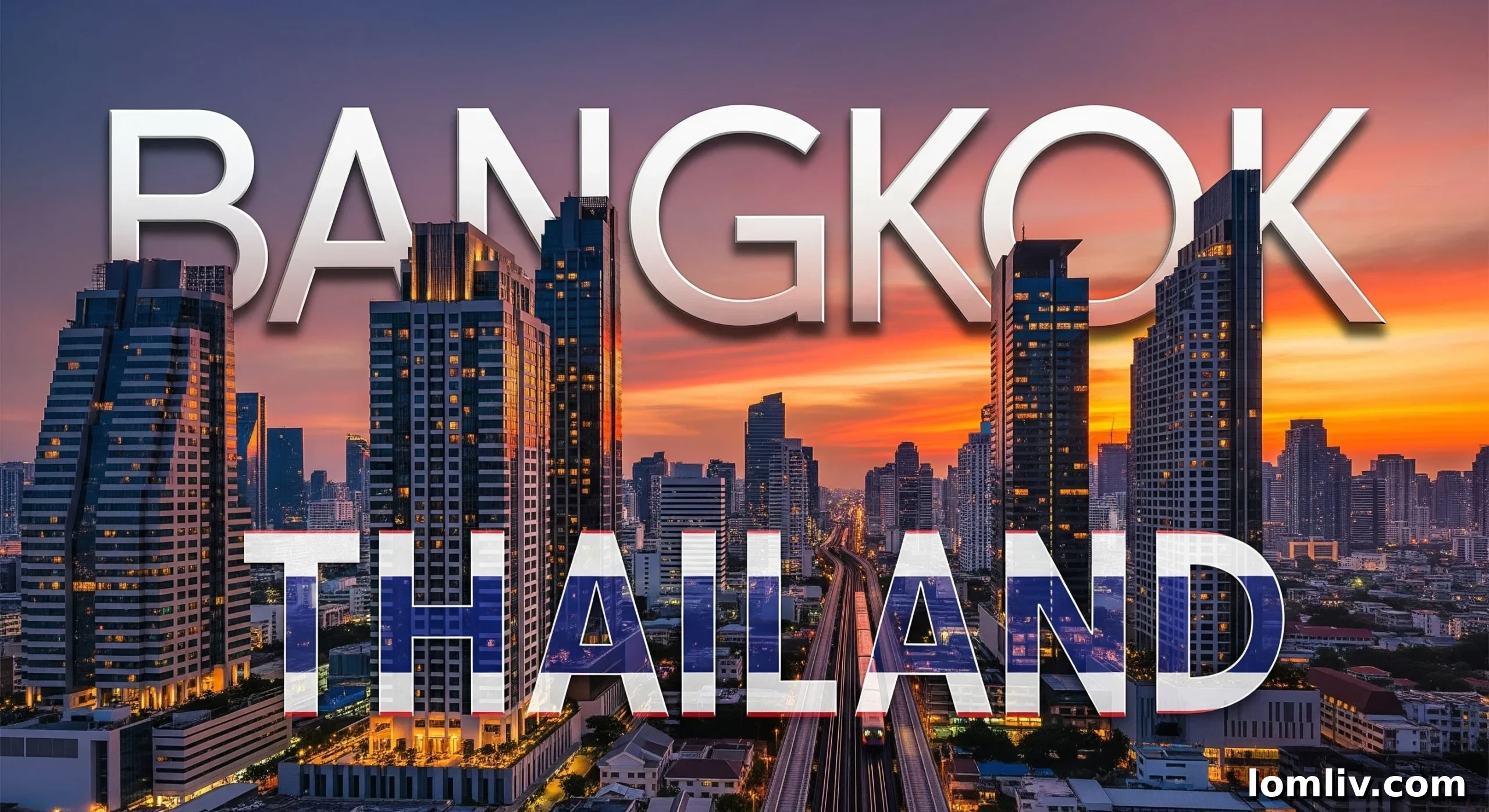
Bangkok is far more than just a world-renowned tourist destination; it stands as the undisputed logistical, economic, and cultural heart of the Association of Southeast Asian Nations (ASEAN). This pivotal geographical and economic positioning lends a unique stability and growth potential to its real estate market that few other cities can rival.
Since the full implementation of the ASEAN Economic Community (AEC), Bangkok has been a primary beneficiary of enhanced regional integration, including tariff-free trade and streamlined visa policies. These measures have significantly solidified its status as a preferred regional headquarters for a multitude of global firms across various sectors. The city’s central role in ASEAN’s economic framework fosters a continuous influx of foreign businesses, expatriate workers, and diplomatic missions, all of which contribute to a sustained demand for residential and commercial properties. This robust economic vibrancy ensures that housing demand remains resilient, even during periods when other, less strategically located markets might experience downturns or cooling trends.
Unprecedented Infrastructure Transformation and Connectivity
Complementing its strategic location, Bangkok is currently experiencing an unprecedented transformation in its urban infrastructure, particularly its mass transit network. The ongoing and extensive expansion of the BTS Skytrain and MRT subway networks is revolutionizing connectivity across the sprawling metropolis, making previously inaccessible areas highly desirable.
- The Yellow Line: This recently opened monorail line is a game-changer, efficiently connecting the burgeoning Lat Phrao area in the north to the eastern suburbs, including Samut Prakan. This new artery has unlocked significant development potential along its route, creating new residential and commercial hubs and dispersing population density more evenly.
- The Pink Line: Another crucial monorail extension, the Pink Line, is significantly improving access to Bangkok’s northern government complex and several non-CBD business hubs, such as Chaeng Watthana. This line is fostering the growth of new satellite business districts, which in turn fuels demand for housing in these newly connected areas, appealing to a broader demographic of renters and buyers.
- Future Expansions: Beyond these recent additions, numerous other lines and extensions are either under construction or in advanced planning stages. These include extensions to the existing Green, Blue, and Purple lines, as well as entirely new routes like the Orange Line. Each new development further integrates the city, reduces commute times, and enhances property values along its corridor.
These massive, government-backed infrastructure projects are not merely improving transportation; they are strategically opening up previously “local” neighborhoods to a wider segment of foreign renters and buyers. This expansion significantly increases the potential for property value appreciation in areas just outside the traditional, super-prime core, offering exciting new investment frontiers. Improved connectivity also enhances the overall livability of the city, making it more attractive for long-term residency for expats and their families, thereby bolstering sustained rental demand.
Favorable and Transparent Policies for Foreign Investors
A crucial factor distinguishing Bangkok in the Asian real estate landscape is Thailand’s remarkably transparent and investor-friendly approach to foreign property ownership. Unlike some Asian nations where foreign ownership is either strictly prohibited, heavily restricted, or subject to punitive taxation, Thailand offers a clear and secure pathway to ownership, instilling confidence in international buyers.
The cornerstone of this accessibility is the Thai Condominium Act. This legislation expressly permits foreigners to own condominium units 100% freehold, granting them full ownership rights, provided that the total foreign ownership quota within a single condominium building does not exceed 49% of the building’s total unit area. This robust legal framework ensures that foreign buyers receive a title deed (known as a “Chanote”) registered directly in their own name. The Chanote is the highest form of land title in Thailand, offering unparalleled security of tenure, clearly defined ownership rights, and significant ease when it comes to resale or inheritance. This clarity and security are powerful motivators for international investors, alleviating common concerns associated with overseas property acquisition.
Recent market trends unequivocally demonstrate high foreign confidence in Thailand’s ownership system. Statistical data indicates that Greater Bangkok alone accounts for a significant 74% of all foreign real estate transactions across Thailand, underscoring its dominance as the preferred investment destination. Furthermore, the year 2025 has already seen active discussions within government circles regarding new incentives aimed at further streamlining and easing the property acquisition process for high-net-worth individuals, skilled professionals, and holders of long-term visas, such as the Long-Term Resident (LTR) visa. Should these proposed incentives be implemented, they are expected to make the Thai property market, and Bangkok in particular, even more attractive and accessible to a global pool of investors, promising continued growth and foreign interest.
An Irresistible Lifestyle and World-Class Amenities
Beyond the compelling investment metrics, the lifestyle Bangkok offers is a major “soft factor” that significantly influences investment decisions and contributes to the city’s long-term appeal. Bangkok masterfully blends ultra-modern urban amenities with deep-rooted traditional Thai culture, creating a unique and enriching living experience that attracts people from all walks of life.
- Global Shopping Destination: Bangkok stands as a premier shopping paradise, boasting an array of world-class retail establishments that rival those found in Tokyo, London, or New York. From the architectural marvel of IconSiam, home to luxury brands and a floating market, to the sophisticated elegance of Siam Paragon and the extensive offerings of CentralWorld, the city provides an unparalleled retail experience. These malls are not just shopping centers but also lifestyle hubs, featuring cinemas, gourmet dining, and entertainment, acting as magnets for residents and tourists alike.
- Exceptional Healthcare Facilities: Thailand has firmly established itself as a global leader in medical tourism, and Bangkok is at the forefront of this reputation. The city hosts numerous internationally accredited hospitals, such as Bumrungrad International Hospital and Samitivej Sukhumvit Hospital, which offer cutting-edge medical services, highly skilled professionals, and state-of-the-art technology. Critically, these world-class healthcare services are available at a fraction of the cost typically found in North America or Europe, making Bangkok an attractive long-term residence for expatriates and retirees seeking high-quality, affordable medical care.
- Superior International Education: For expat families considering a move to Bangkok, the availability of top-tier international schools is a crucial factor. The city offers a wide selection of renowned educational institutions, including Bangkok Patana School, Harrow International School Bangkok, and International School Bangkok (ISB). These schools provide curricula recognized globally (such as IB, British, and American curricula), excellent facilities, and a multicultural learning environment, making Bangkok a viable and highly desirable long-term home for families with children.
- Culinary Capital: From Michelin-starred fine dining to vibrant street food stalls, Bangkok’s food scene is legendary and incredibly diverse, catering to every palate and budget. The city’s rich cultural tapestry also offers endless exploration through ancient temples, bustling markets, serene parks, and a dynamic arts scene. This holistic lifestyle proposition enhances the desirability of living in Bangkok, contributing to consistent demand for high-quality residential properties.
Diverse Investment Opportunities and Expert Support
While foreign investors predominantly focus on the freehold condominium market due to its clear ownership laws, Bangkok also offers a spectrum of other intriguing investment opportunities. These include the luxury leasehold villa market, particularly in high-demand tourist areas, or more complex structures such as setting up Thai Limited Companies to invest in landed property, which is generally restricted for direct foreign ownership.
Navigating these diverse investment avenues, understanding local market nuances, and ensuring full legal compliance requires specialized local expertise. Engaging a reputable บริษัทนายหน้าอสังหา (Real estate agent in Bangkok) is not just advisable, but essential. An experienced agent can provide invaluable guidance through the legalities of property acquisition, conduct thorough due diligence on potential assets, help negotiate favorable terms, and ultimately identify units that offer the best potential for return on investment (ROI), whether for rental income or capital appreciation. Their local knowledge and network are indispensable for a smooth and successful investment journey.
Acknowledging Risks and Mitigating Challenges
No investment market is entirely devoid of risk, and Bangkok is no exception. Prudent investors should be fully aware of potential challenges and incorporate strategies to mitigate them:
- Currency Fluctuation: The Thai Baht (THB) is generally considered a stable currency, particularly within the Southeast Asian context. However, like all global currencies, it is subject to broader international forex trends and economic shifts. Investors should monitor exchange rates and consider hedging strategies if significant currency movements are a concern, especially for large transfers or long-term income streams.
- Potential Oversupply in Specific Areas: While prime locations consistently perform well, certain suburban areas, particularly those experiencing rapid new development or speculative building, have occasionally seen a glut of new condo launches. This can lead to increased competition for renters and buyers, potentially impacting rental yields and capital appreciation in localized pockets. It is therefore absolutely vital for investors to stick to well-established, prime locations that benefit directly from mass transit lines, strong demand drivers (like expat communities or tourist attractions), and a proven track record of growth. Thorough market research and agent advice are crucial here.
- Legal Complexity for Landed Property: While owning condos in Bangkok is straightforward for foreigners, direct freehold ownership of landed property (houses and land) remains legally complex and generally restricted for non-Thai citizens. Although structures like long-term leases (typically 30 years, renewable) or setting up a Thai company exist, these require extensive legal consultation and are more intricate than direct condo purchases. Investors interested in landed property must engage specialized legal counsel to ensure compliance and secure their interests.
Bullish Future Outlook for 2026 and Beyond
Looking ahead, the long-term outlook for Bangkok real estate remains robustly bullish. The city’s strategic advantages, combined with ongoing government initiatives and continuous infrastructure development, point towards sustained growth and increasing demand from both domestic and international buyers.
As the extensive network of transit lines reaches full completion and expands its reach, making even more areas accessible, the city’s overall efficiency and desirability will only increase. Furthermore, the ambitious Eastern Economic Corridor (EEC) initiative, a flagship government project aimed at transforming Thailand’s eastern provinces into a leading economic zone, is expected to bring substantial industrial investment, job creation, and population growth to the broader region. This, in turn, will inevitably drive up demand for residential property in the capital, which serves as the primary gateway and economic engine for the EEC.
For foreign investors who find themselves priced out of traditionally expensive markets like Singapore or Hong Kong, or for those simply seeking superior yield performance and stronger capital growth potential, Bangkok unequivocally represents the “smart money move” in the Asian real estate landscape. Whether your goal is to acquire a luxurious vacation home that generates income to offset its costs, or to make a serious, high-performing addition to a diversified investment portfolio, the current market conditions suggest that now is an opportune time to enter Bangkok’s dynamic property market. Begin your exploration today and view the latest properties for sale in Bangkok to unlock your next lucrative investment opportunity.