
Celebrating Architectural Excellence: Rick Joy to Deliver Frank Welch Memorial Lecture
The Dallas Architecture Forum is honored to host Rick Joy, the acclaimed founder of Studio Rick Joy, for its Second Annual Frank Welch Memorial Lecture. This much-anticipated event is scheduled for Wednesday, January 23, at 7:30 p.m. in the esteemed Horchow Auditorium at the Dallas Museum of Art. Rick Joy, celebrated for his deeply thoughtful and sensitive approach to architecture, leads his renowned Tucson, Arizona-based firm in creating projects that span from iconic single-family residences to expansive global resort developments. His work consistently demonstrates a profound respect for site, process, and the intricate relationship between built form and natural landscape.
Joy’s architectural philosophy, characterized by an intrinsic connection to place and a minimalist aesthetic, draws a compelling parallel to the enduring body of work by the late Frank Welch. Welch, who passed away in 2017, was a towering figure in Texas architecture, having refined his craft under the mentorship of the legendary O’Neil Ford. He is widely recognized as one of the most prolific and influential figures among Texas Modernist architects. Dallas proudly showcases a significant collection of Frank Welch’s designs, each meticulously integrating local elements to forge a harmonious dialogue between the structure and its natural surroundings. Many of these historically significant homes have previously served as magnificent venues for various Dallas Architecture Forum events, further solidifying Welch’s legacy within the community.
Rick Joy’s Vision: Harmonizing Architecture with Nature
At the core of Studio Rick Joy’s distinguished practice is a commitment to understanding the unique essence of a ‘place.’ As Joy himself articulated to Daltxrealestate.com, “All of our studio’s work is rooted in developing an understanding of a ‘place’ and how the house design will be integrated in harmony to its surroundings.” This philosophy extends beyond mere aesthetic integration; it involves a meticulous investigation into the cultural and environmental nuances of each location. Joy’s team delves into the ‘culture’ of existing well-designed structures in an area, drawing inspiration to develop designs that are inherently appropriate and respectful of the natural environment. This investigative and adaptive approach ensures that every project, whether a secluded desert home or a bustling urban transit hub, feels as if it has always belonged to its site.
The studio’s innovative and sensitive designs have garnered widespread acclaim and international recognition, leading to features in prestigious publications such as Cereal, Architectural Record, A+U, Architectural Digest, Travel + Leisure, The New York Times, and Vogue. This extensive media coverage highlights not only the aesthetic appeal of Joy’s work but also its intellectual rigor and profound impact on contemporary architectural discourse. His projects often employ a careful selection of materials – frequently raw and elemental – that age gracefully and respond dynamically to their environmental context, embodying a philosophy of understated luxury and timeless design.
The Legacy of Frank Welch: Dean of Texas Modernism
Frank Welch’s architectural prowess shaped the landscape of Texas Modernism for decades. His designs are characterized by their regional sensitivity, a deep understanding of local materials, and an unparalleled ability to create spaces that felt both modern and profoundly rooted in their Texan context. Welch’s apprenticeship under O’Neil Ford instilled in him a foundational understanding of honest materials and craftsmanship, principles he carried throughout his illustrious career. His homes in Dallas and across Texas are more than just buildings; they are dialogues between human ingenuity and the natural world, often featuring expansive windows that frame the landscape and courtyards that invite the outdoors in. He masterfully balanced the modernist tenets of clean lines and functional spaces with a warmth and contextuality that made his work uniquely Texan. The enduring quality and thoughtful integration of his designs continue to inspire architects and enthusiasts alike, cementing his status as a true legend of regional modernism.
A Synergistic Choice: Rick Joy for the Frank Welch Memorial Lecture
Nate Eudaly, Executive Director of The Dallas Architecture Forum, perfectly encapsulated the rationale behind selecting Rick Joy for this significant lecture. “Rick Joy’s focus on simple and thoughtful design in careful harmony with the project site is true to the legacy of Frank Welch, which makes him the perfect choice to present The Dallas Architecture Forum’s second Frank Welch Memorial Lecture,” Eudaly stated. He further emphasized, “Rick Joy is known for looking to the specific environment and physical landscape of each project to reveal and celebrate its special features, while using natural and passive energy-saving techniques and unusual materials. We believe Mr. Joy will present what is sure to be a program of great interest.” This congruence in design philosophy, particularly their shared emphasis on site-specific solutions and sustainable practices, makes Joy an ideal speaker to honor Welch’s memory and extend his architectural ethos into contemporary dialogue.
Notable Projects by Rick Joy: Exemplifying Site-Specificity
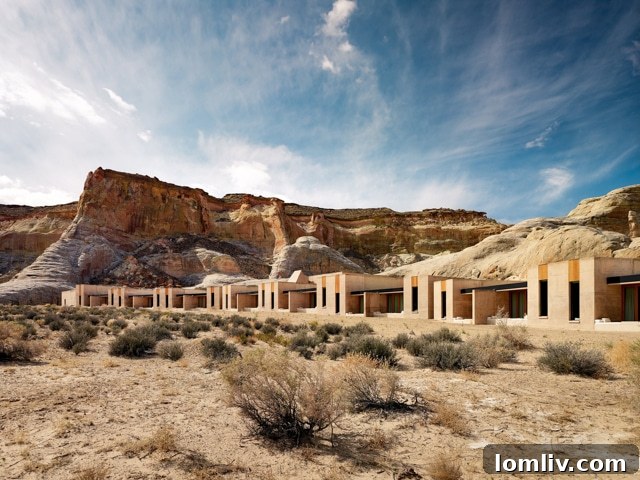
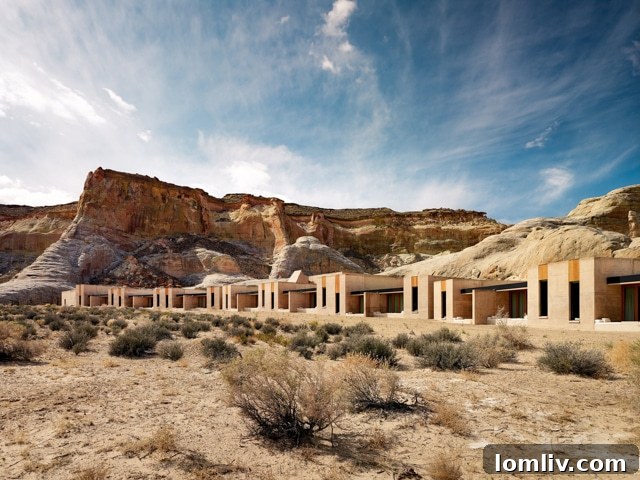
Rick Joy’s portfolio is replete with projects that brilliantly exemplify his commitment to site and context. The **Amangiri Resort & Spa** in Kane County, Utah, pictured above, stands as a prime example of architecture that emerges organically from its dramatic desert landscape. Carved into a protected valley with breathtaking views of the Grand Staircase-Escalante National Monument, Amangiri’s design pays homage to the region’s natural beauty through minimalist forms, concrete, and stone that echo the surrounding rock formations. It’s an immersive experience where architecture recedes, allowing the powerful landscape to take center stage, epitomizing luxury through a profound connection to place.
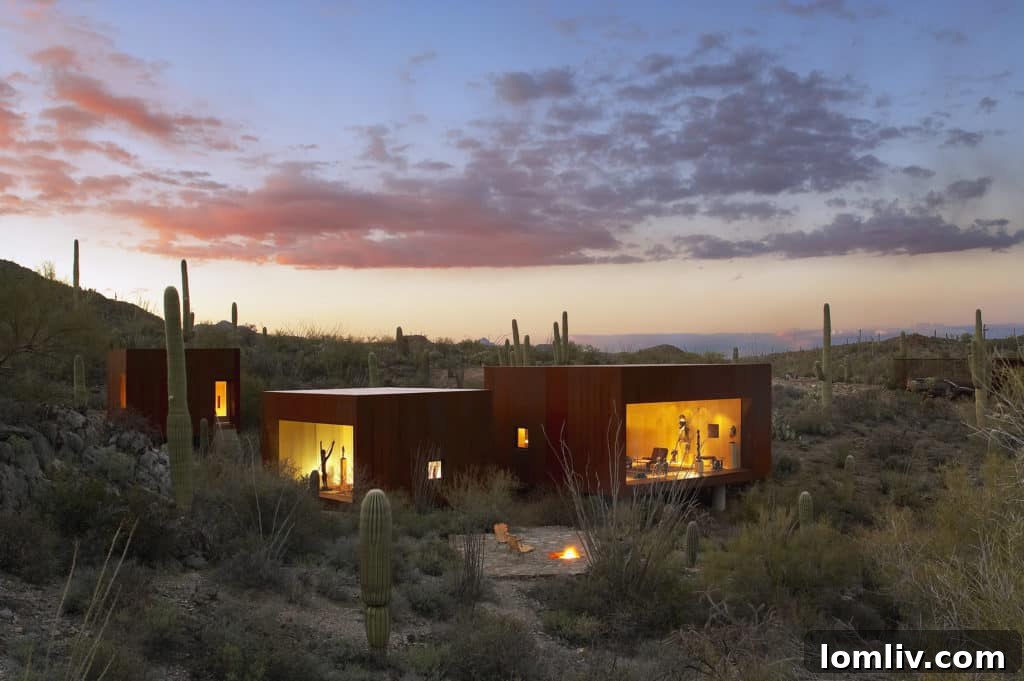
Another iconic project, the **Desert Nomad House** in Tucson, Arizona, is a testament to Joy’s mastery of integrating structure into challenging environments. This residence comprises three distinct, raw steel-clad volumes strategically placed to frame views of the desert and sky, creating a sequence of intimate and expansive spaces. The material palette responds directly to the arid climate, developing a rich patina over time that further roots the building in its setting. It’s a living example of how minimal intervention can yield maximal impact, providing both shelter and an enhanced experience of nature.
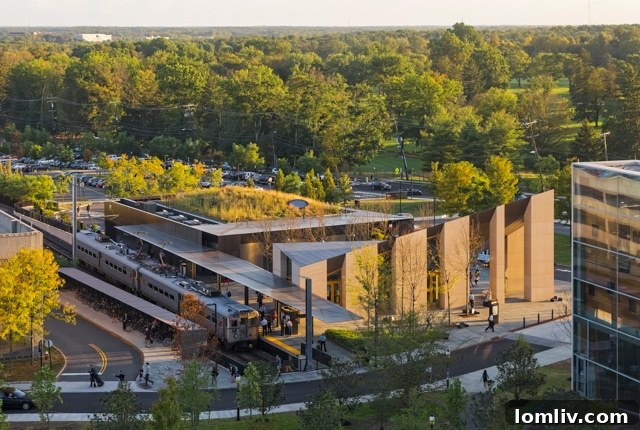
Beyond residential and resort architecture, Joy’s versatility is evident in projects like the recently completed **Princeton University Transit Hall and Market**. This project brought new life to the Princeton Dinky Train Station in Princeton, New Jersey, transforming a functional space into an elegant gateway. Here, Joy applies his principles of thoughtful design and material honesty to an urban context, demonstrating how even infrastructure can be elevated to art when approached with sensitivity to human experience and local vernacular. These diverse projects underscore Studio Rick Joy’s ability to transcend typologies while consistently adhering to a core philosophy of harmony, authenticity, and enduring design.
The Dallas Architecture Forum: Sustaining a Legacy
The Dallas Architecture Forum plays a vital role in enriching the architectural dialogue within the city and beyond. As one of the charities designated by Frank Welch’s family, the Forum accepts memorial donations in his honor. These contributions are crucial for funding the annual Frank Welch Memorial Lecture, ensuring that the legacy of one of Dallas’s most influential architects continues to be celebrated and explored. The inaugural lecture, held last year, featured Ted Flato, co-founder of the distinguished Lake | Flato Architects, setting a high standard for this annual tribute.
Rick Joy expressed his honor in participating: “Though I never had the privilege of personally meeting Frank Welch, his work is widely admired as the Dean of Texas Modernists. I am honored to be speaking in honor of Frank at such a prestigious organization as The Dallas Architecture Forum.” This sentiment underscores the profound respect architects have for the lineage of design that informs and inspires contemporary practice.
Event Details: Join Us for an Evening of Architectural Insight
The Dallas Architecture Forum extends a warm invitation to all enthusiasts, professionals, and students of architecture and design. The lecture by Rick Joy will commence promptly at 7:00 p.m. on Wednesday, January 23, 2018. Attendees are encouraged to arrive early for a complimentary reception and check-in, which begins at 6:15 p.m. and continues until 6:55 p.m., providing an excellent opportunity for networking and conversation before the main event.
The event will be held at the Dallas Museum of Art, specifically in the Horchow Auditorium, a distinguished venue befitting the caliber of the speaker and the significance of the lecture. No prior reservations are necessary to attend Forum lectures, making it accessible to a wide audience. General admission tickets are priced at $20 per lecture, while students with a valid ID can attend for just $5. Members of The Dallas Architecture Forum enjoy free admission to all regular Forum lectures as a valuable benefit of their membership. Additionally, AIA members have the opportunity to earn one hour of Continuing Education (CE) credit for each lecture attended, contributing to their professional development. For further information regarding The Dallas Architecture Forum, upcoming events, or membership details, please visit www.dallasarchitectureforum.org or contact them directly at 214-764-2406.
Key Details: Rick Joy at The Dallas Architecture Forum
RICK JOY, FAIA
FOUNDER, RICK JOY ARCHITECTS (STUDIO RICK JOY)
TUCSON, ARIZONA
Lecture Date: 7:00 p.m. Wednesday, January 23, 2018
Reception and Check-in: From 6:15 to 6:55 p.m.
Location: Dallas Museum of Art, Horchow Auditorium