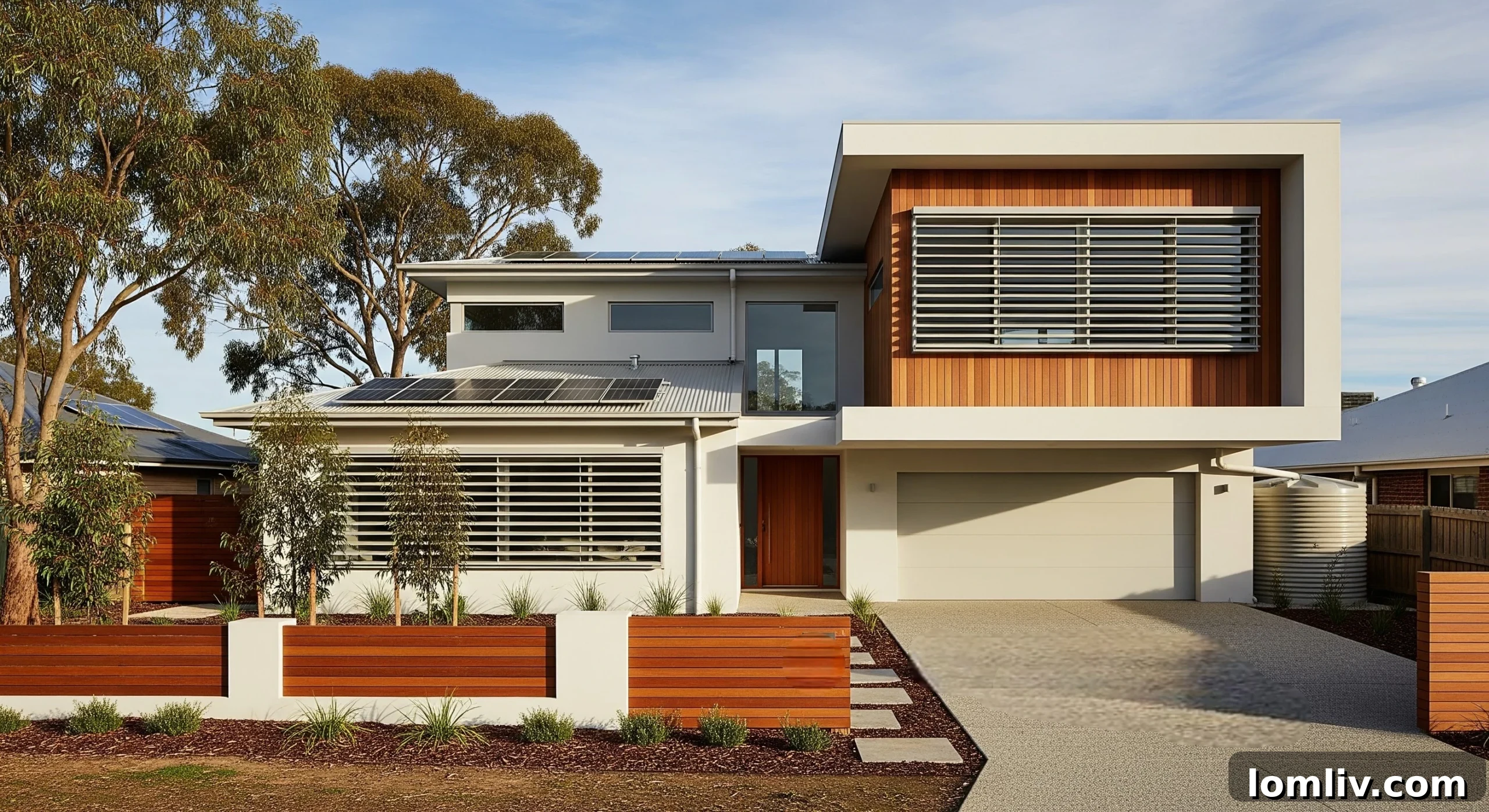
Australian Home Upgrades: Boost Comfort & Cut Bills with Smart Renovations
For years, I’ve guided homeowners through the maze of home improvements, helping them identify which upgrades truly deliver lasting value. Too often, significant budgets are poured into purely cosmetic changes, while simpler, more impactful fixes could drastically reduce utility bills and enhance daily comfort. This guide provides a strategic approach to selecting projects that yield tangible results, whether your budget is a few hundred or tens of thousands.
Why Smart Upgrades are Essential for Australian Homes
Australia’s unique and often harsh climate, characterized by intense UV radiation, extreme temperatures, and diverse regional conditions, means certain home upgrades offer a far quicker and more significant return on investment here than in milder countries. Our homes face constant challenges from scorching summers to chilly winters, demanding robust solutions. I’ve categorised these ideas into “Save,” “Smart,” and “Splurge” tiers, allowing you to begin with cost-effective improvements and scale up as your budget and ambitions grow. Throughout this guide, you’ll find notes on National Construction Code (NCC) rules and Water Efficiency Labelling and Standards (WELS) ratings, ensuring your plans remain compliant and effective.
What You’ll Discover in This Comprehensive Guide
- Fifteen High-Impact Projects: From weekend DIY tasks that deliver immediate improvements to larger, transformative renovations requiring professional expertise.
- Budget-Friendly Options for Every Idea: Learn how to achieve significant improvements even with minimal investment, providing a clear path to the most cost-effective solutions first.
- Clear Guidance on DIY vs. Professional Trades: Understand precisely when a project is suitable for a confident DIYer and when it’s essential to engage licensed professionals for safety, compliance, and optimal results.
Foundational First Steps: Seal and Insulate for Peak Efficiency
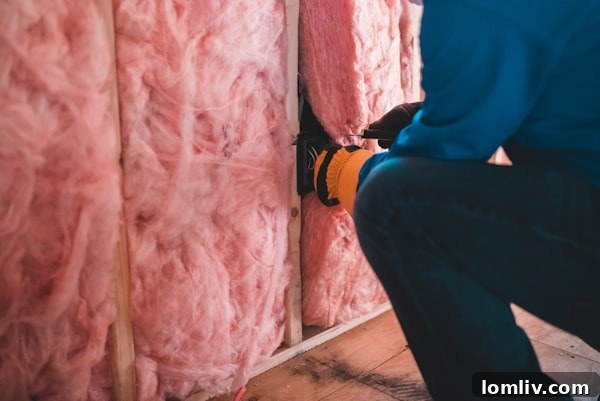
The single smartest investment you can make in your home’s energy efficiency is to address air leaks before upgrading insulation. Uncontrolled air leakage alone can inflate your heating and cooling bills by 15 to 25 percent. Furthermore, ceilings and roofs are major culprits, accounting for approximately 25 to 35 percent of winter heat loss and significant summer heat gain. Prioritising ceiling insulation and effective draught sealing offers the most substantial gains in comfort and savings.
Save Tier: Quick & Effective Draught Proofing
- Install Quality Door and Window Seals: Focus on weatherstripping for all external doors and operable windows, especially in older timber frames where gaps are common. Simple self-adhesive foam strips, rubber seals, or brush seals can make a dramatic difference in preventing conditioned air from escaping and unconditioned air from entering.
- Seal Gaps with Caulk or Silicone: Use flexible caulk or silicone sealant to close visible gaps around skirting boards, cornices, and especially where pipes, wires, or vents penetrate walls and ceilings. These seemingly minor openings can collectively create significant air pathways.
- Spot Hidden Draughts: On a windy day, use an incense stick or a smoke pencil to pinpoint hidden air leaks. Observe where the smoke wavers or is drawn into the building, indicating a draught that needs sealing. Common culprits include electrical outlets, light fixtures, and around attic hatches.
Smart Tier: Elevating Your Home’s Thermal Envelope
Once major air leaks are addressed, it’s time to bolster your home’s insulation. The R-value measures an insulation material’s resistance to heat flow; a higher R-value indicates better insulating properties. Consult local climate zone recommendations for appropriate R-values.
- Top Up Ceiling Batts to Climate-Appropriate R-values: If your existing ceiling insulation is sparse or compressed, adding another layer of batts or blowing in loose-fill insulation can significantly improve your home’s thermal performance. This is often the most cost-effective insulation upgrade.
- Insulate Suspended Timber Floors: For homes with suspended timber floors, insulating the subfloor space prevents heat loss in winter and heat gain in summer. This can be achieved using various insulation types, including batts or rigid boards, installed securely between joists.
- Add Sealed Attic Hatches: Unsealed or poorly insulated attic hatches act as significant thermal bridges, allowing warm air to escape into the roof space. Upgrading to a properly sealed and insulated attic hatch will prevent this common energy leak.
Splurge Tier: Advanced Thermal Performance and Diagnostics
- Add Wall Insulation During Recladding Projects: If you’re undertaking exterior recladding, this is the opportune moment to add wall insulation. With the framing exposed, installing high-performance insulation becomes far more accessible and cost-effective than attempting it later.
- Commission a Blower Door Test: For a precise understanding of your home’s airtightness, a blower door test can pinpoint exactly where you are losing air. This diagnostic tool depressurizes your home, making it easy to identify even minor leaks that contribute to energy waste.
- Plan for Controlled Makeup Ventilation: Achieving very low leakage rates through extensive sealing and insulation is excellent for efficiency but requires careful consideration of indoor air quality. Implementing controlled mechanical ventilation, possibly with heat recovery, ensures your home remains healthy and fresh as well as energy-efficient.
Bright Ideas: Upgrade Your Lighting for Instant Savings and Ambiance
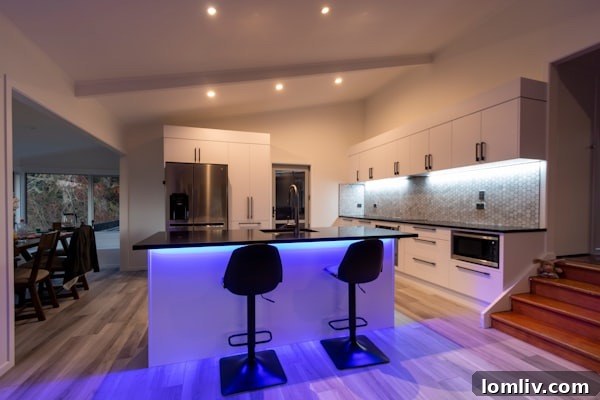
Upgrading to LED lighting is one of the fastest ways to see a return on your investment, often paying for itself in under a year. LEDs consume approximately 75 percent less energy than traditional halogen bulbs and boast a lifespan five to ten times longer. This translates to significant savings on your electricity bills and far fewer bulb replacements. Before swapping fittings, map your existing electrical circuits and always choose reputable brands with clear specifications for colour temperature (measured in Kelvin) and lumen output (brightness).
Quick Wins: Instant Lighting Transformations
- Replace Halogen Globes with LED Lamps: The simplest upgrade is to directly replace inefficient halogen globes with LED equivalents that match the same base type (e.g., GU10, E27, B22). Ensure the LED lamp’s wattage is appropriate for the fitting and desired brightness.
- Choose Appropriate Colour Temperatures: Select ‘warm white’ (around 2700-3000K) for living spaces and bedrooms to create a cosy, inviting atmosphere. Opt for ‘cool white’ (around 4000-5000K) in kitchens, laundries, and studies, where task lighting and higher visual clarity are beneficial.
- Add Motion Sensors for Smart Automation: Install motion sensors in garages, hallways, outdoor entries, and utility rooms. This ensures lights automatically switch on when needed and, more importantly, switch off when no one is present, preventing unnecessary energy waste and improving security.
Revitalise Your Kitchen: Smart Updates for Functionality and Style
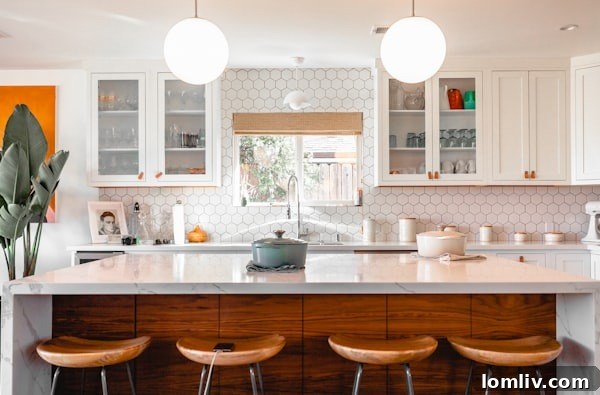
Achieving a fresh, modern kitchen doesn’t necessarily mean undertaking a full-scale demolition. By retaining the existing layout and focusing on refreshing high-touch surfaces and key appliances, you can control costs while dramatically improving daily usability and aesthetics. A smart upgrade like an induction cooktop, for example, transfers energy at roughly 85 percent efficiency, a stark contrast to the approximately 32 percent efficiency of a typical gas cooktop, offering both energy savings and superior cooking performance.
Save Tier: Cosmetic Enhancements for a Fresh Look
Small changes can have a big impact on your kitchen’s overall feel:
- Deep Clean and Repaint Cabinet Doors: Give tired cabinet doors a new lease on life with a thorough clean and a fresh coat of paint. Choose a high-quality coating system specifically designed for laminate or timber surfaces for durability and a professional finish.
- Swap Tired Handles and Refresh Grout: Updating cabinet handles and drawer pulls is an incredibly affordable way to modernise your kitchen’s look. Simultaneously, refresh discoloured or cracked tile grout to brighten the space and improve hygiene.
- Add LED Strips Under Cabinets: Install discreet LED strip lighting under upper cabinets. This provides excellent task lighting for benchtops and adds an instant visual lift, making the space feel more contemporary and inviting.
Smart Tier: Functional Upgrades for Enhanced Usability
- Replace the Benchtop, Sink, and Mixer: These elements endure the most wear and tear. Upgrading to a durable, modern benchtop material, paired with a stylish and functional sink and mixer tap, can significantly improve both the aesthetics and practicality of your kitchen.
- Fit Soft-Close Hinges and Upgrade to an Induction Cooktop: Replace old cabinet hinges with soft-close versions for a premium feel and reduced wear. Transitioning to an induction cooktop, ensuring your electrical circuits can adequately support it, offers faster heating, precise temperature control, and easier cleaning.
- Convert to a Ducted Rangehood: Ditch recirculating rangehoods for a ducted system that vents cooking fumes and moisture directly outside. This dramatically improves indoor air quality by removing grease, odours, and humidity, preventing them from recirculating throughout your home.
Splurge Tier: Investment in Longevity and Bespoke Functionality
This tier suits homeowners ready to invest a bit more in tailored function and a near-new aesthetic:
- Order New Doors and Drawer Fronts on Existing Carcasses: For a truly transformative yet cost-effective renovation, replace only the visible cabinet doors and drawer fronts while retaining the existing cabinet carcasses. This achieves a near-new look at a fraction of the cost of a full kitchen replacement.
- Bundle Mid-Range Appliances: Invest in a suite of new, energy-efficient appliances. Look for mid-range models that offer a balance of features, reliability, and value, ensuring they complement your new kitchen design.
- Measure Carefully for Benchtop Templates: Precision is key for new benchtops, especially those made from stone or engineered materials. Professional templating ensures a perfect fit and finish for a seamless look. For Melbourne renovators seeking design-led assistance without committing to a full gut renovation, exploring kitchens Melbourne from Mint Kitchen Group offers bespoke solutions. You’ll benefit from custom storage configurations, durable finishes, and comprehensive project management from initial design concepts through to professional installation.
Bathroom Brilliance: Water-Saving Upgrades and Moisture Control
Targeted upgrades to bathroom fixtures and ventilation can significantly reduce both water and energy bills while simultaneously preventing costly moisture damage. Australia’s WELS program estimates average bill savings of approximately $243 per year for a four-person household that upgrades to efficient fittings. Crucially, always ensure your bathroom exhaust fan is adequately sized and ducted to the outside to effectively remove moisture and prevent mould growth. This also eliminates damp smells from permeating adjoining bedrooms and hallways, maintaining a healthier indoor environment.
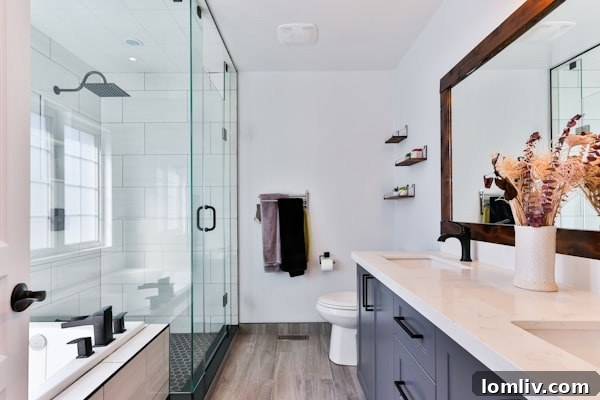
Quick Wins: Immediate Bathroom Enhancements
- Fit WELS 4 to 6 Star Shower Heads and Basin Mixers: Upgrade to highly water-efficient shower heads and basin mixers. These fixtures significantly cut down on water consumption without compromising water pressure, saving both water and the energy used to heat it.
- Replace Silicone Around Trays and Basins: Old, mouldy, or cracked silicone not only looks unsightly but can also allow water ingress, leading to costly damage. Refreshing silicone seals around shower trays, basins, and baths improves hygiene and aesthetics.
- Upgrade to Bright, Low-Glare LED Lighting: Install LED lighting specifically designed for bathrooms (check IP ratings for splash zones). Choose bright, low-glare options that provide excellent illumination for grooming tasks while consuming minimal energy.
- Install an Exhaust Fan Ducted Outside with a Run-on Timer: Ensure your exhaust fan is correctly sized for your bathroom and effectively ducts moist air outside, rather than into the roof space. Adding a run-on timer ensures the fan continues to clear steam and humidity for a set period after you’ve left the bathroom, preventing mould and dampness.
Boosting Kerb Appeal: Exterior Repaints and Facade Enhancements
Australia’s extreme UV levels mean that proper surface preparation and the use of UV-stable coatings are not just desirable but essential for a long-lasting exterior finish. Beyond aesthetics, choosing light-coloured, reflective surfaces can significantly lower your home’s heat gain, working in synergy with your insulation to keep interiors cooler. Before commencing any facade work, always check for heritage overlays and Bushfire Attack Level (BAL) requirements, as these can impose specific material and colour restrictions.

When to Hire a Professional for Exterior Painting
While some exterior painting can be a DIY project, certain situations strongly justify calling in professional painters:
- Two-Storey Work or High Access Areas: Working at heights requires specialized safety equipment and expertise to prevent accidents. Professionals are equipped with scaffolding, harnesses, and safety protocols.
- Heritage Homes: Heritage properties often require specific paint types, colours, and application techniques to maintain their historical integrity and comply with local regulations. Experienced heritage painters understand these nuances.
- Extensive Surface Preparation: If your facade requires significant preparation—such as lead paint removal, extensive render repairs, or timber restoration—the complexity and potential health risks warrant professional attention.
Always ask for a detailed written specification that outlines the levels of surface preparation, the primers to be used, the number of coats, and the specific brand lines of paint. If you’re in South Australia and seeking UV-stable preparation and coatings specifically tuned to local climate conditions, consider contacting AJ Blunt Painting’s exterior painters Adelaide. They can provide a comprehensive quote and valuable heritage-safe colour advice to ensure a durable and aesthetically pleasing finish.
Windows Transformed: Smart Glazing and Shading Strategies
Your windows, often overlooked, can be either major energy liabilities or significant assets. Up to 40 percent of a home’s heating energy can be lost through windows in winter, while up to 87 percent of unwanted heat is gained through glazing in summer. Upgrading to double-glazed windows can reduce heat loss by up to 30 percent compared to standard single glazing, offering substantial thermal benefits.
To combat Australia’s intense sun, strategically add exterior awnings or shading devices to west and north-facing windows. These block direct sunlight before it even reaches the glass, dramatically improving summer comfort and reducing cooling loads. For winter, utilise close-fitted blinds with pelmets (top covers) to trap a layer of still air against the window, providing an additional insulating barrier.
For optimal results, specify double glazing with low-emissivity (Low-E) coatings, which reflect radiant heat, and thermally broken frames. Thermally broken frames incorporate a non-conductive material between the inner and outer frame sections, significantly reducing heat transfer through the metal. Thoughtful window treatments and glazing upgrades not only transform thermal comfort but also enhance the aesthetic appeal and overall feel of your rooms.
Efficient Comfort: Modern Heating and Cooling Solutions
Maintaining comfortable indoor temperatures doesn’t have to come with exorbitant energy bills. Smart heating and cooling choices can make a significant difference. Ceiling fans, for instance, are incredibly cost-effective, making a room feel approximately 3 degrees Celsius cooler for an operational cost of around 2 cents per hour. They work by creating a wind-chill effect, helping to evaporate sweat from your skin and making the air feel fresher.
For more substantial heating and cooling needs, reverse cycle heat pumps (often referred to as reverse cycle air conditioners) are exceptionally efficient. Unlike resistive heaters that generate heat, heat pumps move heat from one place to another. They can deliver three to six times the heat output per unit of electricity consumed compared to conventional electric resistive heaters. When choosing a ceiling fan, ensure it’s the right diameter for your room size for optimal airflow. In winter, many ceiling fans offer a “reverse” mode, which gently pushes warm air that rises to the ceiling back down into the living space, improving heat distribution and comfort.
Hot Water Reimagined: Energy-Sipping Systems
Hot water generation typically accounts for about a quarter of a household’s total energy consumption, making it a prime target for efficiency upgrades. Heat pump water heaters are a revolutionary solution, using roughly 30 percent of the energy of conventional electric storage units. They operate similarly to a refrigerator in reverse, extracting heat from the ambient air and transferring it to the water, making them incredibly efficient.
To further reduce energy waste, insulate exposed hot water lines, especially those running through unconditioned spaces like garages, basements, or roof cavities. This simple DIY task minimises heat loss before the hot water reaches your tap. When your existing hot water unit reaches the end of its life, replacing it with a heat pump system is a strategic decision that not only saves energy but can also qualify you for valuable Small-scale Technology Certificates (STCs) under government incentive programs, further offsetting the initial investment. Once your home’s essential services are efficient and reliable, you can then comfortably shift your focus to enhancing its aesthetic appeal and weather resilience.
Frequently Asked Questions for Australian Homeowners
What order should I tackle projects with a limited budget?
With a limited budget, prioritise projects that offer the quickest return on investment and most immediate comfort improvements. Start with sealing air leaks (draught proofing doors and windows), upgrading to LED lighting, and improving bathroom exhaust ventilation. These are often inexpensive DIY tasks that provide instant benefits. Next, focus on adding ceiling fans and topping up ceiling insulation. Only after these foundational steps should you consider larger, more expensive projects like glazing upgrades or major kitchen renovations.
Which upgrades help most in Adelaide’s heat versus Melbourne’s cold?
Homes in Adelaide, known for its intense summer heat, benefit most from external shading (awnings, pergolas), ceiling fans, lighter external paint colours, and effective cross-ventilation. These strategies aim to prevent heat gain. Melbourne, with its colder winters, should prioritise robust insulation (especially in ceilings and walls), comprehensive draught sealing, and double glazing to retain heat. Both climates benefit significantly from efficient reverse-cycle heat pumps for year-round comfort and heat pump hot water systems.
Do I need council approval for a deck or repaint?
Simple repaints generally do not require council approval, though specific colours may be regulated in heritage overlay areas. Decks, however, typically require permits, especially if they are elevated, larger than a certain size, or located in bushfire prone areas (BAL zones). Always confirm specific requirements with your local council or a building certifier before commencing any structural or significant exterior work to ensure compliance with local planning and building regulations.
How do I check for asbestos before starting work?
Homes built or renovated before 1990 in Australia may contain asbestos-containing materials (ACMs) in various forms, including fibro sheeting, roofing, wet area linings, and insulation. Never drill, sand, cut, or disturb suspect materials yourself. The safest approach is to arrange for sampling and testing by a competent person, such as a licensed asbestos assessor. If asbestos is confirmed, use licensed asbestos removalists who are trained and equipped to safely manage and dispose of the material in compliance with strict health and safety regulations.
What government rebates or incentives are available for energy-efficient upgrades?
Australia offers various federal and state-based incentives to encourage energy-efficient home upgrades. These can include Small-scale Technology Certificates (STCs) for eligible heat pump water heaters and solar panels, state-specific rebates for insulation or efficient appliances, and low-interest loan schemes for energy-saving improvements. Eligibility criteria and available schemes vary by state and local government area, so it’s advisable to check your state’s energy department website or the Australian Government’s Clean Energy Regulator for the most current information and programs applicable to your region.