The Invisible Danger: How Gas Leaks From Soil Are Threatening Homes in Lakewood and Beyond
Imagine the unimaginable: a gas explosion in your home, not from a faulty appliance or an internal pipe, but from gas silently seeping through the very ground your house stands upon. This terrifying scenario became a stark reality for Megan Anderson in her Lakewood home, uncovering a disturbing truth about natural gas safety that every homeowner needs to understand.
When the unmistakable odor of natural gas typically alerts us to a potential danger, the first, non-negotiable instruction from utility companies like Atmos is always clear: “Get out of the house immediately.” This crucial advice hinges on the assumption that you will smell the gas. But what happens when the gas, laden with its tell-tale odorant, travels through soil before reaching your living space? The answer, as Megan devastatingly discovered, is a silent, invisible threat.
A Nightmare Unfolds: Megan Anderson’s Terrifying Experience
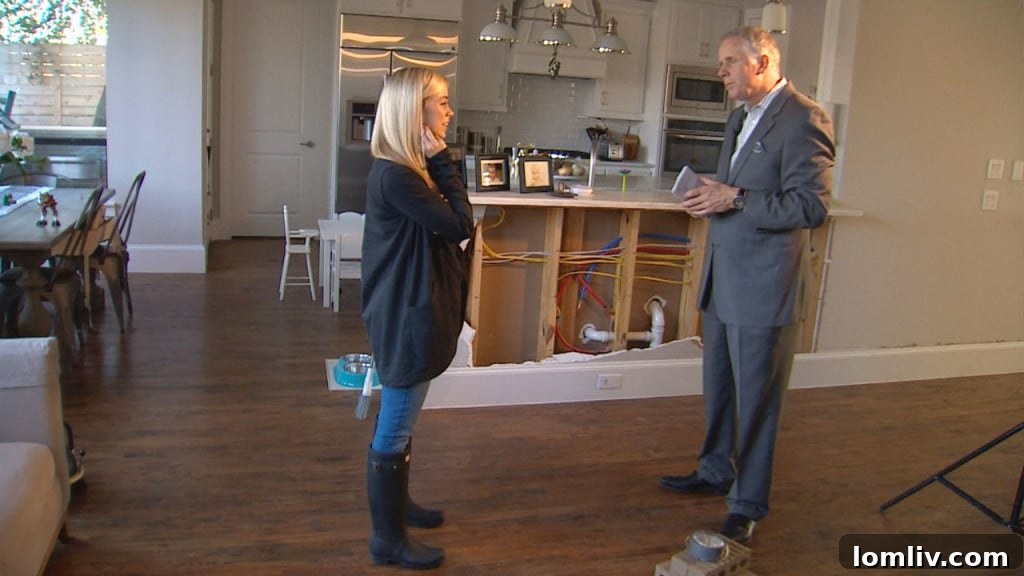
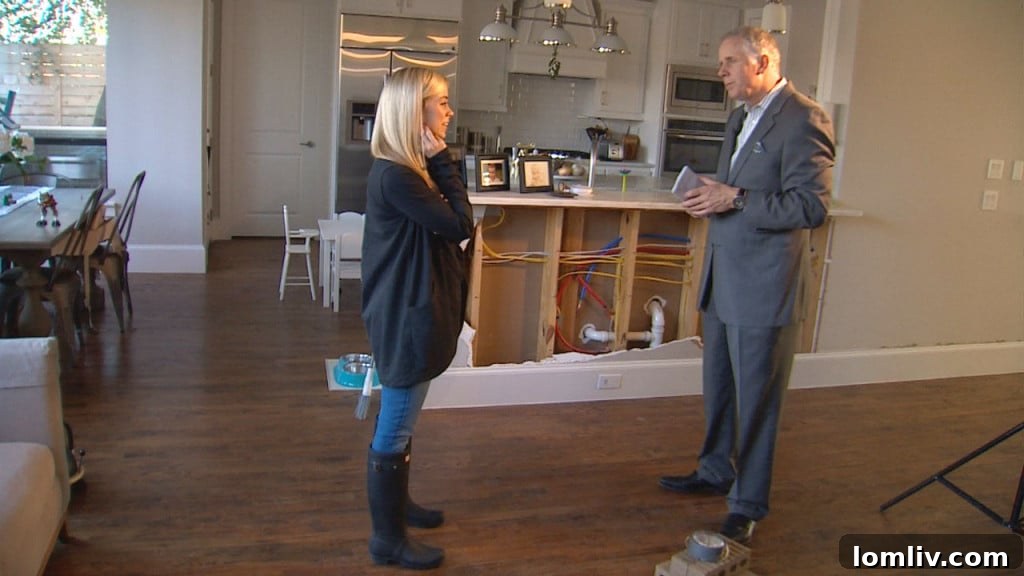
On January 5th, Megan Anderson was engaged in a routine chore, washing dishes in her kitchen, completely unaware of the peril lurking within her home’s walls. Unbeknownst to her, natural gas had been steadily accumulating in the space between her kitchen and living room wall. There was no foul smell, no warning sign that would have prompted her to evacuate. Tragically, a simple act – flipping the switch on her garbage disposal – provided the spark. The ensuing explosion ripped a hole in her wall, turning an ordinary day into a scene of chaos and destruction.
Her harrowing experience begs two critical questions: Why didn’t Megan smell the gas? And why wasn’t she alerted to evacuate?
The Deceptive Silence: Why Some Gas Leaks Go Undetected
Natural gas, in its raw form, is odorless. To ensure public safety, utility companies add a distinctive, foul-smelling chemical called mercaptan, often described as smelling like rotten eggs or sulfur. This odorant is meant to be a homeowner’s first line of defense, a clear signal of danger. However, the efficacy of mercaptan is severely compromised when gas travels through soil.
As gas migrates through the earth, the soil acts as a natural filter, stripping away the mercaptan. This process leaves the gas odorless by the time it enters a home, creating a perilous situation where residents are robbed of their primary warning system. This phenomenon transforms an otherwise detectable hazard into a silent, invisible killer, allowing gas to accumulate to explosive concentrations without any sensory alert.
Megan’s Public Plea and Community Concerns
In the aftermath of her ordeal, Megan took to the Lakewood Facebook page to share her story and issue a dire warning to her neighbors. Her post shed crucial light on the true nature of the threat:
To be clear, our house does not, and did not have a gas leak from any of the gas pipes inside or even within the boundaries of our property. The gas in our home traveled from the leaking gas main through the soil into our home. The gas is in our SOIL and it is certainly not contained to our property. Atmos claims that they have notified our neighbors of what is going on and that they have checked to see if any other homes in our neighborhood have gas leaks but after everything they’ve put us through and all of the lies we’ve been told, we’re not buying it. We did not smell ANYTHING in our home before the explosion – the soil filters out the smell that the gas company adds to natural gas – so many of our neighbors could have gas leaks and not know it. I’m afraid this is a neighborhood problem if not more and I’m concerned for my neighbors.
Megan’s experience and her powerful message underscore a critical public safety issue: the gas company’s assurance that leaks are contained or that neighbors have been adequately informed comes under intense scrutiny when the very mechanism of detection is flawed. Her plea resonated deeply within the community, igniting fears about a widespread, hidden danger.
A Pattern of Unanswered Questions: Lakewood’s Persistent Gas Problem
Megan Anderson’s incident was not an isolated event but rather the climax of a series of unsettling reports from the Lakewood area. Earlier that year, residents across various parts of Lakewood, from West Shore to Pasadena and University Terrace (where the Andersons reside), had reported persistent gas smells. Atmos dispatched trucks, and Dallas Fire and Rescue teams responded to multiple locations, yet, conspicuously, no significant leaks were ever officially “found.”
Atmos’s official explanation for these widespread reports? “Funky air in the atmosphere.” This casual dismissal, however, does little to assuage the growing concerns of residents who continue to report regular, strong odors of gas in their neighborhoods, particularly in East Dallas.
Clay Frenzel’s Ongoing Battle with a Recurring Leak
Adding another layer to this perplexing narrative is the story of Clay Frenzel, a long-time resident of an L street home in Lakewood. As reported by the Advocate, Frenzel and his family began noticing the distinct rotten-egg stench of gas in their backyard over six months prior to the Anderson incident. Upon contacting Atmos, the initial response was to blame the unique U-shaped design of his backyard, suggesting the gas was merely “collecting” there.
Neighbor Clay Frenzel has resided in his L street home for seven years, but six months ago the family began noticing the rotten-egg stench of gas in their backyard. They called Atmos, who initially blamed the family’s own U-shaped backyard.
“What’s strange, and they told me this, is that they think it collects on my deck,” he says. He agrees that it’s a little fishy that after six-and-a-half years in the home, the gas would suddenly begin collecting in his backyard.
What’s more, Frenzel says Atmos later admitted there was a leak behind his house.
“They told me it was really minor,” he says.
However, he went away for a week, and returned to find brand new pavement in the alley behind his house. Like at the Anderson’s University Terrace home, Atmos had replaced the block’s gas main. But it hasn’t stopped the problem.
“We smell it all the time, but we don’t call every time,” Frenzel says, adding that his 2-year-old now knows how to detect the gas. “It’s not every day but it’s definitely recurring.”
Frenzel’s story highlights the frustrating reality of dealing with persistent gas leaks: initial denials, eventual admissions of “minor” leaks, and repairs that don’t fully resolve the issue. The fact that his two-year-old child has become adept at detecting the gas odor speaks volumes about the regularity and severity of the problem. This ongoing situation, coupled with Megan’s explosion, paints a worrying picture of gas infrastructure integrity and customer service responsiveness in the area.
The Broader Implications: Trust, Safety, and Accountability
The incidents in Lakewood are more than just local anomalies; they are indicators of a potentially systemic issue regarding pipeline safety, gas company protocols, and public trust. When residents report gas smells, they are entrusting their safety to utility companies whose primary responsibility is to maintain a secure and reliable gas distribution network. The filtering of mercaptan by soil adds a dangerous layer of complexity, demanding a proactive and transparent approach from gas providers.
The failure to detect or adequately address gas leaks, especially those migrating through soil, carries severe consequences. Beyond property damage, such incidents pose significant risks of injury or even fatality. The psychological toll on affected residents, living in fear of an invisible threat within their own homes, is immeasurable. These events also raise serious questions about regulatory oversight and the adequacy of current safety standards for aging infrastructure.
WFAA, a local news outlet, has also covered this alarming phenomenon, bringing wider attention to the community’s concerns. Yet, for many homeowners, the fundamental question remains:
Are you worried that there’s something Atmos, or other utility providers, aren’t fully disclosing about the gas infrastructure and the silent dangers lurking beneath our streets and homes?
Empowering Residents: What You Can Do
In the face of such an invisible threat, homeowner vigilance becomes paramount. While relying on the smell of mercaptan can be unreliable due to soil filtration, there are proactive steps residents can take:
- Report Everything: If you smell gas, even faintly, or suspect an issue (e.g., dying vegetation over a gas line), report it to your gas company immediately. Do not assume it’s “funky air” or “minor.” Every report contributes to building a record of concerns.
- Consider Gas Detectors: Install natural gas detectors in your home, especially near gas appliances and in basements or enclosed spaces where gas might accumulate. These devices are designed to detect odorless gas concentrations.
- Be Aware of Your Surroundings: Pay attention to any unusual changes in your yard, such as dead or discolored vegetation over gas lines, unexplained bubbling in wet areas, or a hissing sound near gas meters or pipelines.
- Document Everything: Keep detailed records of every interaction with your gas company, including dates, times, names of representatives, what was discussed, and any actions taken (or not taken). Take photos or videos if you observe something suspicious.
- Stay Informed and Connect with Neighbors: Join community groups and stay updated on local issues. Sharing information and experiences can reveal patterns and strengthen collective advocacy for safer infrastructure.
- Know Your Emergency Plan: Discuss with your family what to do in case of a gas emergency: evacuate immediately, move to a safe distance, and call 911 and your gas company from a neighbor’s home or a safe location. Do not use phones, light switches, or anything that could create a spark inside the house.
Conclusion: A Call for Transparency and Action
The incidents in Lakewood serve as a critical reminder that safety cannot be taken for granted. The silent danger of odorless gas leaks from compromised infrastructure demands more than just reactive measures; it requires transparency, proactive maintenance, and unwavering accountability from utility companies. Residents deserve to feel safe in their homes, and that safety begins with clear communication, diligent action, and a commitment to addressing every potential threat, seen or unseen.