Dallas Gas Crisis: Residents Demand Answers as Atmos Energy Faces Scrutiny After Explosions
Days after Atmos Energy initiated an unprecedented shutdown of gas service to 2,800 homes following a devastating house explosion last week, residents in the affected Dallas neighborhoods are voicing profound distrust and concern regarding the utility provider’s handling of the crisis. While Atmos representatives claimed the massive operation was proceeding as planned, many homeowners directly impacted by the natural gas leaks and subsequent service interruptions feel left in the dark and at continued risk.
“I have absolutely no confidence in Atmos Energy right now,” stated Lauren Berman, a Midway Hollow resident whose family cut their vacation short to return home amidst the chaos. “The longer this situation unfolds, the more frightened we become about our safety and the integrity of our community’s infrastructure.”
Growing Dissatisfaction and Communication Breakdown
Berman highlighted a troubling lack of clear communication and consistency from Atmos Energy personnel on the ground. She recounted instances where neighbors received conflicting information regarding critical procedures, such as whether company employees needed to enter homes to turn off individual gas appliances. “Some neighbors were told entry was mandatory, while others heard it wasn’t necessary,” she explained. Adding to the confusion, several residents reported that their gas service, which was supposed to have been disconnected, remained active. “It truly feels like no one has a firm grasp on the protocol, and our neighborhood remains under a constant threat of another explosion,” Berman expressed, capturing the widespread anxiety.
Amanda Munn echoed these sentiments, lamenting the “very little communication” and the absence of “real warnings” prior to the crisis escalating. “I feel as though Atmos Energy has intentionally put my life, and the lives of everyone in my neighborhood, in grave danger,” Munn asserted, reflecting the deep sense of betrayal felt by many. Megan Bauer went further, characterizing the situation as “another story of corporate greed at the expense of regular people.” She added, “When consumers have no alternative service providers, it creates an environment ripe for such negligence and disastrous outcomes.”
Unanswered Questions Plague Distrustful Customers
The immediate crisis has also prompted a torrent of long-term questions from affected customers, further eroding their faith in Atmos Energy’s commitment to safety. Rachel Bowers voiced a critical inquiry, “I want to understand the timeline for when Atmos was mandated to replace old steel pipes, particularly following the 2011 regulations, and precisely what replacements they’ve completed since then.” Bowers emphasized her desire for a clear comparison between the company’s planned actions and their actual execution to adequately assess their trustworthiness. “If they had a proactive plan and were making progress, that’s one thing. But if they’ve failed to plan or execute anything, my confidence is shattered,” she said. Furthermore, Bowers questioned the allocation of approved rate increases, asking, “If these increases were specifically earmarked for infrastructure upgrades, how much of that money has been utilized, and how much remains?”
Other residents are scrutinizing recent utility bills, wondering if unusually high charges could have signaled underlying issues with the gas lines. “Can we investigate the unusually large gas bills we received in January and February?” asked Elaine Luce. “Could these gas line failures be a symptom of a larger, systemic problem?” Warren Burt offered a potential explanation he’d heard for the high bills, noting, “The explanation I received for the high bills was that it’s based on a neighborhood average — implying they might not have been reading individual household meters.” Such revelations only compounded customer suspicions.
A Personal Account: Evacuation and the Discovery of Failure
The human toll of the crisis is starkly illustrated by Jatsive Hernandez, a resident on Valley Ridge Road, who was also forced to evacuate her home for a night earlier this week. She and her mother detected a strong smell of gas in their backyard. “We performed the soapy water test on the pipe at the meter, and it immediately bubbled,” Hernandez recounted. Upon calling Atmos, crews confirmed a leak at the meter and another in the alleyway behind her home.
Hernandez and her family were directed to a hotel for the night. On their way, they passed the command center set up by the city and Atmos on Webb Chapel Road, driving by the now-evacuated Chapel Creek Apartments. The experience was unsettling. “As we approached the apartments, the smell of gas was incredibly potent,” she described. “We were only in that vicinity for a few seconds, but it was enough to make us all feel a little light-headed.”
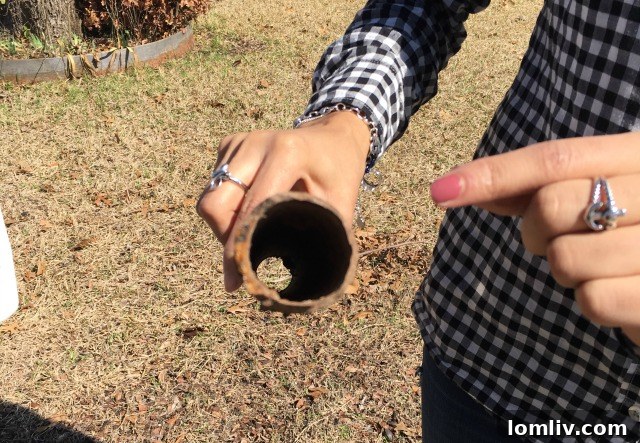
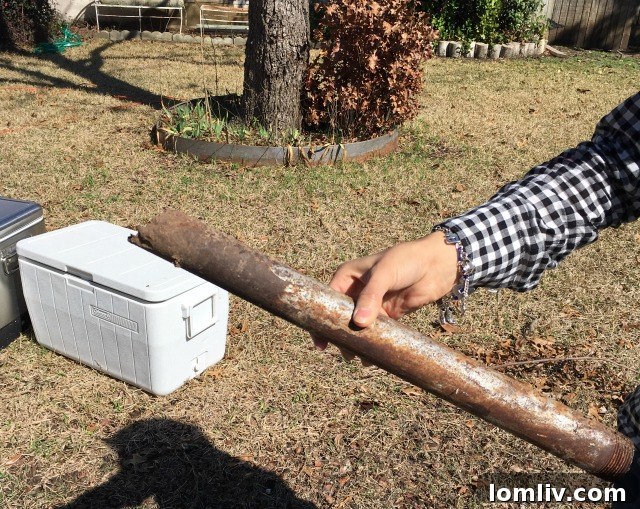
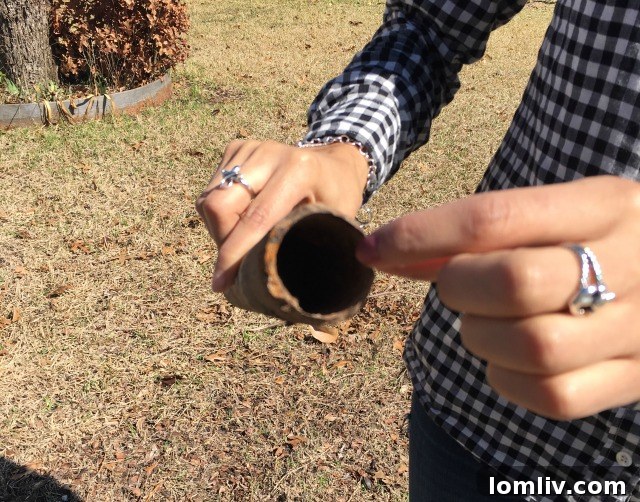
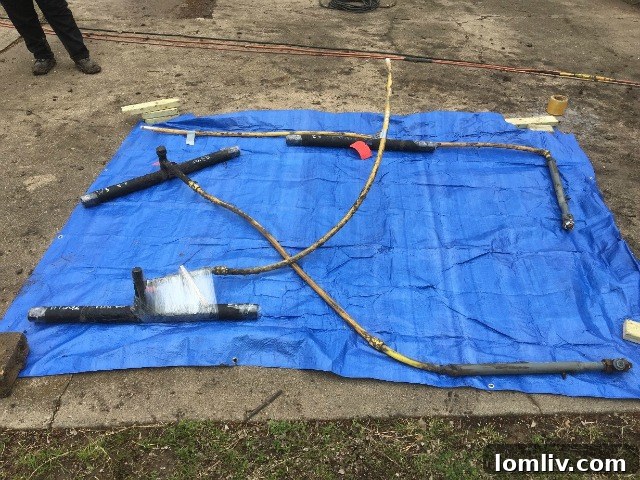
Despite being in the designated shutdown zone, the Hernandez family has since returned home, fortunate to have an electric water heater installed during a previous renovation. “When my parents added the upstairs extension, they wisely included a separate electric water heater, so we’re still able to take hot showers,” she shared. However, a more disturbing discovery came during the repair process. Hernandez pointed to a discarded section of the old pipe where it had completely failed. “This wasn’t where they cut it; this is precisely where the pipe broke apart,” she emphasized, underscoring the severity of the infrastructure decay.
Community Shows Support for On-the-Ground Crews
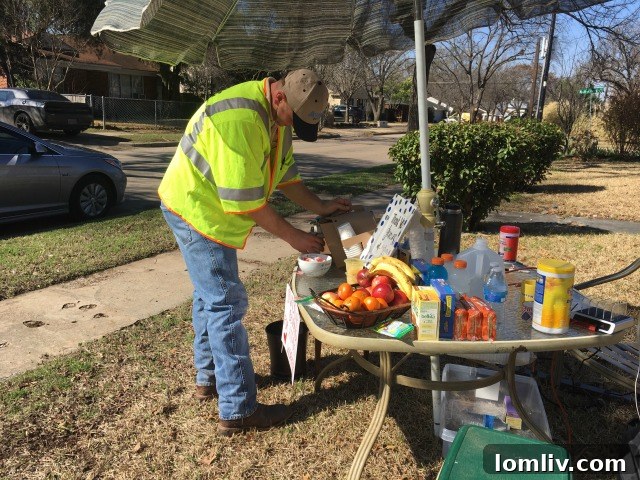
While anger towards Atmos Energy’s corporate management simmered, residents were quick to distinguish their frustration from their appreciation for the tireless work of the field crews. On Friday morning, Hernandez and her neighbors set up a thoughtful snack station at her home, offering weary workers hot coffee, water, and various snacks. As Hernandez welcomed crews arriving for a quick break, more neighbors appeared, bringing additional donations of donuts, pastries, and water.
“We wanted to make it clear that while we might be incredibly angry at Atmos as a company, we are absolutely not mad at these individuals,” Hernandez explained during a quiet moment. “We are profoundly grateful for their dedication and the arduous work they’re putting in to ensure everyone’s safety amidst these challenging conditions.” This gesture of goodwill highlighted the community’s resilience and compassion in the face of adversity, recognizing the distinction between corporate responsibility and individual effort.
NTSB Investigation Uncovers Critical Details
Meanwhile, the Walnut Hill Recreation Center, which had been a hub of activity as hundreds lined up to collect per diem assistance to offset relocation and living expenses during the three-week gas stoppage, was notably calm by Monday midday. The focus had shifted to the ongoing investigation by the National Transportation Safety Board (NTSB), which is probing the deadly home explosion and the events leading up to it.
In an update, the NTSB confirmed its team of three investigators arrived on February 25. “During the initial assessment of the accident site, investigators learned of two other homes in the immediate vicinity that were damaged by two separate explosions or fires just two days prior,” the agency reported, indicating a pattern of failures. The NTSB’s comprehensive investigation is meticulously examining Atmos Energy’s integrity management and operational procedures, their response to the accident, and the actions of state and local emergency response agencies. Key partners, including the Railroad Commission of Texas and the Pipeline and Hazardous Materials Safety Administration, are providing crucial technical assistance.
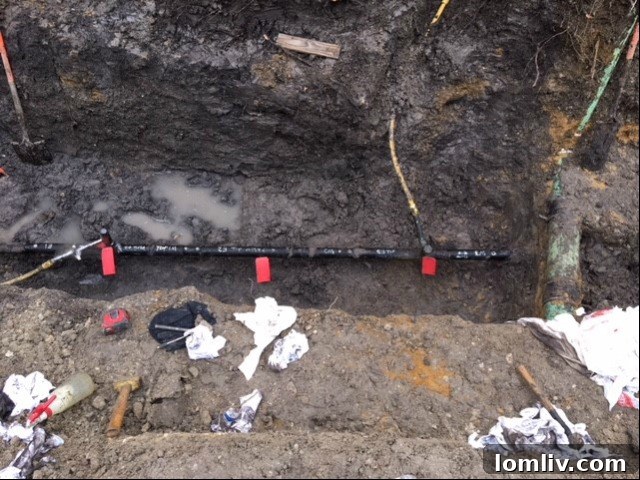
The NTSB has already interviewed eleven Dallas Fire and Rescue Department personnel and four Atmos Energy employees who responded to the February 21 and 22 house fires. Despite challenges posed by heavy rainfall hindering evidence collection and line excavation, a critical leak has been identified. “A leak has been found at a service tee connection to 3524 Espanola Drive,” the agency confirmed. “This 6-foot long distribution mainline segment has been collected and will be shipped to the NTSB materials laboratory in Washington for exhaustive examination.” The NTSB plans to conduct further hydrostatic pressure tests on customer gas lines at 3534 Espanola Drive in the coming days, a standard procedure to verify the structural integrity of repaired or replaced pipeline segments before they are returned to service.
The Confluence of Old Infrastructure and Challenging Geology
The initial findings and prevailing theories point to a dangerous combination of geological factors and aging infrastructure as the primary contributors to the tragedy. Atmos Energy Senior Vice President of Utility Operations, David Park, shed light on the system’s composition and age. “This was a coated steel piping system,” Park explained, noting its installation around the same time many homes in the area were built – roughly the late 1940s or 1950s. He admitted uncertainty regarding the types of couplings originally used and whether they had ever been replaced.
To understand the unprecedented number of pipe failures in the area, which spans from Walnut Hill to Northwest Highway along Marsh Lane, Atmos Energy engaged an independent geological expert. Park elaborated, “This expert helped us comprehend a unique convergence of two distinct soil types, often referred to as a fault line.” He clarified that it’s more accurately a meeting point of different soil compositions. “When the recent, historically large rain event occurred, it resulted in specific ground movements that exerted immense stress on our pipeline system.” The National Weather Service confirmed that February recorded an unprecedented 11.31 inches of rain, making it the wettest February on record, creating ideal conditions for such geological stress.
The NTSB further underscored this point, stating, “Geologic conditions surrounding the natural gas pipelines in the vicinity of 3534 Espanola Drive are among the many potential causes of the three events on Espanola Drive that the NTSB will examine.” The agency stressed that its investigation is still in its nascent stages, with investigators expected to remain on-site for approximately ten more days. While a preliminary report will be issued soon after evidence collection concludes, the NTSB cautioned that this report will not definitively state the probable cause of the explosion. “Preliminary reports detail significant facts gathered and verified at that stage, but they do not contain analysis or state probable cause,” the update clarified. Major NTSB investigations typically span 12 to 24 months for completion.
The Broader Challenge of Aging Gas Infrastructure
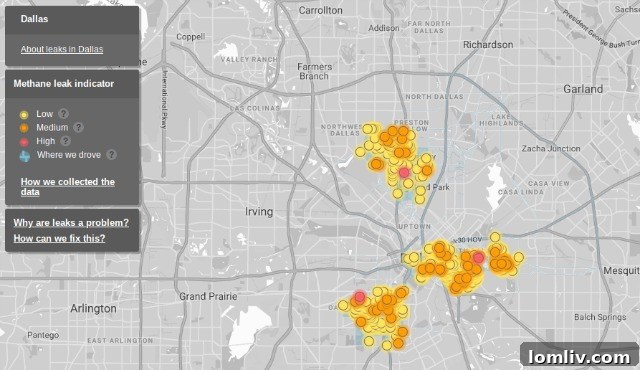
The Dallas gas crisis casts a harsh light on the broader issue of aging natural gas infrastructure across the nation. Data from the Environmental Defense Fund (EDF) reveals that in Dallas, 13 percent of gas mains are constructed from leak-prone materials such as cast iron. EDF’s extensive readings between January 2015 and February 2016 uncovered an alarming average of one gas leak for every two miles driven within their study area. Compounding this risk, approximately 50 percent of the mains in the system are more than half a century old.
Atmos Energy’s Mid-Tex Division has a comprehensive pipe replacement program in place, aiming to eliminate all known cast iron from its system by 2021. However, the recent incidents highlight the immense challenge of proactively replacing vast networks of aging pipelines, especially in areas where unforeseen geological shifts or extreme weather events can accelerate deterioration. The ongoing investigations and the raw anguish of affected residents serve as a potent reminder of the critical need for robust infrastructure investment, transparent communication, and unwavering commitment to public safety from utility providers.
For continuous coverage and community discussions, join our ongoing AMA on Facebook here.