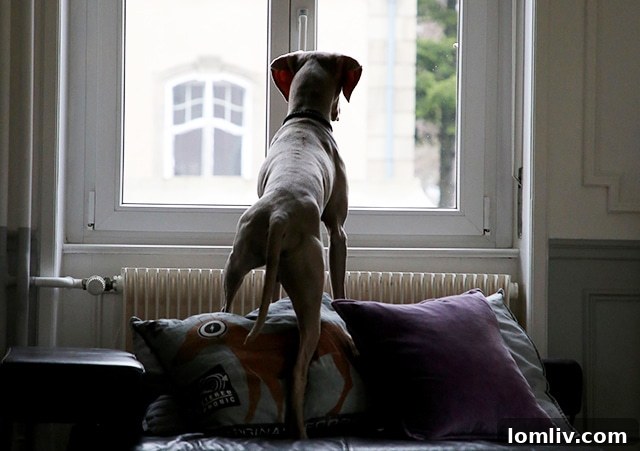
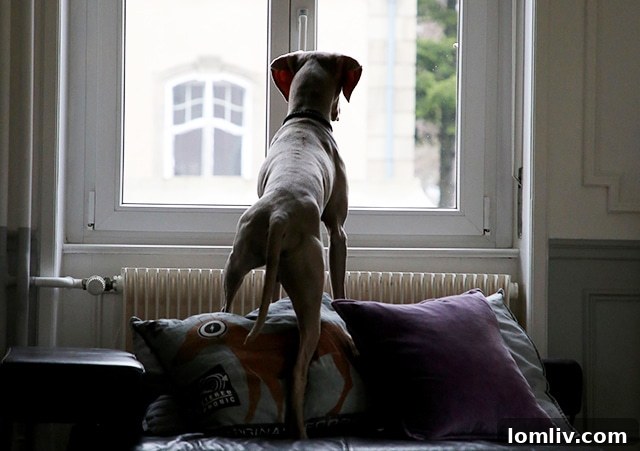
Welcome to the second installment of our insightful Q&A column, featuring acclaimed dog behaviorist Brad Bevill of Bevill Dog Behavior. Brad specializes in helping owners build healthy, balanced relationships with their canine companions. This week, we delve into a pervasive challenge many pet parents are facing as life transitions back to pre-pandemic routines: canine separation anxiety.
Navigating Separation Anxiety: Helping Your Dog Adjust to Your Return to the Office
The past year brought unprecedented changes to our daily lives, transforming our homes into offices and our pets into constant companions. While many of us are eager to return to traditional workplaces, our furry friends may not share the same enthusiasm. The shift can be jarring for dogs who have grown accustomed to our perpetual presence, often leading to signs of separation anxiety. Understanding this phenomenon and implementing proactive strategies is key to ensuring a smooth transition for both you and your beloved pet.
A Reader Asks: Addressing Post-Pandemic Canine Separation Anxiety
“After spending the last year working from home, my office is reopening. I’m ready — but my dog isn’t. He’s been by my side — or in my lap — day in, day out. How can I get him to adjust with my new routine? I’m afraid there’s some serious separation anxiety going on here.”
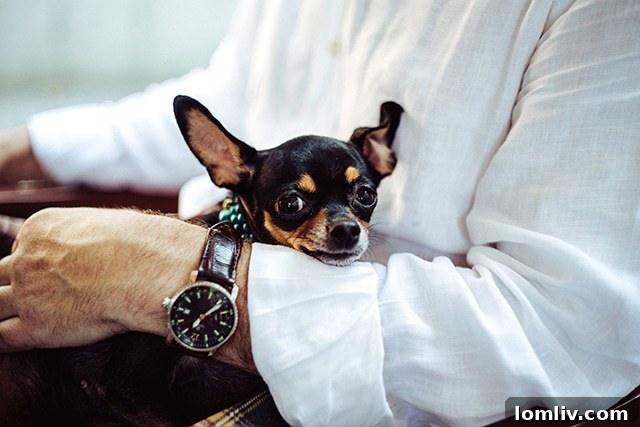
Brad Bevill Answers: Building a Foundation for Canine Independence
The situation you describe is incredibly common right now, and it highlights a fundamental truth about dog behavior: you cannot spend months creating a dynamic of constant companionship and then, whenever you’re ready, simply change your routine and expect your dog to adapt effortlessly. There’s no magical switch. Instead, you must actively create an ongoing, sustainable, and healthy relationship that fosters independence rather than dependence.
When it comes to addressing and preventing separation anxiety, especially during significant routine changes, there are three critical behaviors your dog needs to practice consistently:
- Not following you around the house: This means your dog should be comfortable in a different room or a designated resting spot, even when you are home.
- Not dictating what happens next: Your dog shouldn’t expect or demand your constant attention or control your movements. You initiate interactions, not the other way around.
- And not anticipating your routine or pattern: Dogs thrive on routine, but an overly rigid routine can exacerbate anxiety when changes occur. Varying your habits slightly can help build flexibility.
Failure to establish these foundational behaviors often sets your dog up for failure when you eventually need to leave them alone. It’s about teaching them that your presence isn’t their entire world, and that being separate can be a calm, positive experience.
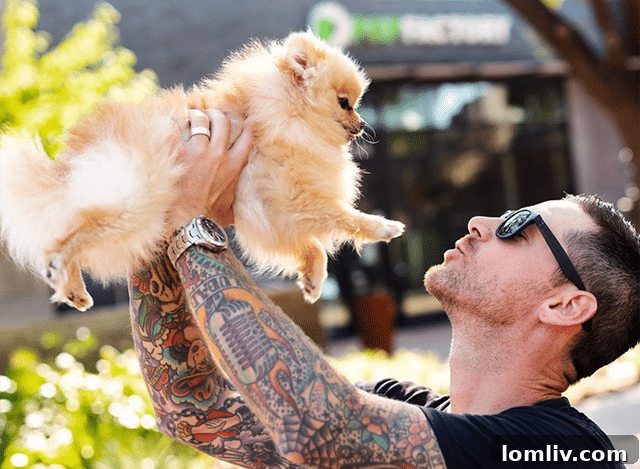
The Pitfalls of Constant Closeness: Why “Velcro Dogs” Struggle with Separation
It’s disheartening to witness owners inadvertently create a scenario where their dog becomes overly dependent. Consider the typical “work-from-home” year: your dog might sit on your lap during every conference call, lay devotedly at your feet while you respond to emails, and follow your every move – from getting a glass of water to brewing coffee in the kitchen. This constant physical proximity, while seemingly affectionate, establishes an unhealthy expectation.
So, what’s the inevitable outcome? After six, eight, or twelve months of this pattern, you suddenly have to return to the office. Your dog follows you all morning, just as always, only this time, when you leave for work, you have to shut the door in their face. From your dog’s perspective, this is a bewildering and often distressing abandonment, starkly contrasting the consistent presence they’ve grown used to.
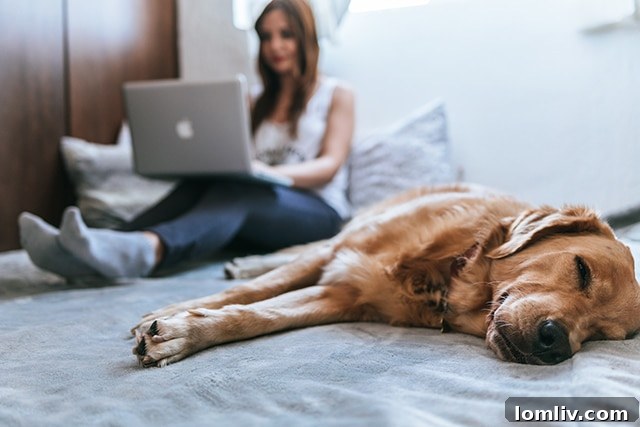
I am here to emphasize that a dog’s brain, especially one conditioned to constant companionship, is not an active, willing participant in the activity of separation. In fact, it’s just the opposite. Your pet’s brain is operating in the exact same mode it has been for the last year: “We are a unit, always together.” You haven’t taught it how to cope with being away from you; you haven’t fostered the confidence required for a healthy, independent relationship with a human being.
Instead, what you’ve inadvertently created is a deep dependence, effectively trapping your dog within the confines of your home, unable to cope when you disappear. This goes against the natural, balanced dynamics of a healthy “pack” structure, where individual members are confident enough to manage their own space and time, even when the whole group isn’t together.
Teaching Independence: How Dogs Thrive in the Human World
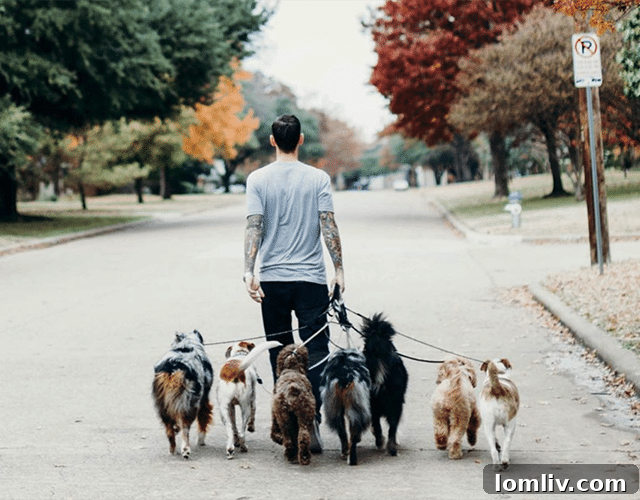
While dogs naturally gravitate towards their pack, we have a responsibility to teach them how to function confidently and calmly within the human world, where the “pack” (us) comes and goes. This isn’t about rejection; it’s about empowerment. Luckily, the core solution is simple yet profoundly effective: consciously prevent your dog from being on you or directly by your side all the time. Be attainable and present when appropriate, but also ensure they have designated periods of crate time or independent resting time, even when you are home.
Fostering a Well-Adjusted Dog: Calmness, Rest, and Self-Reliance
A truly well-adjusted dog understands the importance of rest and relaxation. They know how to be calm, content, and, most importantly, independent. They don’t need constant reassurance of your presence to feel secure. Think of it this way: you don’t want your pet to be like the child on the playground who won’t let go of your leg, even when twenty other kids are having a wonderful time. That kind of clinginess is unhealthy and indicates a lack of proper socialization and self-confidence. A child who clings isn’t engaging with their peers; similarly, a dog constantly attached to you isn’t fully engaging with their own environment or developing crucial coping skills.
No owner wants their dog to suffer from separation anxiety or experience misery when they go to work. The challenge often lies in owners not being fully cognizant of the patterns they are inadvertently creating day in and day out – patterns that inadvertently reinforce their dog’s dependence on their constant presence. The good news is that while there’s no immediate “quick fix,” it is absolutely never too late to start teaching your dog the invaluable skills of independence and self-soothing.
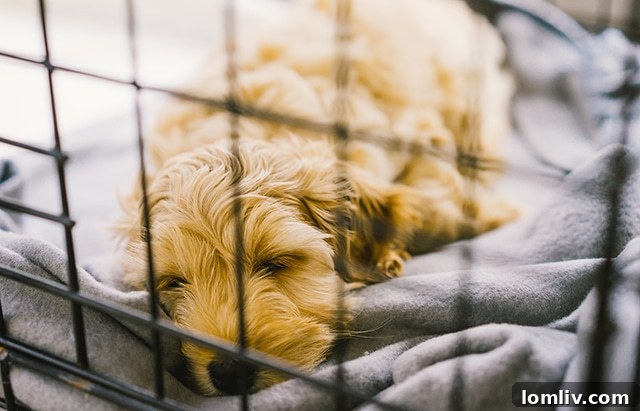
The journey begins by teaching your pup to be comfortably away from you, even when you’re home. This could be in its dog bed ten feet away, in a designated ‘place’ in another room, or calmly resting in its crate. The key is to gradually introduce and reward these periods of voluntary separation.
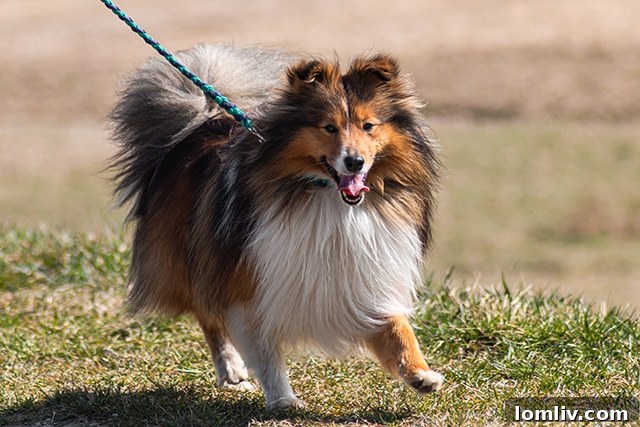
Before your workday even begins, whether you’re working from home or heading to the office, take your dog on a genuinely long and engaging walk. This isn’t just a quick potty break; it’s an opportunity to drain their physical and mental energy through sniffing, exploring, and moving. A physically and mentally tired dog is far more likely to settle down and rest calmly in its crate or designated spot while you’re occupied. You are aiming to create healthy separation, foster genuine independence, and establish clear, consistent boundaries. This ensures that when you are in your office – be it at home or away – your dog is not just tolerating, but genuinely able to relax and feel secure in its own space.
Actionable Steps to Foster Canine Independence and Combat Separation Anxiety:
- Implement “Place” or Boundary Training: Teach your dog to go to a specific mat, bed, or crate and stay there until released. Start with short durations and gradually increase. Reward calm behavior generously. This teaches them that not every room is their domain and that they can relax in their own space.
- Vary Your Routine: Dogs learn patterns quickly. If your routine is always the same (e.g., grab keys, put on shoes, then leave), they’ll anticipate your departure. Mix it up: grab keys, sit down, read a book. Put on shoes, then go to another room. Make your departures less predictable.
- Practice Short Departures: Start with very brief absences. Step out of sight for a few seconds, then return before your dog shows any signs of distress. Gradually increase the time. The goal is for them to learn that you always come back.
- Ignore Before You Leave and After You Return: Avoid making a big fuss when you leave or when you come back. This de-emphasizes your departure and arrival, teaching your dog that these are normal, non-eventful parts of your day. Wait a few minutes after returning home before greeting them, and only greet them when they are calm.
- Provide Mental Enrichment: When your dog is alone (or in their crate), offer puzzle toys, Kongs stuffed with treats, or long-lasting chews. These can distract them, engage their brains, and associate alone time with positive rewards.
- Ensure Adequate Exercise: As Brad mentioned, a long walk before you leave is crucial. Physical exercise reduces excess energy that could manifest as anxiety. Mental exercise (like training sessions or sniffing games) is also incredibly important for tiring out their brains.
- Make the Crate a Positive Place: Never use the crate as punishment. It should be a safe, comfortable den. Feed meals in the crate, give high-value treats only in the crate, and make it inviting with cozy bedding. This positive association is vital for using it as a tool for independent relaxation.
- Consult a Professional: If your dog exhibits severe symptoms of separation anxiety (excessive barking, destructive behavior, self-harm, house soiling) despite your efforts, please seek help from a certified professional dog trainer or veterinary behaviorist. They can provide tailored guidance and may suggest medication in severe cases.
Remember, building a truly confident and independent dog takes time, patience, and consistency. By implementing these strategies, you’re not just preparing your dog for your return to the office; you’re building a stronger, healthier bond for life.

Do you have burning pet-related questions for Brad Bevill? Send them to us at daltxrealestate.com/contact or share your thoughts and experiences in the comments section below.
P.S. You might recall the idea for this column came from Daltxrealestate.com founder and publisher Candy Evans, who welcomed her new Goldendoodle, Butter Belle, last year. Months later, Baby Belle joined the family, too. Here’s our fearless leader with her two bundles of joy.