Omarosa Manigault Newman’s Husband Sued by HOA Amidst “Unhinged” Best-Seller Success
In a fascinating twist of fate, as former White House aide Omarosa Manigault Newman celebrates her literary triumph with “Unhinged” soaring to the top of the New York Times best-seller list, her personal life is making headlines for a different reason. Her husband, Pastor John Newman, along with Omarosa herself, finds himself entangled in a legal battle with their Homeowners Association (HOA). The Jacksonville Golf and Country Club Property Owners Association has initiated legal proceedings, demanding crucial and immediate repairs to the couple’s lavish Florida residence, highlighting the often-unseen complexities of property ownership within regulated communities.
This incident brings into sharp focus the pervasive and sometimes contentious world of Homeowners Associations, entities designed to uphold community standards but often becoming sources of significant disputes for residents. While “Unhinged” exposes the inner workings of the Trump administration, the lawsuit against the Newmans peels back the curtain on the more mundane, yet often frustrating, realities of maintaining a property under strict HOA scrutiny.
The Core of the Dispute: Neglected Property and Mounting Fees
The lawsuit, as widely reported by The Daily Mail, outlines a series of significant maintenance deficiencies that the Jacksonville Golf and Country Club Property Owners Association alleges have been neglected. Among the most pressing concerns cited are extensive mold growth on the roof, a swimming pool described as “filthy” and a breeding ground for mosquitoes, and a severely unkempt yard featuring a dead tree resting precariously on a fence and patches of dead grass. These issues, according to the Association, not only detract from the aesthetic appeal of the upscale community but also pose potential health and safety hazards to neighbors.
Beyond the physical disrepair, the lawsuit also seeks to recover substantial financial obligations. The Association is demanding a payment of $11,063, which covers accumulated back fees and other HOA charges. This financial component adds another layer of complexity to the legal challenge, indicating a prolonged period of non-compliance that has resulted in escalating costs.
The official demands outlined in the lawsuit provide a clear picture of the required rectifications:
Officials demanded that he ‘maintain the exterior of home including mold/mildew removal on the roof to return it to an acceptable standard, or if not possible then a complete replacement of the roof.’
‘Removal of the dead tree resting on the fence in the back yard. Replacement of the dead grass and maintain the landscape material in an acceptable manner.’
‘Complete chemical treatment of the swimming pool to return it to a normal condition to avoid any hazard to neighbors, including potential mosquito problems.’
The suit adds: ‘To date Defendant has failed or refused to make all the necessary repairs.’
These detailed demands underscore the seriousness of the allegations and the specific nature of the repairs expected. For an HOA, property maintenance is not merely about curb appeal; it’s about preserving property values for all residents, ensuring safety, and maintaining the overall quality of life within the community. When one property fails to meet these standards, it can have a ripple effect, impacting the collective investment of all homeowners.
The Property at the Center of the Controversy
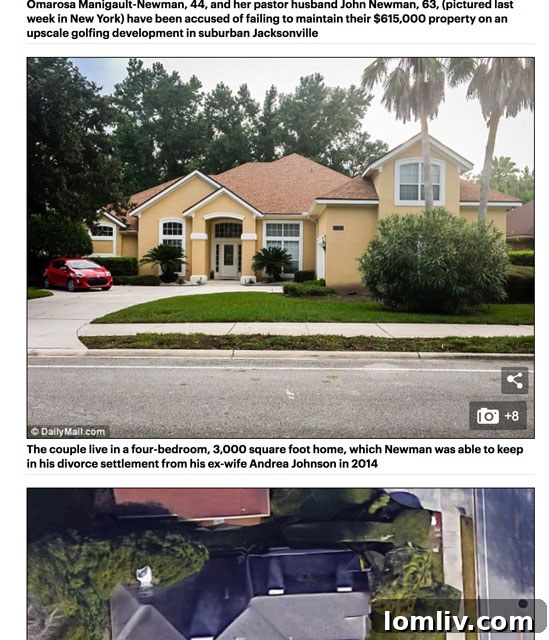
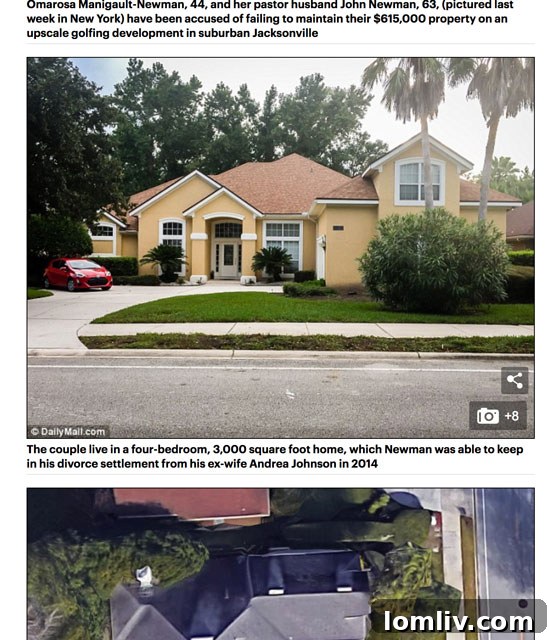
The home in question is a substantial four-bedroom, four-bathroom residence sprawling across 3,048 square feet, ideally situated within the picturesque confines of a golf course community. Valued at $615,000, this property represents a significant investment and a desire for a particular lifestyle often associated with such exclusive locales. Interestingly, Pastor John Newman acquired this home as part of his divorce settlement from his ex-wife, Andrea Newman, adding a layer of personal history to its current legal predicament. The location within a golf course community typically implies higher standards for property upkeep and adherence to community guidelines, making any alleged neglect even more pronounced.
Owning a home in a community governed by an HOA, especially one as prestigious as a golf and country club, comes with a unique set of responsibilities. Homeowners agree to abide by a comprehensive set of covenants, conditions, and restrictions (CC&Rs) that dictate everything from paint colors and landscaping to fence types and, crucially, ongoing maintenance. These rules are designed to ensure uniformity, enhance collective property values, and provide a harmonious living environment. However, they also mean that homeowners surrender a degree of autonomy over their property, a trade-off that is usually accepted for the benefits of community living.
Understanding the Power and Purpose of Homeowners Associations (HOAs)
The legal action against the Newmans serves as a potent reminder of the significant power wielded by Homeowners Associations across the United States. HOAs are private organizations that govern planned communities, condominiums, and co-ops. Their primary function is to manage common areas, enforce community rules, and preserve property values. Funded by mandatory dues and assessments paid by homeowners, HOAs typically handle maintenance of shared amenities like parks, pools, clubhouses, and, in this case, the broader aesthetics and upkeep standards of individual properties.
Common HOA Issues and Their Impact
While often seen as a necessary evil, HOAs play a critical role in maintaining order and value within a community. However, they are also frequently at the center of disputes. Common issues that lead to homeowner-HOA clashes include:
- Maintenance Standards: As seen with the Newman case, failing to meet specific exterior maintenance standards (landscaping, roof, cleanliness) is a frequent cause for legal action.
- Architectural Control: Disputes often arise over modifications homeowners wish to make to their properties, such as additions, external paint colors, or fencing, which require HOA approval.
- Fines and Fees: Non-payment of dues or accumulation of fines for rule violations can quickly escalate, leading to liens on properties or even foreclosure in extreme circumstances.
- Rule Enforcement: Disagreements over pet policies, parking rules, noise ordinances, or short-term rental restrictions are also common.
The consequences of neglecting HOA rules can be severe, ranging from minor fines to, as in this instance, costly lawsuits and potential liens on the property. For a high-profile couple like Omarosa and John Newman, such a public dispute also carries the added burden of negative publicity, contrasting sharply with the success Omarosa is enjoying in her professional life.
The Broader Implications of Property Maintenance
The issues cited in the lawsuit – mold on the roof, a mosquito-infested pool, and dead landscaping – are not merely cosmetic. They represent genuine concerns that extend beyond the property line, impacting both the immediate environment and the structural integrity of the home. Mold, if left unaddressed, can lead to significant structural damage to a roof and attic, necessitating expensive repairs or even a complete replacement. More critically, certain types of mold pose serious health risks, causing respiratory issues and allergies for residents and potentially for close neighbors if spores become airborne.
A “filthy pool” that attracts mosquitoes is a public health concern. Stagnant water is a known breeding ground for mosquitoes, which can carry diseases such as West Nile virus and Zika virus, posing a direct threat to the entire community. This issue alone provides strong justification for an HOA to intervene aggressively, as it moves beyond a private nuisance to a communal health hazard.
Furthermore, dead trees and unkempt landscaping not only reduce curb appeal but can also present safety hazards. A dead tree, especially one resting on a fence, risks falling and causing damage to neighboring properties or injuring individuals. Beyond individual property concerns, consistent neglect can erode the collective aesthetic and financial value of the entire community, which is precisely what HOAs are designed to prevent.
What Lies Ahead: The Legal Process
A hearing for the lawsuit has been scheduled for October 15th, marking a crucial next step in this legal saga. At this hearing, a judge will review the evidence presented by both the Jacksonville Golf and Country Club Property Owners Association and the Newmans, aiming to reach a resolution. Potential outcomes could include a court order compelling the Newmans to make all necessary repairs within a specific timeframe, along with payment of the demanded back fees and legal costs incurred by the HOA. Should the couple fail to comply with such an order, the Association could pursue further legal avenues, including placing a lien on the property or, in more extreme and prolonged cases, even initiating foreclosure proceedings, though this is typically a last resort.
Such legal battles can be protracted and expensive for all parties involved, underscoring the importance of proactive communication and maintenance. For homeowners, understanding and adhering to HOA regulations is key to avoiding these types of disputes. For HOAs, clear communication of rules and consistent enforcement are essential for maintaining community standards without overly burdening residents.
Lessons for Homeowners in HOA Communities
The Manigault Newman-Newman case offers valuable lessons for anyone living in or considering moving into an HOA-governed community:
- Read the CC&Rs Thoroughly: Before purchasing, meticulously review all HOA documents to understand the rules, restrictions, and financial obligations. Knowledge is power, and knowing what you’re agreeing to can prevent future conflicts.
- Prioritize Property Maintenance: Regular maintenance is not just about personal comfort but also about compliance. Staying on top of repairs and landscaping can save significant costs and legal troubles down the line.
- Communicate with Your HOA: If issues arise or if you anticipate difficulty meeting a standard, communicate proactively with your HOA. Many associations prefer to work with homeowners to find solutions rather than resorting to legal action.
- Understand Your Rights: While HOAs have power, homeowners also have rights. Familiarize yourself with the association’s dispute resolution processes and state laws governing HOAs.
Conclusion: The Public and Private Lives of Public Figures
The story of Omarosa Manigault Newman and Pastor John Newman serves as a vivid illustration of how the public and private lives of prominent figures can intertwine in unexpected ways. While Omarosa revels in the success of her tell-all memoir, the everyday realities of homeownership and community living present a stark contrast. The legal dispute with the Jacksonville Golf and Country Club Property Owners Association underscores the universal challenges of property maintenance and the unyielding authority of HOAs, regardless of one’s public standing.
As the October 15th hearing approaches, all eyes will be on how this high-profile couple navigates the intricate world of HOA regulations and property disputes. It’s a compelling reminder that even those in the spotlight are not exempt from the responsibilities and potential frustrations that come with owning a home in a regulated community.