Understanding the Shifting Tides of the U.S. Housing Market: Insights from the CoreLogic May 2014 HPI Report
The health of the housing market is a crucial indicator of broader economic stability and consumer confidence. As we moved into mid-2014, homeowners, prospective buyers, and industry professionals closely monitored various reports to gauge the trajectory of the post-recession recovery. Among the most anticipated analyses was the CoreLogic Home Price Index (HPI) Report, offering granular insights into housing price changes across major metropolitan areas. The May 2014 HPI Report, in particular, signaled a notable shift, indicating a moderation in the rapid home price appreciation witnessed over the preceding years. This comprehensive look into the report reveals both national trends and specific regional dynamics, shedding light on the evolving landscape of U.S. real estate.
While the excitement of global events like the World Cup captivated many, the details contained within the CoreLogic HPI report presented a different kind of critical analysis, one with tangible implications for millions. It served as a timely reminder that beneath the surface of robust growth, nuanced changes were at play, shaping the future of housing affordability and market stability.
Deciphering the CoreLogic Home Price Index (HPI)
Before diving into the specifics of the May 2014 findings, it’s essential to understand what the CoreLogic HPI represents and why it holds such significance. The Home Price Index is a comprehensive and trustworthy gauge of single-family home prices across the United States. It measures changes in housing prices, factoring in both distressed sales (foreclosures and short sales) and non-distressed sales, providing a holistic view of market performance. This dual approach is critical, as distressed properties can exert downward pressure on overall market values, and excluding them offers a clearer picture of organic appreciation.
The HPI is more than just an average; it utilizes a repeat-sales methodology that tracks changes in prices for the same properties over time, adjusting for various property characteristics. This method helps to minimize volatility and provides a more accurate reflection of true market value shifts. For economists, policymakers, and industry stakeholders, the HPI acts as a vital barometer, informing decisions related to mortgage lending, real estate investment, and urban development strategies.
National Trends: A Cooling Pace of Appreciation
The overarching theme of the CoreLogic May 2014 HPI Report at the national level was a discernible cooling in the pace of year-over-year housing price increases. After a period of vigorous growth that helped lift many homeowners out of negative equity, the market appeared to be settling into a more sustainable rhythm. While prices were still appreciating, the rate of increase was slowing down, a trend that many experts viewed as a necessary adjustment for long-term health rather than a cause for alarm.
This moderation can be attributed to several interacting factors. On the supply side, a modest rise in housing inventory began to ease the tight market conditions seen in previous months, giving buyers more options and reducing competitive bidding wars. Concurrently, demand, while still present, was not as robust as anticipated. This slight imbalance between supply and demand naturally led to a deceleration in price growth, aligning the market more closely with pre-recession historical averages.
CoreLogic economist Mark Fleming articulated this shift clearly, stating, “The pace of home price appreciation is cooling off quickly as the weather warms up. The influences of modestly rising inventory and less-than-expected demand are causing price growth to moderate toward our forecasted expectations.” This observation underscored the move towards a more balanced market, away from the unsustainable double-digit percentage gains that characterized parts of the recovery phase.
Regional Resilience: The Dallas-Fort Worth Story
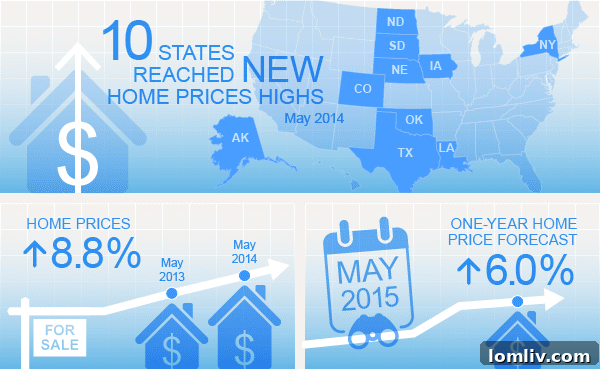
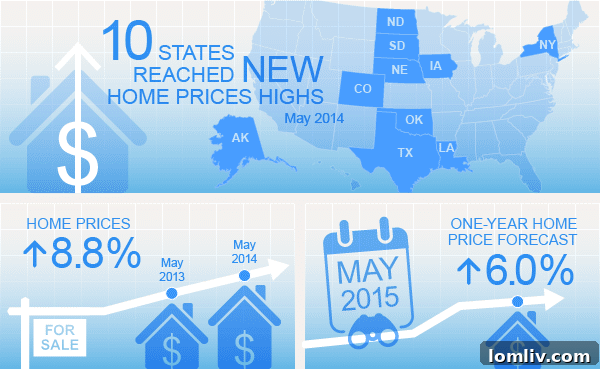
While the national narrative pointed towards moderation, certain regional markets continued to demonstrate exceptional strength, showcasing the diverse nature of the U.S. housing landscape. Dallas, Texas, emerged as a standout performer in the May 2014 report, marking a significant milestone: a return to peak pricing. The Dallas metropolitan area registered an impressive 8.7 percent year-over-year increase in home prices, including distressed sales, indicating a full recovery from the downturn experienced during the recession.
Texas as a whole, while still robust, also showed signs of its meteoric growth moderating. Over a 12-month period, the state’s HPI saw an 8.9 percent change. However, closer inspection of shorter intervals revealed a slowdown: a 4.4 percent change over three months and a 0.9 percent change from April to May 2014. Despite this deceleration in the *rate* of growth, the report confirmed that Texas was still reaching new highs in home values, driven by strong economic fundamentals, population growth, and a comparatively robust job market.
The resilience of markets like Dallas often stems from strong local economies, diversified industries, and continuous inward migration. These factors create sustained demand for housing, supporting price growth even as national trends indicate a broader cooling. The Dallas-Fort Worth area, in particular, benefited from a burgeoning corporate presence and a relatively affordable cost of living compared to coastal metropolitan centers, attracting both businesses and residents.
Navigating the Credit Landscape and Affordability Challenges
The post-2008 housing market recovery has been profoundly shaped by the tightening of credit markets. Following the financial crisis, lenders significantly raised their standards, making it more challenging for many prospective homebuyers, particularly first-time purchasers, to secure mortgages. This constrained access to credit has been a persistent barrier for a substantial segment of the population, even as home prices began to rebound.
However, by mid-2014, there were nascent signs of evolution within the lending sector. Some alternative lenders began cautiously experimenting with what might be termed “subprime” loans, but with crucial distinctions from their pre-crisis counterparts. As reported by The New York Times, these new offerings typically required substantial down payments, often between 30 to 40 percent. This requirement fundamentally differentiated them from the high-risk, no-money-down, stated-income loans that contributed significantly to the housing bubble and subsequent crash.
While these alternative loans might expand access to homeownership for some, they were not expected to have the same drastic, widespread impact on the market as the highly leveraged products of the past. The stringent down payment requirements inherently limit the pool of eligible borrowers and mitigate the systemic risk. Nevertheless, the very mention of “subprime” brought with it a degree of caution and scrutiny, reflecting the lessons learned from the previous decade.
Compounding the challenges posed by credit access was the widening affordability gap. As home prices steadily increased over the preceding two years, driven by demand and limited inventory, they began to outpace wage growth in many U.S. cities. This made homeownership increasingly unattainable for middle-income earners and first-time buyers, even with the moderation in price appreciation. CoreLogic CEO Anand Nallathambi highlighted this critical issue: “While the rapid rise in prices over the past two years has lifted many homeowners out of negative equity, it has also become a negative factor in buying decisions for prospective purchasers weighing affordability concerns.” The delicate balance between restoring equity for existing homeowners and maintaining accessibility for new buyers became a central dilemma for the market.
Looking Ahead: CoreLogic’s Projections for a Stable Market
Looking forward from May 2014, CoreLogic’s projections offered a cautiously optimistic outlook. The report anticipated a modest 0.8 percent increase in home prices over the following month. This slower pace of growth was viewed as a positive indicator, suggesting that the housing market was gradually moving towards a more stable and sustainable trajectory. A stable market implies less volatility, fewer drastic price swings, and a more predictable environment for all participants.
The hope was that this moderation in home price increases would help “cool things down a bit,” as Nallathambi put it, preventing the market from overheating and allowing wage growth to potentially catch up with housing costs over time. This sustained, albeit slower, recovery was seen as crucial for the long-term health of the market, ensuring that the gains made since the recession were durable and not susceptible to another bubble.
However, the challenge of the widening affordability gap remained a significant hurdle. A stable housing market, while desirable, does not inherently solve the deep-seated issues that make homeownership a distant dream for many. Addressing affordability would require broader economic strategies, including wage growth, housing policy reforms, and innovative solutions to increase supply in high-demand areas. The May 2014 CoreLogic HPI Report, therefore, served not just as a snapshot of market conditions but also as a call to action for stakeholders to consider the long-term implications of current trends on the accessibility of the American dream.
Conclusion
The CoreLogic May 2014 HPI Report painted a complex yet illuminating picture of the U.S. housing market. It showcased a national trend of moderating price appreciation, a healthy recalibration after a period of rapid growth. Simultaneously, it highlighted the exceptional resilience and recovery in specific regional markets like Dallas, demonstrating the localized nature of real estate dynamics. The report also underscored the persistent challenges posed by tight credit markets and the ever-growing affordability gap, issues that continued to shape buying decisions and access to homeownership.
As the market moved towards a more stable environment, the focus shifted from mere recovery to sustainable growth and equitable access. The insights from CoreLogic’s detailed analysis provided valuable guidance for navigating these evolving conditions, emphasizing that while the housing market was on a path to recovery, vigilance and strategic planning were essential to ensure its long-term health and inclusivity for all prospective homeowners.