By John English
Contributing Writer
Downtown Arlington Ignites Urban Transformation with $75,000 GM Placemaking Grant
The heart of Arlington, Texas, is poised for a significant revitalization, thanks to a substantial $75,000 grant from General Motors. The Downtown Arlington Management Corporation (DAMC) successfully secured these crucial funds, earmarked for transforming underutilized railroad property into a dynamic public space. This achievement marks a pivotal moment for the city, signaling a commitment to innovative urban development and enhanced community connectivity.
Arlington proudly stood among 70 communities nationwide eligible for this highly competitive grant. The financial support will directly fuel the redevelopment of a strategically important plot of land adjacent to the active railroad tracks running through the city’s vibrant central district. This initiative is set to redefine downtown Arlington, creating a new focal point for residents and visitors alike.
A Testament to Collaborative Vision: DAMC’s Achievement
Maggie Campbell, President and CEO of Downtown Arlington, expressed immense pride and excitement regarding her organization’s success in landing the grant. “It was pretty exciting,” Campbell remarked, reflecting on the rigorous application process. “Our team worked very hard at applying for it. We’re pretty proud to have a good relationship with General Motors here, and it was kind of a shot in the dark. But we thought, ‘You know what, let’s apply,’ and it was exciting to be announced as the competitive winner.” This victory underscores DAMC’s dedication to fostering growth and improving the quality of life within downtown Arlington.
Unconventional Grant, Transformative Impact: The Power of Placemaking
What sets this General Motors grant apart from traditional funding opportunities is its unique, flexible approach. Unlike typical grants that demand meticulously detailed plans for fund allocation, this initiative encourages an organic, community-driven process. “That’s why this was such an interesting grant process because they don’t want you to have a defined project,” Campbell explained.
Beyond the direct financial injection of $75,000, the grant’s true value lies in its partnership with the Project for Public Spaces (PPS). PPS is an internationally acclaimed planning, design, and placemaking firm. Their involvement provides invaluable consulting services, guiding Arlington through a process designed to maximize community input and create a truly resonant public space.
Demystifying Placemaking: Designing Spaces with Purpose
Founded in 1975, the Project for Public Spaces has been a leading advocate for the urban geography concept of placemaking. This innovative approach centers on empowering local communities to actively collaborate in the design and management of their public spaces, particularly those underutilized urban areas. The core idea is to transform generic spaces into vibrant “places” that reflect the unique identity and needs of the people who use them.
Community Placemaking Grants, like the one awarded to Arlington, are designed to address “the inequality of access” by directly engaging with local stakeholders. This bottom-up strategy ensures that the resulting public spaces are not just aesthetically pleasing, but also functional, inclusive, and meaningful to the community. It moves beyond traditional urban planning, which often imposes designs, to a more participatory model where residents are co-creators.
The benefits of successful placemaking are extensive. It can foster stronger community bonds, stimulate local economies, enhance public health and well-being, improve safety, and create a sense of ownership and pride among citizens. By involving a diverse range of voices – from residents and local businesses to artists and civic leaders – placemaking ensures that the new public space truly serves the collective needs and aspirations of Arlington.
DAMC’s Pivotal Role: Bridging Community and Development
As the grant recipient and lead partner, DAMC will play a critical role in orchestrating the upcoming community engagement process. “We’ll be working as the partner and as the grant recipient to organize the coming meetings for the community,” Campbell stated. This includes facilitating workshops, gathering feedback, and ensuring that all voices are heard.
Once community input is collected and analyzed by PPS consultants, DAMC will be responsible for translating these insights into actionable recommendations for city leadership. “We will be articulating back to the city’s leadership what the consultants in that stakeholder-driven engagement process conclude and recommendations they have made,” Campbell explained. Ultimately, DAMC will also be tasked with a crucial advocacy role: “Ultimately, we will be the party that tries to sell and convince the railroad and the city that this is worth improving.” This intricate process highlights DAMC’s dedication to transparent communication and effective collaboration across multiple sectors.
Arlington’s Railroad Legacy: From Foundation to Future
The history of Arlington is inextricably linked to the railroad. The city itself was founded in 1876, strategically established around the Texas and Pacific railways. To this day, Union Pacific continues to operate a daily freight route directly through the city, underscoring the enduring presence and impact of rail infrastructure.
In recent years, Arlington has experienced rapid population growth and significant economic expansion. This dynamic environment makes projects like the transformation of unused railroad land not just beneficial, but absolutely necessary. Addressing underutilized assets within the urban core is key to sustaining growth and improving the quality of life for its burgeoning population.
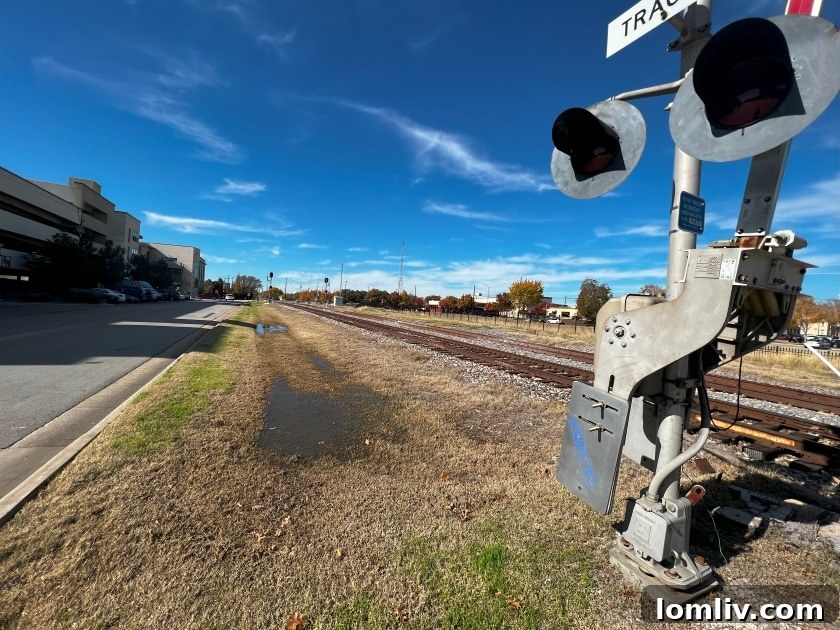
“We have a very active freight train that runs right through the middle of our downtown,” Campbell noted, highlighting both the challenge and the immense opportunity. “The railroad bought way more land than they will ever need. There’s adjacent land that is part of our downtown, and they still own it. But they’re not using it for any purpose, so we are looking for ways to hopefully activate that. They’re going to be one of the biggest stakeholders that we will engage with.” Recognizing the railroad as a vital partner, DAMC aims to demonstrate the mutual benefits of this redevelopment, fostering a collaborative spirit for a shared vision.
The Path Forward: From Vision to Vitality
The immediate next step in this exciting journey involves preparing for comprehensive meetings with all involved parties. “[GM] will come to Arlington and engage with the adjoining landowners and stakeholders and the city,” Campbell confirmed. These initial dialogues are critical for laying the groundwork, building consensus, and defining a clear path forward. “And through that process, we’ll define how these dormant pieces of land can be used to serve the community.”
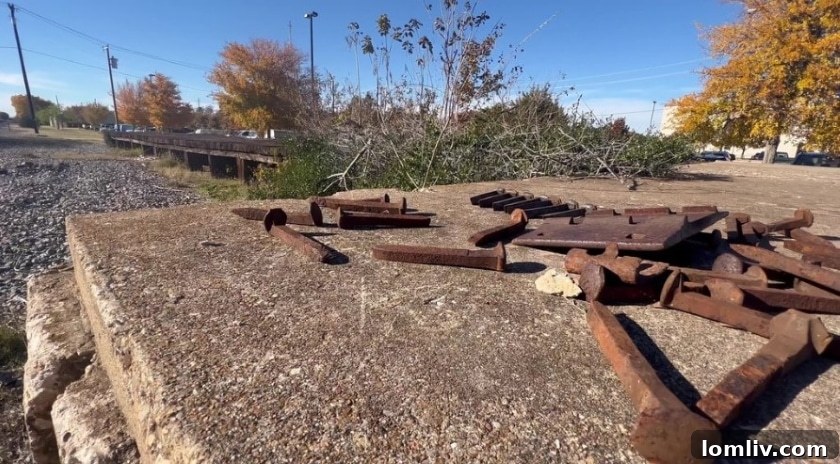
Specifically, the grant funds will be directed towards redeveloping a prominent plot of land situated adjacent to the railroad tracks at the intersection of Mesquite and Center Streets. This central location ensures maximum impact and accessibility for the entire downtown area. With the planning phases set to kick off in earnest, construction on this highly anticipated project is tentatively scheduled to begin in the late fall of this year, promising a swift transformation from concept to reality.
A Strategic Location for Enhanced Connectivity
The decision to focus on this particular site was highly strategic, driven by both historical context and current development needs. “Because of the history of the railroad being an integral part of why downtown Arlington even exists today, and then just walking around and looking at the opportunity and the challenges, we have a real need for connectivity,” Campbell articulated.
Downtown Arlington is currently experiencing significant growth on both sides of the railroad corridor. This includes an influx of new residential buildings, burgeoning entertainment venues, and the imminent completion of the city’s first professional office building. The unused railroad land presents a unique opportunity to bridge these developing areas, creating a seamless and integrated downtown experience. “So that’s why we decided on this development. It’s right here in the middle of our downtown, it’s dormant, and it’s exactly what the grant asked for.” This project is perfectly aligned to address the need for improved pedestrian flow, green space, and vibrant gathering areas, ultimately enhancing the urban fabric of Arlington.
A Bright Future for Downtown Arlington
The $75,000 grant from General Motors, combined with the expert guidance of the Project for Public Spaces, represents a landmark achievement for Downtown Arlington. This collaborative effort to transform dormant railroad land into a bustling public space is more than just a construction project; it’s an investment in community, connectivity, and the future vibrancy of the city’s core. By prioritizing placemaking, Arlington is setting a precedent for thoughtful, inclusive urban development, ensuring that its downtown remains a thriving and cherished destination for generations to come.